← Journal/18 May 2026·6 min de lecture
CBD gummies and immunity: what vitamins and the French framework really say
Par The Phytogrammes team ·
"Immunity" gummies classically combine CBD, vitamin C, vitamin D and a botanical extract such as astragalus. Only the vitamins carry health claims authorised by EFSA; no immunity claim is recognised for CBD or astragalus.
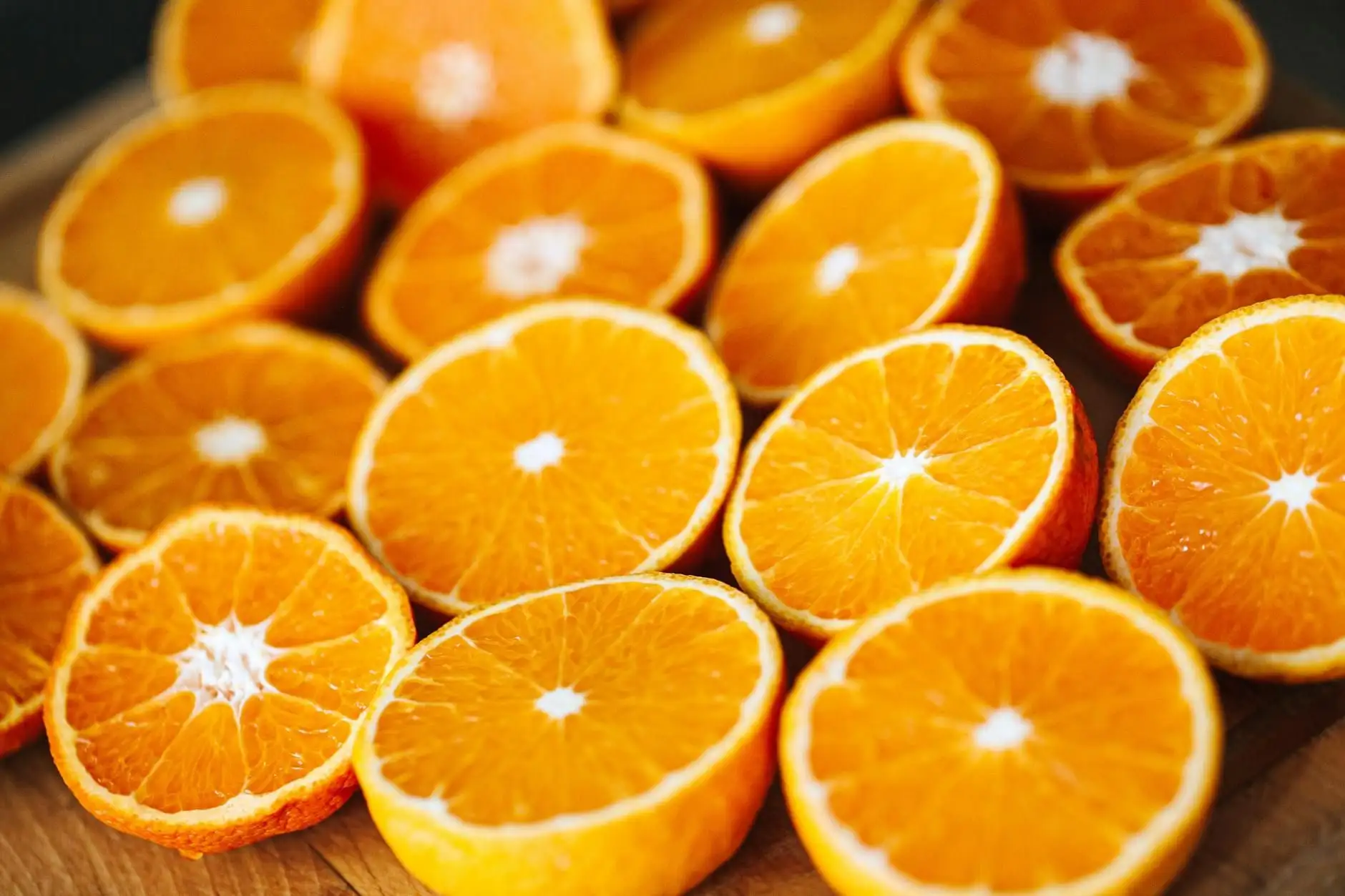
The typical composition of an "immunity" gummy
The "immunity" gummy format appeared on the American and British markets as early as 2019, then spread across Europe. The most widely sold recipes combine:
- CBD (full spectrum or isolate) dosed at between 5 and 25 mg;
- Vitamin C (often from acerola or ascorbic acid): 80 to 200 mg per dose;
- Vitamin D3 (cholecalciferol, sometimes plant-derived via lichen): 5 to 25 µg;
- Astragalus (Astragalus membranaceus): 50 to 100 mg of standardised extract;
- Sometimes zinc, elderberry, ginger or echinacea.
In legal terms this composition falls under two overlapping regimes: food supplement for the vitamins and minerals (authorised up to maximum doses set by order), and Novel Food for the CBD.
What EFSA allows you to say — and nothing else
The European register of authorised health claims, drawn up under Regulation (EC) No 1924/2006, validates precise wordings on:
- Vitamin C: "contributes to the normal function of the immune system";
- Vitamin D: "contributes to the normal function of the immune system";
- Zinc: the same authorised claim;
- Selenium, copper, vitamins A, B6, B9, B12: related claims on the immune system.
These wordings are strictly regulated: an authorised textual form, a minimum dose conditioning use of the claim, and a link to the daily reference intake. No immunity claim is validated for CBD, astragalus, elderberry or echinacea.
Why CBD cannot be presented as being "for immunity"
No study published to date has led EFSA to validate an immunity claim for cannabidiol. Preclinical data on the interaction between CBD and the endocannabinoid system are promising in the scientific literature, but insufficient against the protocol EFSA requires.
The consequence: no brand selling a product in France may write "CBD for immunity", "strengthens the natural defences" or "stimulates the immune system". Such wordings amount to an unauthorised health claim, which may be reclassified as a misleading commercial practice.
Astragalus: an extract with a sensitive status
Astragalus (Astragalus membranaceus) is used traditionally in Chinese medicine. In France it is accepted as a food supplement ingredient under the plants authorised by the order of 24 June 2014 (the "plants order"). But it has no validated EFSA health claim.
Brands therefore fall back on factual botanical descriptions ("traditionally used in the Chinese pharmacopoeia") without stating a targeted benefit. Any mention of "strengthens immunity" would constitute an infringement.
The twin obstacle in 2026: Novel Food and the EFSA dose
For gummies containing ingested CBD, two constraints are added in 2026:
- Novel Food status: since 15 May 2026, the DGAL has been withdrawing from the French market ingested CBD products lacking European authorisation under Regulation (EU) 2015/2283.
- The provisionally safe daily dose: on 9 February 2026 EFSA published a dose of 0.0275 mg/kg/day, i.e. roughly 2 mg/day for a 70 kg adult. A gummy dosed at 10 mg of CBD exceeds that figure on its own.
Since that date, an "immunity" formulation containing CBD therefore sits at the margins of the French framework as regards the cannabinoid part, irrespective of whether the vitamins comply.
Vitamin D: a particular French case
ANSES considers vitamin D deficiency to be common in France, particularly in winter and among people with little sun exposure. The general population is encouraged to ensure an adequate intake through diet, sensible sun exposure and, where appropriate, medically supervised supplementation.
That objective fact explains the presence of vitamin D in many "immunity" food supplements. It says nothing whatsoever about an effect of the CBD alongside it.
What remains legitimate to say
On a product complying with the 2026 constraints, legitimate wordings remain factual:
- List the exact composition per dose;
- State the EFSA claims authorised for the vitamins and minerals concerned;
- Set out the precautions for use (pregnant women, breastfeeding women, minors, concurrent treatments);
- Cite the traditional botanical use without stating an unvalidated health benefit;
- Recall that no food supplement is a substitute for a varied diet and a healthy lifestyle.
Key points
- The only valid immunity claims in the EFSA register concern vitamins C, D, A, B6, B9, B12, zinc, selenium and copper.
- No immunity claim is validated for CBD, astragalus, elderberry or echinacea.
- Since 15 May 2026, ingested CBD gummies without Novel Food validation have been leaving the French market.
- The EFSA provisionally safe daily dose for CBD is about 2 mg/day for 70 kg.
- A food supplement is no replacement for a varied diet and a healthy lifestyle.
Frequently asked questions
Does a CBD-vitamin C gummy really help immunity?
Vitamin C intake can contribute to the normal function of the immune system (a validated EFSA claim). No study, on the other hand, has established an effect of CBD alone or in combination.
Is astragalus banned in France?
No, it is accepted as a food supplement ingredient under the plants order of 24 June 2014. No EFSA health claim is validated for this plant, however.
Should immunity gummies be taken all year round?
No. Prolonged supplementation with vitamins (particularly fat-soluble ones such as D) should be supervised by a healthcare professional. Chronic excess can cause adverse effects.
Is an immunity gummy suitable for children?
CBD food supplements are not advised for minors by any European health agency. Vitamins for children come in specific formulations with dosages adapted to age and weight.
What alternative is there in France in 2026?
For the vitamin part, conventional food supplements remain available. For CBD, non-ingested formats (cosmetics, flowers, compliant e-liquids) are still sold pending developments in the Novel Food file.
CBD is not a medicine. In the event of persistent fatigue or immune disorders, consult a healthcare professional. To explore our selection, [see our catalogue](/categorie-produit).
Sources
Written by the Phytogrammes team
Every article in this journal draws on primary sources (ANSM, EFSA, EUR-Lex, peer-reviewed publications) and on the lab's own practice: batch-by-batch HPLC analyses, measured cannabinoid profiles. Our approach.
Article published on . CBD is not a medicine.
Phytogrammes products that pair well

Further reading

gommes-cbd·18 May 2026
THC-free, daily, immunity CBD gummies: how to read a range
“THC-free”, “daily”, “immunity”: decoding the marketing segmentation of CBD gummy ranges, within a French framework that is now very restricted.

pre-entrainement·18 May 2026
Pre-workout gummies in France: legal framework and alternatives
Pre-workout CBD gummies: what the French Novel Food framework allows since May 2026, and what really works before a training session.
reishi·18 May 2026
Reishi, ashwagandha and rhodiola gummies: what to know
Reishi, ashwagandha, rhodiola: three adaptogenic plants sold with no authorised therapeutic claim in France, under ANSES supervision.