← Journal/18 May 2026·4 min de lecture
Reishi, ashwagandha and rhodiola gummies: what to know
Par The Phytogrammes team ·
Reishi, ashwagandha and rhodiola are three adaptogenic plants sold in France as food supplements, with no authorised therapeutic claim whatsoever. ANSES governs their use and has issued specific warnings, notably on ashwagandha and the risk of effects on the liver.
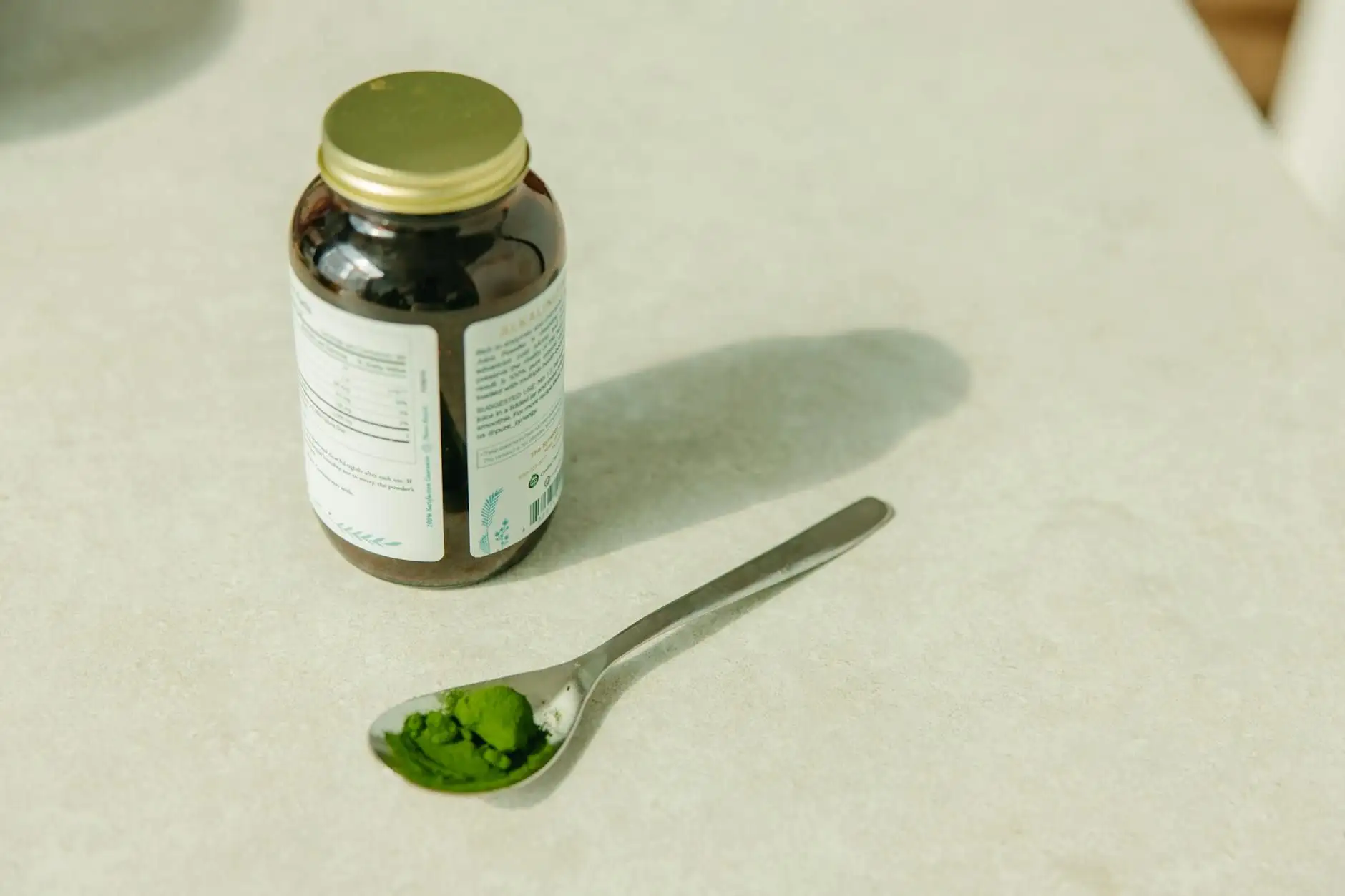
The family of "adaptogenic" plants
The term adaptogen was formalised by Soviet pharmacologists in the 1950s to describe substances supposed to help the body better withstand stress. The concept remains scientifically debated and is not recognised by European health authorities as a validated therapeutic mechanism. Three plants come up repeatedly in "stress support" supplements: reishi (Ganoderma lucidum), a mushroom used in Chinese pharmacopoeia; ashwagandha (Withania somnifera), an Indian shrub from Ayurveda; and rhodiola (Rhodiola rosea), a plant of Arctic regions.
The French regulatory framework
Plant-based food supplements fall under decree no. 2006-352, which transposes directive 2002/46/EC. In its opinion 2022-SA-0085 on ashwagandha, ANSES recorded reports of adverse effects, notably on the liver, and recommended vigilance over the quality of preparations and the identification of at-risk groups. No health claim within the meaning of EC regulation 1924/2006 is authorised for these plants: commercial wording remains a matter of composition, never a promise of effect.
What research has explored for each plant
Reishi contains triterpenes, polysaccharides and beta-glucans. A scoping review published in 2022 gathered preliminary findings on fatigue in certain clinical populations, without reaching a level of evidence sufficient for a medical recommendation. Common supplement doses range from 200 to 500 mg of extract per day.
Ashwagandha is the most studied plant of the three: several clinical trials, including Lopresti et al. (2019, Medicine), have examined its effect on stress markers at doses of 240 to 600 mg of standardised extract per day. ANSES has called for caution given the risks of drug interactions and the adverse liver effects reported.
Rhodiola roots contain salidrosides and rosavins. Several exploratory studies have looked at its role in cognitive fatigue, with common doses of 170 to 600 mg of extract per day, in clinical trials of broadly average methodological quality.
Quality criteria and precautions
A serious supplement states the part used (the reishi fruiting body is more concentrated in triterpenes than cultivated mycelium), a standardised titration, an independent certificate of analysis and a traceable origin. Three precautions apply to all three plants: they are not advised during pregnancy and breastfeeding, they call for checking that there is no interaction with current treatments (anticoagulants, sedatives, immunosuppressants, thyroid hormones), and they mean avoiding the stacking of several sources of the same extract.
CBD and adaptogens: two distinct frameworks
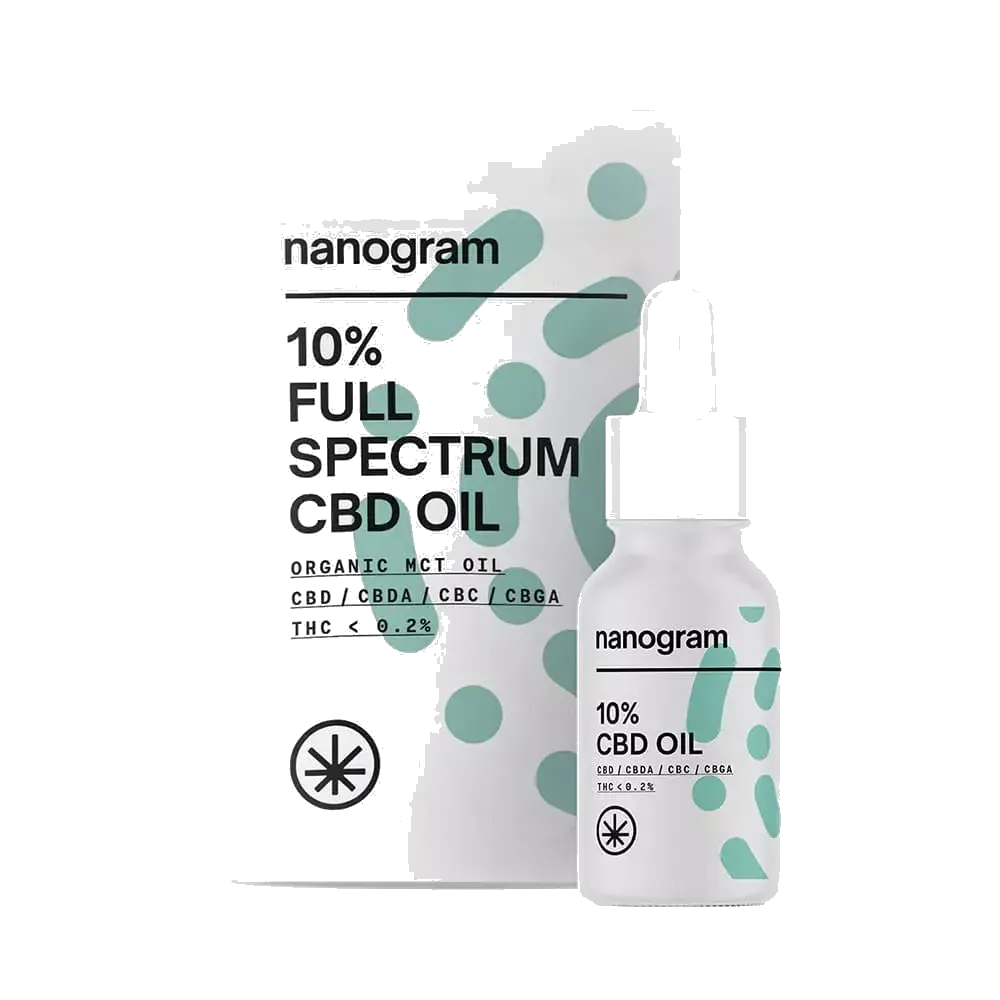
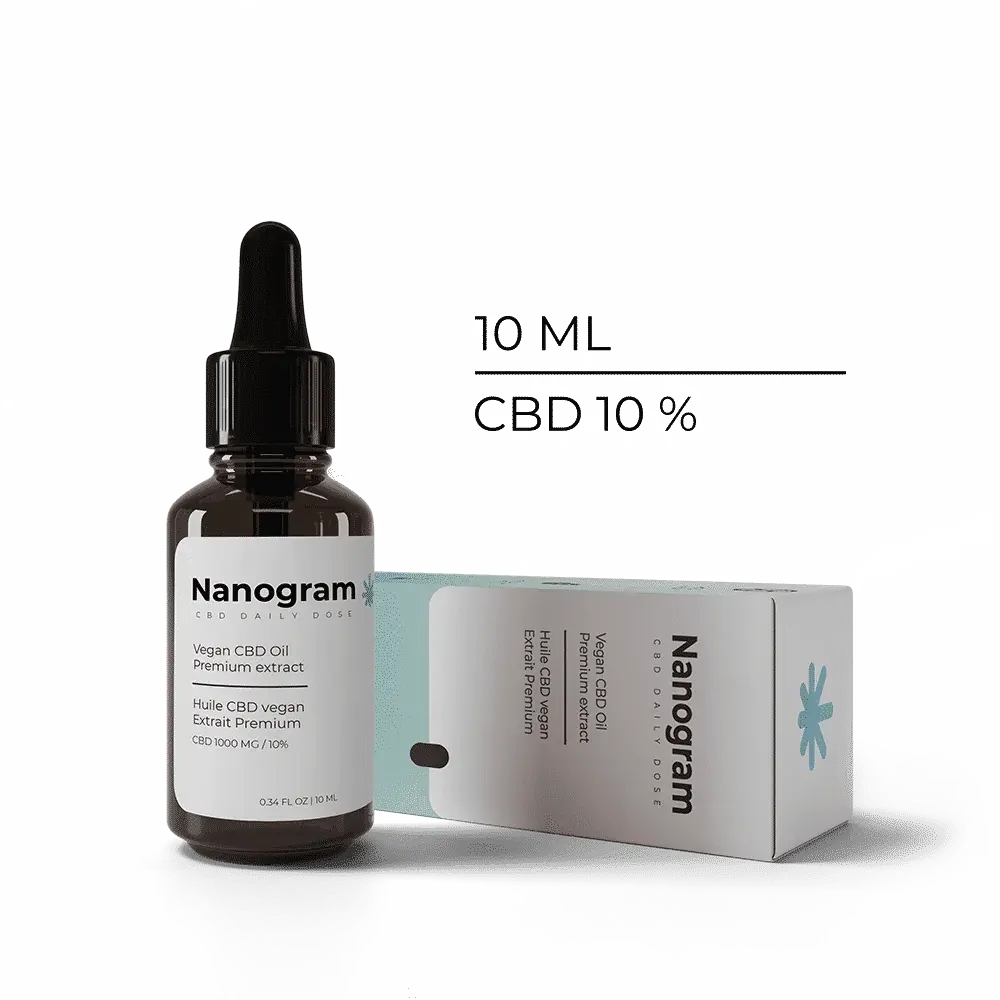
Some brands combine CBD and adaptogens in a single product. CBD falls under a specific regime set by the Conseil d'État decision of 29 December 2022, and since 15 May 2026 CBD food products without Novel Food authorisation have been withdrawn from the French market. Our article on CBD and occasional stress sets out that specific framework.
CBD is not a medicine. If anxiety persists, consult a healthcare professional.
Frequently asked questions
Are reishi gummies reimbursed in France?
No. They are food supplements sold over the counter, with no cover from the health insurance system.
Can ashwagandha be combined with an antidepressant treatment?
Not without medical advice. Several interactions are described with serotonergic drugs and sedatives. Consulting your doctor or pharmacist is essential before any such combination.
How long before an effect is felt?
No claim of effect is legally permitted. Regular users often describe a perceived change after two to six weeks of continuous use, as a matter of personal wellbeing.
Is there a maximum recommended dose?
The doses stated on the packaging must be observed. ANSES recommends not stacking several sources of the same extract, such as gummies and capsules, at the risk of exceeding the levels studied.
Written by the Phytogrammes team
Every article in this journal draws on primary sources (ANSM, EFSA, EUR-Lex, peer-reviewed publications) and on the lab's own practice: batch-by-batch HPLC analyses, measured cannabinoid profiles. Our approach.
Article published on . CBD is not a medicine.
Phytogrammes products that pair well

Further reading
thc·18 May 2026
Fast-acting THC gummies: why they are banned in France
Fast-acting THC gummies are booming in the United States. In France they are banned as narcotics — here is the legal logic.
cbd-topique·18 May 2026
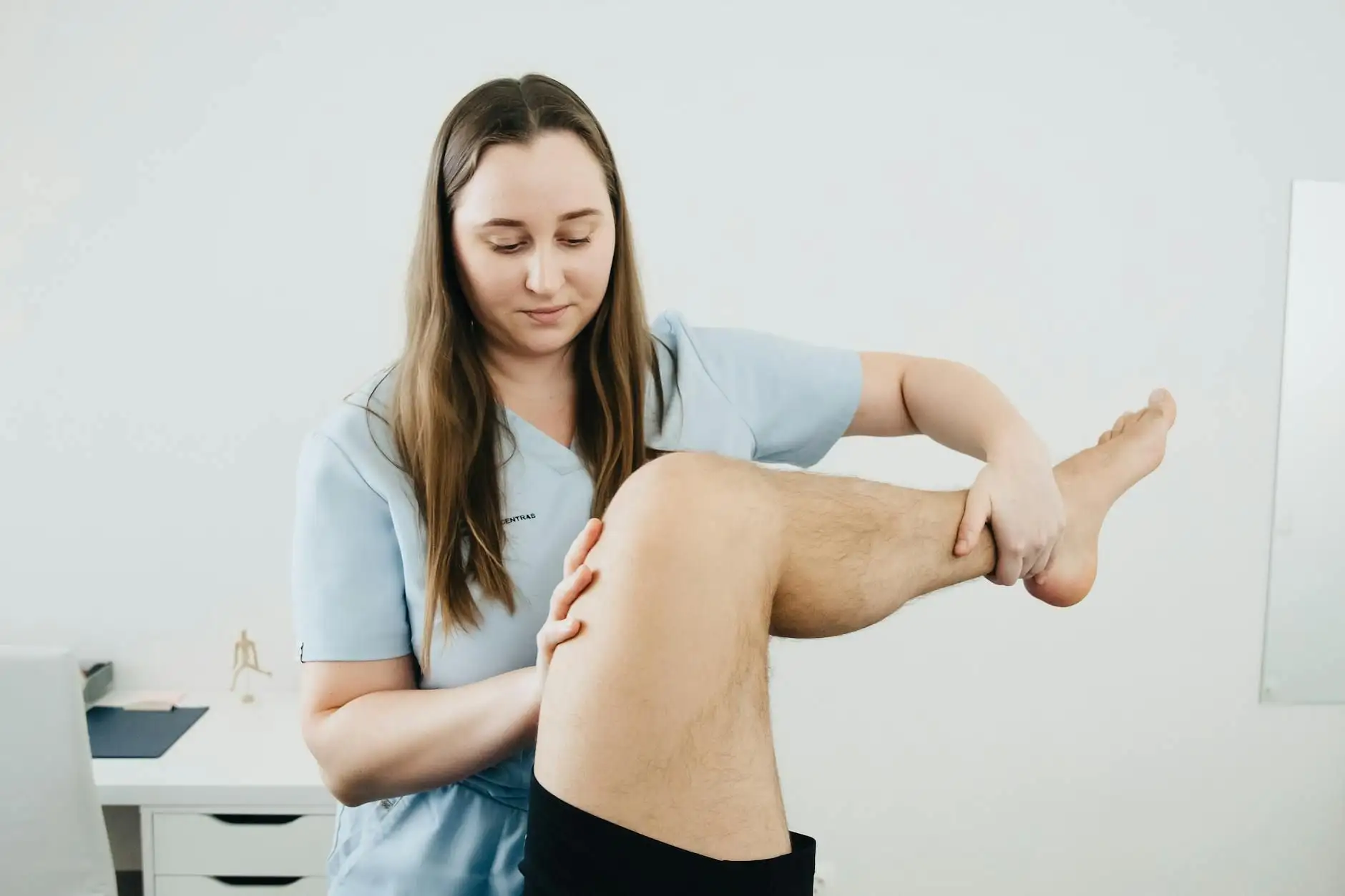
Gonarthrosis: living with knee osteoarthritis and self-care rituals
Understanding gonarthrosis, following the HAS recommendations and fitting a CBD cosmetic into a suitable wellness routine, without replacing medical care.
cbd·18 May 2026
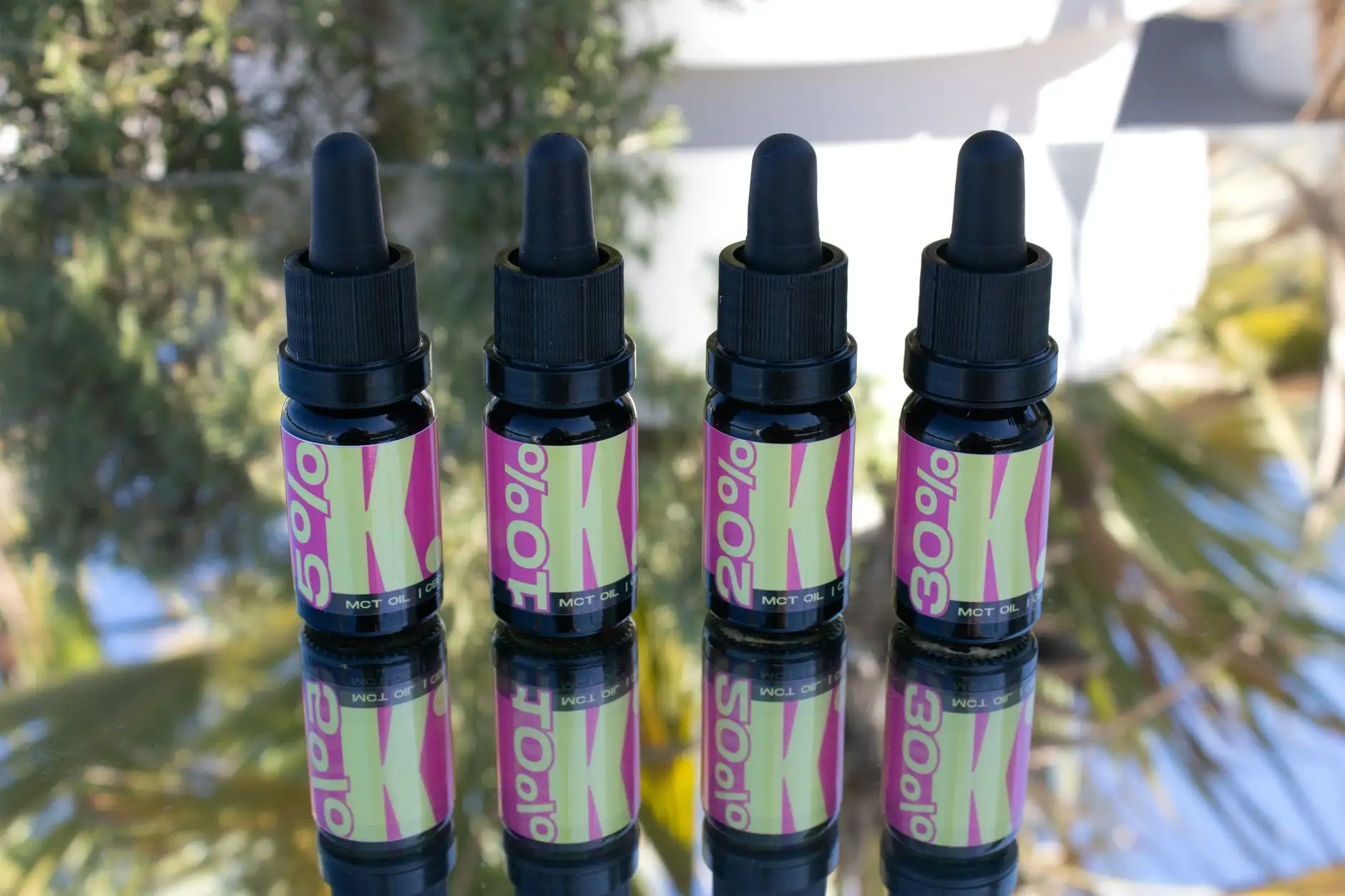
Buying a quality CBD product in France: a practical guide
Certificate of analysis, hemp variety, THC threshold: the concrete criteria for spotting a compliant CBD product before buying it in France.