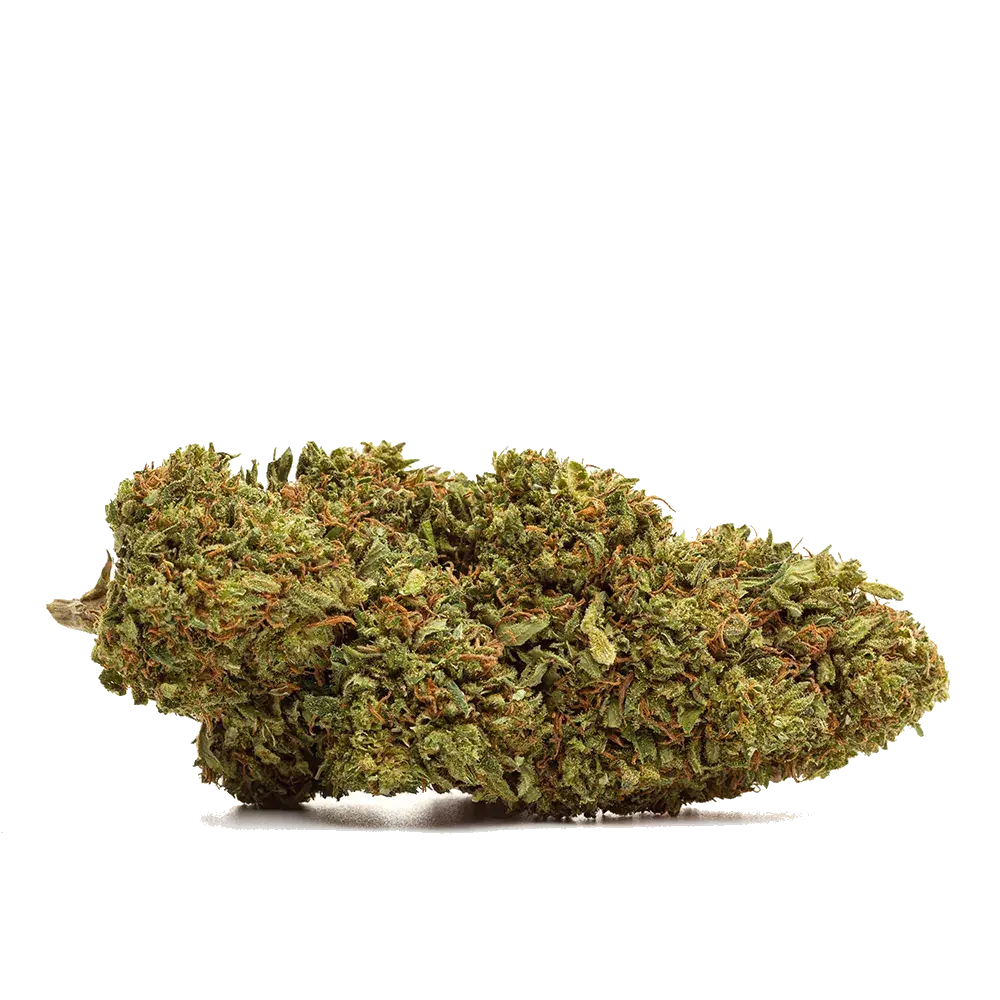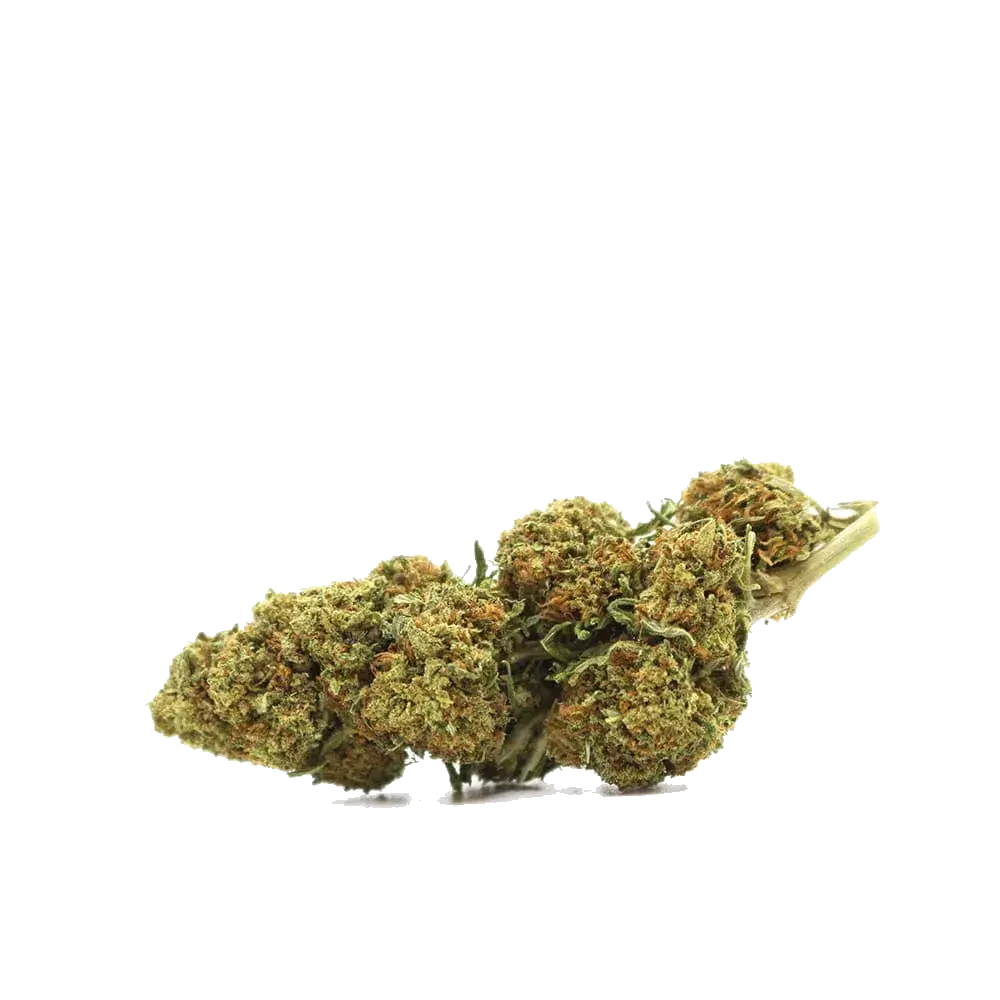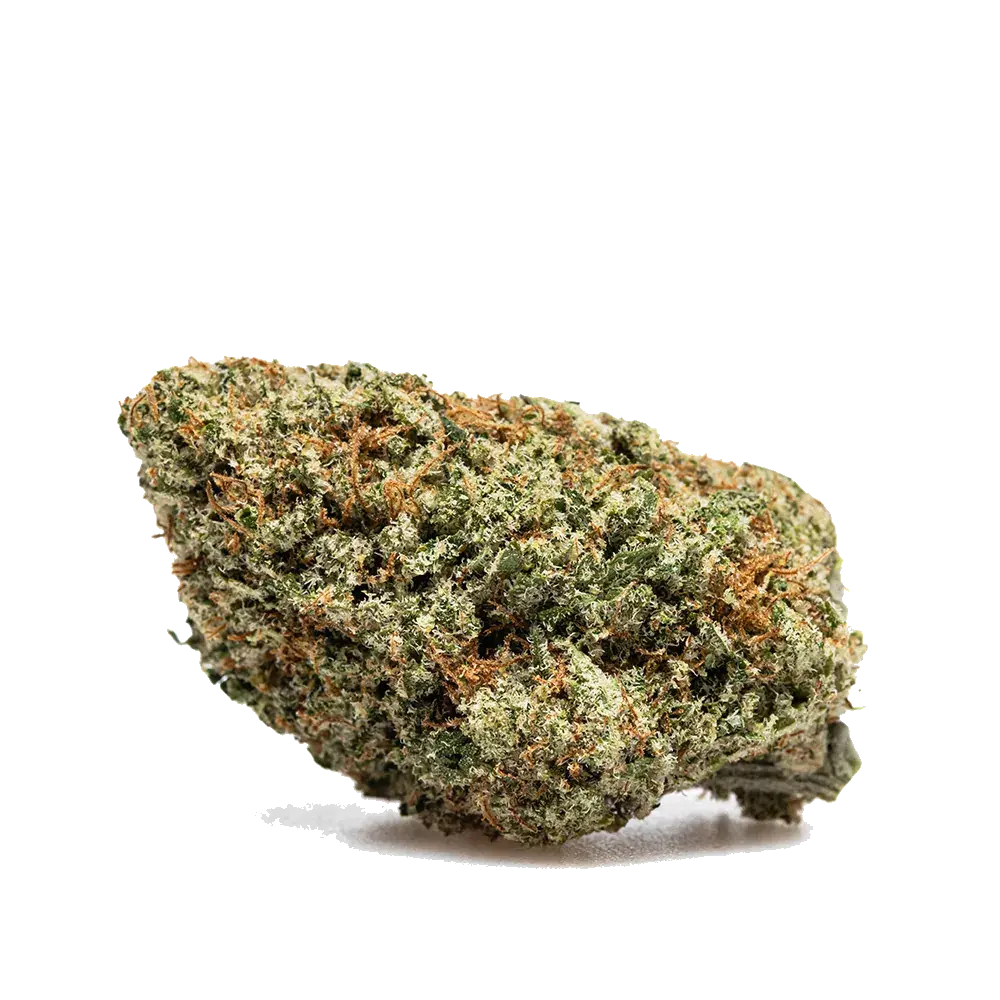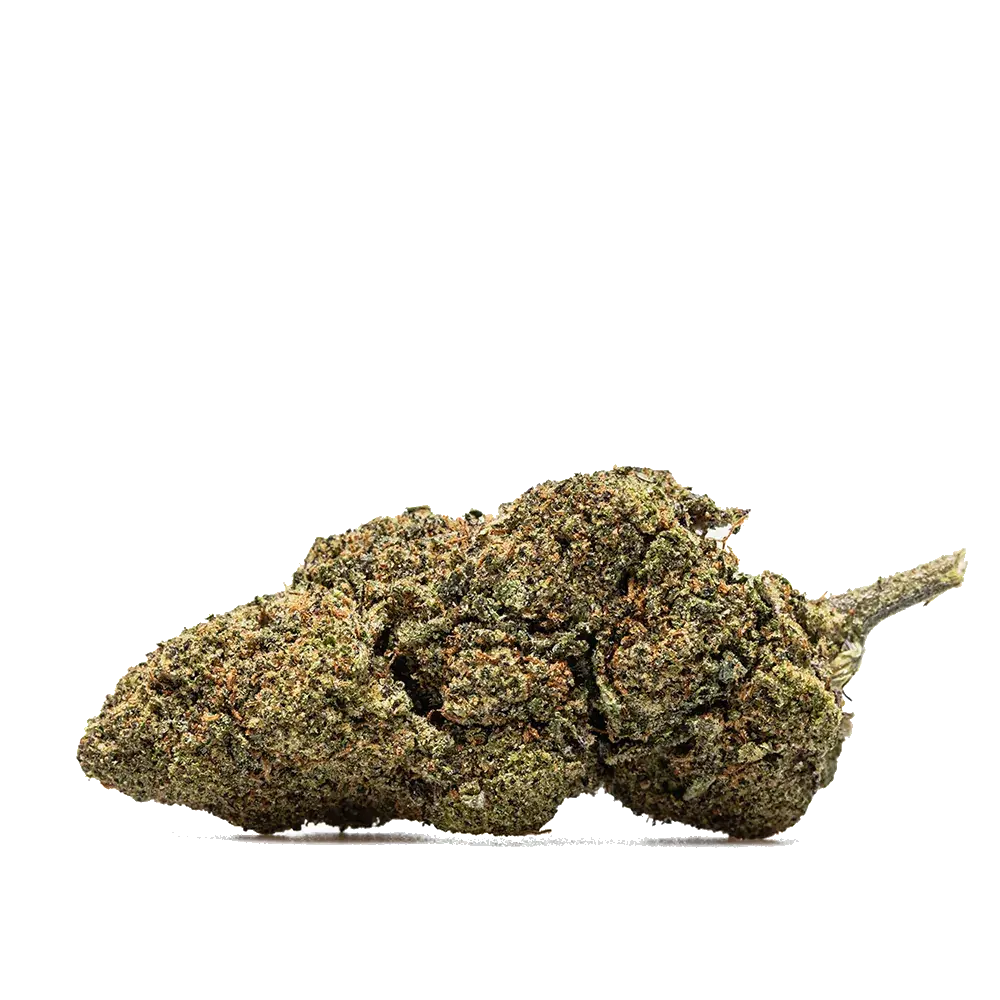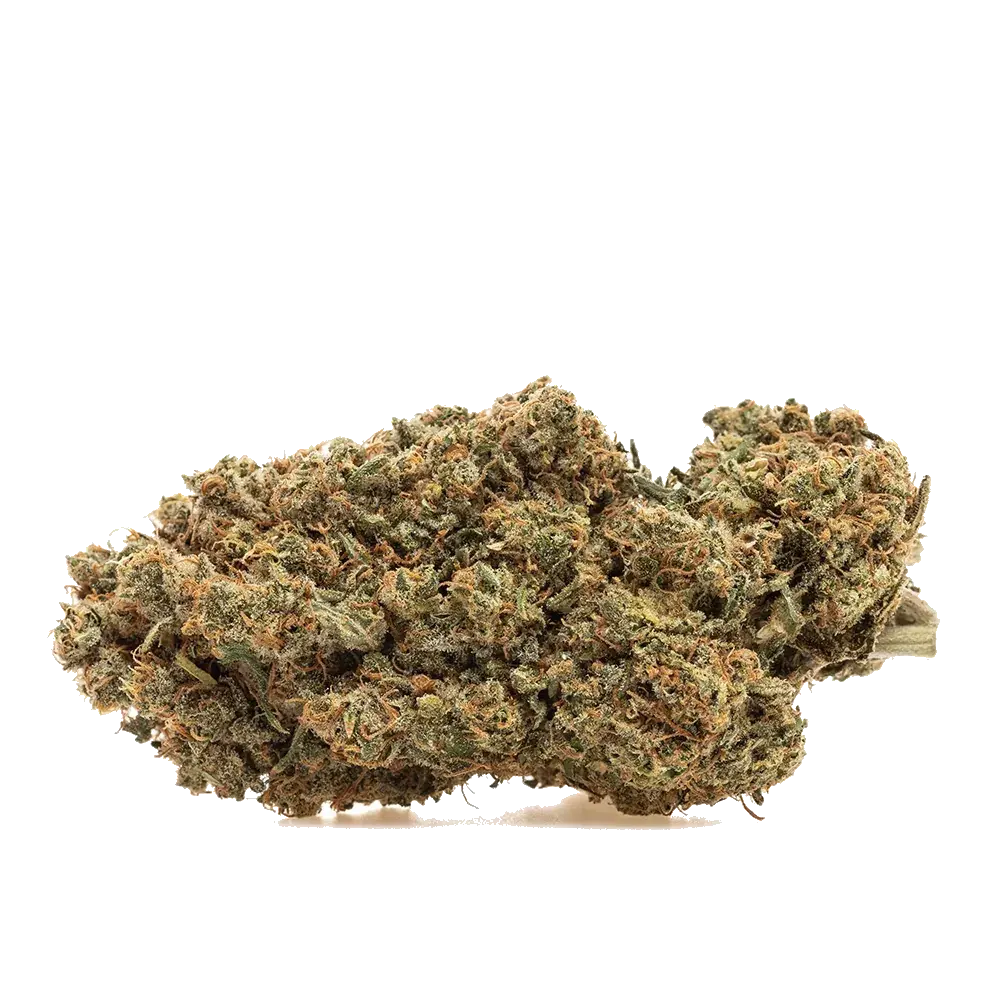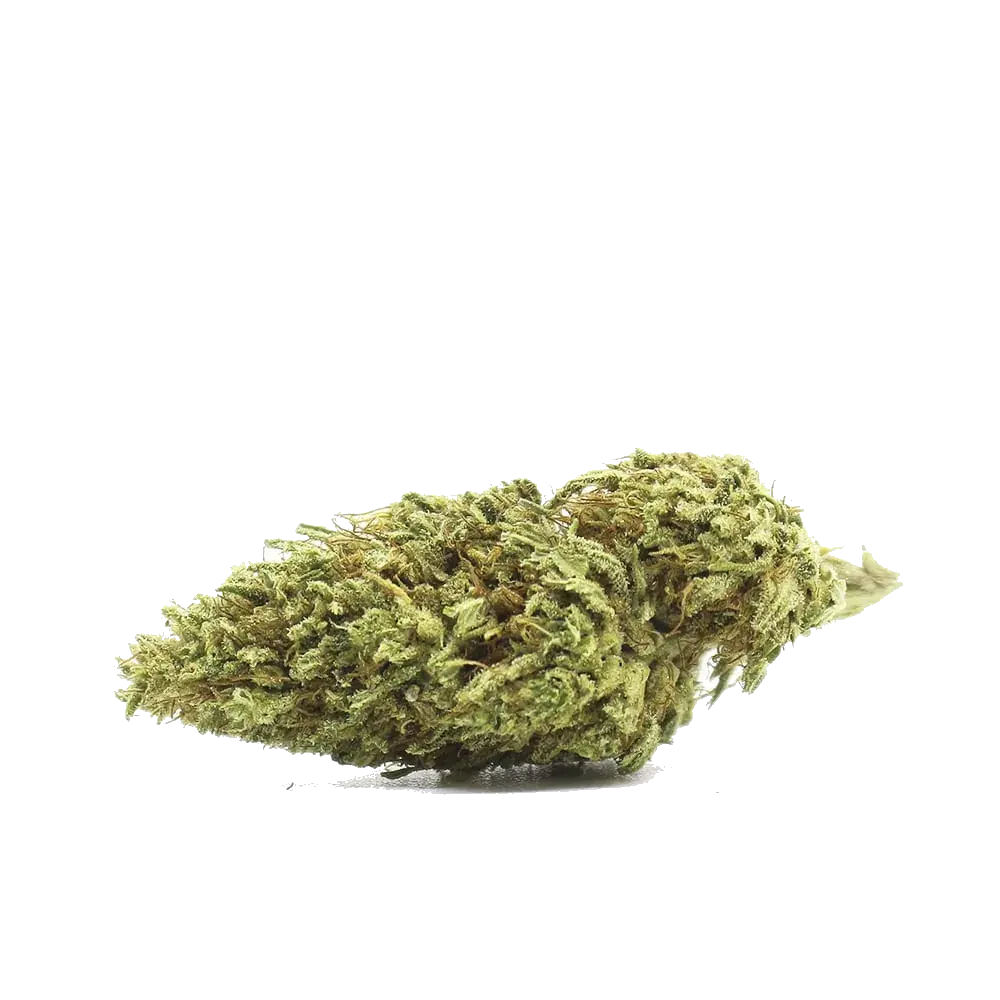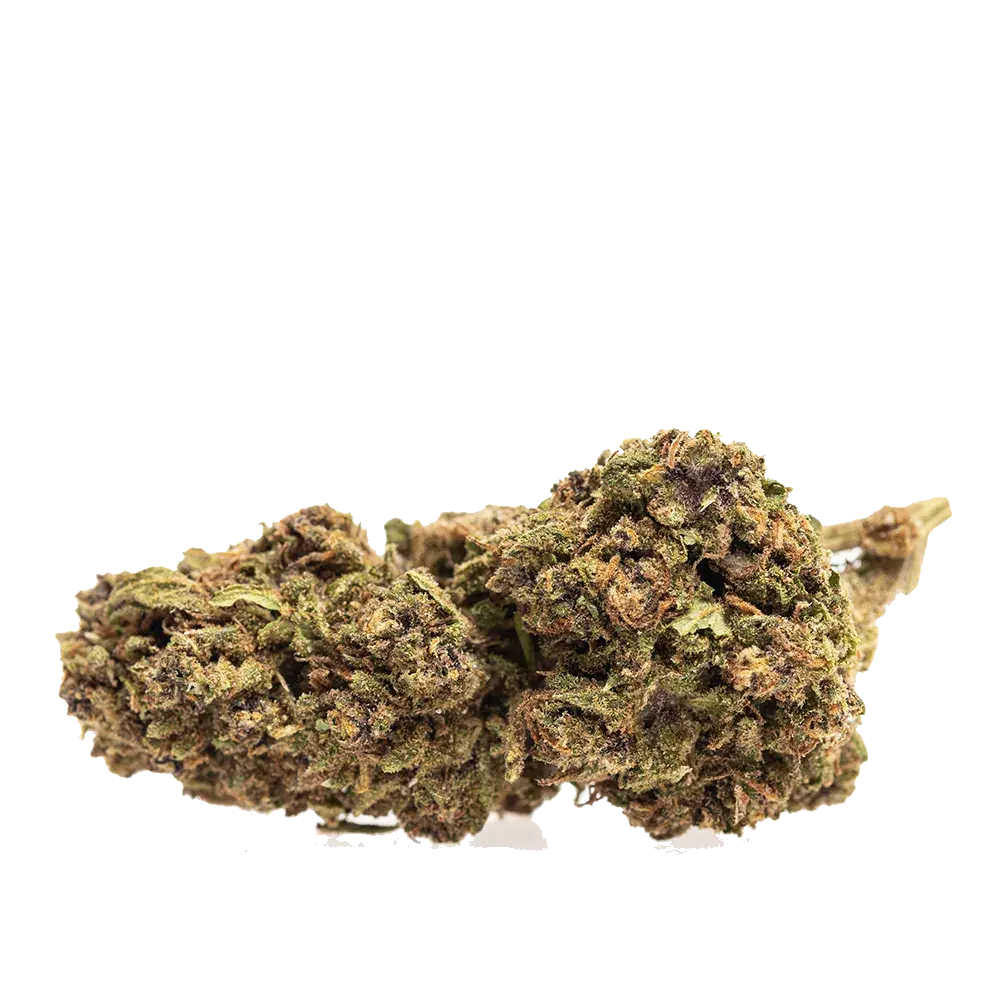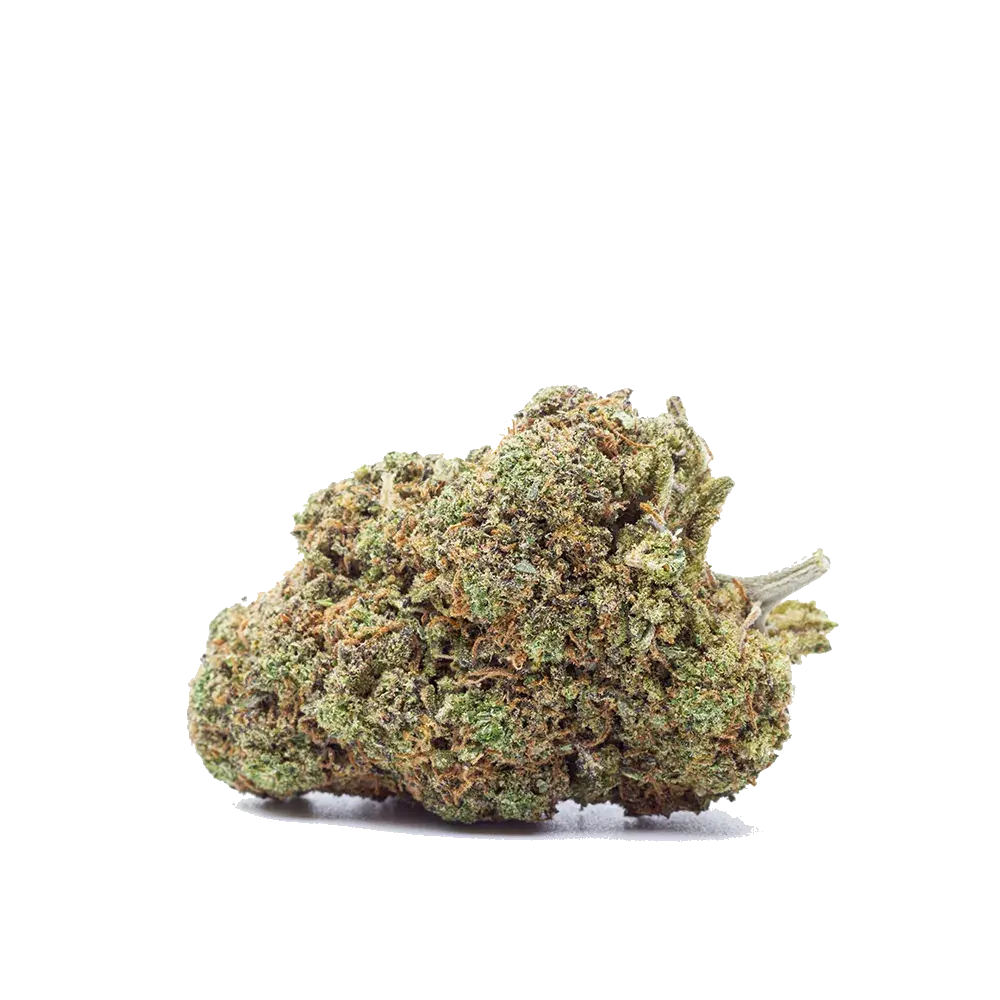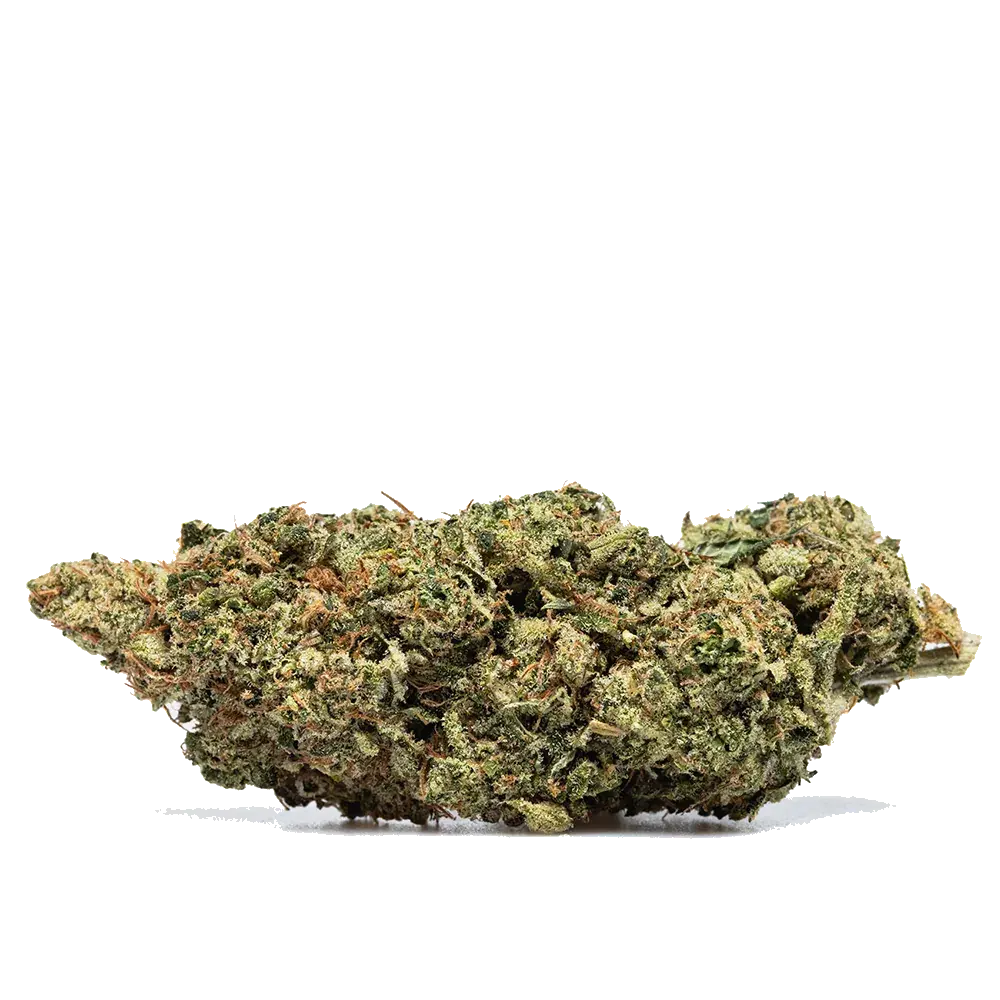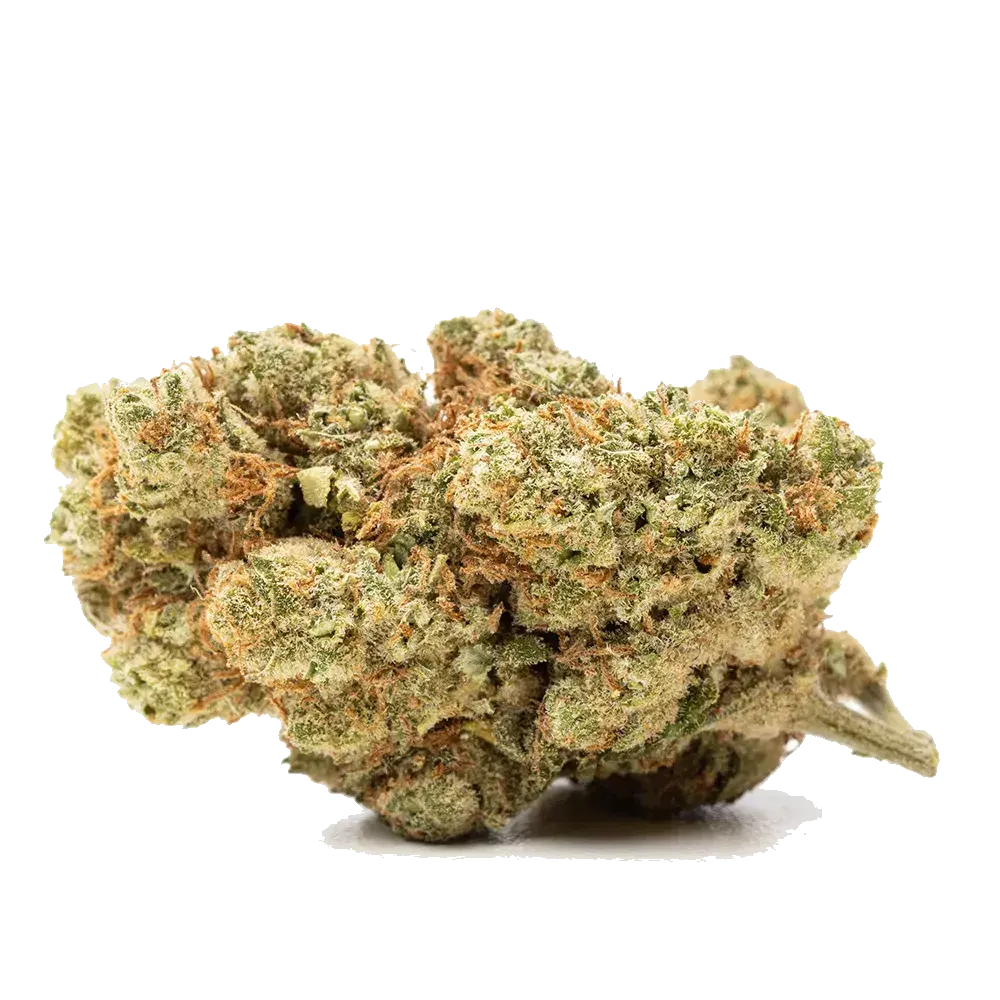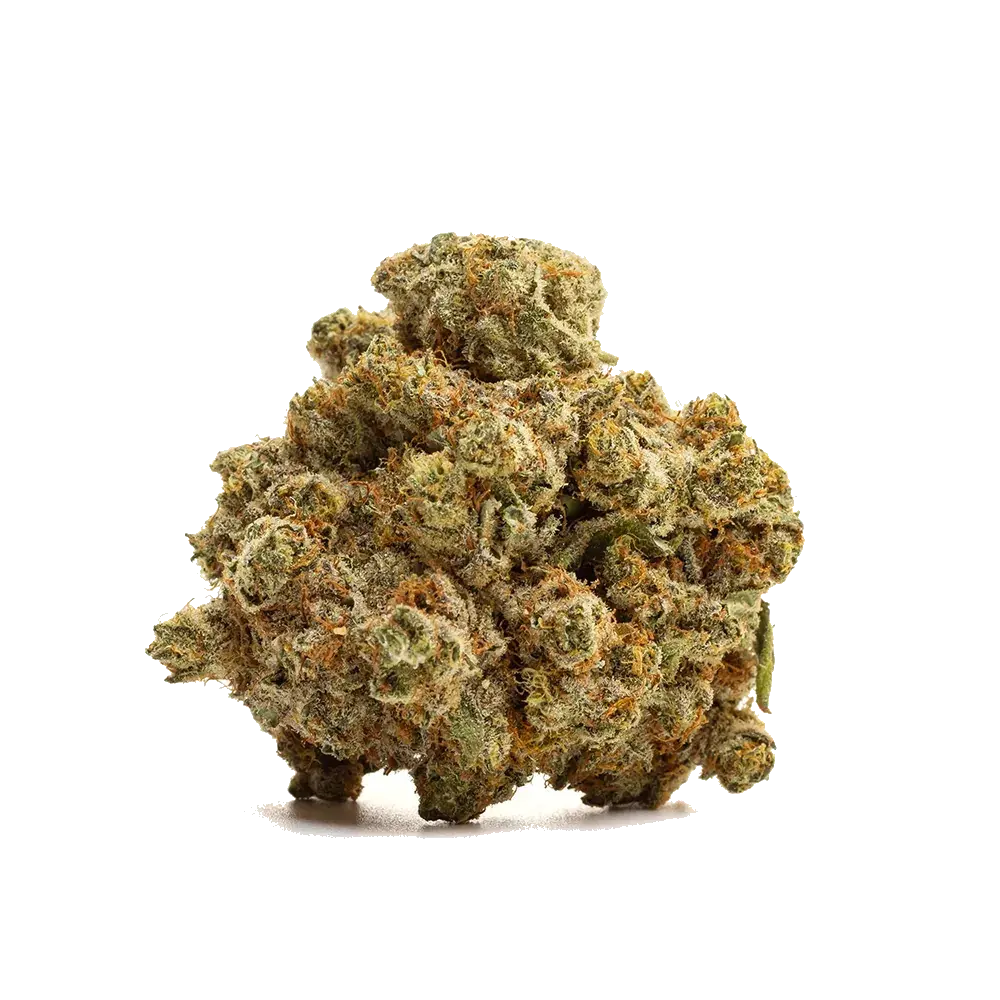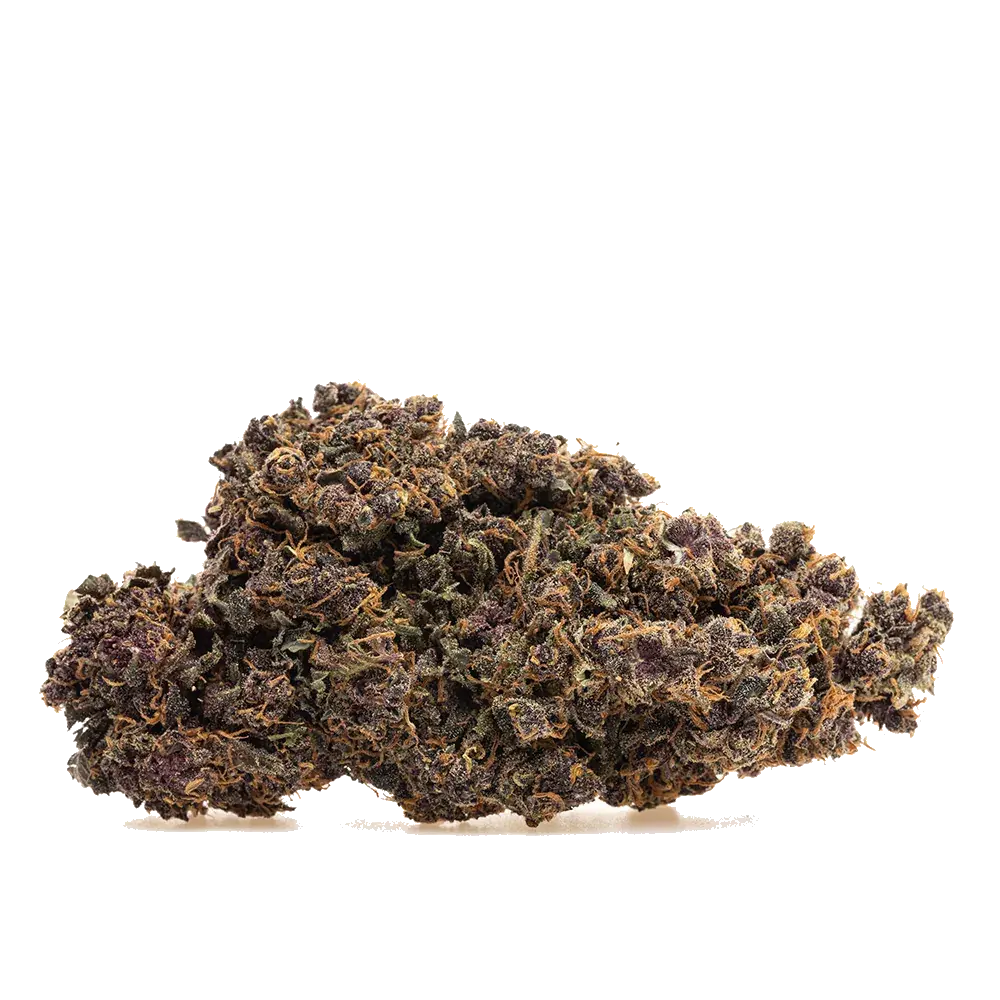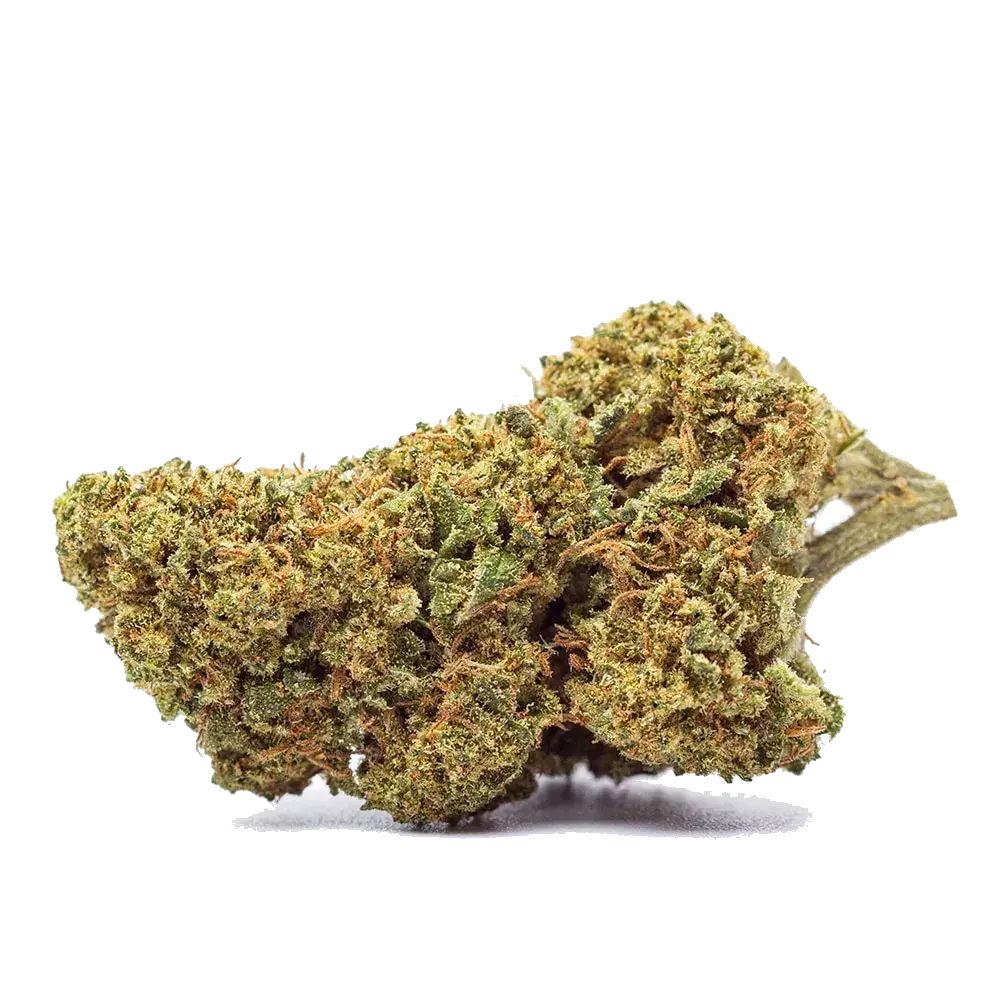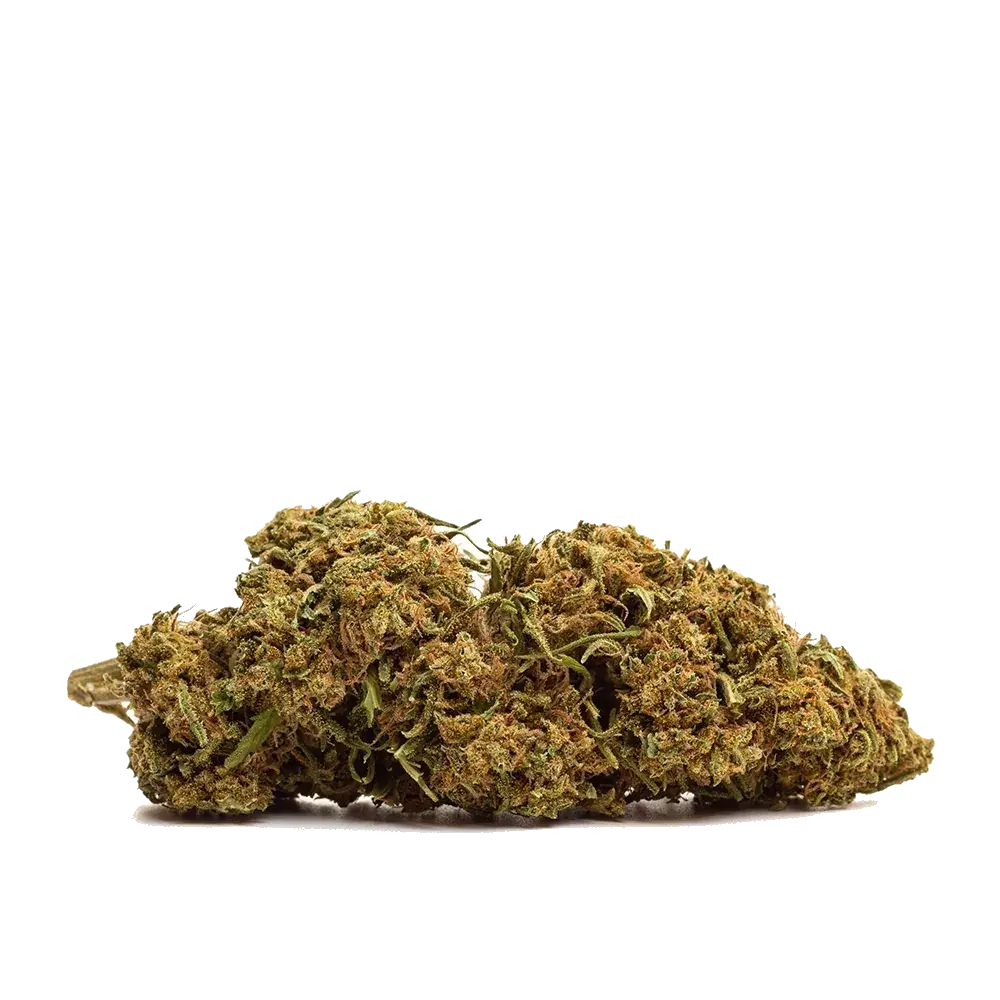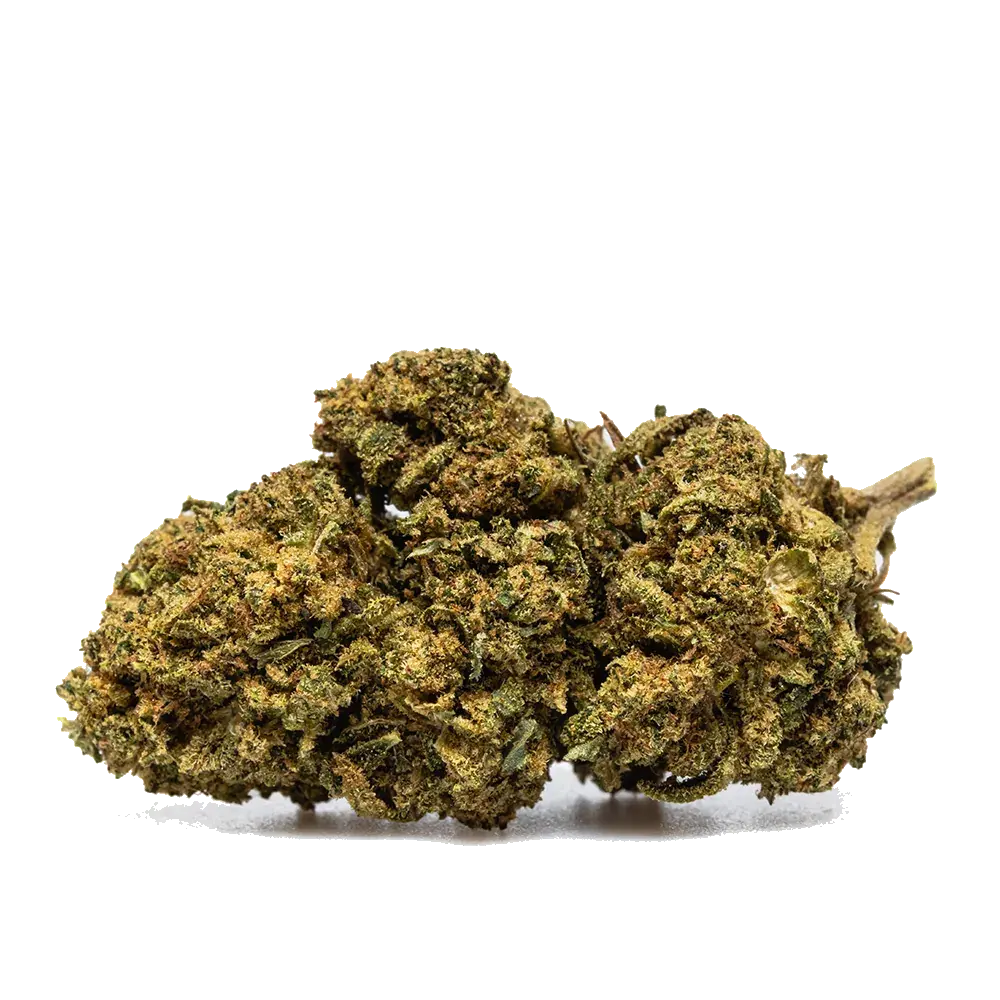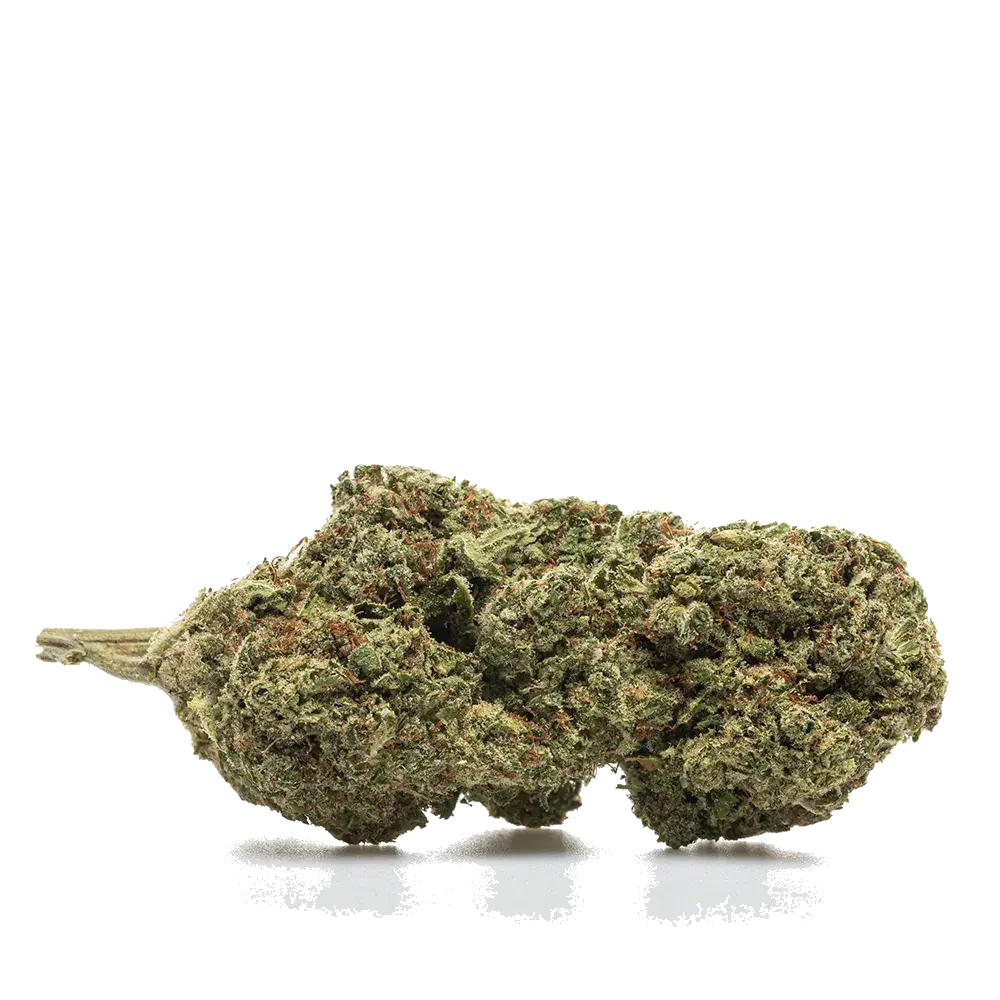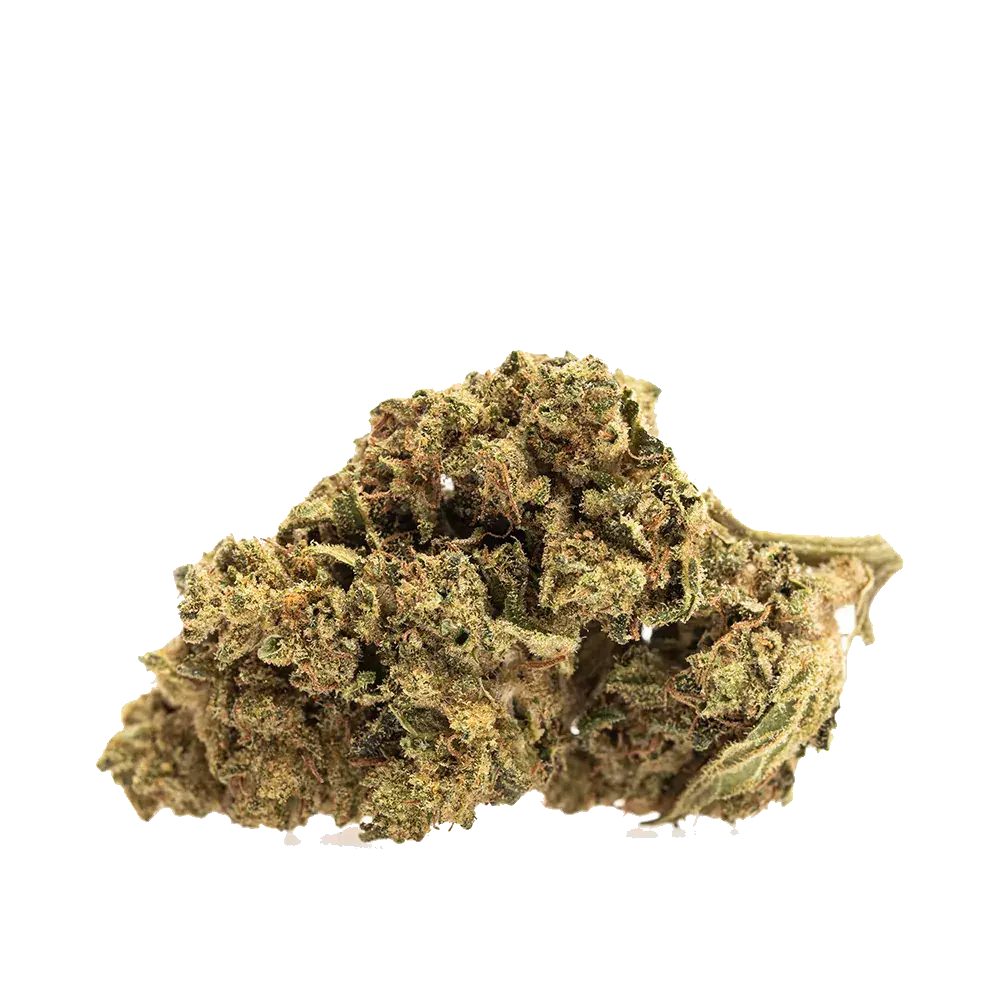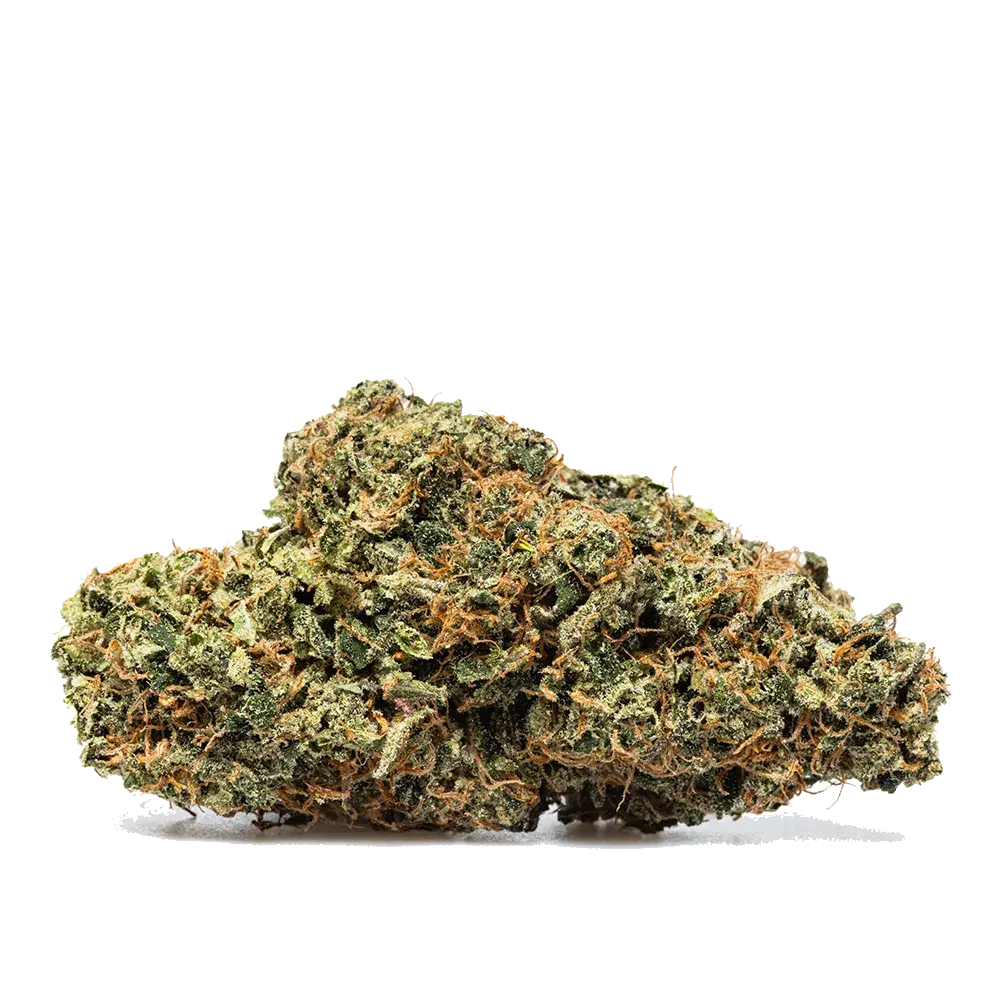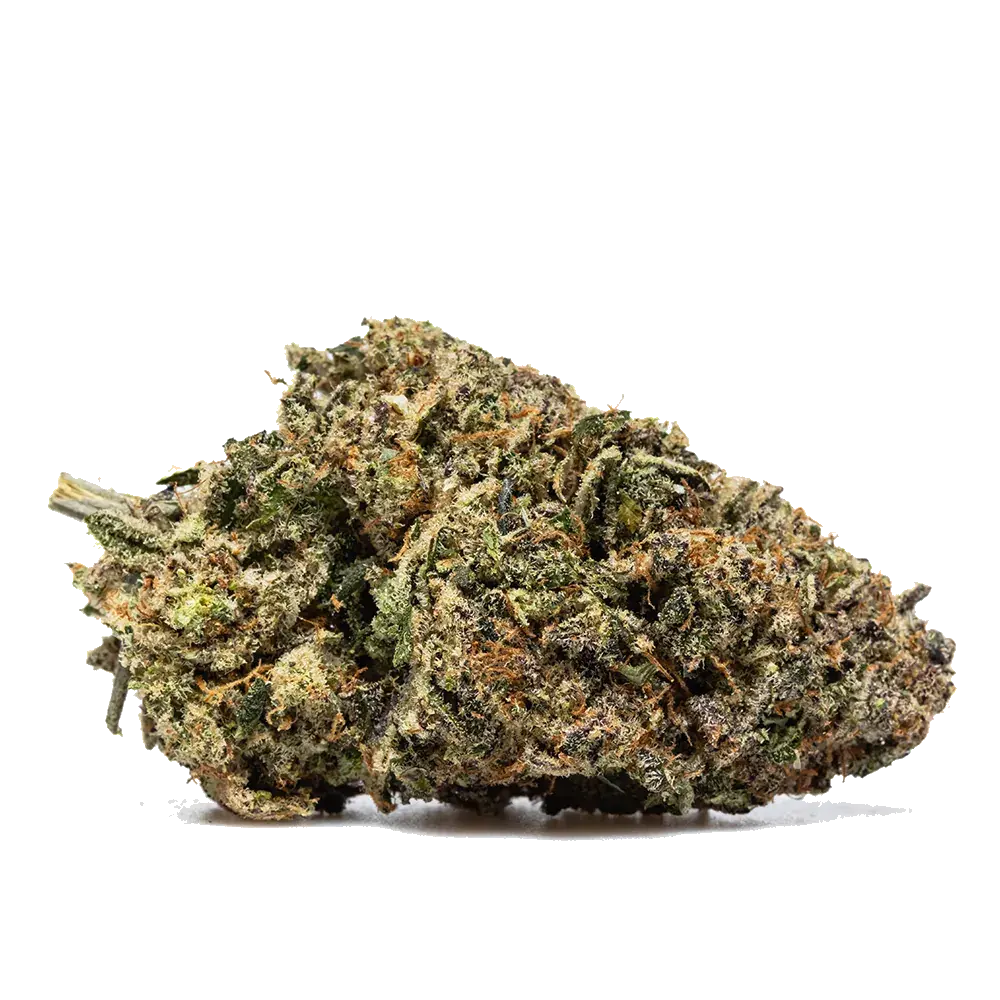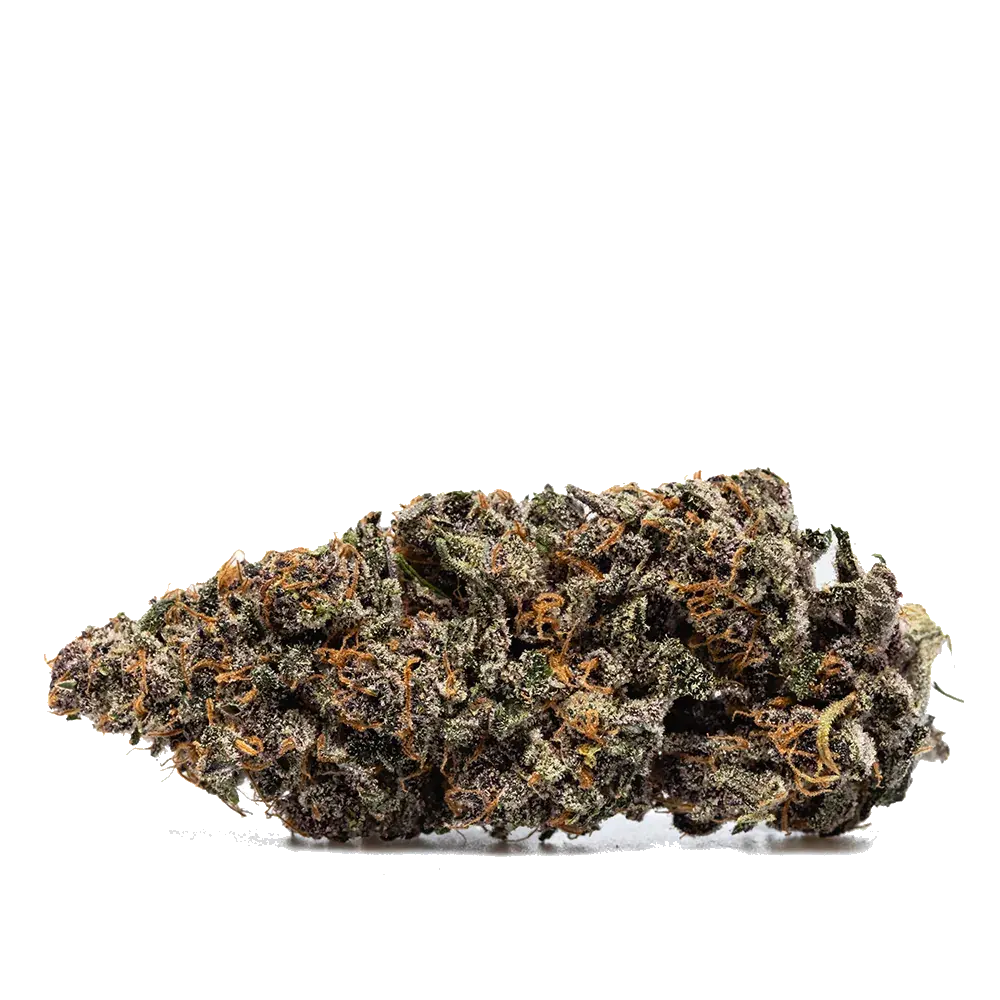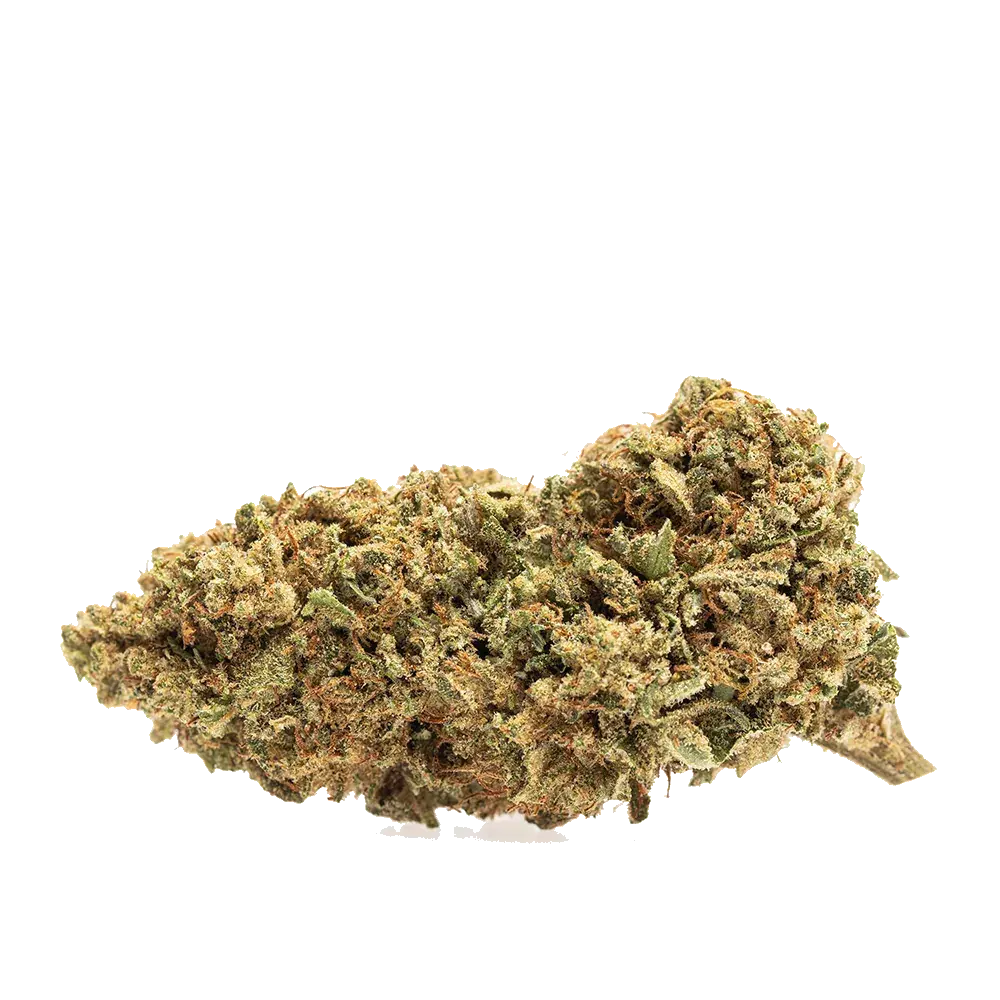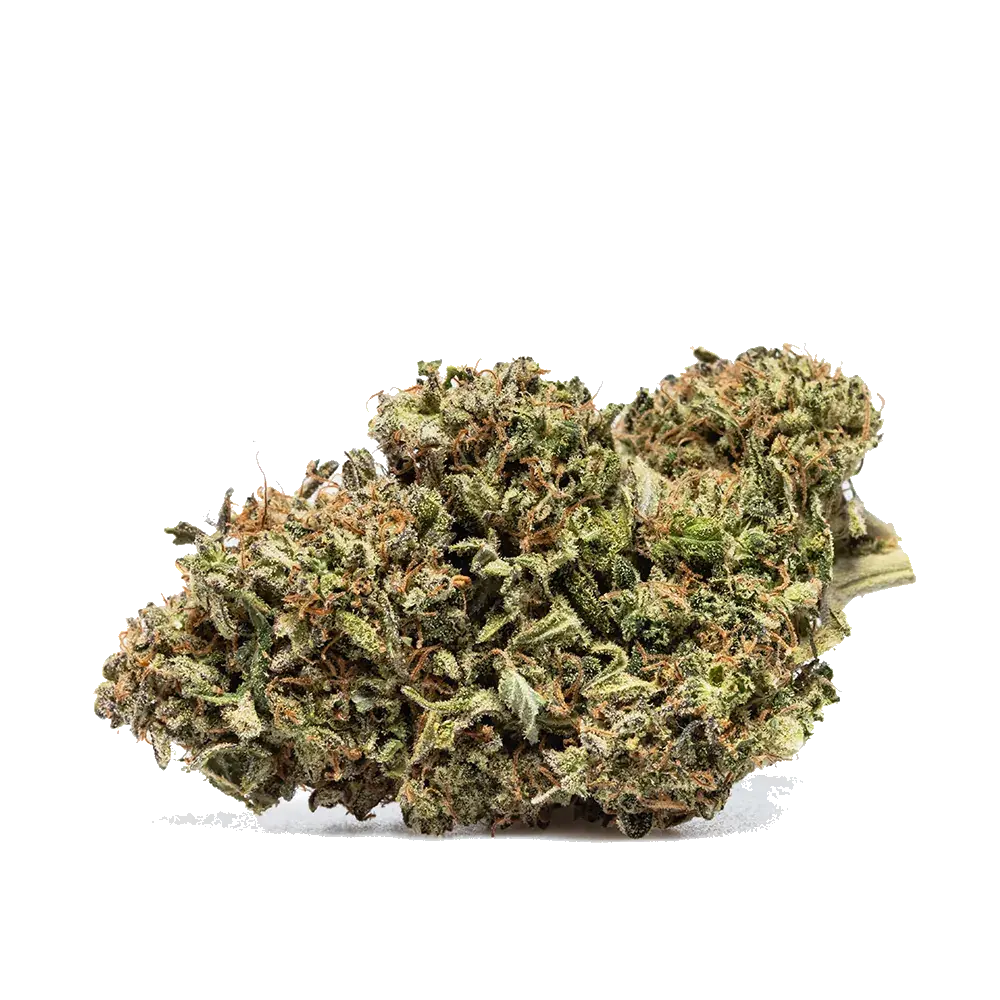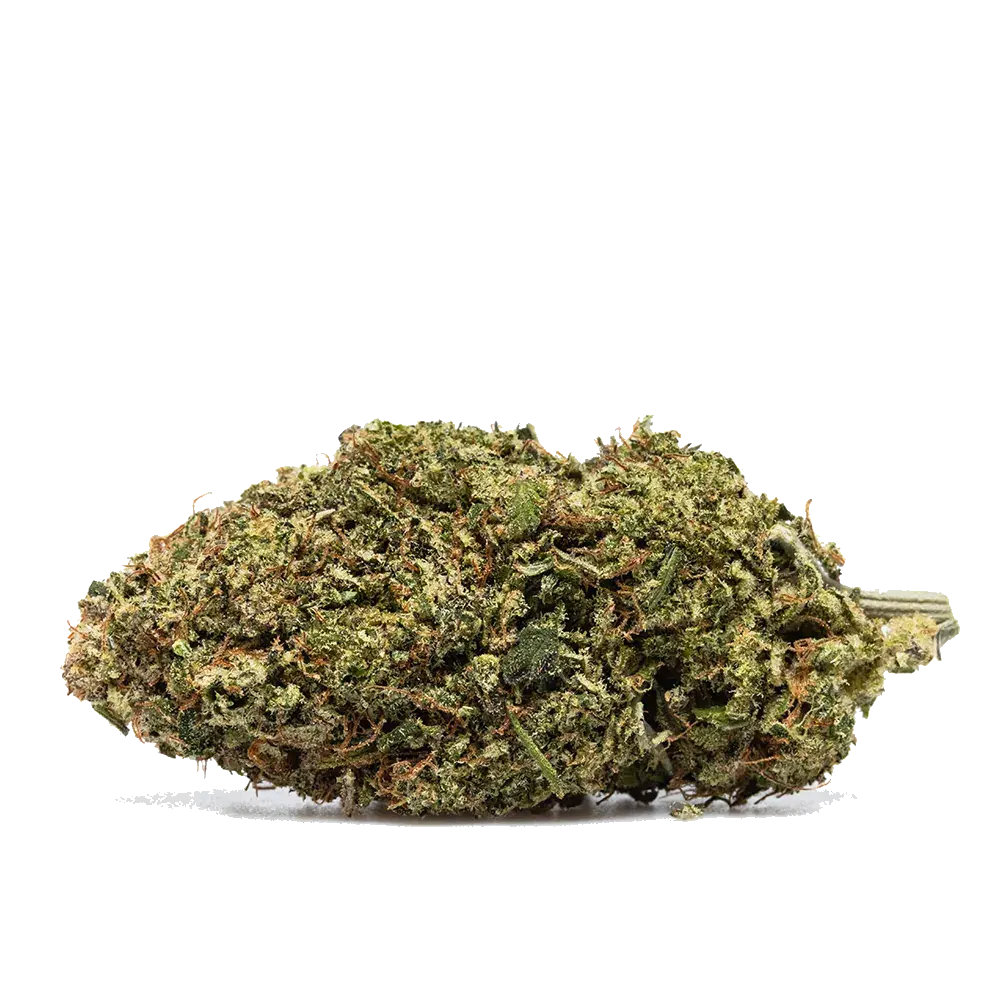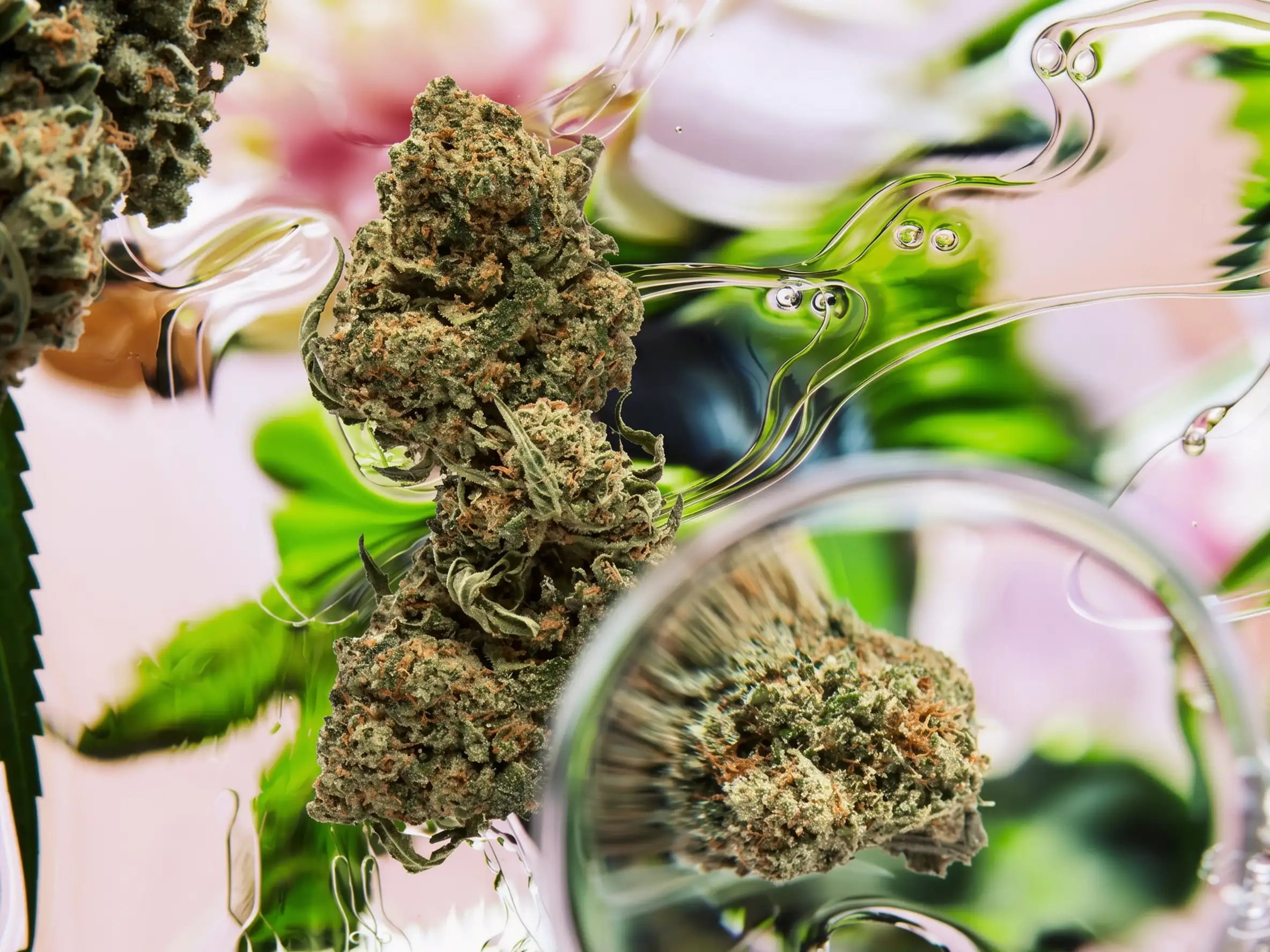
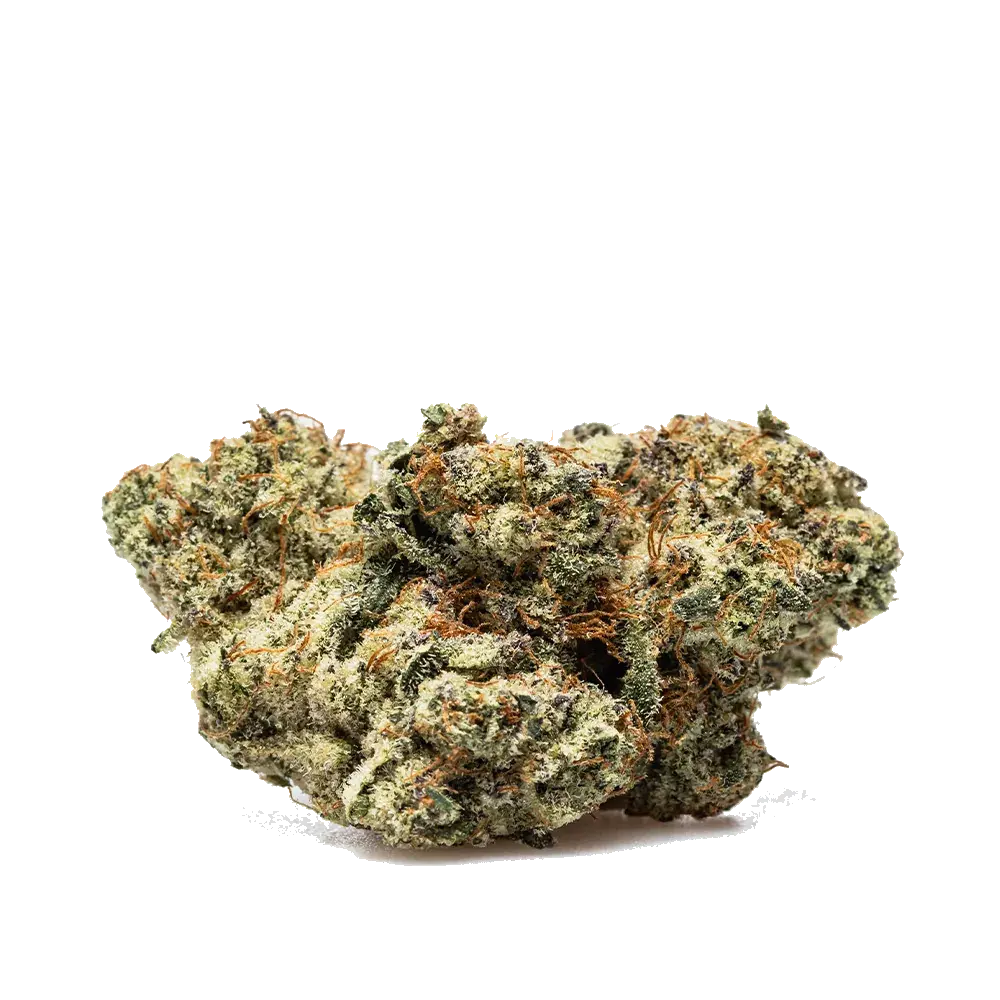
Strawberry Payton's Usa — CBD 11.58 %
Earthy and spicy aromatic profile, carried by myrcene.
From€2.05/g
Batch PG-26-EE2411.6 % CBD
CBD Flowers from the Phytogrammes catalogue: formats, prices and available traceability information on each product page.
72 references
72 products
Members-only code
It shows here once your account is created. Valid once per customer. Already a member?
The growing method changes how even a batch is, how dense the buds are and the price per gram. It does not change legality. Indoor flowers grow under controlled light and come out dense and uniform; greenhouse growing combines natural light with shelter; outdoor depends on the weather, is harvested in autumn and gives more variable batches, at a lower price per gram. In all three cases, check where the displayed percentage comes from: a product reference profile does not replace an analysis of the batch. The three growing methods, in detail.
Hydro growing is soil-free, indoors or in a greenhouse: the roots sit in a nutrient solution, or in an inert substrate watered with that solution. The growing method shown for a flower is the producer's declaration, which only a document linked to the batch can confirm. The Journal explains what the organic label guarantees.
CBD flower is sold in three formats that come from the same plant: whole buds, small buds and trim. A bud is the whole flower from the upper branches, manicured after harvest. Small buds are smaller flowers, picked from the lower branches or sorted out by size, depending on the producer. Trim gathers the sugar leaves cut off during manicuring: they carry trichomes, less evenly than the flower, and most often serve as raw material for extracts such as rosin.
These trade words describe a size or a part of the plant, not a potency. Where a flower grew on the plant does matter: in a study published in 2022, axillary flowers from the lower part of the plants contained up to 90% fewer cannabinoids than the top flower (Danziger and Bernstein, Frontiers in Plant Science). Size alone is therefore no way to judge a batch; only that batch's certificate gives its content. Small buds and trim: what smaller flowers are worth.
Three factors set the price per gram of a flower: the growing method, the size grade and the quantity bought. Outdoor sells for less than indoor, which needs controlled light and climate; small buds sell for less than whole buds; and most product pages apply tiered pricing, where the gram gets cheaper at each weight tier. A low price says nothing, on its own, about CBD content.
To compare two flowers, set the price against the content. A 10% level means 100 mg of CBD per gram: at the same price, a 10% flower holds twice as much CBD as a 5% flower. On our product pages, that percentage remains a reference value until the batch certificate is published; the calculation then compares two references, not two measurements.
The CBD level shown on a product page is a reference value as long as the “Certificate of analysis” line in the “Product traceability” section reads “Not published”. The cannabinoid panel is then titled “Reference cannabinoid profile” and carries the note “Certificate not published”: its percentages describe the product in the catalogue, they do not measure the batch on sale. When a dated certificate is attached to the batch, the line reads “Published” and the panel shows “Certificate of analysis available”.
A high percentage only becomes verifiable with that certificate; neither the variety name nor the look of the flower can stand in for it. Our laboratory page explains the difference between a reference profile and an analysis report.
A flower analysis gives four useful readings. The cannabinoid profile states CBD and Δ⁹-THC as a percentage of dry mass: that figure, not the one advertised in a shop, is the one that counts. The terpene profile lists the molecules behind the aroma (myrcene, limonene, pinene, β-caryophyllene), useful for comparing two varieties by smell. The heavy metals and pesticides sections should show values below the limits, not empty boxes. Finally, the batch number printed on the label must match the one on the analysis exactly: one batch, one analysis, no range-wide averages.
To check an analysis, look at the laboratory named, the date and whether the batch number matches. Accreditation cannot be inferred from the word laboratory: it has to be verifiable with the body that issued it. The lines to read on a certificate of analysis are set out in the Journal.
A variety name points to a lineage and an aromatic signature, not to a composition. Lemon Haze belongs to the Haze family, and the history of Lemon Haze traces one branch of it. The same name can also cover different products: the catalogue lists several product pages under the same variety name, with distinct reference profiles.
The aroma comes from terpenes, volatile molecules such as myrcene, limonene, pinene or β-caryophyllene, which our article on hemp terpenes describes. An aromatic description is not a measurement of those terpenes: measured levels come with their own report.
Keep it in its original container, closed, away from light, heat and humidity, between 10 and 20 °C. A 62% humidity-control pack keeps the flower stable; an opaque glass jar suits longer storage. Light, heat and air degrade the terpenes first: well-stored flower keeps its aromatic profile for several months. The storage guide.
Flower that was poorly dried retains moisture that exposes it to mould. The signs of mouldy flower and the role of drying and curing are covered in the Journal.
Varieties listed in the EU common catalogue and Δ⁹-THC strictly below 0.30% in the finished product: that is the framework set by the French order of 30 December 2021 and by the Conseil d'État ruling of 29 December 2022 (no. 444887), which annulled the ban on selling raw flowers and leaves. Sale is restricted to adults. Products for adults only, not intended for ingestion. They are not medicines and no property is claimed. The batch number appears on the label; the documents available are listed on the product page.
A CBD flower is the dried flowering top of a hemp variety rich in cannabidiol (CBD) and low in Δ⁹-THC. Its cannabinoids and terpenes are concentrated in the trichomes, the resin glands that cover the flower. It is sold as whole buds, small buds or trim.
The growing method changes how even a batch is, not its legality. Indoor grows under controlled light and gives dense, uniform flowers; greenhouse combines natural light and shelter; outdoor depends on the weather and gives more variable batches. In all three cases, check the source of the percentage shown: the product reference database or a laboratory report.
A bud is the whole flower from the upper branches; small buds are smaller flowers, from the lower branches or sorted by size depending on the producer; trim gathers the sugar leaves cut off at manicuring. These words describe a size or a part of the plant: a batch's content is checked on its certificate, whatever the format.
Set the price against the content: a 10% level means 100 mg of CBD per gram, so at the same price a 10% flower holds twice as much CBD as a 5% flower. On our product pages, that percentage remains a reference value until the batch certificate is published. The weight tier counts too: most product pages apply tiered pricing.
A percentage expresses a share of mass: 10% means 100 mg per gram. On our product pages, the note “Certificate not published” marks a reference value from the catalogue. The percentage only becomes a verifiable analysis if a dated certificate for the batch allows it to be checked.
No. A variety name points to a lineage and an announced aromatic signature, not a composition: the aroma comes from terpenes such as myrcene, limonene or pinene, and an aromatic description is not a measurement of those molecules. The catalogue also lists several product pages under the same variety name, with distinct reference profiles.
Yes, on two conditions: a variety listed in the EU common catalogue and Δ⁹-THC strictly below 0.30% in the finished product, in line with the Conseil d'État ruling of 29 December 2022. A batch's compliance has to be checked against its report; an internal profile is not enough.
The flower is the dried top of the plant; resin concentrates the trichomes separated from that flower, dry or in ice water, then pressed or left as a powder. The 0.30% Δ⁹-THC threshold applies to both. The CBD resin and hash family presents the other side.
In its original container, closed, away from light, heat and humidity, between 10 and 20 °C. A 62% humidity pack keeps the flower stable; an opaque glass jar suits longer storage.