← Journal/18 May 2026·4 min de lecture
Buying a quality CBD product in France: a practical guide
Par The Phytogrammes team ·
A quality CBD product states a clear cannabidiol content, comes with a certificate of analysis (CoA) from an independent laboratory, has a THC content at or below 0.30 % of the finished product, and contains no HHC, H4CBD or THCP, all classified as narcotics. The DGCCRF found around 15 % non-compliance across the market in 2024.
The state of the French market
The French CBD market had around 2,000 physical points of sale in 2024-2025, after peaking at more than 2,500 shops in 2023. E-commerce is thought to account for 35 to 40 % of the sector's turnover, according to estimates by the UPCBD. That diversity comes with real variability in quality, the DGCCRF having found around 15 % non-compliance among the products it inspected in 2024.
The criteria to check before buying
The batch's certificate of analysis (CoA) is the central document: issued by a third-party laboratory, it attests to the real CBD concentration, the THC content, and the absence of pesticides, heavy metals, residual solvents and prohibited cannabinoids. A serious brand makes it available via a QR code or on request; its absence is a warning sign.
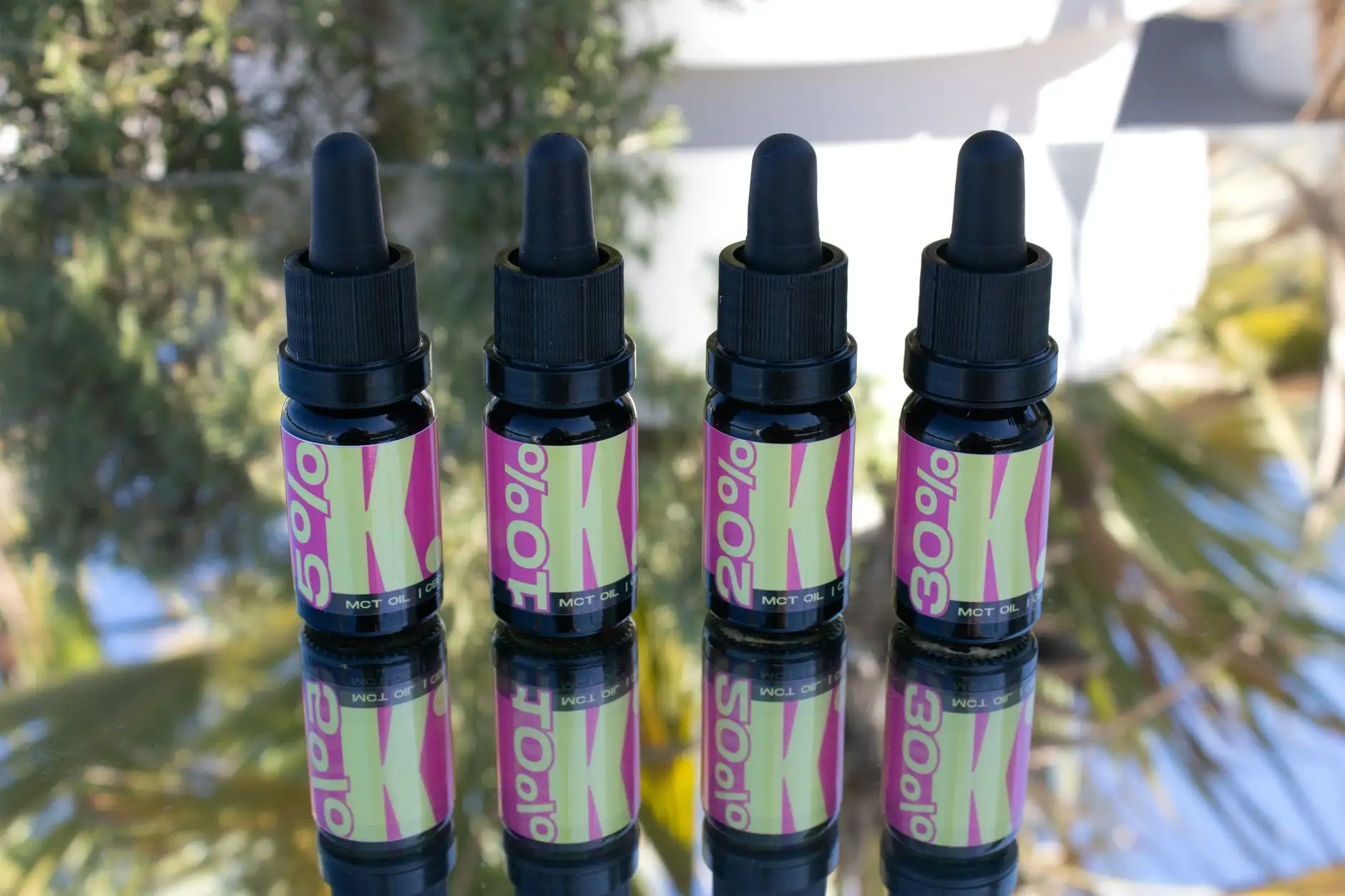
Next, check the hemp variety, which must appear in the common European or French catalogue, the extraction method (supercritical CO₂ or food-grade ethanol are the two recognised industrial methods), the stated CBD content in milligrams, and the carrier oil for sublingual oils (MCT, hemp seed or olive). Packaging matters too: amber glass protects against UV, and the batch number and use-by date must be visible.
Warning signs to steer clear of
Several signals should make an attentive buyer step back: therapeutic claims such as "treats insomnia" or "natural painkiller", which expose the seller to reclassification as a medicine by presentation; mentions of HHC, H4CBD or THCP, classified as narcotics by the ANSM since 2023-2024; promises of "100 % THC-free" not backed by a recent CoA; an abnormally low price; or a missing batch number.
Physical shop or online purchase?
Both channels are permitted, online sales remaining possible after article 23 of the 2026 budget bill was withdrawn on 21 January 2026. In a shop, you get personal advice and the chance to judge the seller's seriousness on the spot. Online, check the reviews, the transparency around CoAs and the returns policy.
Special cases: ingestibles, cosmetics, e-liquids
Since 15 May 2026, the DGAL has strictly applied the Novel Food regulation: CBD food products (gummies, infusions, drinks, capsules) without an approved dossier are withdrawn from the market, while oils reclassified as cosmetics remain permitted. CBD cosmetics fall under European regulation 1223/2009, CBD having been listed in the CosIng database since February 2021. E-liquids follow directive TPD 2014/40/EU: bottles of 10 mL maximum, notification to ANSES six months before being placed on the market. To go further into dosage and concentration, our article on finding the right CBD concentration rounds out this guide.
CBD is not a medicine. If you have a medical condition or a persistent symptom, consult a healthcare professional.
Frequently asked questions
Where can you find a product's certificate of analysis?
On the brand's website, often via a QR code on the packaging, in the shop by asking the seller, or by email to customer service. The absence of a CoA is a strong warning sign.
Does an organic label guarantee quality?
An organic product guarantees the absence of synthetic pesticides on the raw material, but that does not remove the need for a CoA, which also checks the CBD content, the THC and extraction residues.
Can a CBD shop sell HHC?
No. HHC and its derivatives have been classified as narcotics since June 2023, and several other cannabinoids since June 2024. Selling them is prohibited and criminally punishable.
Should you be wary of brands with no track record?
Not necessarily. A new brand can be a serious one if it publishes its CoA, its sourcing, its extraction method and compliant labelling. The absence of those elements, on the other hand, should give you pause.
Written by the Phytogrammes team
Every article in this journal draws on primary sources (ANSM, EFSA, EUR-Lex, peer-reviewed publications) and on the lab's own practice: batch-by-batch HPLC analyses, measured cannabinoid profiles. Our approach.
Article published on . CBD is not a medicine.
Phytogrammes products that pair well
Further reading
chanvre·18 May 2026
The history of hemp in France and Europe: key milestones
A short history of hemp growing in France, from Antiquity to today's CBD sector, with its regulatory and industrial milestones.

homeostasie·18 May 2026
Homeostasis: definition and its link with the endocannabinoid system
Homeostasis is the body's capacity to maintain a stable internal balance. Discover the role of the endocannabinoid system and what is known about CBD.
cbd·18 May 2026
CBD oil: reported consumer uses and the legal framework
What French CBD oil consumers report, what science documents cautiously, and the legal framework applicable since 2026.