← Journal/18 May 2026·4 min de lecture
CBD oil: reported consumer uses and the legal framework
Par The Phytogrammes team ·
No French authority (ANSM, HAS, EFSA, ANSES) has validated a health claim for CBD oil. Consumers mainly report using it for stress, sleep and general discomfort, according to an IFOP survey. Its legality depends on a finished product containing at most 0.30 % THC, and CBD food supplements without Novel Food authorisation have been withdrawn from the market since 15 May 2026.
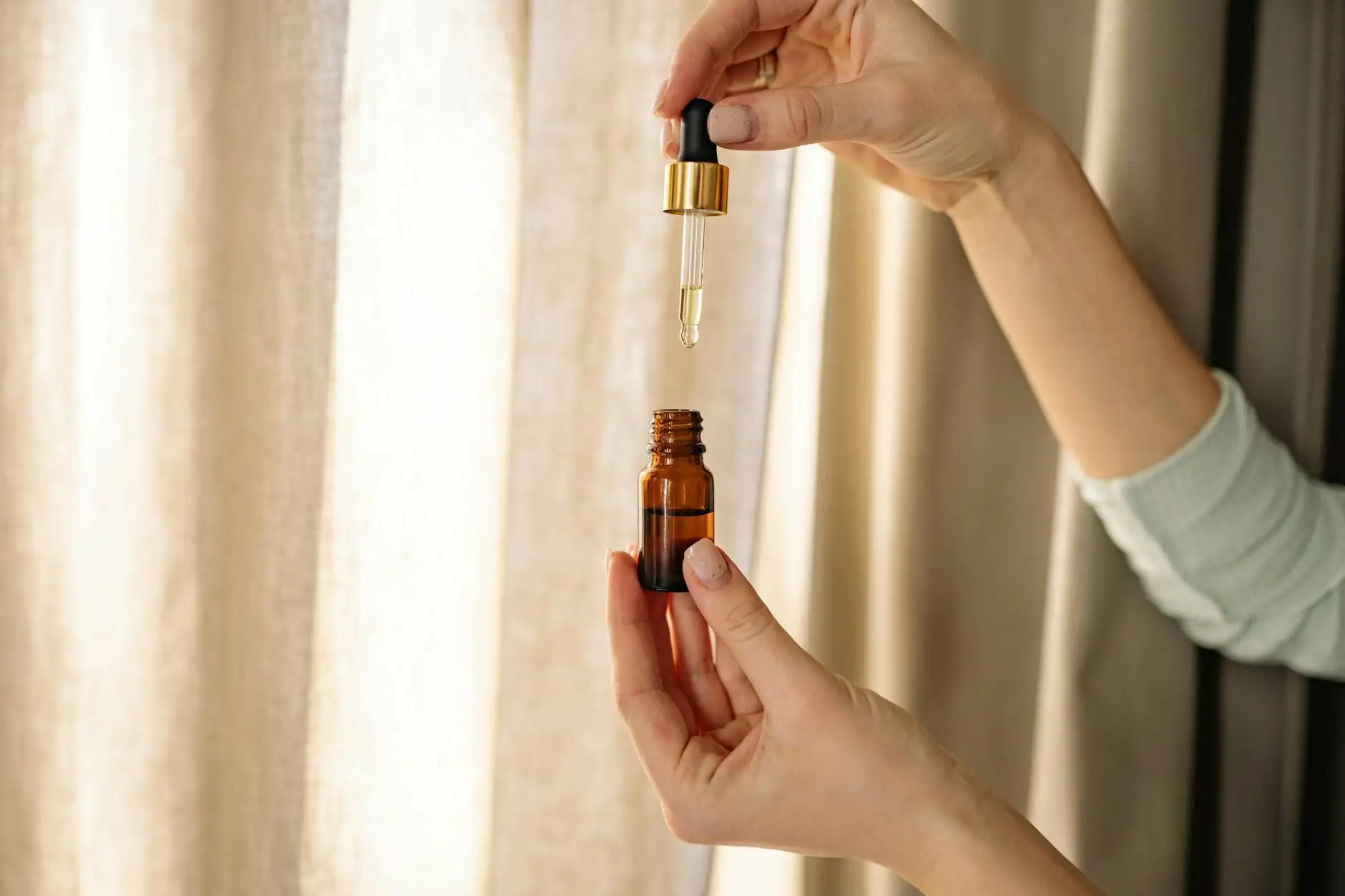
What a CBD oil is
A CBD oil is a hemp extract diluted in a vegetable oil (MCT, hemp, olive). A distinction is made between full spectrum, which retains the minor cannabinoids and up to 0.30 % THC, broad spectrum, without THC but with the other compounds, and isolate, CBD purified to 99 %. Common concentrations range from 5 to 30 % CBD, or 500 to 3,000 mg per 10 ml bottle.
What French consumers report
According to the IFOP 2022 survey commissioned by 60 millions de consommateurs, regular users cite managing stress and anxiety (≈ 43 %), sleep disturbance (≈ 39 %), chronic or occasional pain (≈ 26 %) and the search for relaxation (≈ 24 %). These figures are statements of use, not proof of efficacy: they authorise no brand to present these uses as validated benefits.
Why claims remain prohibited in France
European regulation 1924/2006 governs health claims, and none is entered in the European register for CBD. Any assertion of the "reduces stress" or "improves sleep" type reclassifies the product as a medicine by presentation, within the meaning of article L.5111-1 of the French Public Health Code. MILDECA reminds us that no therapeutic benefit is demonstrated and that these claims remain prohibited.
What the research is exploring, cautiously
A few clinical studies suggest an effect on social anxiety at doses of 300 to 600 mg in a single intake, far above the dosages usually found in shops. A 2019 observational study of 72 adults showed an improvement in the sleep score of some participants, without a placebo group. For pain, a few pieces of work suggest a signal in chronic patients, with no robust meta-analysis to date; the HAS has not included wellness CBD in its recommendations.
The practical legal framework in 2026
The finished product must contain at most 0.30 % THC, in accordance with the Conseil d'État decision of 29 December 2022. Synthetic cannabinoids (HHC, H4CBD, THCP) have been banned since June 2024. Since 15 May 2026, CBD food supplements without Novel Food authorisation have been withdrawn from the market, which includes sublingual oils sold as supplements. The EFSA provisionally safe daily intake, published on 9 February 2026, is 0.0275 mg/kg/day, or roughly 2 mg/day for 70 kg.
How to choose a serious oil
Check the concentration in mg/ml, the cannabinoid profile, the stated THC content and the origin of the hemp. Insist on a certificate of analysis from a third-party laboratory confirming the absence of pesticides, heavy metals and synthetic cannabinoids. A serious 10 ml oil at 10 % generally costs between €40 and €80; a very low price should raise a flag. Our CBD buying guide sets out these criteria in detail.
Essential precautions
Use is not advised for pregnant and breastfeeding women, ANSES having proposed in 2025 that CBD be classified as presumed toxic for reproduction. It is likewise not advised for minors. A full-spectrum product may lead to a positive saliva test at the wheel. CBD inhibits CYP3A4 and CYP2C19: pharmaceutical advice is essential in the case of chronic treatment.
CBD is not a medicine. In case of stress or persistent difficulties, consult a healthcare professional.
Frequently asked questions
How many drops to start with?
For a 10 % oil (about 5 mg per drop), 1 to 2 drops sublingually, once or twice a day, adjusting over 7 to 10 days.
Full spectrum or isolate?
Full spectrum offers a presumed entourage effect but leaves traces of THC detectable in saliva screening. Isolate is neutral on that point, without the claimed effect.
Is CBD oil reimbursed?
No. Only Epidyolex®, a purified CBD, is reimbursed for certain rare epilepsies on hospital prescription. That is not the same thing as a wellness oil sold freely.
Is CBD oil addictive?
The WHO considered in 2017 that pure CBD presents no potential for abuse or dependence, which does not remove the need for the usual precautions.
Written by the Phytogrammes team
Every article in this journal draws on primary sources (ANSM, EFSA, EUR-Lex, peer-reviewed publications) and on the lab's own practice: batch-by-batch HPLC analyses, measured cannabinoid profiles. Our approach.
Article published on . CBD is not a medicine.
Phytogrammes products that pair well
Further reading

securite-cbd·18 May 2026
Is CBD oil safe? What the agencies say in 2026
EFSA, ANSES, ANSM: what the health agencies publish on CBD safety, between a provisional daily dose and a proposed reprotoxic classification.
huile-cbd·18 May 2026
CBD oil, hemp seed oil, cannabis oil: the differences
Three oils, three parts of the plant, three legal frameworks: what sets CBD oil, hemp seed oil and cannabis oil apart.
huile-cbd·18 May 2026
CBD oil: a beginner’s guide to getting started calmly
The sublingual route, gradual dose adjustment and a daily routine: a practical guide to starting CBD within the French 2026 framework.