← Journal/18 May 2026·4 min de lecture
CBD oil: a beginner’s guide to getting started calmly
Par The Phytogrammes team ·
CBD oil is mainly taken sublingually: place the drops under the tongue, wait 60 to 90 seconds, then swallow. To get started properly, begin with a small quantity, 5 to 10 mg of CBD once or twice a day, and adjust over two to four weeks. The French 2026 framework has pushed oils sold as food supplements off the market: choose a product whose presentation is unambiguous.
Step 1: choose a compliant product
Check the CBD concentration stated in mg, that the hemp variety is listed in the common catalogue, the extraction method, a certificate of analysis accessible by batch number, and a THC level below the legal threshold of 0.30 %. Since 15 May 2026, oils sold as food supplements have been withdrawn from the market without Novel Food authorisation; those presented as cosmetics or for external use may still be marketed.
Step 2: settle on a starting quantity
No therapeutic dosage is approved by the French authorities. The practical approach is to start low and increase gradually: 5 to 10 mg once a day for the first two weeks, then 10-15 mg or a second intake if nothing is felt. To place the official thresholds in context, EFSA published on 9 February 2026 a provisionally safe daily dose of 0.0275 mg/kg/day, or around 2 mg/day for a 70 kg adult, well below the common usage quantities of 10 to 30 mg.
Step 3: the sublingual route, step by step
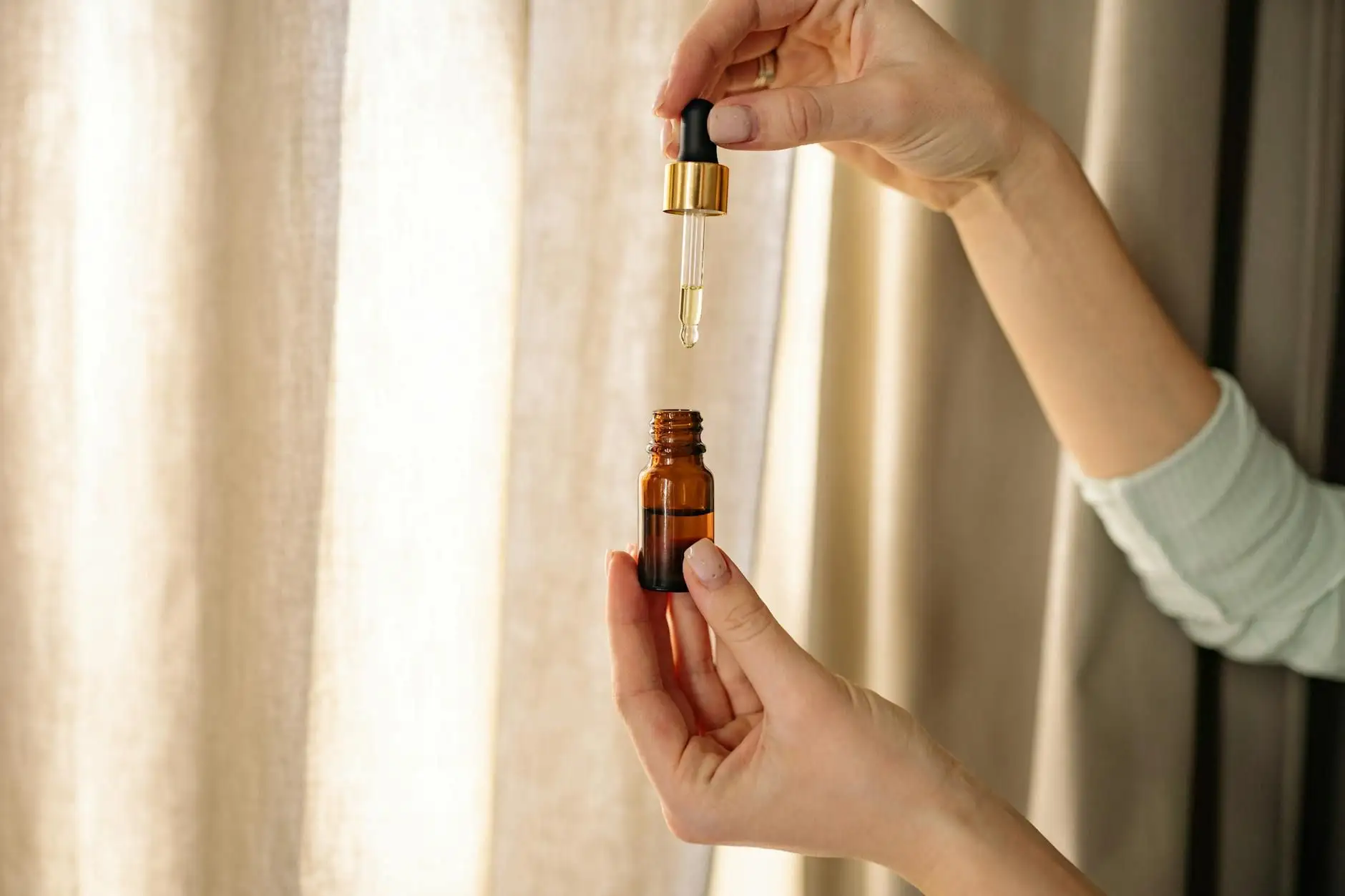
Shake the bottle before use, fill the pipette by gently squeezing the cap, place the drops under the tongue without touching the pipette to it, wait 60 to 90 seconds to allow absorption through the oral mucosa, then swallow what remains. The perceived effect, where there is one, appears within 15 to 45 minutes.
Step 4: build a daily ritual
Regular use counts for more than occasional use. Pick a fixed time of day, stay with the same product throughout your adjustment phase, and keep a logbook noting the time, the quantity and how you felt. It is the single most useful tool for fine-tuning your practice over time.
Mixing the oil into a drink or food
This is possible, but it changes the absorption kinetics: the effect arrives later, at 60 to 120 minutes, and bioavailability falls because of first-pass hepatic metabolism. Avoid pouring the oil into a very hot drink (above 80 °C), which degrades some of the compounds; opt for a lukewarm drink or add the oil at the end of preparation.
If nothing happens after several weeks
Several hypotheses are worth considering: too small a quantity, a product of variable quality (check the CoA), an unsuitable route, or unrealistic expectations. CBD is not a medicine; its effect is neither guaranteed nor reproducible from one person to the next. Our article on the reasons why CBD produces no felt effect sets out these avenues in detail.
Precautions
Use remains inadvisable for pregnant or breastfeeding women, women of childbearing age, minors and people on medical treatment, because of documented interactions via the cytochrome P450 enzymes. Full-spectrum oil contains traces of THC and can produce a positive saliva test at the wheel: it is better to avoid driving in the hours following an intake.
CBD is not a medicine. If medical symptoms persist, consult a health professional.
Frequently asked questions
How long before an effect is felt?
Taken sublingually, the first sensations can appear between 15 and 45 minutes. Swallowed or mixed into a drink, the oil takes 60 to 120 minutes. Some users feel nothing at all, even with a compliant product.
Should the oil be taken in the morning or the evening?
There is no absolute rule. What matters is a fixed moment held to over time. Some prefer the evening, others the morning; observe and adjust over two to four weeks.
Can the oil be mixed into food?
Yes, by adding it at the end of preparation, away from intense heat. A meal containing fats improves the bioavailability of CBD, which is fat-soluble.
What should I do if I exceed my usual quantity?
Drowsiness, diarrhoea and reduced appetite are the common adverse effects of an excess. Leave a longer gap before the next intake and return to your usual quantity; consult a doctor if symptoms persist.
Written by the Phytogrammes team
Every article in this journal draws on primary sources (ANSM, EFSA, EUR-Lex, peer-reviewed publications) and on the lab's own practice: batch-by-batch HPLC analyses, measured cannabinoid profiles. Our approach.
Article published on . CBD is not a medicine.
Phytogrammes products that pair well
Further reading
cbd·18 May 2026
THC-free CBD oil: why and how to choose it
A broad-spectrum CBD oil or a THC-free isolate limits the risk of a positive drug test. Here is how to read a certificate of analysis and make the right choice.
huile-cbd·18 May 2026
Full-spectrum CBD oil: why is it so widely chosen?
Minor cannabinoids, terpenes and the presumed entourage effect: what sets a full-spectrum CBD oil apart, within the French 2026 framework.
cbd-cbn·18 May 2026
CBD oil vs CBN for the evening ritual: which format in France?
An overview of the CBD and CBN formats still authorised in France for an evening ritual, since the Novel Food withdrawal of 15 May 2026.