← Journal/18 May 2026·5 min de lecture
CBD oil vs CBN for the evening ritual: which format in France?
Par The Phytogrammes team ·
Since 15 May 2026, the European Novel Food regulation has applied strictly to ingested CBD products in France: gummies, capsules and bud-based infusions without European authorisation are being withdrawn from the market. Oils for external use, cosmetics and flowers for inhalation remain authorised. Here are the formats that still hold up for an evening ritual, between CBD and CBN.
What the Novel Food regulation changed
In spring 2026, the DGAL tightened its application of the European Novel Food regulation (EU) 2015/2283. Gummies, capsules, drinks and bud-based infusions must hold a European authorisation to be sold as foods. The EFSA's assessment of CBD has been suspended since 2022 over toxicological gaps: in the absence of authorisation, these products are withdrawn.
Oils for external use, flowers for vaporising and cosmetics remain authorised, on the stable basis of the Conseil d'État decision of 29 December 2022. For the full detail of the 2026 framework, see our round-up of CBD regulation.
The daily dose the EFSA provisionally considers safe
In February 2026 the EFSA published a provisionally safe daily dose of 0.0275 mg of CBD per kg of body weight, that is roughly 2 mg a day for a 70 kg adult. That threshold, calculated with an uncertainty factor of 400, excludes the under-25s, pregnant or breastfeeding women and people on medication.
In practice, most CBD oils sold in shops exceed this dose from the very first serving recommended on the label. This is not a problem of usage, but a reminder that CBD remains a product to be handled with measure, not an innocuous food.
CBD and melatonin: a pairing in the grey zone
CBD gummies combined with melatonin, very widespread abroad, run into two French difficulties at once. CBD, as a food product, has fallen under the Novel Food regime since May 2026. Melatonin, for its part, is capped at 1.9 mg a day in a food supplement by the ANSES: beyond that, it counts as a medicine, like the branded product Circadin®. Yet most imported gummies contain 3 to 10 mg per dose, which makes them non-compliant in France, quite apart from the CBD question.
CBN, a status that is still unclear
Cannabinol (CBN) results from the natural degradation of THC. It is not on the ANSM's list of narcotics, unlike HHC or THCP. But as a new ingested ingredient, it has fallen under the Novel Food regime on the same footing as CBD since 15 May 2026. In cosmetic use, it remains simpler to market. The scientific data on its role in sleep remain preliminary: our CBN and sleep guide sets out what is known and what remains to be demonstrated.
Which formats to choose for an evening ritual
In the light of the May 2026 framework, several formats remain stable:
- CBD flowers for vaporising: legal since December 2022, for controlled inhalation.
- Leaf infusions, without buds: tolerated, for an evening herbal tea.
- CBD cosmetics (balm, massage oil): legal under the European cosmetics regulation.
- CBD e-liquids: legal under the TPD directive.
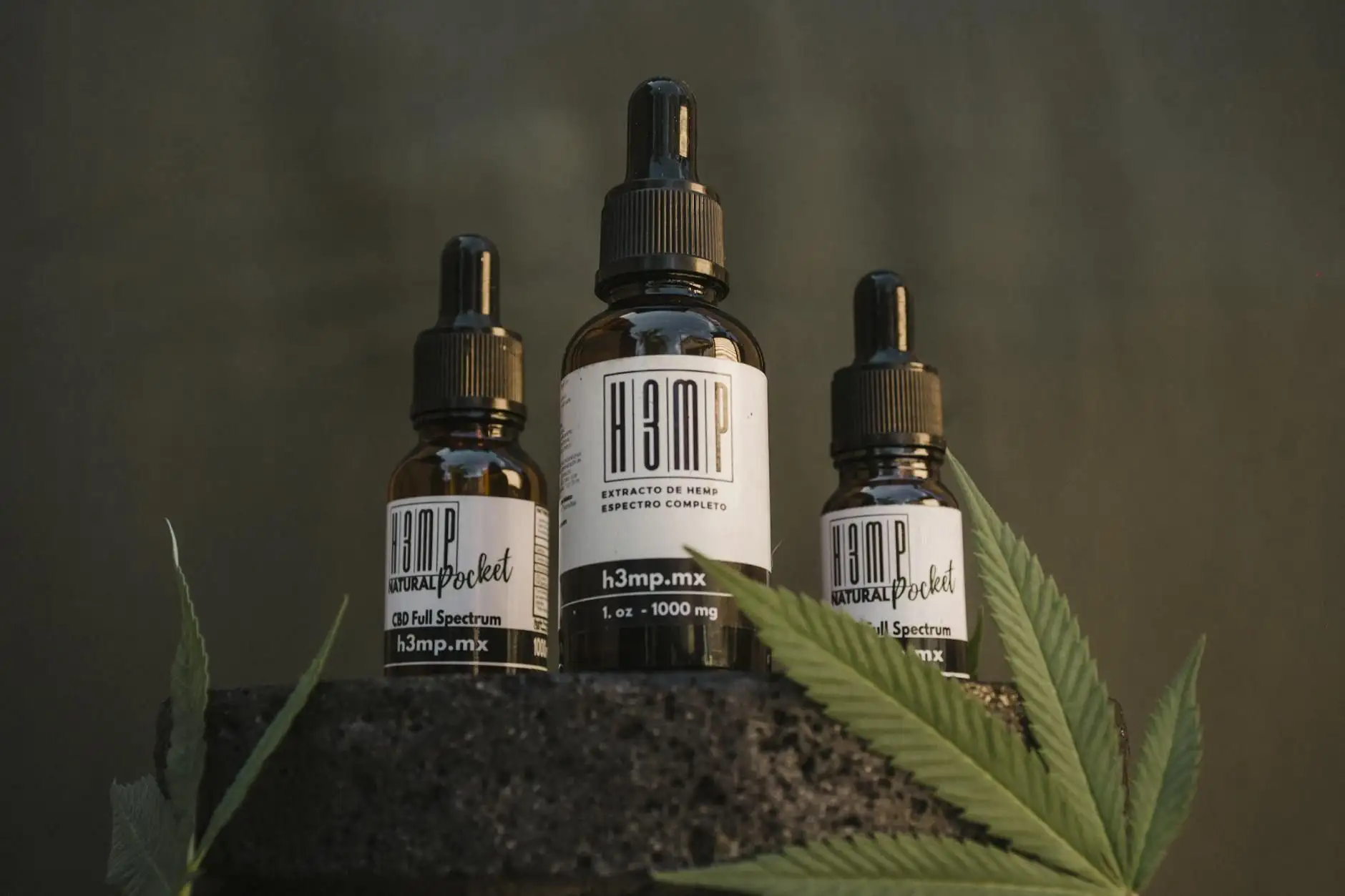
- Sublingual oil: mixed regime, to be checked according to how the product is presented (cosmetic or food).
- CBD and melatonin gummies: withdrawn from the legal market since May 2026.
Before any purchase, check for an independent certificate of analysis, a THC content in the finished product at or below 0.30%, and the absence of prohibited cannabinoids (HHC, H4CBD, THCP).
What these products do not replace
No French authority, neither the ANSM nor the HAS, has validated any therapeutic claim for CBD or CBN. These products are neither sleeping pills nor treatments for insomnia. Full-spectrum use can also produce a positive saliva test for THC at a roadside check, as the Cour de cassation confirmed in June 2023: better not to drive after taking it. Where sleep problems persist beyond three weeks, a medical consultation remains the most reliable course.
Frequently asked questions
Is CBN more effective than CBD for sleep?
No solid clinical data allows that to be asserted. Neither the EFSA nor the HAS has validated a comparative claim between the two cannabinoids on this ground. The data remain preliminary at this stage.
Is a sublingual CBD oil regarded as a food?
That depends on how it is presented. An oil sold as a cosmetic or for massage falls outside the Novel Food regime. Presented as a supplement to be ingested, it is directly subject to it.
Is melatonin at 5 mg sold freely in France?
No. Beyond 1.9 mg a day, the ANSES considers melatonin to be a medicine. High-dose imported gummies do not comply with French regulations.
How can I recognise a reliable CBD or CBN product?
Insist on a recent certificate of analysis, a THC content in line with the legal threshold and the absence of prohibited synthetic cannabinoids. Any therapeutic claim on the packaging should put you on alert: it is prohibited in France.
CBD and CBN are not medicines and are no substitute for medical advice.
Written by the Phytogrammes team
Every article in this journal draws on primary sources (ANSM, EFSA, EUR-Lex, peer-reviewed publications) and on the lab's own practice: batch-by-batch HPLC analyses, measured cannabinoid profiles. Our approach.
Article published on . CBD is not a medicine.
Phytogrammes products that pair well
Further reading
huile-cbd·18 May 2026
What is CBD oil? Definition, formats and uses
CBD oil is a hemp extract diluted in a vegetable carrier oil. Discover its formats (full spectrum, broad spectrum, isolate) and the French framework in 2026.
immunite·18 May 2026
Supporting your immunity day to day: sleep, nutrition, activity
Lifestyle benchmarks for supporting immune function, based on the recommendations of Santé publique France, ANSES and the WHO.

cadeaux·18 May 2026
Wellness gift ideas for very busy loved ones
Diffuser, notebook, infusions or CBD skincare: seven wellness gift ideas for an overstretched loved one, with no gadgets and no health promises.