← Journal/18 May 2026·4 min de lecture
Is CBD oil safe? What the agencies say in 2026
Par The Phytogrammes team ·
Pure CBD is not classified as dangerous at a moderate dose, but on 9 February 2026 the EFSA published a provisionally safe daily dose of 0.0275 mg/kg/day, around 2 mg/day for a 70 kg adult. The ANSES has also proposed a reprotoxic 1B classification at European level. Safety depends above all on the person's profile, the dose and the quality of the product.

Three agencies, three angles of analysis
Since 2024, the French debate has shifted towards the toxicology of the molecule itself and its regulatory status. The EFSA assesses CBD under the Novel Food Regulation. The ANSES handles French toxicovigilance and proposes classifications to the ECHA. The ANSM oversees medicines and classifies narcotic substances.
The EFSA's provisionally safe daily dose
On 9 February 2026, the EFSA published a provisionally safe daily dose of 0.0275 mg per kg of body weight per day, i.e. around 2 mg/day for a 70 kg adult. This threshold rests on an uncertainty factor of 400, calculated from hepatotoxic effects observed in animals, and excludes people under 25, pregnant women and breastfeeding women. The practical consequence: almost every CBD oil on the market (typically 10 to 60 mg per suggested dose) exceeds this provisional threshold, which explains the withdrawal of ingested products by the DGAL since 15 May 2026.
The ANSES proposal for a reprotoxic classification
In a statement of 19 June 2025, the ANSES submitted to the ECHA a proposal to classify CBD as presumed toxic to human reproduction, category 1B under the CLP Regulation, on the basis of animal studies showing damage to spermatogenesis and to perinatal development. If adopted, this classification would entail warning pictograms and a revision of regulatory thresholds. The ECHA's final decision is expected during 2026-2027.
Toxicovigilance reports in France
The ANSES 2024 toxicovigilance activity report lists around twenty alerts passed on to poison control centres concerning CBD products. In the majority of cases, the problem reported was not CBD itself but contamination by synthetic cannabinoids, a THC content above the legal threshold, or misuse. The ANSM responded with two waves of classifications, on HHC in 2023 and then on H4CBD, THCP and derivatives in June 2024.
Profiles advised against and documented adverse effects
Pregnant or breastfeeding women, women of childbearing age, minors, people on medical treatment and those with liver conditions are advised against using CBD, because of interactions via the cytochromes P450 (CYP3A4, CYP2C19) and the liver effects observed in the paediatric clinical trials of Epidyolex. The best-documented adverse effects remain drowsiness, reduced appetite and digestive disturbances, generally dose-dependent and reversible on stopping.
What the legal framework allows you to say
No medical claim is permitted for wellness CBD in France: neither “anti-inflammatory”, nor “relieves”, nor “natural alternative”. Only non-therapeutic wellness wording is acceptable. Since 2022, the DGCCRF has recorded an infringement rate of around 15% on claims and labelling. Our CBD buying guide sets out the quality criteria to insist on before buying.
CBD is not a medicine. In case of doubt, an adverse effect or an interaction with a treatment, consult a healthcare professional.
Frequently asked questions
Is CBD dangerous?
At moderate doses and with a compliant product, the available data do not identify an immediate danger for a healthy adult. The EFSA has nonetheless set a very low provisional threshold, and caution remains advisable.
How many mg a day does the EFSA consider safe?
0.0275 mg/kg/day, i.e. around 2 mg/day for a 70 kg adult. Most commercial oils exceed this threshold by a wide margin per suggested dose.
Does CBD interact with medicines?
Yes, via the cytochromes P450. Anticoagulants, antiepileptics and immunosuppressants may see their blood concentration altered. Always discuss it with a doctor before combining them.
What is the road risk with a full-spectrum oil?
It contains traces of THC, which can lead to a positive saliva test, regardless of the legality of the product purchased, as the Cour de cassation confirmed in 2023.
Written by the Phytogrammes team
Every article in this journal draws on primary sources (ANSM, EFSA, EUR-Lex, peer-reviewed publications) and on the lab's own practice: batch-by-batch HPLC analyses, measured cannabinoid profiles. Our approach.
Article published on . CBD is not a medicine.
Phytogrammes products that pair well
Further reading
huile-cbd·18 May 2026
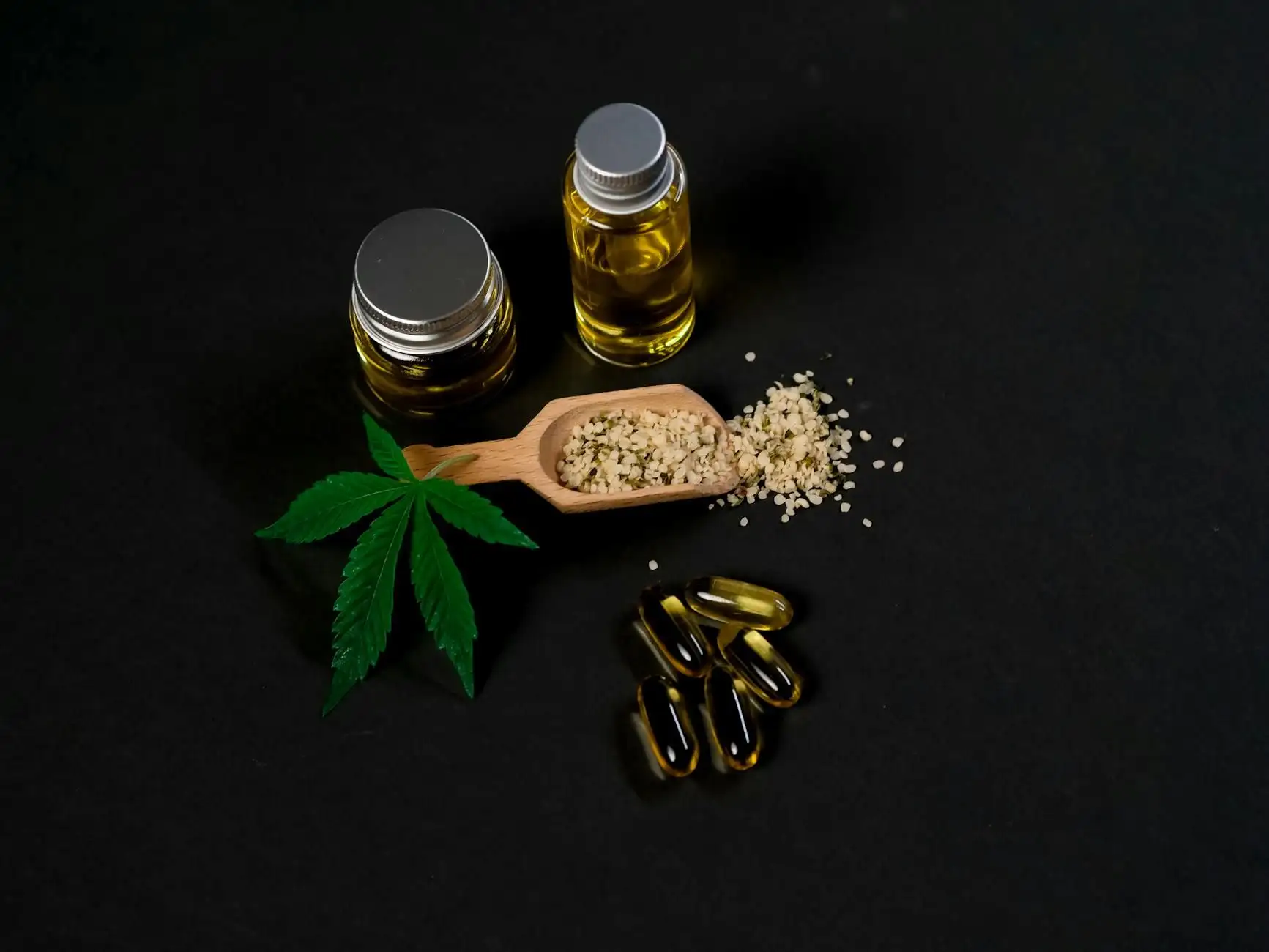
CBD oil, hemp seed oil, cannabis oil: the differences
Three oils, three parts of the plant, three legal frameworks: what sets CBD oil, hemp seed oil and cannabis oil apart.
huile-cbd·18 May 2026
CBD oil: a beginner’s guide to getting started calmly
The sublingual route, gradual dose adjustment and a daily routine: a practical guide to starting CBD within the French 2026 framework.
cbd·18 May 2026
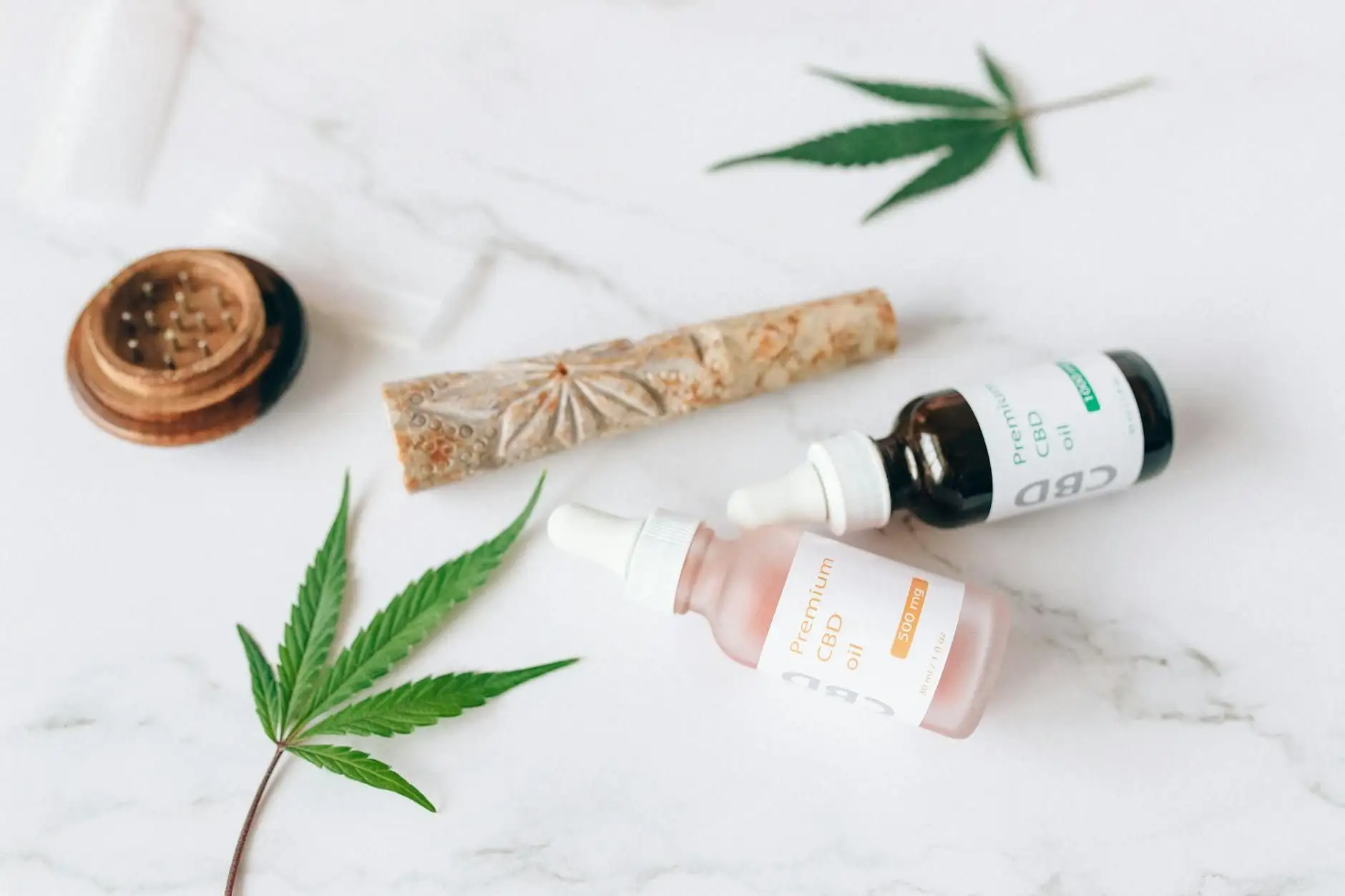
THC-free CBD oil: why and how to choose it
A broad-spectrum CBD oil or a THC-free isolate limits the risk of a positive drug test. Here is how to read a certificate of analysis and make the right choice.