← Journal/18 May 2026·5 min de lecture
CBD: how to find the concentration that suits you
Par The Phytogrammes team ·
The concentration shown on a bottle of CBD oil (5%, 10%, 20%...) indicates the proportion of CBD in the product, not the dose you take in with each use: that depends on the number of drops. The safest method is to choose the lowest concentration available, hold a stable dose for 7 to 10 days, then adjust gradually. In February 2026 the [EFSA](https://efsa.onlinelibrary.wiley.com/doi/10.2903/j.efsa.2026.9862) published a provisionally safe daily dose of around 2 mg per day for a 70 kg adult, a useful benchmark for calibrating a cautious starting point.
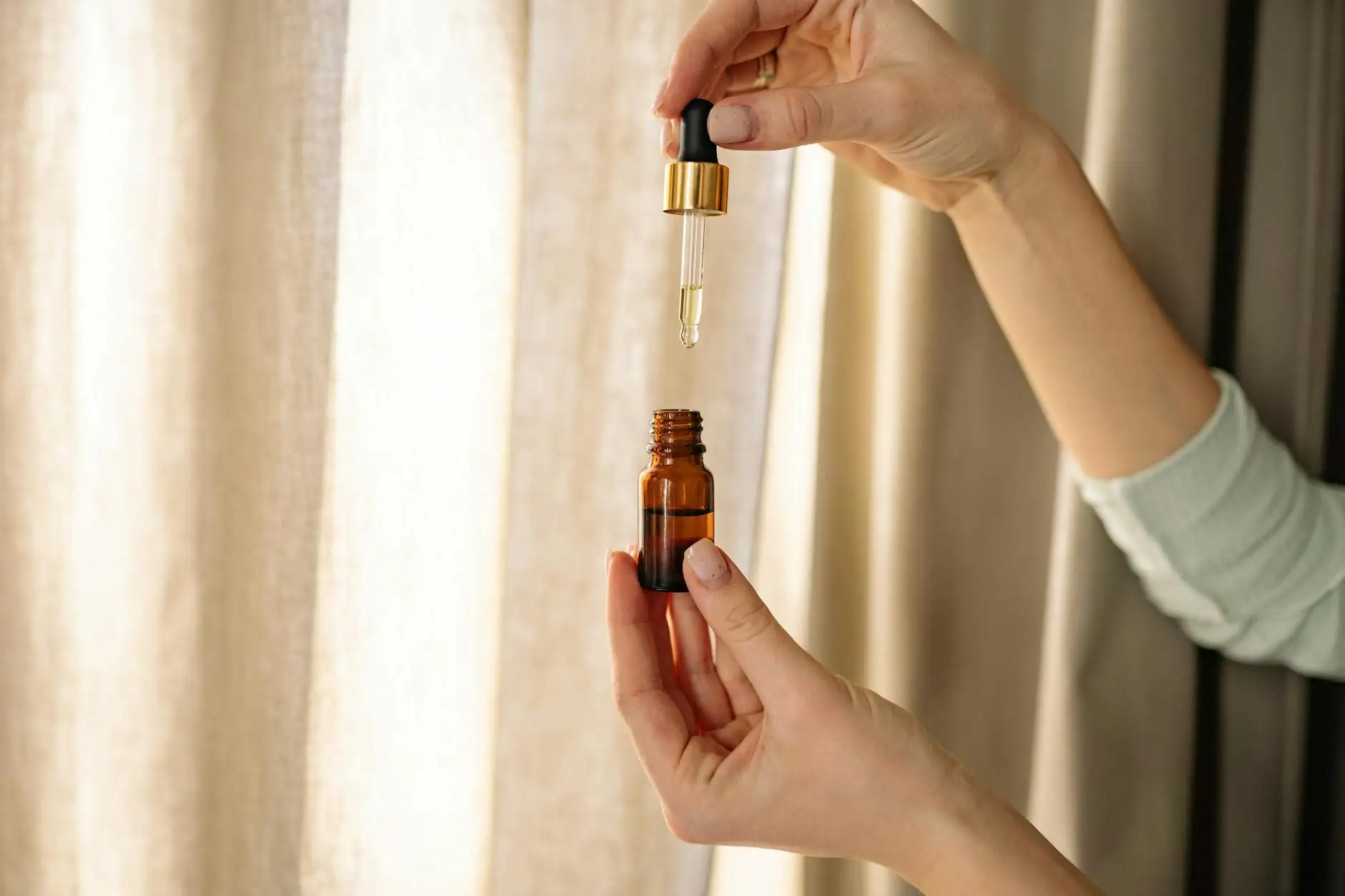
Concentration and dose: two things not to confuse
A "10%" oil contains 10 g of CBD per 100 g of product, or roughly 100 mg per ml. The amount taken in per dose depends on the number of drops, not on the stated percentage alone. A 5% oil delivers around 2.5 mg per drop; a 20% oil, around 10 mg per drop. Choosing a higher concentration therefore does not mean taking more CBD: it means each drop is more loaded, and that a miscount has greater consequences for the final dose.
The EFSA benchmark for a cautious start
On 9 February 2026 the European Food Safety Authority published a provisionally safe daily dose of 0.0275 mg per kilo of body weight, or around 2 mg per day for a person weighing 70 kg (EFSA, 2026). That figure remains far below the doses suggested by most manufacturers, often between 10 and 60 mg per day. It is not a mandatory limit but a precautionary benchmark: starting well below manufacturer doses remains consistent with the agency's position.
The "start low, go slow" method
The well-known "start low, go slow" rule remains the most sensible. First choose the lowest concentration on the market, generally 5%. Begin with one to two drops a day, at a fixed time - the evening is often preferred, because observing the following night's sleep is a simple reference point. Hold that dose for seven to ten days before considering any increase, then go up one drop at a time. Never double a dose from one day to the next: the aim is to find the minimum amount that matches how you feel, not to reach a particular figure.
Why the response varies from person to person
At an identical dose, two people may feel different effects. Liver metabolism (cytochrome P450 enzymes), body weight, taking the product with a fatty meal - which improves absorption according to a study published in Epilepsia (Birnbaum et al., 2019) - and any current medication all play a part. Stress, tiredness and the placebo effect also come into play. That is why keeping a simple diary - date, dose, sleep, sense of relaxation the next day - over four to six weeks gives a more reliable picture than an isolated impression after a single trial.
When to change concentration
Three situations come up often. If you feel nothing after four weeks at a stable dose, a gradual increase or a slightly higher concentration avoids having to swallow too large a volume. If you go through the bottle too quickly, a higher concentration reduces the volume needed for the same amount of CBD. If the effect you feel is too pronounced, go back to the previous dose for a week before adjusting. In every case, the goal remains the minimum comfort point, not the highest concentration available. To go further into dosage benchmarks, see our article on how much CBD to take.
Profiles advised against, and precautions
CBD is not recommended for pregnant or breastfeeding women - in June 2025 ANSES submitted a proposal to the European agency ECHA for classification as reprotoxic 1B (ANSES, 2025) -, for minors, or for people on medical treatment, because of possible interactions via liver enzymes. A legal reminder: on 21 June 2023 the Cour de cassation ruled that the commercial legality of a CBD product does not exempt a driver in the event of a saliva test positive for THC. CBD is not a medicine; if a problem persists, consult a healthcare professional.
Frequently asked questions
Do you need a high concentration to feel an effect?
No. A well-dosed 5% oil may be enough: the concentration mainly influences the volume needed to reach a given dose, not the effect itself. A high concentration is only genuinely useful when the volume required becomes too large.
How long before judging a dose?
Allow at least seven to ten days at a strictly constant dose, and ideally four to six weeks of diary keeping for a reliable assessment. Changing dose too quickly makes the observation hard to interpret.
Can you take several doses during the day?
Yes, some people split their daily dose into two intakes to smooth out the effect. Starting with a single intake remains simpler for observation; splitting should not mean increasing the total dose.
Should you take breaks?
No official rule requires it, and no documented dependence is associated with CBD. A break for observation every two to three months remains good practice for reassessing whether the approach still makes sense.
Written by the Phytogrammes team
Every article in this journal draws on primary sources (ANSM, EFSA, EUR-Lex, peer-reviewed publications) and on the lab's own practice: batch-by-batch HPLC analyses, measured cannabinoid profiles. Our approach.
Article published on . CBD is not a medicine.
Phytogrammes products that pair well
Further reading
cbd·18 May 2026
CBD or CBN: what are the chemical and legal differences?
Two cannabinoids from hemp, two distinct molecular histories. Here is what really separates CBD from CBN, chemically and legally.
cbd·18 May 2026
CBD or THC? The most persistent myths, untangled
The real differences between CBD and THC, French legal status, known effects and the confusions to avoid for consumers of hemp wellness products.
cbg·18 May 2026
CBG (cannabigerol): an introduction to the \"mother molecule\"
Why CBG is called the \"mother molecule\": the complete biosynthesis pathway, from olivetolic acid to CBD, THC and CBC.