← Journal/18 May 2026·7 min de lecture
Homeostasis: definition and its link with the endocannabinoid system
Par The Phytogrammes team ·
Homeostasis is the capacity of a living organism to maintain a stable internal balance (temperature, pH, blood sugar, hydration) despite variations in its environment. The endocannabinoid system, identified in the 1990s, plays a regulatory role in these processes. CBD modulates that system indirectly, without health authorities having validated any precise therapeutic effect in humans to date.

A fundamental physiological notion
The term "homeostasis" comes from the Greek hómoios (similar) and stásis (stable state). It was introduced by the American physiologist Walter Cannon in 1929 to describe what Claude Bernard had called, half a century earlier, the "fixity of the internal milieu". The idea is simple: every living being must keep certain internal parameters within a narrow range in order to function properly.
A few concrete examples. Human body temperature hovers around 37 °C: in heat, sweating and cutaneous vasodilation shed the excess; in cold, shivering and vasoconstriction limit the losses. Blood pH stays stable between 7.35 and 7.45 thanks to biochemical buffers. Blood sugar is held steady by the interplay of insulin and glucagon. Cellular hydration is regulated by the kidneys and antidiuretic hormones.
The mechanism: the negative feedback loop
Homeostasis works on a principle of negative feedback. A sensor (a sensory receptor, a specialised cell) detects a variation. The information is passed to an integrating centre (often the hypothalamus for the major physiological variables). A response is triggered to bring the variable back to its set point. Once balance is restored, the signal switches off.
Several systems take part in this regulation: the autonomic nervous system (sympathetic, parasympathetic), the endocrine system (thyroid, adrenal and pituitary hormones), the immune system, and the renal, respiratory and digestive systems. All of them communicate constantly to keep the internal milieu within limits compatible with cellular life.
The endocannabinoid system: a discreet conductor
Uncovered gradually from the late 1980s onwards, the endocannabinoid system (ECS) is one of the largest cell-signalling systems in the body. It has three components.
- Receptors: chiefly CB1 (concentrated in the central nervous system) and CB2 (found in immune cells, the spleen and peripheral organs). Other receptors (TRPV1, PPAR, GPR55) are also involved.
- Endogenous ligands known as endocannabinoids: the two main ones are anandamide (AEA) and 2-arachidonoylglycerol (2-AG), both derived from membrane fatty acids.
- Enzymes that synthesise and break down those ligands (FAAH for anandamide, MAGL for 2-AG).
According to the Inserm dossier on endocannabinoids, this system is involved in regulating appetite, sleep, pain, mood, memory, immune function and thermoregulation. Its main function, as formulated in the literature, is precisely to contribute to homeostasis.
Where does CBD fit into this picture?
Cannabidiol does not act like THC. THC binds directly to the CB1 receptors of the brain, which is what produces its psychoactive effect. CBD, by contrast, has a very low affinity for CB1 and CB2; it acts indirectly: it modulates the FAAH enzyme (slowing the breakdown of anandamide), interacts with the serotonergic 5-HT1A receptors, and activates the TRPV1 receptors.
This modulating action is the scientific argument often invoked to describe CBD as a "support" for the endocannabinoid system. A caveat, however: the clinical translation of these mechanisms in humans remains insufficiently documented. The EFSA has authorised no health claim for CBD. The ANSES even raised questions in 2025 about the safety of CBD for human reproduction, proposing to the ECHA a category 1B classification, "presumed toxic to reproduction".
What a consumer can and cannot expect
In French law, no brand may claim that CBD "regulates homeostasis", "relieves pain" or "reduces anxiety". These are medical or health claims requiring an authorisation under European regulation EC no. 1924/2006, an authorisation that does not exist for cannabidiol.
What a consumer can do: fold a CBD product into a wellbeing routine (an evening ritual, a pause in the day, a relaxation habit), while respecting the usual precautions. What they cannot do: substitute a wellbeing CBD for medical treatment, expect a defined therapeutic effect, or presume it is harmless for women who are pregnant or breastfeeding.
Precautions
As the ANSES pointed out in its 2024 opinion, the available toxicological data call for caution. CBD remains not advised for women who are pregnant, breastfeeding or of childbearing age, for minors, or for people on medical treatment (documented interactions with several medicines, notably anticoagulants and antiepileptics).
CBD is not a medicine. For any question relating to a physiological disorder, consult a healthcare professional.
Key points
- Homeostasis is the body's capacity to maintain a stable internal balance (Walter Cannon, 1929).
- The endocannabinoid system (CB1 and CB2 receptors and endocannabinoids) takes part in that regulation.
- CBD indirectly modulates this system, without binding to it the way THC does.
- No health claim is authorised for CBD in France or in Europe.
- For wellbeing use only, never as a substitute for medical treatment.
FAQ
What is negative feedback?
It is the mechanism by which the body mounts an opposing response to any variation in an internal parameter. For example: if body temperature rises, the body triggers sweating to bring it down; if it drops, it triggers shivering.
Was the endocannabinoid system discovered recently?
The first cannabinoid receptors were identified in 1988. The CB1 receptor was cloned in 1990, CB2 in 1993. Anandamide, the first endocannabinoid described, was isolated by Raphael Mechoulam's team in 1992.
Can CBD "rebalance" the body?
The scientific literature describes a modulating role for CBD on the endocannabinoid system, but the health authorities (ANSM, ANSES, EFSA) consider the clinical data in humans insufficient to validate a health claim.
Why is CBD not advised during pregnancy?
In 2025 the ANSES proposed to the European agency ECHA that CBD be classified as "presumed toxic to human reproduction" (CLP category 1B), on the basis of animal studies. As a precaution, its use is not advised for women who are pregnant, breastfeeding or of childbearing age.
To explore our selection of CBD products for everyday wellbeing, [browse our catalogue](/categorie-produit).
Sources
Written by the Phytogrammes team
Every article in this journal draws on primary sources (ANSM, EFSA, EUR-Lex, peer-reviewed publications) and on the lab's own practice: batch-by-batch HPLC analyses, measured cannabinoid profiles. Our approach.
Article published on . CBD is not a medicine.
Phytogrammes products that pair well
Further reading
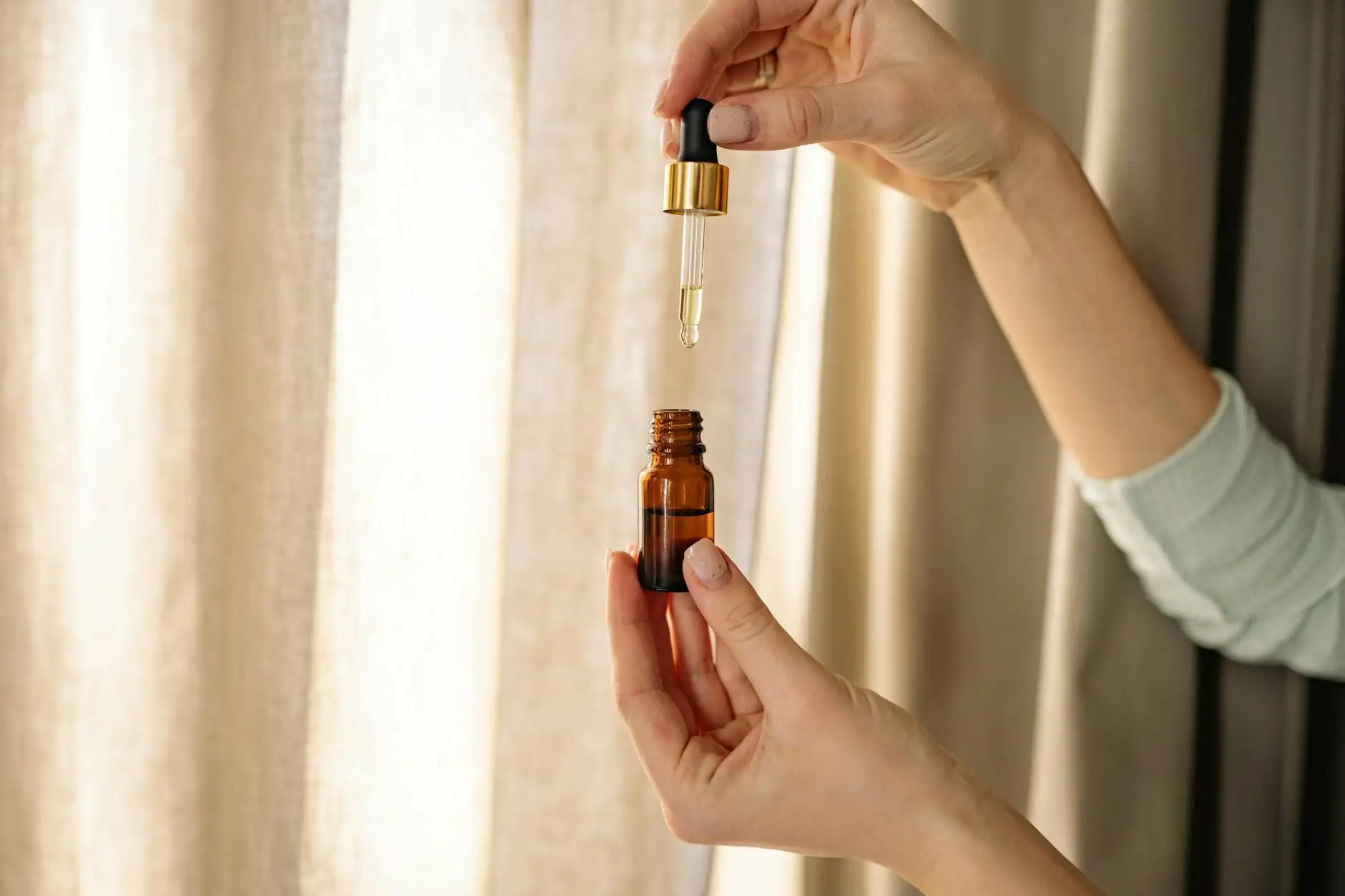
cbd·18 May 2026
CBD oil: reported consumer uses and the legal framework
What French CBD oil consumers report, what science documents cautiously, and the legal framework applicable since 2026.
securite-cbd·18 May 2026
Is CBD oil safe? What the agencies say in 2026
EFSA, ANSES, ANSM: what the health agencies publish on CBD safety, between a provisional daily dose and a proposed reprotoxic classification.
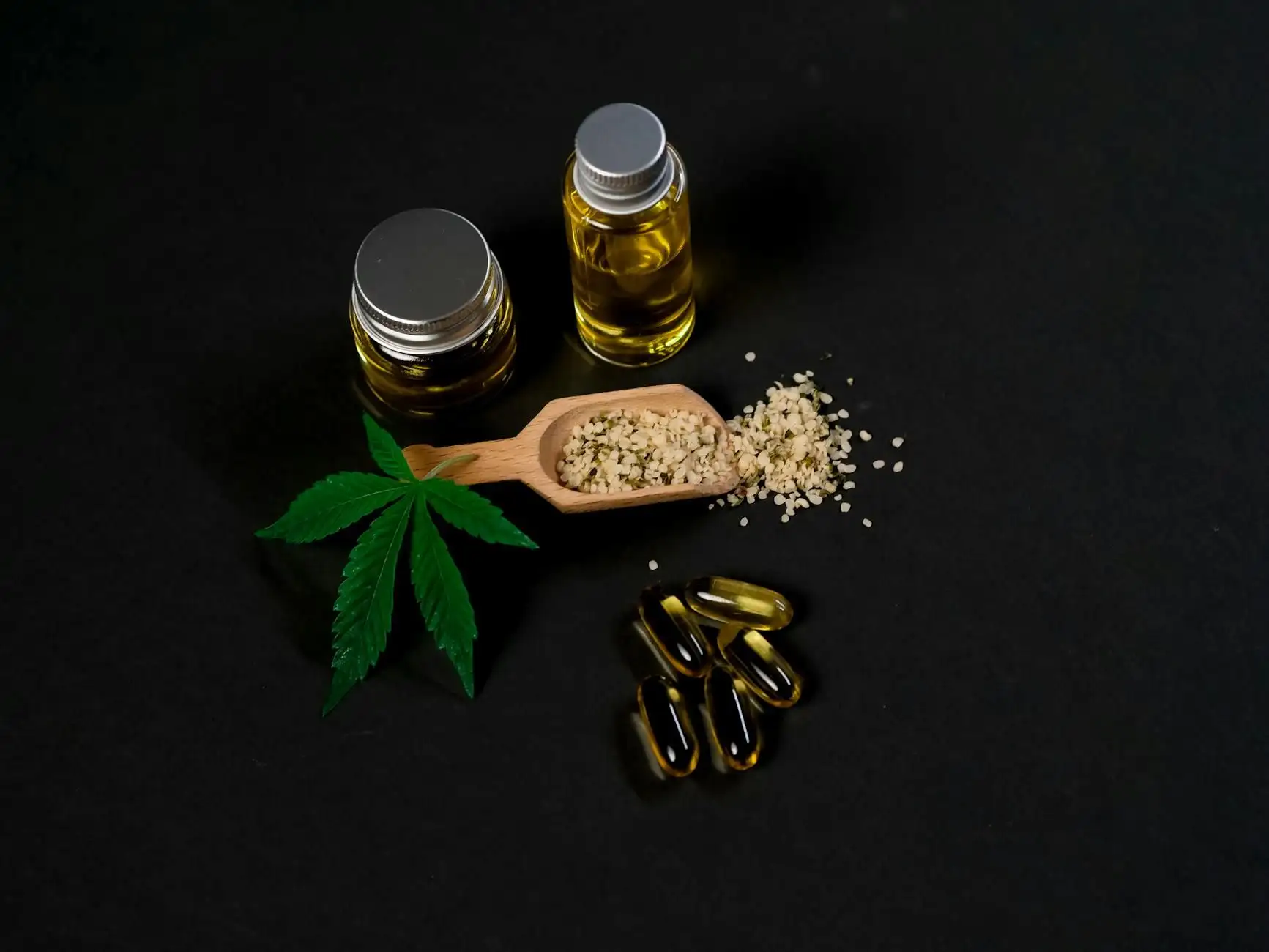
huile-cbd·18 May 2026
CBD oil, hemp seed oil, cannabis oil: the differences
Three oils, three parts of the plant, three legal frameworks: what sets CBD oil, hemp seed oil and cannabis oil apart.