← Journal/18 May 2026·4 min de lecture
Workplace stress: what really works in France
Par The Phytogrammes team ·
24% of working people in France show anxiety or depressive symptoms linked to their activity, according to the Santé publique France 2021 barometer. The effective levers combine action by the employer, who is bound by a duty of safety under article L.4121-1 of the Labour Code, and individual strategies: sleep, micro-breaks, disconnection.

The French picture
The INRS estimates that workplace stress costs the community between 2 and 3 billion euros a year in sick leave, care and lost productivity. The Sumer 2017 survey (DARES) measures that 31% of employees are exposed to at least three psychosocial risk factors simultaneously. Sick leave for occupational burnout rose by 34% between 2019 and 2024 according to the Assurance maladie.
The six main causes identified by the INRS
The INRS groups stress factors into six families: intensity and complexity of work, atypical hours, emotional demands, low autonomy, degraded social relations and conflicts of values. The more factors accumulate, the greater the risk of anxiety and depressive disorders.
What the employer must do
Article L.4121-1 of the Labour Code requires the employer to take the measures necessary to protect workers' physical and mental health. In practice: assessment of psychosocial risks in the DUERP, prevention actions, referral to the CSE for companies with 11 employees or more, cooperation with the occupational physician. Where a breach is established, the employer's liability may be engaged before the Conseil de prud'hommes.
The individual levers that work
Stabilising sleep (a consistent wake-up time, screens switched off 30 minutes before bed) reduces the risk of anxiety disorders, which the HAS associates with chronic sleep deficit. The INRS recommends 3 to 5 micro-breaks of 5 minutes spread through the day, with no screens and no email. Walking 30 minutes a day remains one of the best-documented natural anxiolytics. The right to disconnect, written into the 2016 Labour Act, means you do not have to answer work emails outside working hours.
Recognising when to seek help
The warning signs of occupational burnout syndrome according to the HAS include persistent emotional exhaustion, cynicism towards work, a sense of ineffectiveness and chronic sleep disturbance. The GP or the occupational physician, who can be consulted freely and confidentially, remain the first points of contact.
Available recourse and schemes
Mon soutien psy covers 12 sessions a year with an approved psychologist since 2024. The 3114, the national suicide prevention line, is free and reachable 24/7. The ANACT supports collective initiatives within companies. For harassment, the Labour Code (articles L.1152-1 onwards) and the arretonslesviolences.gouv.fr platform provide support.
And what about CBD at work?
No French authority has validated any claim linking CBD and the management of workplace stress. No derogatory framework exists in companies' internal rules: an employer may prohibit consumption during working hours. For exposed occupations (drivers, machine operators), a THC-free isolate limits the risk of a positive saliva test, as the Cour de cassation recalled in 2023.
Frequently asked questions
Can my employer sanction me if I am stressed?
No, stress in itself is not grounds for sanction. If stress affects your performance, support measures (an interview, an adjustment to your role) are the normal route, with occupational health as a confidential recourse.
Is burnout recognised as an occupational disease?
Not within the meaning of the official tables. It may be recognised as a disease of occupational origin under the complementary system, subject to strict conditions.
What should you do in cases of harassment?
Keep the evidence, alert the CSE, refer the matter to the occupational physician and file a complaint if necessary. The 3919 and arretonslesviolences.gouv.fr provide support.
Can I take CBD before a stressful meeting?
No authority recommends it as a professional tool. If you use it personally, check for the absence of prohibited cannabinoids and THC below 0.30%.
To build daily anti-stress routines, see our article on [daily stress management routines](/blog/routines-quotidiennes-gestion-stress). For parental stress, see [parental stress: strategies for easing it](/blog/stress-parental-strategies-apaisement).
Written by the Phytogrammes team
Every article in this journal draws on primary sources (ANSM, EFSA, EUR-Lex, peer-reviewed publications) and on the lab's own practice: batch-by-batch HPLC analyses, measured cannabinoid profiles. Our approach.
Article published on . CBD is not a medicine.
Phytogrammes products that pair well


Further reading

stress·18 May 2026
Parental stress: 6 levers to breathe without feeling guilty
Nearly one French parent in two reports high stress. Here are the levers validated by the HAS and Inserm for winding down without disappearing.
rentree-scolaire·18 May 2026
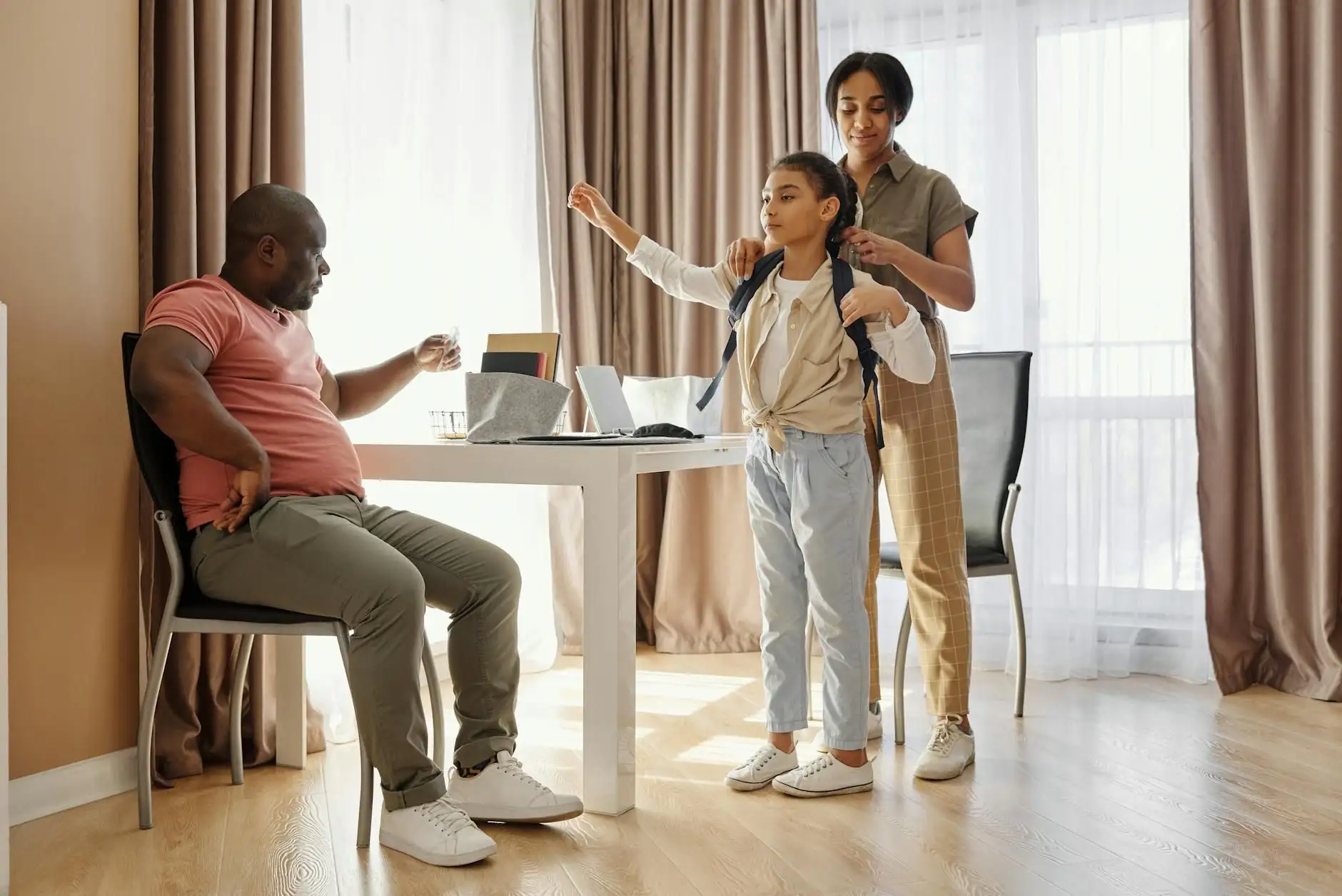
Back-to-school stress: three levers for the whole family
Term starting again, parental mental load, disrupted sleep: how to approach the new school year more calmly, drawing on French health recommendations.

decision·18 May 2026
Overcoming decision paralysis: a method in 5 levers
Decision paralysis slows down working and personal life. Five levers documented in cognitive science to pick up the thread again.