← Journal/18 May 2026·7 min de lecture
Back-to-school stress: three levers for the whole family
Par The Phytogrammes team ·
The start of the school year is a documented source of stress for children and parents alike. Three lines of work — regular sleep, a short breathing practice, daily physical activity — help cushion the transition without resorting to medication.
Why the new school year weighs on the whole family
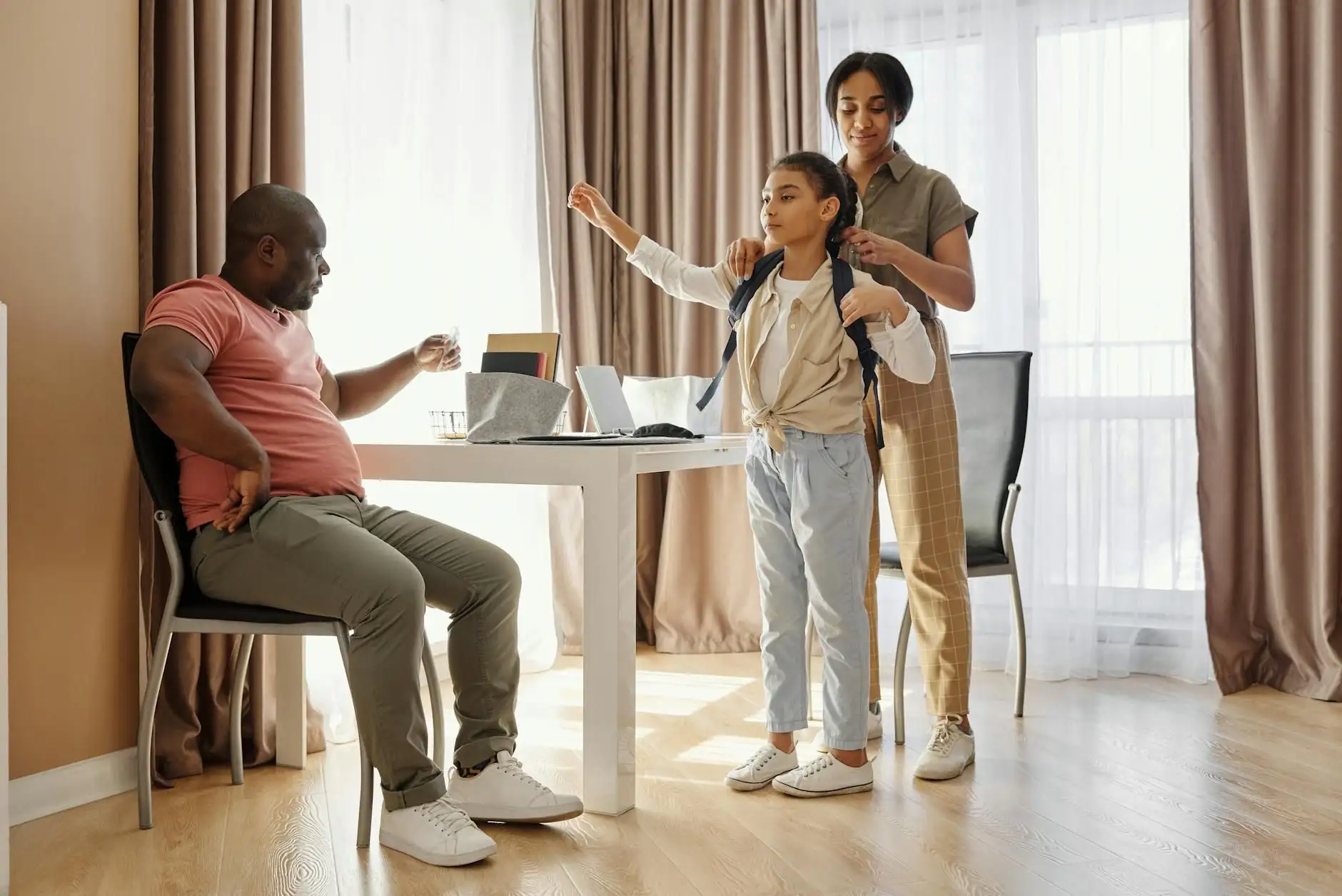
The break with the summer rhythm, the return of timetable constraints, the pressure of assessments, social worries: the start of term concentrates several stress factors. According to Santé publique France, the prevalence of anxiety disorders among children and adolescents has risen since 2020, particularly during periods of school transition.
For parents, the IFOP barometer on parenting confirms that the mental load tied to school (homework, transport, appointments, supplies) is one of the main sources of chronic stress among working adults with children. The new school year is not a matter for pupils alone.
Lever 1: restore a regular sleep pattern two weeks ahead
The Institut national du sommeil et de la vigilance (INSV) recommends gradually readjusting bedtimes and waking times ten to fifteen days before term restarts. The simple rule: bring bedtime and waking time forward by fifteen minutes every two days, until the school timetable is back in place.
INSV benchmarks for children:
- 6-12 years: 9 to 12 hours of sleep per night
- Adolescents: 8 to 10 hours
- Adults: 7 to 9 hours
A few useful rules: no screens for thirty minutes before bed, a light dinner at least an hour beforehand, a cool bedroom (18-19 °C), a stable transition routine (shower, reading, dimmed light). In adolescents, the phase delay is physiological: it should not be mistaken for a lack of willpower.
Lever 2: a short breathing practice in the morning
Five minutes of conscious breathing in the morning can be enough to set the day off more serenely. The most accessible technique, for a child as much as for a parent: cardiac coherence, or 5-5 breathing — breathe in through the nose for five seconds, out through the mouth for five seconds, for five minutes.
For younger children, balloon breathing: place the hands on the tummy, breathe in while inflating the tummy like a balloon, breathe out while deflating it. Count five cycles. It is a tool that psychomotor therapists and sophrologists use widely in schools.
The HAS, in its recommendations on anxiety disorders in children and adolescents, underlines the value of non-medicinal approaches (relaxation, cognitive behavioural therapy) as a first-line option for mild to moderate manifestations.
Lever 3: build movement into every day
Physical activity is one of the best-documented levers against stress. Inserm points out that it acts on several levels: endorphin secretion, regulation of the autonomic nervous system, improved sleep, a strengthened sense of self-efficacy.
For the family, a few simple habits:
- Walk part of the journey between school and home rather than driving all of it
- Get outside for thirty minutes in a park after school, before homework
- Take the stairs rather than the lift
- Plan a shared activity at the weekend (cycling, walking, gardening)
The official recommendations: at least 60 minutes of moderate to vigorous physical activity per day for children and adolescents (Santé publique France).
Spotting what goes beyond ordinary start-of-term stress
Back-to-school stress is generally transient and fades within two to three weeks. When should you seek advice?
- Repeated school refusal, crying or stomach ache every morning
- Persistent sleep problems (insomnia, repeated nightmares)
- Social withdrawal, loss of interest in usual activities
- In adolescents: persistent sadness, dark thoughts, risk-taking behaviour
The GP, the paediatrician, the school psychologist or a participating psychologist in private practice (the Mon Soutien Psy scheme, in place since 2022) are the appropriate people to turn to.
For parents: don't forget yourself
Parental mental load is rarely measured, but it counts. A few simple principles: delegate the tasks that can be shifted (transport, cooking), accept "good enough" rather than perfection, and schedule at least one personal, non-utilitarian activity each week. A parent running hot passes their stress on to their children without meaning to.
CBD and adult relaxation routines: the French framework
Some adults include hemp-based wellness products in their evening ritual. The French legal framework allows CBD to be sold provided the THC content of the finished product stays at or below 0.30%, in line with the Conseil d'État decision of 29 December 2022 (no. 444887).
CBD is strictly reserved for adults. It is not advised for pregnant or breastfeeding women, and is formally not for minors. No brand may state that a CBD product "reduces anxiety" or "calms stress": such wording is prohibited in France. The permitted vocabulary is that of wellbeing: a moment of relaxation, a soothing ritual, a complement to a relaxation routine.
Synthetic cannabinoids (HHC, H4CBD, THCP, HHCO) have been classified as narcotics under the ANSM orders of 2023 and 2024.
CBD is not a medicine. If anxiety persists, or in the case of an anxiety disorder, consult a healthcare professional.
Key points
- Readjust sleep times ten to fifteen days before term restarts (INSV).
- Five minutes of conscious breathing in the morning, as a family where possible.
- At least one hour of daily physical activity for children and adolescents.
- Seek advice in case of persistent school refusal, prolonged sleep problems or signs of withdrawal.
- CBD reserved for adults: no use by children or adolescents.
Frequently asked questions
How long does it take a child to settle into the new school year?
Most children find their balance again within two to three weeks. Beyond that, or if the worry is severe, professional advice is recommended.
What should you do about school refusal?
Don't dramatise, but don't systematically give in either. Talk to the teacher, contact the school psychologist, consult the GP. Persistent school refusal calls for specific support.
Can you give CBD to an anxious teenager?
No. In France, CBD is reserved for adults. Use by minors is advised against by the health authorities. For an adolescent in distress, referral to a professional (doctor, psychologist) is the appropriate route.
Does the Mon Soutien Psy scheme cover children?
Yes. Since 2022, Mon Soutien Psy has covered sessions with a participating psychologist from the age of three, on referral from the GP or, since 2024, through direct access.
Is meditation suitable for children?
Yes, in an adapted form. Mindfulness meditation for children (Mindfulness for Kids-type programmes, playful sophrology) is used in schools, in short sessions of five to ten minutes.
To explore our selection of hemp-based wellness products for adults, [see our stress and anxiety catalogue](/categorie-produit).
Sources
Written by the Phytogrammes team
Every article in this journal draws on primary sources (ANSM, EFSA, EUR-Lex, peer-reviewed publications) and on the lab's own practice: batch-by-batch HPLC analyses, measured cannabinoid profiles. Our approach.
Article published on . CBD is not a medicine.
Phytogrammes products that pair well



Further reading

decision·18 May 2026
Overcoming decision paralysis: a method in 5 levers
Decision paralysis slows down working and personal life. Five levers documented in cognitive science to pick up the thread again.
animaux·18 May 2026
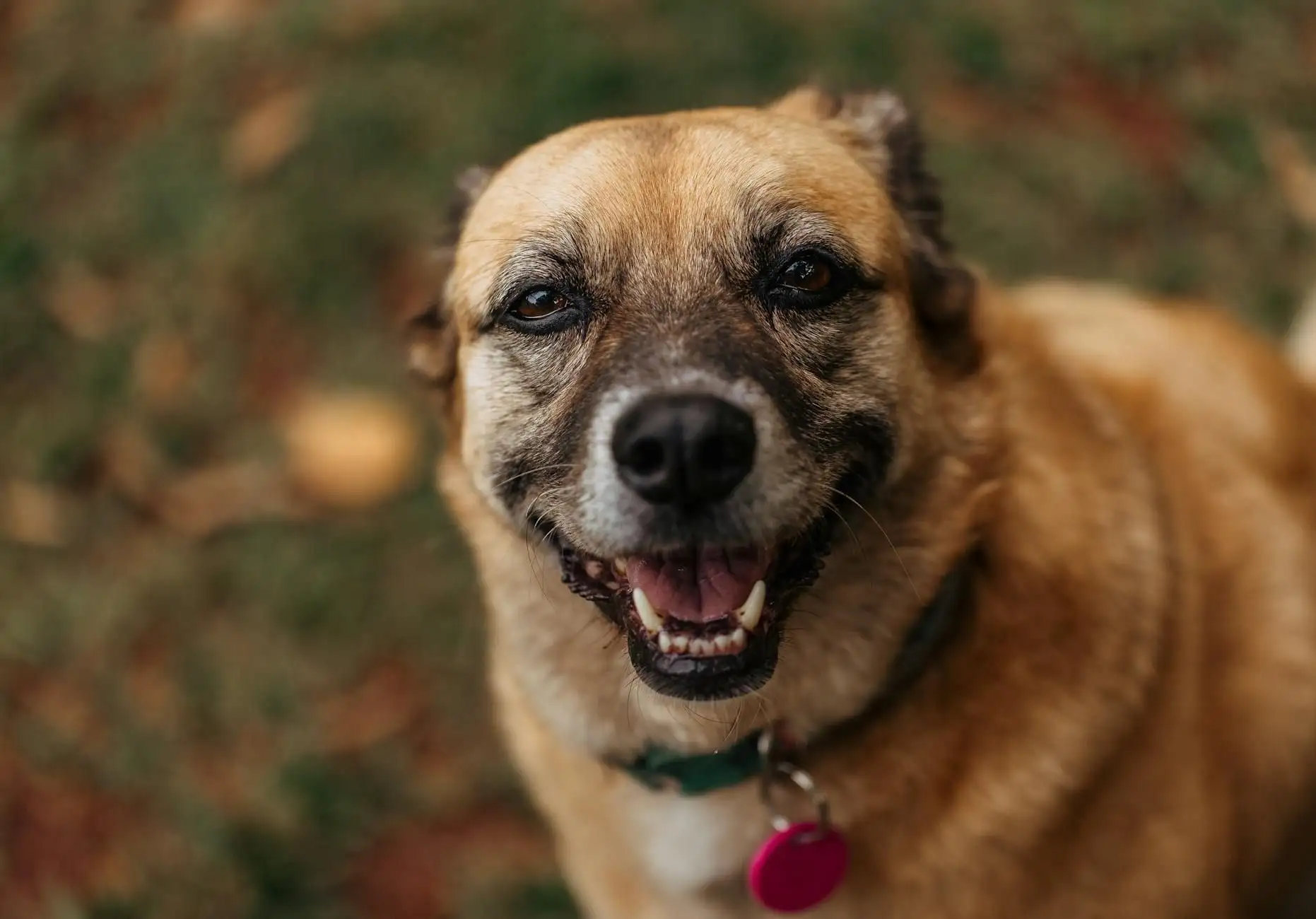
The dog's endocannabinoid system: what science has observed
CB1 and CB2 receptors, heightened sensitivity to THC: understanding the dog's ECS and why veterinary CBD remains a subject governed by the ANMV in France.
systeme-endocannabinoide·18 May 2026
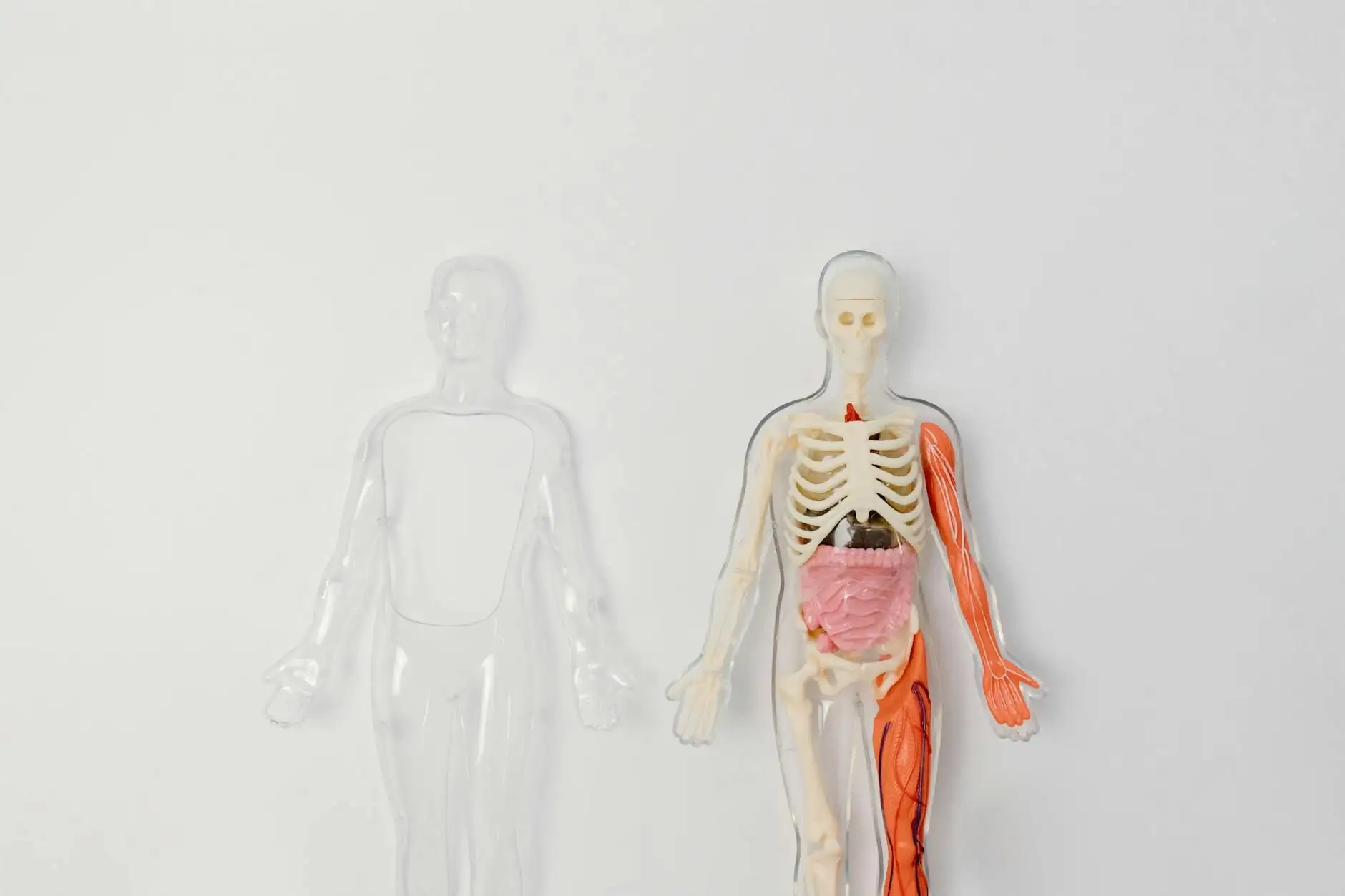
What is the endocannabinoid system?
A network of receptors present in all mammals. Here is its physiological role and its link with hemp cannabinoids, without shortcuts.