← Journal/16 May 2026·3 min de lecture
THC levels in the blood and driving: what the law says
Par The Phytogrammes team ·
Unlike alcohol, the concentration of THC in the blood does not reliably measure how far a driver's faculties are actually impaired. This point is regularly stressed in toxicology. French law, for its part, does not rely on such a threshold: any detected presence of THC in a saliva test constitutes an offence, whatever the quantity measured.
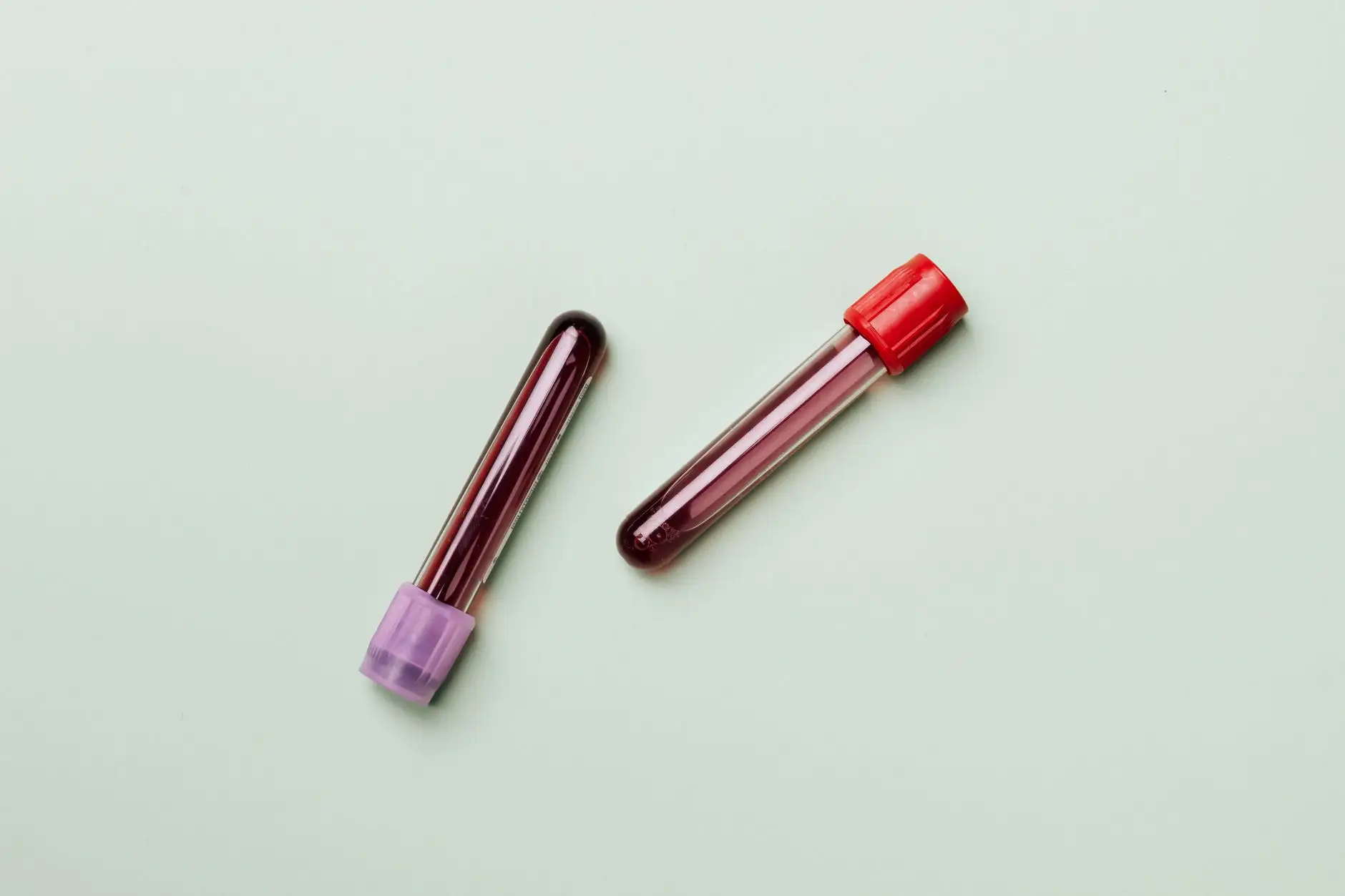
Why THC cannot be compared with alcohol
Blood alcohol rests on a dose-effect relationship documented for decades: the higher the level of alcohol in the blood, the more predictable the motor and cognitive impairment. THC follows very different kinetics. Its blood concentration falls quickly after consumption, whereas certain subjective effects can persist longer, particularly in a regular user in whom THC remains stored in fatty tissue and is released gradually.
What research in toxicology shows
Work in road toxicology converges on one finding: to date there is no blood or saliva threshold of THC universally correlated with a level of impairment, unlike the 0.5 g/l benchmark for alcohol. The same THC level can correspond to very different degrees of impairment depending on frequency of consumption, individual tolerance and the time since the last dose. It is this scientific uncertainty that fuels the debate, in France as in other countries, about how appropriate the currently applied thresholds are.
The French legal framework: zero tolerance
Article L235-1 of the Code de la route penalises driving after using narcotics as soon as a saliva or blood test reveals the presence of THC, with no tolerance threshold tied to a level of impairment. The Cour de cassation, in its ruling of 21 June 2023, confirmed that the commercial legality of a cannabinoid-based product in no way exempts the driver: only the test result counts.
The particular case of CBD at the wheel
A CBD product compliant with French law contains up to 0.30 % THC. That trace, tiny though it is, can nonetheless trigger a positive saliva test, particularly after recent or repeated consumption. THC is detectable in saliva for several hours after occasional use, and longer after regular use. Before getting behind the wheel, it is better to opt for a CBD isolate certified free of THC, whose certificate of analysis (CoA) confirms the absence of the molecule.
Why the law does not follow the science, for now
Setting a legal threshold based on actual impairment would presuppose a scientific consensus that does not yet exist for THC. In the absence of any such reliable benchmark, the French legislature has chosen caution: the mere presence of THC, whatever its concentration, suffices to establish the offence. That choice protects road safety, but it does not distinguish a genuinely impaired driver from a consumer of legal CBD who has taken in a minute trace of THC.
Frequently asked questions
Does a high level of THC in the blood mean stronger impairment?
Not necessarily. Research in toxicology has not established a reliable correlation between blood THC concentration and the actual degree of impairment, unlike alcohol.
Can you be penalised while using a legal CBD product?
Yes. The commercial legality of a CBD product does not stop a saliva test positive for THC from constituting an offence, according to the case law of the Cour de cassation.
How long does THC remain detectable after consuming full-spectrum CBD?
That varies with frequency of use and with the product, generally several hours after occasional use and longer after regular use. An isolate certified free of THC reduces that risk.
What should you do before driving if you use CBD?
Check the product's certificate of analysis, favour an isolate free of THC, and avoid any consumption in the hours before driving, whatever product you use.
Written by the Phytogrammes team
Every article in this journal draws on primary sources (ANSM, EFSA, EUR-Lex, peer-reviewed publications) and on the lab's own practice: batch-by-batch HPLC analyses, measured cannabinoid profiles. Our approach.
Article published on . CBD is not a medicine.
Phytogrammes products that pair well
Further reading

cannabis-medical·16 May 2026
Medical cannabis: the history of a millennia-old use
From the therapeutic hemp of antiquity to the modern medicines authorised in pharmacies, how the medical use of cannabis evolved on its way to France.

gelato·16 May 2026
Gelato: the story of a cult cannabis variety
Gelato made its name in the Bay Area in the mid-2010s thanks to an unprecedented sweet aromatic profile. Genetics, success and the legal CBD version in France.

cannabis-therapeutique·16 May 2026
Sale of medical cannabis in France: the legal framework
Medical cannabis is not sold freely in French pharmacies: here is what the ongoing trial provides for, and what sets it apart from high-street CBD.