← Journal/18 May 2026·7 min de lecture
Diet and sleep: what to eat (or avoid) in the evening
Par The Phytogrammes team ·
What you eat at the end of the day has a direct influence on the quality of your night. The Manger Bouger recommendations, Inserm and the INSV all converge: a light meal taken at least two hours before bed, caffeine restricted to the afternoon, alcohol avoided in the evening. Wellness CBD can form part of a routine, with no therapeutic purpose.
The sleep-diet link, briefly
Inserm points out that the regulation of sleep depends on a balance between several neurotransmitters (serotonin, melatonin, GABA) whose synthesis is conditioned by the intake of certain amino acids, vitamins and minerals. An unbalanced diet does not directly cause insomnia, but it can sustain conditions that are unfavourable to deep sleep.
Conversely, foods that are too rich, too late or too stimulating can disturb the onset of sleep and fragment the night. The recommendations that follow are drawn from the Programme national nutrition santé (PNNS 4) and from INSV publications.
Favourable food no. 1: tryptophan
Tryptophan is an essential amino acid, a precursor of serotonin and therefore of melatonin, the sleep hormone. Foods rich in tryptophan include in particular:
- Pulses (lentils, chickpeas, haricot beans).
- Poultry (chicken, turkey).
- Oily fish (salmon, sardine).
- Eggs.
- Dairy products.
- Pumpkin seeds, almonds, walnuts.
An evening meal including one of these foods, without excess, supplies the substrate needed for the night-time synthesis of melatonin. No single food is enough to "make you sleep": it is the consistency of a balanced diet that counts.
Favourable food no. 2: fibre
A review published in 2016 in the Journal of Clinical Sleep Medicine showed an association between fibre intake and the quality of deep sleep. The sources of fibre in a typical French diet: wholegrain cereals, pulses, fruit and vegetables, nuts and oilseeds. The PNNS recommends reaching 25 to 30 g of fibre per day, which the majority of French people do not achieve.
Favourable food no. 3: magnesium
ANSES notes that the magnesium intake of French adults is often below the nutritional reference values (375 mg/day). Magnesium is involved in the regulation of the nervous system and in sleep quality. The good dietary sources:
- Dark chocolate (over 70 % cocoa).
- Pumpkin seeds, almonds, cashew nuts.
- Green vegetables (spinach, chard).
- Pulses.
- Wholegrain cereals.
Magnesium supplementation is only justified after blood tests carried out by your GP.
Unfavourable food no. 1: heavy late meals
The INSV recommends finishing the evening meal at least 2 hours before going to bed. A meal that is too rich or too late calls on digestion at the very moment when the body should be switching to recovery. The foods that are particularly problematic:
- Fatty dishes (fried food, sauces).
- Very spicy dishes (they encourage gastro-oesophageal reflux).
- Excessive portions.
If an evening out forces a late dinner, plan on going to bed one to two hours later to allow time for digestion.
Unfavourable food no. 2: caffeine after 2 p.m.
Caffeine has a half-life of around 5 to 6 hours in adults (longer in slow metabolisers). A coffee drunk at 4 p.m. therefore still has half of its active load at 10 p.m. The INSV recommends restricting caffeine to the morning and the early afternoon.
Watch out for hidden sources: black tea, green tea, certain fizzy drinks, dark chocolate, energy drinks, some painkillers (caffeine is combined with several over-the-counter pharmaceutical products).
Unfavourable food no. 3: alcohol
Alcohol is a trap: it makes falling asleep easier (a short sedative effect) but it fragments REM sleep in the second half of the night. Night-time waking, unrefreshing sleep, morning fatigue: these are the classic consequences of drinking alcohol in the evening.
Santé publique France recommends not exceeding 10 standard drinks a week, and no more than 2 drinks a day, while including alcohol-free days. For sleep quality, the ideal is to avoid alcohol in the 3 hours before bed.
What about hydration?
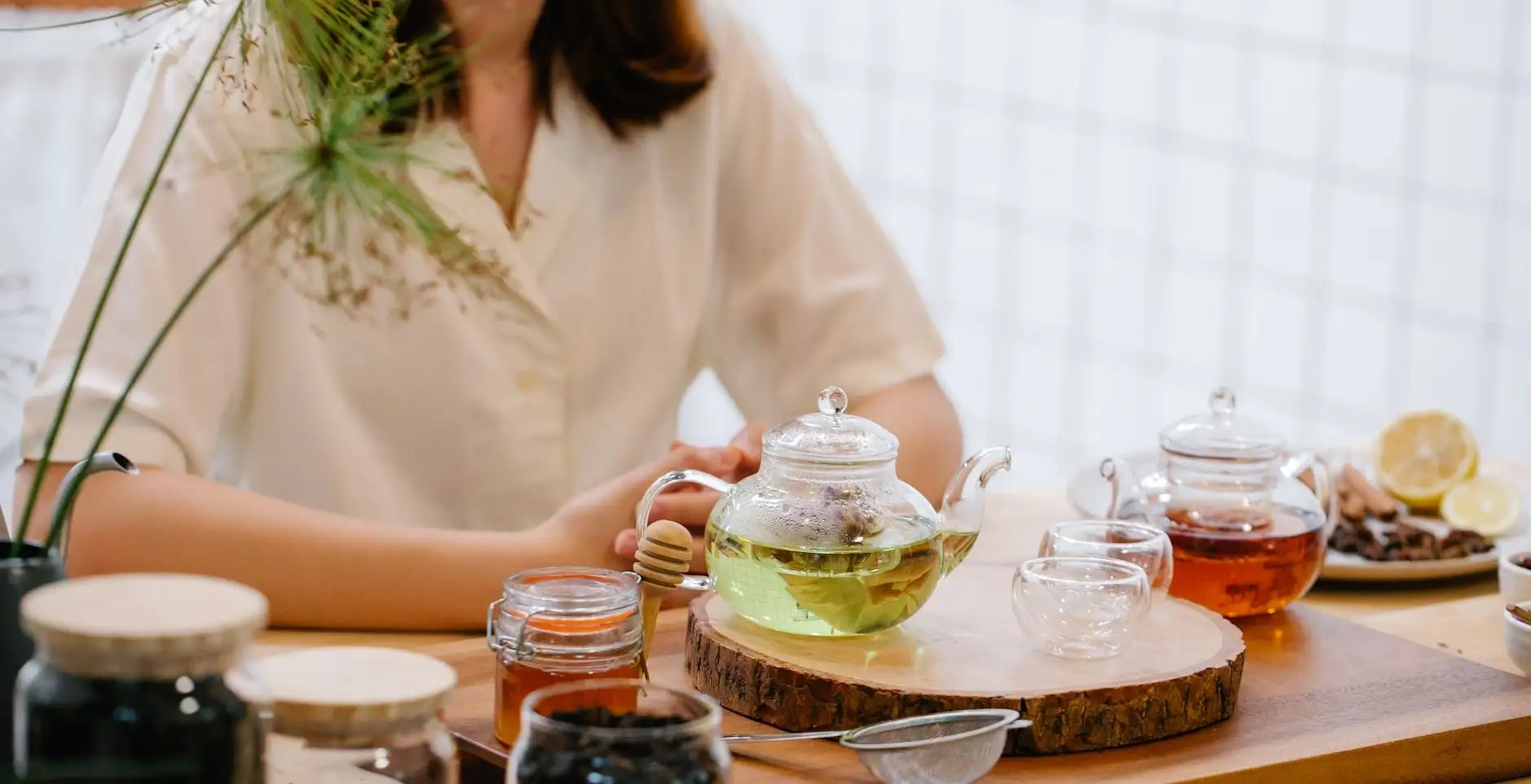
Drinking enough during the day is essential, but the INSV advises moderating fluid intake in the hour before bed in order to limit night-time waking linked to the need to urinate. A soothing herbal tea (camomile, verbena, lemon balm) in the early evening can be part of a bedtime ritual, provided it is taken at least 60 to 90 minutes before going to bed.
Where CBD may fit into an evening routine
If you wish to include CBD in your end-of-day ritual, the most commonly described use is a sublingual dose of oil 30 to 60 minutes before bed, or an infusion of flowers in the early evening, as part of a moment of relaxation.
Since 15 May 2026, ingested CBD has been subject to the European Novel Food regulation: CBD food products (gummies, bud-based infusions, ingested capsules) are being progressively withdrawn if they do not hold a European authorisation. The EFSA has also set a provisionally safe daily dose of 0.0275 mg/kg/day (≈ 2 mg/day for a 70 kg adult).
MILDECA makes the point: no therapeutic claim is authorised for wellness CBD. It does not "make you sleep", it does not "improve" sleep. It can be part of a soothing ritual, with no medical purpose.
CBD is not a medicine. If sleep problems persist beyond three weeks, consult a healthcare professional.
Key points
- Tryptophan, fibre and magnesium support conditions favourable to sleep.
- The evening meal should be finished at least 2 hours before going to bed.
- Caffeine should be restricted to the morning and the early afternoon.
- Alcohol fragments REM sleep and disturbs the second half of the night.
- Hydration should be taken during the day and moderated in the evening.
- Ingested CBD falls under the Novel Food regulation, withdrawn since May 2026 without authorisation.
FAQ
Does warm milk help you sleep?
Milk contains tryptophan and calcium, but not at a dose shown to induce sleep. The effect described by some consumers has more to do with a soothing ritual than with any pharmacological action.
Should you take a magnesium supplement to sleep better?
Before taking any supplement, blood tests at your doctor's surgery will establish your real needs. A diet rich in green vegetables, pulses, nuts and oilseeds usually covers the recommended intake.
Can a CBD infusion be taken every evening?
Infusions based on CBD buds are covered by the Novel Food regulation and their sale as foods has been withdrawn since 15 May 2026. Infusions of dried flowers (without buds) remain available. The EFSA recommends caution with regular use.
How many hours without coffee before bed?
The INSV recommends not consuming caffeine after 2 p.m. for a standard adult. Slow metabolisers may feel the effects well beyond that.
Is CBD a food supplement?
Not in France as things stand. Since 15 May 2026, CBD food products not authorised under the Novel Food regulation have been withdrawn from the market. Oils for external use and flowers for inhalation remain authorised.
To explore our selection of laboratory-analysed oils and flowers, [browse our sleep catalogue](/categorie-produit).
Sources
Written by the Phytogrammes team
Every article in this journal draws on primary sources (ANSM, EFSA, EUR-Lex, peer-reviewed publications) and on the lab's own practice: batch-by-batch HPLC analyses, measured cannabinoid profiles. Our approach.
Article published on . CBD is not a medicine.
Phytogrammes products that pair well

Further reading

concentration·18 May 2026
Everyday distractions: 5 levers for better concentration
Constant notifications, information overload, multitasking: five concrete levers for protecting your concentration, based on French guidance.

anxiete·18 May 2026
Public speaking anxiety: 5 validated strategies and the CBD framework
Glossophobia, stage fright, fear of speaking in public: what French psychologists recommend for rebuilding confidence, and the real place of hemp-based supplements.
chien·18 May 2026
Separation anxiety in dogs: desensitisation protocol and the limits of CBD
Up to 40% of dogs suffer from separation anxiety. Here is the veterinary behaviourist protocol validated in France and the framework for veterinary CBD.