← Journal/18 May 2026·8 min de lecture
Separation anxiety in dogs: desensitisation protocol and the limits of CBD
Par The Phytogrammes team ·
Separation anxiety affects up to 40% of domestic dogs according to several veterinary studies. The validated protocol combines progressive desensitisation, environmental enrichment, suitable physical exercise, sometimes a veterinary anxiolytic and — on prescription — off-label CBD.
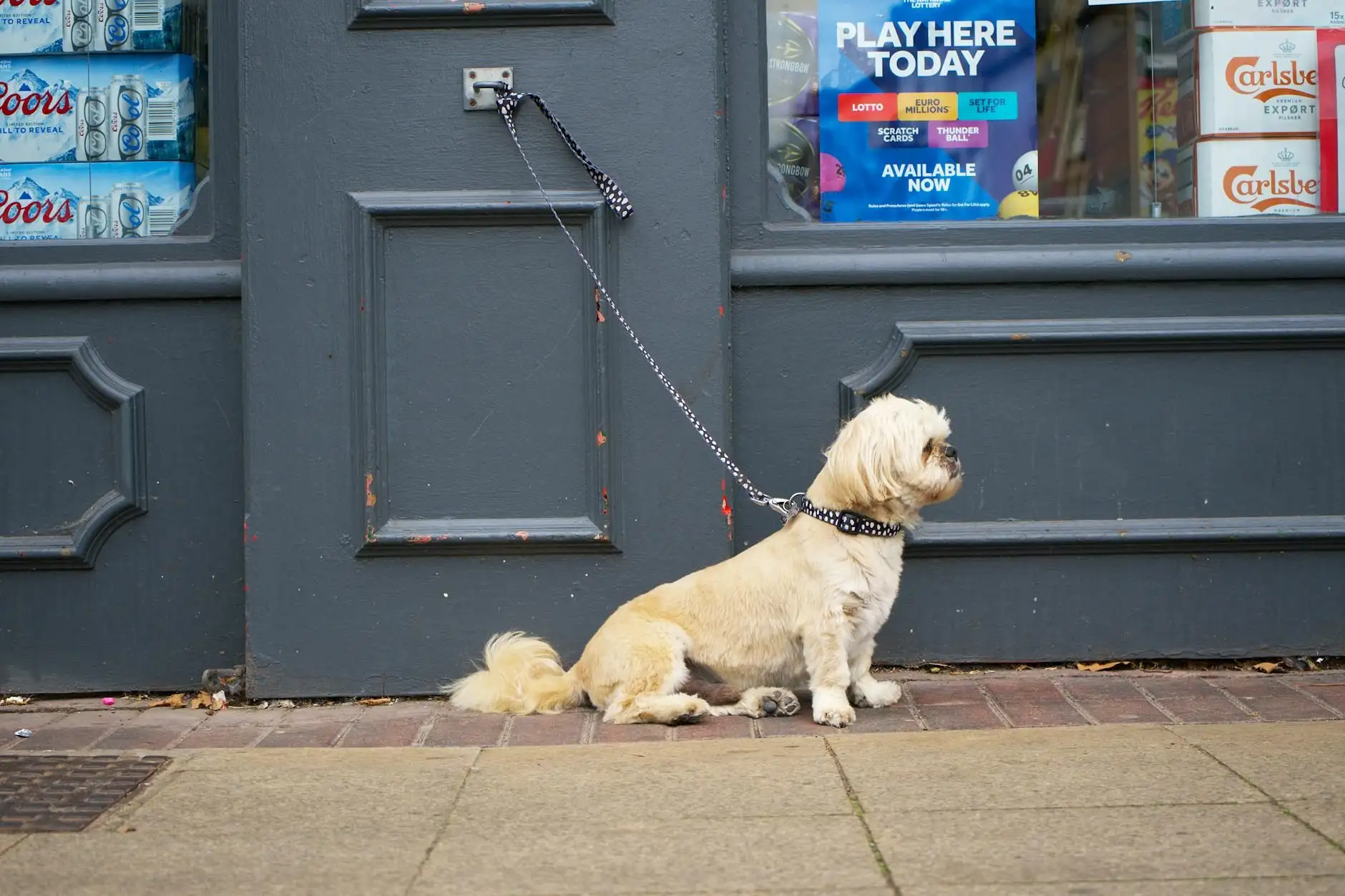
Separation anxiety is neither a "whim" nor an act of "revenge". It is a behavioural disorder described in canine ethology, one that undermines the animal's welfare and the household's daily life. Here is what French veterinary behaviourists recommend.
Understanding separation anxiety
The dog is a social animal. In the wild, its ancestors lived in packs. Domesticated, it transfers that bond onto its humans. When the attachment bond is too intense, or when past experiences have weakened it (abandonment, prolonged isolation in kennels, hospitalisation), the dog can develop marked distress every time its owner leaves.
Typical signs
- Prolonged vocalising from the moment of departure: barking, howling, whining.
- Destruction directed at exits (front door, windows).
- Indoor elimination in an otherwise house-trained dog.
- Excessive salivation (drool marks on the floor on your return).
- Panting, trembling during "departure routines" (putting on shoes, picking up the keys).
- Self-mutilation in severe cases.
Telling it apart from boredom or incomplete training
A dog that is bored for hours on end can develop destructive behaviours without suffering from separation anxiety. The key criterion: the emotional intensity of the behaviours and their direct link to the departure/return, rather than to a lack of activity.
The desensitisation protocol
Validated by veterinary behaviourists, this protocol unfolds in several phases over 4 to 12 weeks.
Phase 1: break the departure routines
The "rituals" before leaving (putting on shoes, picking up the keys, taking your coat) become cues that trigger anxiety. Repeating these gestures several times a day without leaving defuses the conditioning. For example: put your shoes on, sit down for 5 minutes, take them off.
Phase 2: tiny departures
Step out for 5 seconds, come back. Then 10 seconds. Then 30. Then 1 minute. Always come back before the dog has started to worry. The dog learns that "gone = comes back".
Phase 3: gradual extension
Over several weeks, increase the length of absences in stages (5, 10, 20, 30, 60 minutes and so on). If the dog regresses at one stage, go back to the previous level.
Phase 4: consolidation
Maintain variable absences, not always increasing ones. The dog needs to feel that the length of an absence is not an anxiety-inducing cue.
The 5 complementary levers
1. Pre-departure routine
- A long walk (30-60 minutes) before leaving.
- A light meal and hydration.
- No effusive greetings on leaving or returning.
2. Environmental enrichment
- Stuffed Kong (frozen so it lasts longer).
- Snuffle mat with treats hidden in it.
- Kibble-dispensing toys.
- Safe chew bones.
3. A dedicated, secure space
A specific corner, never a crate locked shut (that reinforces the panic). A blanket carrying your scent. White noise or soft music.
4. Synthetic pheromones
The Adaptil® diffuser (veterinary pharmacy) mimics maternal pheromones. Well documented for mild to moderate anxiety disorders.
5. Day care or a dog walker
For long absences (> 6h), call on a relative or a dog-sitter, or enrol the dog in day care for at least part of the week. Pet-sitting can be found through dedicated platforms (Animaute, Holidog, Pawshake).
When to consult the vet
- Severe symptoms (self-mutilation, escapes, injuries).
- Anxiety that resists the desensitisation protocol after 4-6 weeks.
- An older dog that abruptly develops separation anxiety (suspicion of cognitive disorders).
The vet can:
- Prescribe a veterinary anxiolytic (clomipramine = Clomicalm®, fluoxetine, sileo depending on the indication).
- Refer you to a veterinary behaviourist for a supervised protocol.
- Look for any underlying pain or pathology that may be making things worse.
Profiles at heightened risk
Several factors statistically increase the risk of separation anxiety, according to French veterinary behaviourists:
- A dog adopted from a shelter that has known several owners or been abandoned.
- A puppy separated too early from its mother (before 8 weeks).
- A dog acquired during the 2020-2021 lockdowns: the constant human presence weakened some dogs' learning about being alone.
- A breed with marked attachment: labrador, golden retriever, cavalier king charles, jack russell.
- An only dog in the household with no regular canine interaction.
Identifying these factors helps you anticipate. For a puppy, learning to be alone should begin from the very first weeks in the home, through very short, progressive absences, before anxious behaviours take hold.
Prevention rather than cure: teaching solitude
A few practical rules for new puppy owners:
- Do not make solitude a punishment: pair departures with a Kong or a rewarding treat.
- Get the dog used to different spaces in the house, not just to being at your side.
- Ignore the dog for the 5 minutes before a departure and the 5 minutes after a return.
- Vary your outings (rhythm, length, place) so as not to create anxiety-inducing routines.
- Occasional dog day care or a pet-sitter from the first months on, to get the dog used to other humans.
CBD for separation anxiety: what French law says
No CBD-based veterinary medicine holds a marketing authorisation granted by the ANMV (official index). A vet may prescribe CBD off-label under the therapeutic cascade (EU Regulation 2019/6) where no authorised medicine is suitable.
The practical framework:
- Veterinary advice is mandatory before first use.
- THC-free CBD isolate: THC is toxic to dogs.
- Independent certificate of analysis (CoA) that you can ask for.
- Synthetic cannabinoids banned since June 2024 (HHC, H4CBD, THCP).
- Indicative dosage: 0.1 to 0.5 mg/kg, 1 to 2 times a day, to be validated case by case.
- Never as a substitute for the desensitisation protocol.
Key points
- Up to 40% of dogs show separation anxiety.
- The desensitisation protocol is the basis of treatment (4 to 12 weeks).
- Environmental enrichment + routine + pheromones = a complementary trio.
- See a vet if symptoms are severe or the protocol is not working.
- Veterinary anxiolytics on prescription (Clomicalm®, fluoxetine).
- No CBD veterinary medicine holds a marketing authorisation in France.
- Veterinary CBD: professional advice, THC-free isolate, CoA.
Frequently asked questions
My dog barks for 2 hours the moment I leave — is that separation anxiety?
Probably, especially if it starts within minutes of your departure and if you notice other signs (destruction near exits, indoor accidents, panic on your return). A surveillance video can confirm it. A behavioural consultation is recommended.
Is a transport crate a solution?
No, unless the dog is already perfectly used to it and takes refuge there voluntarily. Shutting an anxious dog in a closed crate makes the panic worse and can cause serious injury.
How long does the desensitisation protocol take?
It varies: 4 to 12 weeks for most dogs, longer in severe cases. Daily consistency is crucial. Many owners give up halfway for lack of visible progress, when in fact the effects build up over time.
Does adopting a second dog help?
Not systematically. If the attachment is centred on the human, a second dog will solve nothing. It can even make matters worse (two dogs to manage, double the anxiety). Seek veterinary advice before making that decision.
How much does veterinary anxiolytic treatment cost?
It varies: clomipramine costs €30 to €60 a month depending on the dog's weight. Veterinary follow-up is generally necessary (reassessment consultations every 1 to 3 months). Some pet insurance policies cover part of the cost.
To discover our selection of hemp products for animal wellbeing — always on your vet's advice — [browse our stress and anxiety catalogue](/categorie-produit). CBD is not a medicine. If separation anxiety persists, consult a qualified veterinary behaviourist.
Sources
Written by the Phytogrammes team
Every article in this journal draws on primary sources (ANSM, EFSA, EUR-Lex, peer-reviewed publications) and on the lab's own practice: batch-by-batch HPLC analyses, measured cannabinoid profiles. Our approach.
Article published on . CBD is not a medicine.
Phytogrammes products that pair well


Further reading

arthrose·18 May 2026
Osteoarthritis in France: resources and the place of CBD cosmetics
Which organisations support people living with osteoarthritis in France, and what place does a CBD cosmetic hold in that care pathway?
cbd-topique·18 May 2026
Osteoarthritis day to day: a routine with a cosmetic CBD balm
A morning and evening routine for living with osteoarthritis, and the realistic place of a cosmetic CBD balm in a joint comfort ritual.

cbd-topique·18 May 2026
Lower back and long car journeys: self-care rituals
Breaks, stretches and seat settings to protect your lower back on the road, and why ingested CBD is incompatible with driving.