← Journal/18 May 2026·7 min de lecture
Everyday distractions: 5 levers for better concentration
Par The Phytogrammes team ·
Concentration is not an innate quality but a capacity that can be cultivated. Five levers — physical activity, screen management, meditative practice, sleep, diet — act simultaneously on the physiological foundations of attention.

Why we are more distracted than we used to be
According to the ARCEP digital barometer, French adults spend several hours a day on their smartphone on average, with a daily notification count running into the dozens, or even hundreds for certain profiles. With every interruption, the brain takes several minutes to return its focus to the previous task.
This context weakens the capacity for sustained attention, particularly among adults under cognitive overload (parental mental load, creative work, jobs with frequent interruptions). Santé publique France points out that prolonged screen use is associated with a deterioration in sleep, mood and concentration.
The good news: concentration can be retrained.
Lever 1: regular physical activity
Inserm lists numerous studies linking regular physical activity to cognitive function. Movement stimulates the production of neurotrophic factors (BDNF in particular), promotes cerebral blood flow and improves sleep quality — three conditions of concentration.
The [ANSES](https://www.[anses](https://www.anses.fr/sites/default/files/NUT2024SA0040.pdf).fr/fr/system/files/press-2025-08.pdf) recommends a minimum of 30 minutes of moderate activity a day for an adult. For concentration specifically, aerobic practices (brisk walking, cycling, swimming) are the most widely studied.
Lever 2: taking back control of screens
A few concrete measures, supported by digital hygiene guidance:
- Turn off non-essential notifications (all applications, by default).
- Do Not Disturb mode switched on during blocks of focused work.
- Phone-free zones: no phone at the table, in the bedroom, or at the very start and end of the day.
- A single window open at a time on the computer for tasks that demand attention.
- 25-minute sessions of focused work, followed by a 5-minute break (the Pomodoro method).
The INSV stresses the importance of switching screens off at least an hour before bedtime: sleep quality directly influences the next day's concentration.
Lever 3: yoga and meditation
Yoga, often described as "meditation in movement", mobilises attention to the body and to the breath at the same time. Several exploratory studies associate regular practice with an improvement in attentional markers.
Mindfulness meditation, used in clinical settings under the acronym MBSR (Mindfulness-Based Stress Reduction), is documented for its effect on the regulation of attention. Five to ten minutes a day, over three to four weeks, is enough for a subjective change to be noticed.
Lever 4: protecting sleep
Sleep is the primary fuel of concentration. An adult who sleeps less than six hours over several consecutive nights shows a measurable deterioration in attention and working memory, equivalent to that observed after heavy alcohol consumption.
A few INSV rules to observe:
- 7 to 9 hours a night for an adult
- Stable bedtimes and wake-up times, weekends included
- A cool bedroom (18-19 °C), dark and quiet
- No caffeine after 4 p.m.
- Screens off an hour before bedtime
Lever 5: diet supports cognition
A varied, balanced diet supports brain function. A few principles from the Programme national nutrition santé (PNNS):
- Omega-3s: oily fish (salmon, sardine, mackerel) twice a week.
- Antioxidants: colourful fruit and vegetables, at least five portions a day.
- Good fats: olive oil, nuts and seeds (walnuts, almonds).
- Complex carbohydrates: wholegrain cereals, pulses, rather than fast sugars.
- Hydration: roughly 1.5 L of water a day.
Dehydration, even mild, degrades attentional performance: a large glass of water in the morning before the first coffee is a useful habit.
When to seek medical advice
Difficulty concentrating can signal something else: an unrecognised sleep disorder (apnoea), an anxiety or depressive disorder, attention deficit disorder in adults, hypothyroidism, deficiencies. If the drop in concentration is marked, persistent and affects daily life, speak to your GP.
CBD and concentration: what French law allows you to say
Important. No brand may claim in France that a CBD product "improves concentration" or "boosts attention". Such wording constitutes health claims, prohibited by Regulation (EC) No 1924/2006 for CBD products, in the absence of European assessment and authorisation. Any communication of this kind is liable to sanction.
The French legal framework permits the sale of CBD provided the THC content of the finished product remains at or below 0.30%, in accordance with the Conseil d'État decision of 29 December 2022 (no. 444887). The authorised commercial vocabulary remains that of well-being: soothing ritual, moment of relaxation.
Synthetic cannabinoids (HHC, H4CBD, THCP, HHCO) have been classified as narcotics since 2023-2024.
CBD is not a medicine. In the event of persistent anxiety or an anxiety disorder, consult a healthcare professional.
Key points
- Daily physical activity: 30 minutes minimum, ANSES recommendation.
- Notifications off, screens out of the bedroom, short blocks of focused work.
- Yoga or meditation: 5 to 10 minutes a day for 3 to 4 weeks.
- Regular sleep: 7 to 9 hours, bedroom at 18-19 °C.
- Diet: omega-3s, antioxidants, hydration.
Frequently asked questions
How long does it take to regain normal concentration after cutting down on screens?
Most people describe a clear improvement within two to three weeks of a significant reduction in screen time (particularly outside work). The first few days can be uncomfortable (a feeling of withdrawal).
Is meditation effective for concentration?
Several exploratory studies suggest so, without formal medical validation. For an adult with no underlying condition, five to ten minutes a day over four weeks is often enough for a change to be noticed.
Does coffee really help you concentrate?
Caffeine improves alertness in the short term, at moderate doses (up to 400 mg/day for an adult, roughly 3-4 cups). Beyond that, or too late in the day, it degrades sleep and therefore the next day's concentration.
Should you seek advice for attention deficit in adults?
If the difficulty concentrating is long-standing, marked and weighs heavily on daily life (working life, driving, admin), specialist advice is useful. A diagnosis of ADHD in an adult is made by a psychiatrist.
Does CBD improve concentration?
No brand may claim so in France. Such a statement would amount to a health claim prohibited by European regulation.
To discover our selection of hemp-based well-being products, [browse our stress and anxiety catalogue](/categorie-produit).
Sources
Written by the Phytogrammes team
Every article in this journal draws on primary sources (ANSM, EFSA, EUR-Lex, peer-reviewed publications) and on the lab's own practice: batch-by-batch HPLC analyses, measured cannabinoid profiles. Our approach.
Article published on . CBD is not a medicine.
Phytogrammes products that pair well




Further reading
anxiete·18 May 2026
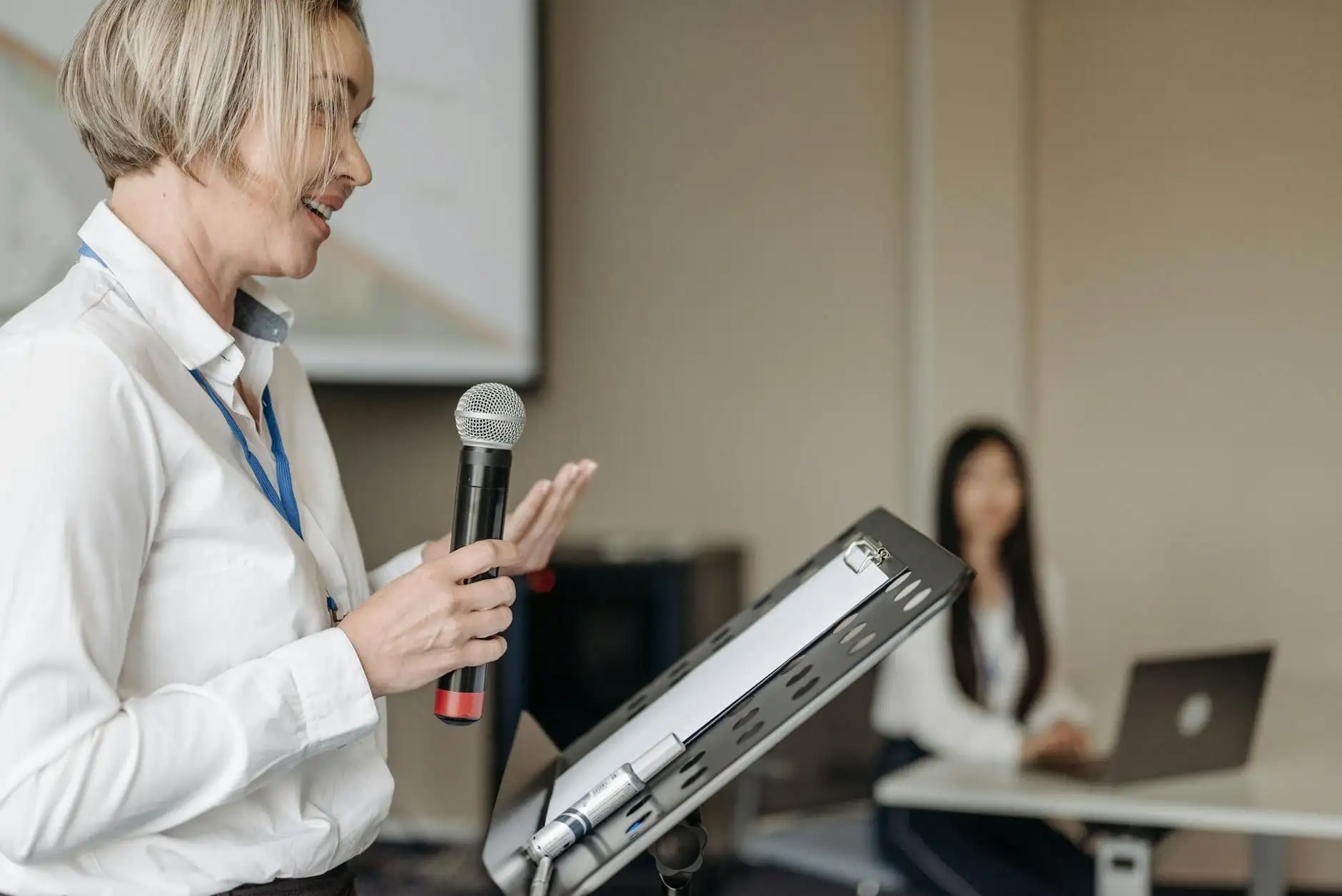
Public speaking anxiety: 5 validated strategies and the CBD framework
Glossophobia, stage fright, fear of speaking in public: what French psychologists recommend for rebuilding confidence, and the real place of hemp-based supplements.

chien·18 May 2026
Separation anxiety in dogs: desensitisation protocol and the limits of CBD
Up to 40% of dogs suffer from separation anxiety. Here is the veterinary behaviourist protocol validated in France and the framework for veterinary CBD.

arthrose·18 May 2026
Osteoarthritis in France: resources and the place of CBD cosmetics
Which organisations support people living with osteoarthritis in France, and what place does a CBD cosmetic hold in that care pathway?