← Journal/18 May 2026·4 min de lecture
Beetroot, green tea, CBD: endurance formulations and the French framework
Par The Phytogrammes team ·
Beetroot (nitrates), green tea (polyphenols) and CBD are frequent ingredients in the "endurance" gummies sold in the United States. In France, none of the three permits a performance claim, apart from green tea caffeine under strict conditions, and ingestible CBD gummies have been withdrawn from the market since 15 May 2026 for want of [Novel Food](/blog/reglementation-cbd-france-2026-novel-food) authorisation.
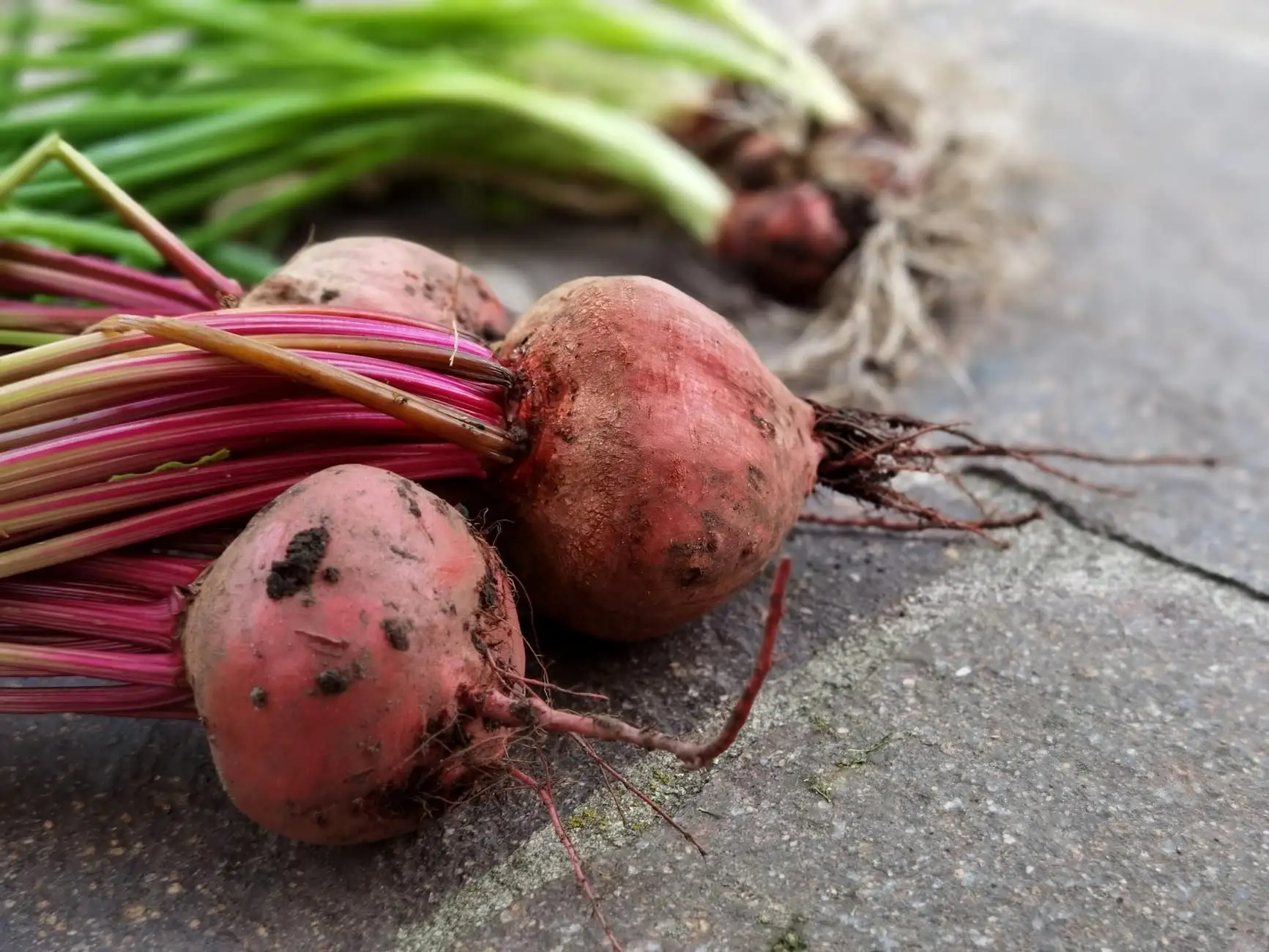
Beetroot: nitrates that have been studied, no validated claim
Beetroot juice concentrates inorganic nitrates, the metabolic precursors of nitric oxide. The sports science literature has explored their effect on oxygen economy during submaximal exercise, on muscle vasodilation and on time to exhaustion. The protocols studied generally use 6 to 8 mmol of nitrates per day, that is roughly 500 ml of beetroot juice or 300 to 500 mg of concentrated powder, taken two to three hours before exercise.
On the regulatory side, no performance claim has been validated by EFSA for beetroot nitrates. Regulation (EC) No 1924/2006 therefore prohibits writing "improves endurance" on a French product containing them.
Green tea: polyphenols and caffeine, two different statuses
Green tea extract (Camellia sinensis) supplies polyphenols, including EGCG, and caffeine. Only caffeine benefits from validated EFSA claims, under strict conditions of dose and format: "increases alertness", "increases endurance". Catechins, for their part, have obtained no recognised claim to date.
ANSES has also issued a warning about the liver risks associated with concentrated EGCG extracts taken at high doses, a point to watch for anyone taking several supplements in parallel.
CBD: the most restrictive framework of the three
With CBD, the room for manoeuvre is at its narrowest. No endurance, recovery or concentration claim has been validated by EFSA for cannabidiol. Since 15 May 2026, the DGAL has been withdrawing from the French market ingestible CBD gummies that lack Novel Food authorisation, and the provisionally safe daily dose set by EFSA remains of the order of 2 mg per day for a 70 kg adult. An "endurance" gummy combining beetroot, green tea and CBD is therefore not reproducible in France as things stand, at least in the ingestible segment.
The anti-doping framework for French athletes
For a licensed athlete subject to AFLD testing, three benchmarks matter. CBD on its own has been off the WADA list since 1 January 2018: taking it is not prohibited in competition. Residual THC, on the other hand, remains prohibited, with a urinary threshold of 150 ng/mL, which argues for a certified THC-free CBD isolate rather than a full-spectrum extract. Beetroot, nitrates and green tea do not appear on the WADA list: the only residual risk is cross-contamination during manufacture, hence the value of labels such as Informed Sport.
What remains legitimate to write in France
For a supplement combining beetroot and green tea without CBD, the following remain permitted: the botanical description and the nitrate or caffeine content, the validated EFSA claims on caffeine where the dose allows, and the standard precautions for use (pregnancy, breastfeeding, minors, hypertension). Any mention of "for performance" or "recovery" without a validated claim would be reclassified by the DGCCRF as an unauthorised claim. Consulting a sports physician remains the first recommendation before any targeted supplementation.
Frequently asked questions
What dose of nitrates is used in the studies to observe an effect?
The available protocols use 6 to 8 mmol of nitrates per day, that is roughly 500 ml of beetroot juice or 300 to 500 mg of concentrated powder, taken two to three hours before exercise.
Can an athlete take a CBD gummy before a competition?
CBD on its own is not prohibited by the AFLD. Full-spectrum products do, however, contain residual THC, which can trigger a positive test: it is better to choose a certified "THC-free" isolate.
Does concentrated green tea carry any risks?
ANSES has flagged liver risks linked to concentrated EGCG extracts at high doses. Caution is called for where supplements are combined or where medicinal treatment is under way.
Does CBD improve sports recovery?
No recovery claim has been validated by EFSA for CBD. The available data remain preliminary and support no commercial promise on this point.
CBD is not a medicine. If you train intensively, consult a sports physician. To discover our wellbeing selection, [see our catalogue](/categorie-produit).
Written by the Phytogrammes team
Every article in this journal draws on primary sources (ANSM, EFSA, EUR-Lex, peer-reviewed publications) and on the lab's own practice: batch-by-batch HPLC analyses, measured cannabinoid profiles. Our approach.
Article published on . CBD is not a medicine.
Phytogrammes products that pair well
Further reading

animaux·18 May 2026
Dog wellbeing: what the French veterinary framework allows
Before considering a hemp-based supplement for your dog, here is what the ANMV, EU Regulation 2019/6 and your vet actually allow.

fetes·18 May 2026
7 wellbeing tips for getting through the festive season in good shape
Sleep, movement, food, emotional management: seven concrete benchmarks for enjoying the festive season without sacrificing your balance, with the French recommendations.
animaux·18 May 2026
Living with a pet: 5 documented effects on health
Physical activity, social connection, stress management: what French and international research shows about the role of pets in everyday life.