← Journal/18 May 2026·5 min de lecture
7 wellbeing tips for getting through the festive season in good shape
Par The Phytogrammes team ·
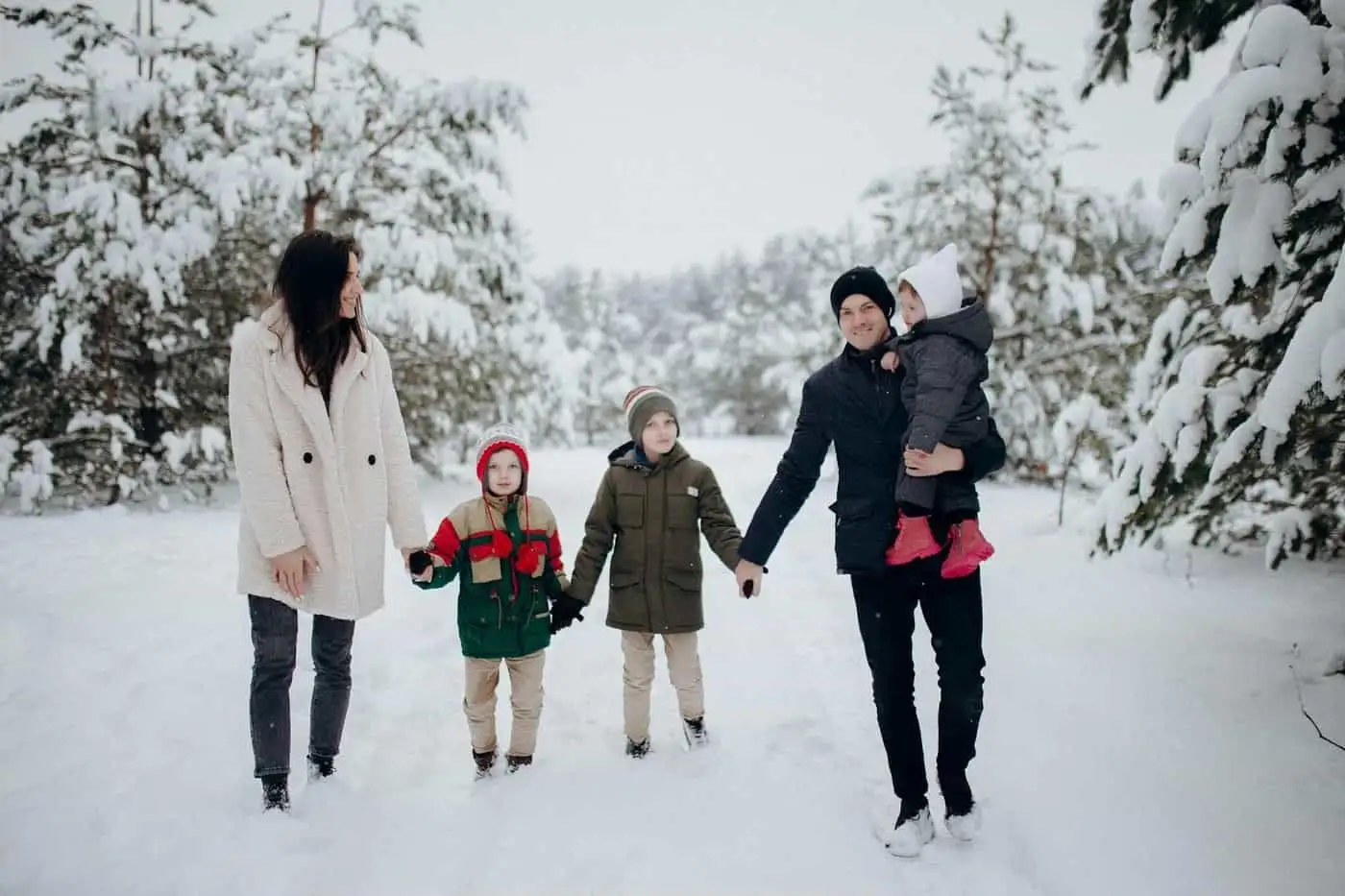
The end-of-year holidays combine dietary excess, disrupted sleep, family tensions and accumulated fatigue. Seven concrete benchmarks, based on the French recommendations in force, make it possible to enjoy the period without breaking your long-term balance.
Why anticipate rather than endure
The end-of-year period is associated with a temporary deterioration in several health markers: sleep, nutritional balance, alcohol consumption, stress levels, according to work relayed by Santé publique France. These deteriorations generally remain reversible if a few benchmarks are preserved. The classic trap is to let everything go for two weeks and then take everything back up abruptly in January. This "all or nothing" logic costs more than flexibility: it is better to maintain 80% of your good habits than to abandon them entirely.
1. Maintain the essential sleep routines
The INSV recommends 7 to 9 hours of sleep per night for an adult, even during the festive season. Keeping a stable wake-up time after a late evening, dimming the lights in the evening and limiting caffeine after 4pm are three simple benchmarks that survive New Year's Eve. It is the regularity of the wake-up time, more than the length of any single night, that gives sleep its lasting structure.
2. Keep moving despite the cold and the packed schedule
Santé publique France recommends at least 30 minutes of moderate physical activity a day. A 20 to 30 minute walk after a heavy meal, a family stroll rather than a long spell sitting at the table, or 15 minutes of yoga in the morning are enough to maintain that threshold. Regular physical activity also supports immunity, a useful point in the middle of the virus season.
3. Eat varied rather than going without
Isolated festive meals are not the problem: it is their accumulation over a fortnight that weighs. The PNNS sets out a few principles that still apply over the holidays: at least five fruit and vegetables a day, pulses twice a week, fish twice a week including one oily fish. Festive meals remain exceptions; the ordinary days between two celebrations should return to their usual balance.
4. Moderate alcohol
The HAS recommends not exceeding 10 drinks a week and 2 drinks a day, with alcohol-free days. Drinking a large glass of water between each alcoholic drink, preferring one drink you enjoy to several drunk out of habit, and scheduling at least two alcohol-free days a week all help you stay below that threshold. Alcohol fragments sleep even when it makes falling asleep easier: the restorative quality of the night suffers.
5. Practise self-compassion and preserve breaks
Self-compassion means treating yourself with the kindness you would show a friend in difficulty. In practice: not reproaching yourself for having eaten too much or having been irritable, acknowledging the difficulty without dramatising it. A few minutes of conscious breathing on waking, a solitary walk in the afternoon or a herbal tea (chamomile, verbena) as a transition towards bedtime offer short but useful breaks that let you come back available to the group.
What French law says about CBD over the holidays
Some adults include hemp-based products in their evening ritual. The legal framework allows them to be sold provided the finished product stays below the threshold of 0.30% THC, in accordance with the Conseil d'État decision of 29 December 2022. No brand may claim that a CBD product "reduces festive-season stress" or "promotes sleep": those formulations remain prohibited by the Public Health Code. The permitted vocabulary is limited to the register of wellbeing: a soothing ritual, a moment of relaxation.
One point of vigilance for drivers: the Cour de cassation has pointed out that the commercial legality of a CBD product provides no exemption in the event of a positive saliva test for THC — something to bear in mind before getting back on the road to join your family.
Frequently asked questions
How can you avoid putting on weight over the holidays?
Keep up daily physical activity, even briefly, avoid skipping meals in anticipation and drink enough water. Return to your normal habits as soon as the period ends rather than aiming for a strict diet in January.
How much alcohol should you not exceed over the holidays?
The HAS recommends a maximum of 10 drinks a week and 2 drinks a day, with alcohol-free days. A standard drink corresponds to about 10 g of pure alcohol.
What should you do if you feel low after the holidays?
This low mood is common and temporary. Getting at least 20 minutes of natural light a day and taking up physical activity again often help. Beyond two weeks of persistent sadness, consult your GP.
Can you give CBD products as Christmas presents?
Yes, subject to conditions: for adults only, with no therapeutic claim. CBD cosmetics and flowers remain legally more stable than ingested food products, which have been withdrawn from the market since May 2026 for want of Novel Food authorisation.
CBD is not a medicine. In the event of persistent anxiety, consult a healthcare professional. To discover our selection of wellbeing products, [see our stress and anxiety catalogue](/categorie-produit).
Written by the Phytogrammes team
Every article in this journal draws on primary sources (ANSM, EFSA, EUR-Lex, peer-reviewed publications) and on the lab's own practice: batch-by-batch HPLC analyses, measured cannabinoid profiles. Our approach.
Article published on . CBD is not a medicine.
Phytogrammes products that pair well
Further reading
animaux·18 May 2026
Living with a pet: 5 documented effects on health
Physical activity, social connection, stress management: what French and international research shows about the role of pets in everyday life.
football·18 May 2026
Common football injuries: prevention and recovery
Sprains, muscle lesions, knee damage: an overview of the most common injuries in amateur football and of the validated avenues for prevention.
cafe-cbd·18 May 2026
CBD coffee: why you should make it yourself rather than buy it
Ready-made CBD coffees are expensive, poorly dosed and legally unstable in France. Preparing your own from an oil remains the simpler option.