← Journal/18 May 2026·4 min de lecture
Common football injuries: prevention and recovery
Par The Phytogrammes team ·
The injuries most reported in amateur football affect the lower limbs: ankle sprains, muscle lesions of the thigh, knee damage and tendinopathies. Prevention rests on a structured warm-up, eccentric strengthening and sufficient recovery between sessions.
The most exposed areas
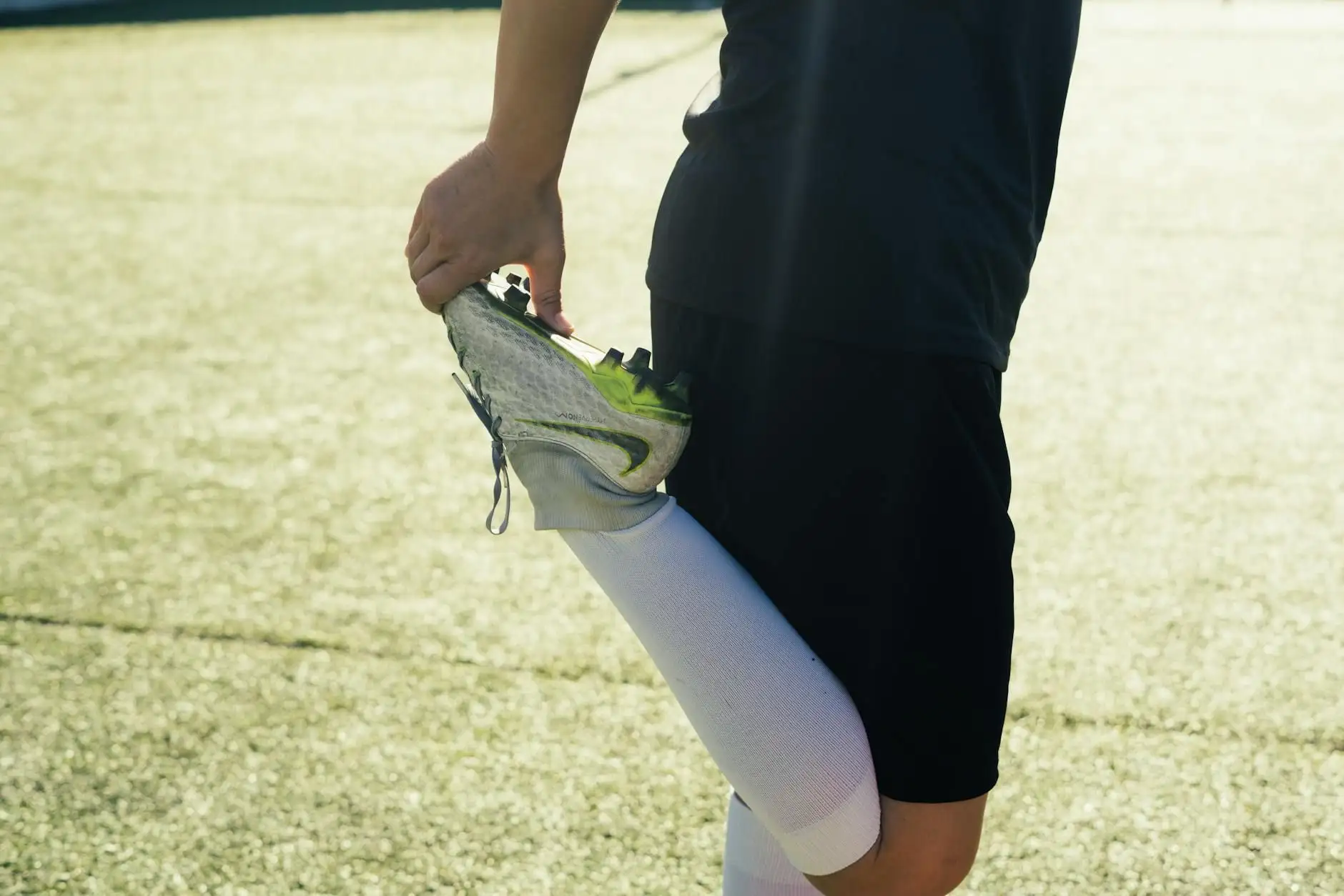
According to literature reviews in sports medicine, around two thirds of football injuries affect the lower limbs. The ankle sprain typically occurs after the foot is forced while in contact with an opponent; the proprioceptive rehabilitation that follows a first sprain reduces the risk of recurrence. Hamstring lesions remain the leading reason a footballer is unavailable, often during a maximal sprint, and eccentric strengthening of the Nordic Hamstring type is well documented as a prevention tool.
Knee damage, in particular sprains of the anterior cruciate ligament, ranks among the most disabling: the HAS recalls the importance of supervised rehabilitation before any return to competition. Patellar or Achilles tendinopathies, linked to training overload, respond above all to a better-adjusted progression of weekly volume. Groin pain affects the regular adult player more, and calls for relative rest and deep strengthening. Head trauma, rarer, requires immediate removal from the pitch and strict application of concussion protocols.
What sports medicine recommends for prevention
Several levers are recognised by the international literature and by the INSEP. A structured warm-up of at least 15 to 20 minutes, including mobility, cardiovascular activation and specific exercises. FIFA's "11+" programme, a neuromuscular warm-up protocol for which several trials report a reduction in the incidence of injuries in amateur players. Eccentric strengthening of the hamstrings and the posterior chain, proprioceptive work on an unstable board, and management of the training load that avoids exceeding around 10 % weekly progression in volume.
Recovering effectively after exertion
After a match or an intense session, a few simple markers make the difference. Hydration compensates for fluid and electrolyte losses: dehydration encourages muscle lesions. Protein intake in the hours following exertion, built into a balanced meal, supports recovery. Sleep, 7 to 9 hours a night, remains the main scientifically validated lever. Gentle mobility the next day (walking, light cycling) and local cryotherapy on painful areas within the 48 hours following a trauma complete this foundation.
Topical and cosmetic care
For muscular comfort after exertion, some athletes use massage balms or oils. CBD cosmetics are authorised in France and listed in the CosIng database since February 2021. No cosmetic may claim an anti-inflammatory or analgesic effect: the permitted vocabulary remains that of relaxing massage and muscular comfort, not that of a treatment.
Amateur football and anti-doping
CBD was removed from the list of prohibited substances by the WADA on 1 January 2018, the only cannabinoid in that position. THC remains prohibited in competition, with a urinary threshold of 150 ng/mL, and the AFLD applies the WADA list strictly. The concrete risk for a licensed player is residual THC contamination in full-spectrum products: favouring isolates certified 99 % THC-free, with analysis by an independent laboratory, limits that risk.
Frequently asked questions
How long does one rest after an ankle sprain?
Depending on severity, the break from sport varies from a few days to several weeks. A medical consultation and proprioceptive rehabilitation are systematically recommended in order to limit the risk of recurrence.
Is the "11+" warm-up programme really effective?
Several international trials report a reduction in the incidence of injuries among amateur players who have adopted this protocol. It is not an official French recommendation, but it is widely adopted by federations.
Can a licensed player consume CBD?
CBD is not prohibited by WADA, but full-spectrum products contain legal traces of THC that can be enough to trigger a positive test in competition. Caution calls for isolates certified free of THC.
Is muscle soreness after a match a cause for concern?
Muscle soreness (DOMS) is physiological after unaccustomed exertion and disappears within 48 to 72 hours. Intense localised pain or joint swelling falls outside that pattern and warrants medical advice.
CBD is not a medicine. In the event of a sports injury or persistent pain, consult a sports physician. To discover our well-being selection, [see our catalogue](/categorie-produit).
Written by the Phytogrammes team
Every article in this journal draws on primary sources (ANSM, EFSA, EUR-Lex, peer-reviewed publications) and on the lab's own practice: batch-by-batch HPLC analyses, measured cannabinoid profiles. Our approach.
Article published on . CBD is not a medicine.
Phytogrammes products that pair well
Further reading
cafe-cbd·18 May 2026
CBD coffee: why you should make it yourself rather than buy it
Ready-made CBD coffees are expensive, poorly dosed and legally unstable in France. Preparing your own from an oil remains the simpler option.
cannabinoides·18 May 2026
What are cannabinoids? Definition, types and the French framework
Around a hundred molecules produced by hemp, by the human body and sometimes in the laboratory. Here is the basic nomenclature and the legal status of each.
cbn·18 May 2026
What is CBN (cannabinol)? Definition and the French framework
CBN is a minor cannabinoid formed by the degradation of THC. Here is its chemistry, its legal status in France and the real state of the research.