← Journal/18 May 2026·5 min de lecture
CBD coffee: why you should make it yourself rather than buy it
Par The Phytogrammes team ·
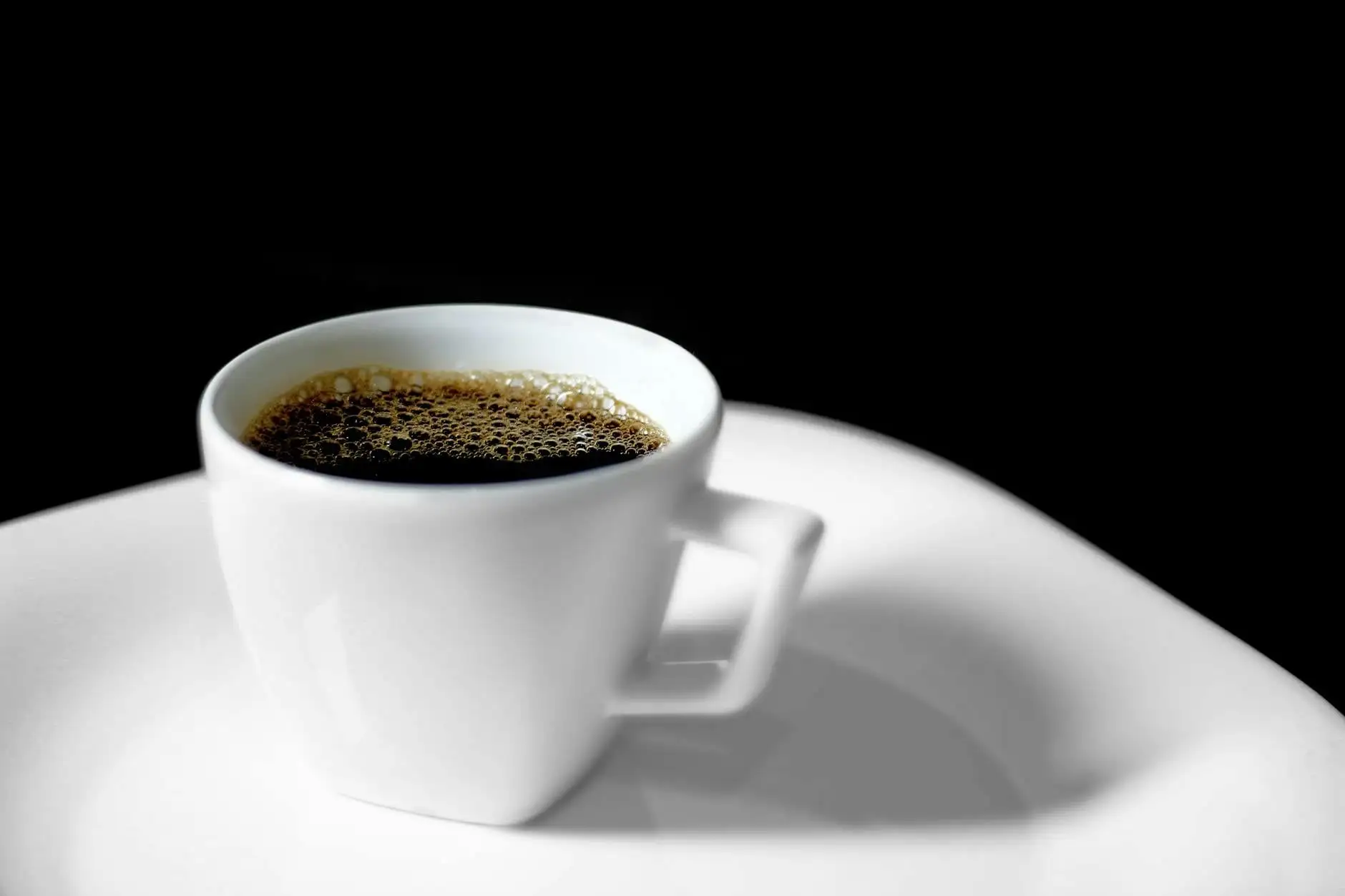
Buying a pre-dosed CBD coffee in a shop is rarely a good choice: the dose cannot be adjusted, the price per milligram remains high, and since 15 May 2026 the DGAL has been withdrawing these food products for lack of Novel Food authorisation. Preparing your own, from a legally held CBD oil and for your personal use alone, remains the simplest solution.
Regulatory box to read first
Since 15 May 2026, CBD products intended for ingestion have been withdrawn from the French market by the DGAL for as long as they lack European authorisation under EU Regulation 2015/2283. There is therefore no compliant commercial CBD coffee that you can safely buy in a shop today. The recipe below describes a strictly personal use, based on a CBD oil held separately. It is not intended for any form of sale.
Why shop-bought CBD coffees are problematic
Even before the Novel Food turning point, the pre-dosed format had recurring weaknesses. The dose cannot be adjusted: a single dose per sachet makes it impossible to increase gradually, whereas caution suggests starting with a small quantity and observing. The price per milligram is often high compared with a quality oil bought separately, for the same budget. Finally, the quality of the hemp is rarely documented in these formats: the absence of a certificate of analysis or of a clear mention of the plant variety should raise a flag, and the DGCCRF regularly checks the labelling of these products.
The principle of a home-made coffee
The idea is simple: a black coffee prepared using your usual method, into which you stir a few drops of a legally held CBD oil at the end of preparation, with a fatty carrier to help it disperse. CBD is lipophilic, so it needs fat in order to dilute properly in a drink.
For a cup of around 240 ml: prepare your coffee as usual, pour it into a heat-resistant cup, add a teaspoon of whole milk, cream or a fatty plant-based drink, let it cool for a minute, then stir in the CBD oil. Drink within ten minutes to avoid visible separation. Adding the fat first, then the oil into a mixture that is already lukewarm rather than boiling, limits evaporation and encourages emulsion.
A dosing question worth reframing
On 9 February 2026 the EFSA published a provisionally safe daily dose for CBD of 0.0275 mg per kg of body weight, or roughly 2 mg for a 70 kg adult. Almost all CBD oils on the market, with 10 to 60 mg per suggested dose, go well beyond this provisional safety threshold if consumed as food. A personal coffee prepared at home remains a use you take on knowingly, not a commercial recipe. In June 2025 ANSES also proposed to ECHA that CBD be classified as presumed toxic for human reproduction, which makes caution particularly necessary for women who are pregnant, breastfeeding or of childbearing age.
Taste, heat and the sensitivity of CBD
Never heat the oil beyond 70°C: CBD degrades progressively above that temperature, and pouring the oil into boiling coffee destroys part of it. The taste of vegetable oil remains noticeable: a strong black coffee masks it better than a light one, and whole milk or a home-made syrup soften the bitterness. Finally, CBD coffee does not "wake you up" any more: CBD is not a stimulant, caffeine alone acts on alertness; presenting it as a "booster" would be an unfounded claim.
Legal and health precautions
The preparation described remains strictly personal, with no possible commercialisation under the law as it currently stands. According to the Court of Cassation ruling of 21 June 2023, the legal THC level of the product does not exempt the driver in the event of a positive saliva test: do not consume before getting behind the wheel. Lastly, check that your oil contains only CBD, with no HHC, H4CBD or THCP, cannabinoids classified as narcotics by the ANSM since 2024.
Frequently asked questions
Can you still buy a ready-made CBD coffee in France?
No, with very rare exceptions: drinks and food preparations containing ingested CBD have been withdrawn from the market by the DGAL since 15 May 2026 for lack of Novel Food authorisation.
At what temperature does CBD oil degrade?
The available data place progressive degradation above 70°C, with a more marked loss at 100°C and above. Always pour the oil into a drink that has cooled slightly, never a boiling one.
Does CBD oil really mix into coffee?
Without fat, no: CBD is lipophilic and floats on the surface. Add milk, cream or a fatty plant-based drink before the oil to obtain an even dispersion.
How much CBD should you put in a cup?
There is no universal answer. The provisional EFSA threshold is around 2 mg per day for 70 kg; common wellness-market practice sits rather between 10 and 25 mg. Start with the smallest quantity possible.
CBD is not a medicine. To explore our selection of oils for everyday use, [browse our catalogue](/categorie-produit).
Written by the Phytogrammes team
Every article in this journal draws on primary sources (ANSM, EFSA, EUR-Lex, peer-reviewed publications) and on the lab's own practice: batch-by-batch HPLC analyses, measured cannabinoid profiles. Our approach.
Article published on . CBD is not a medicine.
Phytogrammes products that pair well
Further reading
cannabinoides·18 May 2026
What are cannabinoids? Definition, types and the French framework
Around a hundred molecules produced by hemp, by the human body and sometimes in the laboratory. Here is the basic nomenclature and the legal status of each.
cbn·18 May 2026
What is CBN (cannabinol)? Definition and the French framework
CBN is a minor cannabinoid formed by the degradation of THC. Here is its chemistry, its legal status in France and the real state of the research.
cbd·18 May 2026
Full-spectrum CBD capsules: dosage and the French framework
Softgels, 25 mg or 50 mg dosages, full or broad spectrum: an overview of ingested CBD capsules and their legal status in France since May 2026.