← Journal/18 May 2026·5 min de lecture
What is CBN (cannabinol)? Definition and the French framework
Par The Phytogrammes team ·
CBN (cannabinol) is a minor hemp cannabinoid, formed by the oxidative degradation of THC under the effect of time, light and oxygen. The first cannabinoid to be isolated scientifically, at the end of the 19th century, it is slightly psychoactive at very high doses and may be marketed in France as long as the finished product respects the 0.30% THC limit.

A discovery that predates THC
Cannabinol was isolated in the late 1890s, well before CBD (identified in 1940) and THC (identified in 1964). Researchers originally thought it was responsible for the psychoactive effects of cannabis. It took the work of Raphael Mechoulam in the 1960s to identify THC as the true intoxicating compound, and to understand that CBN is in fact a degradation product of THC, not a molecule synthesised directly by the plant.
How CBN is formed
Unlike CBD or THC, CBN does not come directly from CBGA, the mother cannabinoid of the plant. It results from the slow oxidation of THC: a fresh flower contains very little of it, often less than 0.1%, but when exposed to light and oxygen for weeks or months it gradually accumulates CBN as the THC degrades. Industrial controlled-ageing processes also make it possible to obtain extracts richer in CBN, which explains a higher production cost than for CBD.
Pharmacological profile and legal status
CBN shows a more marked affinity for the CB1 receptor than CBD, but one far below that of THC. At common commercial dosages, between 5 and 25 mg per serving, it is not considered intoxicating. It may be marketed in France in the same way as CBD, provided the finished product respects the 0.30% THC threshold set by the Conseil d'État ruling of 29 December 2022. It is not listed as a narcotic, and must be clearly distinguished from the semi-synthetic cannabinoids banned since June 2024: HHC, H4CBD, THCP and derivatives. A product combining CBN with one of these banned cannabinoids falls outside the legal framework.
CBN and sleep: what the science does, and does not, say
The dominant commercial argument for CBN remains its association with sleep. That association rests on preliminary, low-powered studies, mainly American, some of which have not been replicated with a robust control group. No European authority, including EFSA, has validated any health claim relating to CBN. In France, the HAS recommends a three-step strategy for insomnia: sleep hygiene, cognitive behavioural therapy, and medication as a last resort. CBN does not appear at any of these steps, and brands presenting it as a "natural sleeping pill" step outside the framework of authorised claims.
Practical differences from CBD
The origin differs: CBD is synthesised directly by the plant, whereas CBN results from the degradation of THC over time. So does the concentration: CBD reaches 5 to 25% in dedicated varieties, while CBN remains at trace levels (1 to 3% maximum), which explains a higher production cost and products often combined in CBD:CBN ratios of 3:1 or 5:1, on the hypothesis of the entourage effect, which has not been clinically validated to date.
Precautions for use
CBN remains inadvisable for pregnant or breastfeeding women and for minors: ANSES proposed in June 2025 to ECHA that CBD be classified as presumed toxic to reproduction, a precautionary principle that extends to minor cannabinoids. Cannabinoids modulate the liver enzymes CYP3A4 and CYP2C9: if you are on a course of treatment, ask your doctor or pharmacist for advice. Finally, a full-spectrum product containing CBN may also contain traces of THC, which can be enough to fail a roadside saliva test.
Frequently asked questions
Is CBN "stronger" than CBD?
CBN has a more marked affinity for the CB1 receptor, which explains a slight psychoactive effect at very high doses that CBD does not have. No clinical study, however, allows their effects to be compared on any given health criterion.
Can you become dependent on CBN?
No clinical data document dependence on CBN at common dosages. That does not remove the need for moderate use, limited in time.
Does CBN produce a positive saliva test?
CBN itself is not looked for by approved drug tests. A full-spectrum product containing it may, however, also contain traces of THC, which would make a test positive.
How much CBN is needed to feel an effect?
No French authority recommends a dosage. Practice observed in shops ranges from 5 to 20 mg per serving. Start with the minimum dose stated on the label and adjust gradually.
To explore our selection of CBN oils and CBD-CBN combinations with certificate of analysis, [see our spectres-chimie catalogue](/categorie-produit/extracts-cbd). CBD is not a medicine. If sleep problems persist, consult a healthcare professional.
Written by the Phytogrammes team
Every article in this journal draws on primary sources (ANSM, EFSA, EUR-Lex, peer-reviewed publications) and on the lab's own practice: batch-by-batch HPLC analyses, measured cannabinoid profiles. Our approach.
Article published on . CBD is not a medicine.
Phytogrammes products that pair well
Further reading
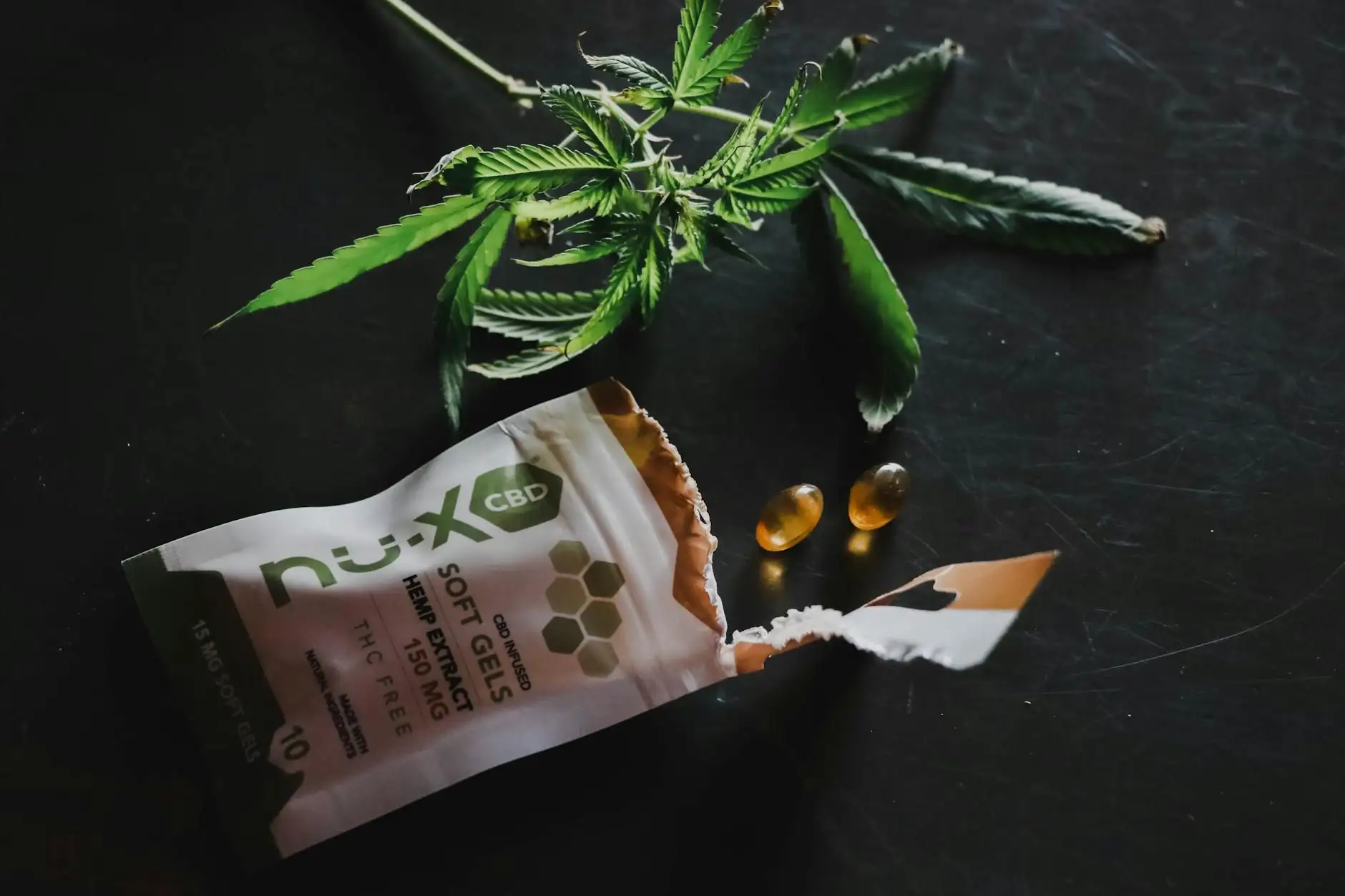
cbd·18 May 2026
Full-spectrum CBD capsules: dosage and the French framework
Softgels, 25 mg or 50 mg dosages, full or broad spectrum: an overview of ingested CBD capsules and their legal status in France since May 2026.
cbc·18 May 2026
CBC (cannabichromene): an introduction to a minor cannabinoid
CBC is a minor, non-psychoactive cannabinoid of hemp that is still little studied. A closer look at the compound and its legal status in France in 2026.

cbd·18 May 2026
CBD and occasional anxiety: what the science says
A signal exists for acute social anxiety at high doses, but no French authority has validated an anxiolytic claim for wellness CBD.