← Journal/18 May 2026·7 min de lecture
Functional mushrooms: history, science and the French framework
Par The Phytogrammes team ·
Reishi, lion's mane and cordyceps have been used for 2,000 years in traditional Asian medicine. Western science has identified active compounds (beta-glucans, hericenones, polysaccharides), but no health claim is authorised in France or in the EU. Novel Food status strictly governs how they may be sold.
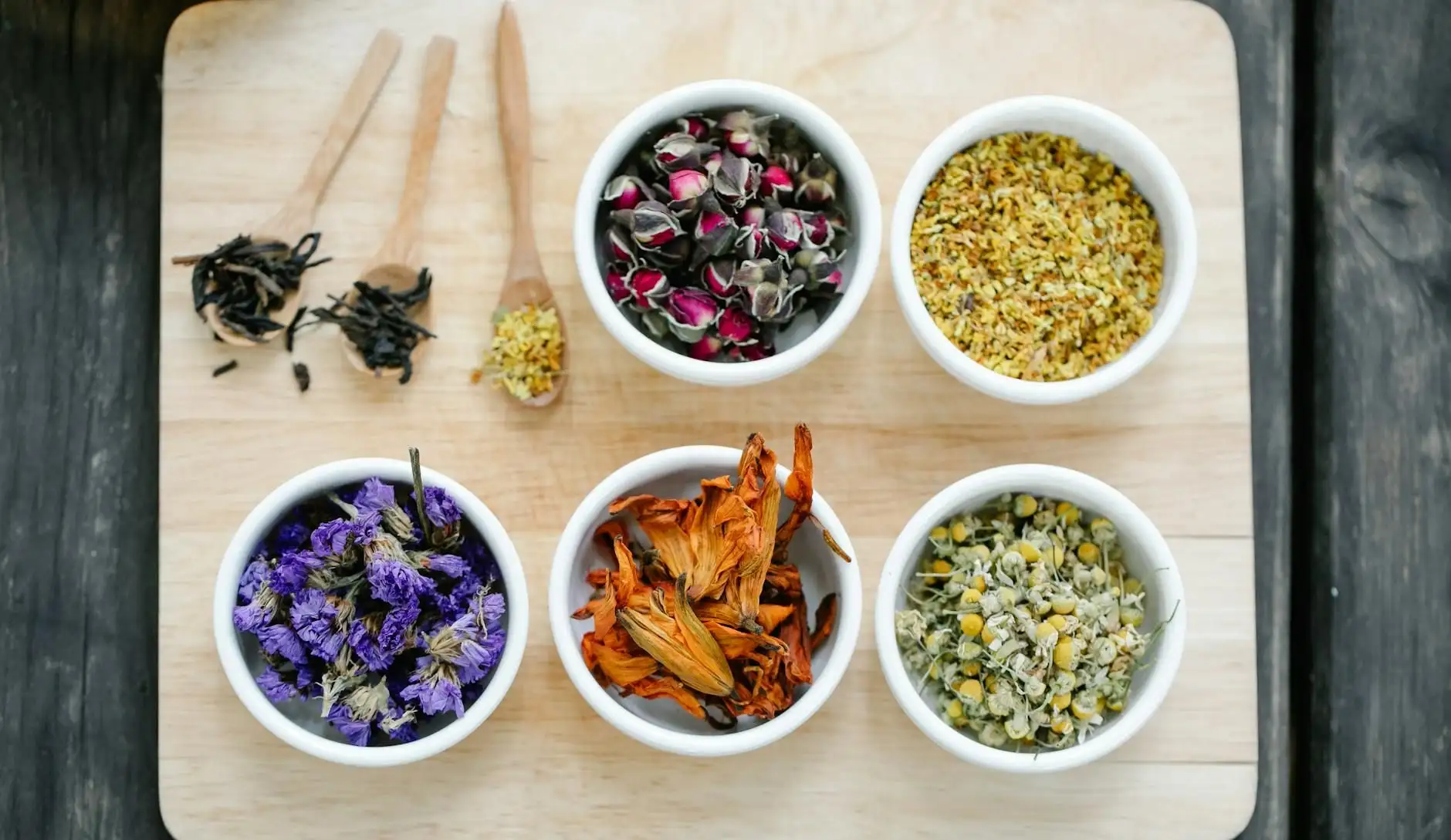
Today's enthusiasm for "functional mushrooms" did not come out of nowhere. It is rooted in thousand-year-old traditions, partly validated by modern research, and it unfolds within a recent French legal framework. Here is a measured overview.
A long Asian history
Reishi: 2,000 years of pharmacopoeia
Reishi (Ganoderma lucidum, "lingzhi" in Chinese) appears in the Chinese pharmacopoeia as early as 100 BC. Nicknamed the "mushroom of long life", it was reserved for emperors and the elite. Now cultivated on a large scale, it remains one of the most studied mushrooms in Asia.
Cordyceps: a high-altitude mushroom
Cordyceps (Cordyceps sinensis) is a parasitic fungus born in the high Tibetan valleys. Its rarity long made it a luxury product. Today the cultivated version Cordyceps militaris dominates the market — less potent according to some, but more affordable.
Lion's mane: the "hedgehog" mushroom
Hericium (lion's mane, Hericium erinaceus) has been used in traditional Japanese and Chinese medicine for centuries, mainly as a food and general tonic. Its cascading silhouette earned it its nickname.
Other traditions
Chaga (Inonotus obliquus) is a parasite of the birch tree, used in Siberia. Maitake (Grifola frondosa) is eaten in Japan as both food and tonic.
What Western science has identified
Active compounds
The main compounds under study:
- Beta-glucans (reishi, maitake, lion's mane): polysaccharides with immunomodulatory properties documented in vitro.
- Hericenones and erinacines (lion's mane): compounds able to cross the blood-brain barrier, studied for their effect on nerve growth factor (NGF).
- Cordycepin and adenosine (cordyceps): nucleosides with varied effects, studied in relation to physical performance.
- Triterpenes (reishi): may have effects on liver and cardiovascular regulation.
The limits of the studies
Most of the available clinical trials are:
- Small (fewer than 100 participants).
- Often conducted in Asia, with variable methodological standards.
- Often not replicated in double-blind conditions.
- Carried out with different preparations (powder vs standardised extract), which makes comparison difficult.
To date, no robust meta-analysis supports a public-health recommendation for these mushrooms in France.
The French legal framework
Novel Food status
European regulation 2015/2283 requires that any food or ingredient little consumed in the EU before 15 May 1997 be authorised as a Novel Food before it can be sold.
- Whole reishi or fruiting-body powder: generally authorised.
- Modern concentrated extracts: often considered Novel Food, and therefore subject to prior authorisation.
- Lion's mane: status varies with the preparation.
- Cultivated Cordyceps militaris: an uneven situation depending on the strain.
The DGCCRF carries out regular inspections and has withdrawn several products from the market since 2023.
Health claims
No health claim specific to functional mushrooms is entered in the European register created by regulation EC 1924/2006. The following are prohibited:
- "Improves memory" (lion's mane).
- "Reduces stress" (reishi, ashwagandha).
- "Improves endurance" (cordyceps).
- "Supports the immune system" (unless an associated nutrient permits it).
Brands fall back on cautious traditional references: "a plant used for centuries in Ayurvedic medicine", "a traditional mushroom".
DGCCRF declaration
Every food supplement sold in France must be the subject of a declaration to the DGCCRF under article 15 of decree 2006-352. A serious manufacturer displays its declaration number.
How to choose a serious product
Precise botanical identification
Genus + species + part used. For example: Hericium erinaceus — fruiting body, not merely mycelium.
Standardisation
A good extract will be standardised in beta-glucans (reishi, maitake) or in specific compounds (hericenones for lion's mane). Without standardisation, batch-to-batch consistency is a lottery.
Certificate of analysis
The manufacturer must be able to supply a CoA stating:
- The actual concentration of active principles.
- The absence of heavy metals (mushrooms strongly concentrate lead, cadmium and arsenic).
- The absence of mycotoxins.
- The absence of microbial contaminants.
- The origin of the raw material.
Origin
Favour European manufacturers, who are more exposed to French and European inspections. Imported products with no recent CoA present a health risk.
Precautions
- Pregnant and breastfeeding women: avoid, in the absence of data.
- Children: not recommended.
- Anticoagulant treatment: reishi may potentiate it. Seek medical advice.
- Autoimmune conditions: immune modulation is possible, seek medical advice.
- Allergies: cross-reactivity risk with moulds (isolated cases).
Why this wave now?
Several factors converge:
- A search for naturalness after COVID.
- A crisis of confidence in conventional medicine within certain segments of the population.
- Powerful marketing by American "wellness" brands (Four Sigmatic, Om Mushroom), relayed in France.
- Social networks (Instagram, TikTok) amplifying individual testimonials.
This wave is meeting an increasingly strict French regulatory framework — the DGCCRF has stepped up inspections since 2023. Consistency does not always go hand in hand with popularity.
Key points
- Functional mushrooms have been used for 2,000 years in Asia.
- Identified active compounds: beta-glucans, hericenones, polysaccharides.
- Clinical trials are generally small and rarely replicated.
- Novel Food status varies with the preparation.
- No health claim is authorised in France or in the EU.
- Check: botanical identification, standardisation, CoA, European origin.
- Not advised for pregnant or breastfeeding women, minors, or people on anticoagulants.
Frequently asked questions
Is reishi really effective against stress?
There is no official claim. Chinese and Japanese studies suggest an effect on sleep and fatigue in some patients with neurasthenia. The evidence is insufficient to support a recommendation to the general public in France.
Does lion's mane improve memory?
The Japanese study by Mori (2009) on mild cognitive decline shows a signal. Replications are limited. No official claim supports it in Europe. For cognitive disorders, consult a neurologist or a geriatrician.
Does cordyceps boost sporting performance?
Athletes may take it (it is not banned by WADA). A few Japanese papers on oxygen consumption and endurance show a signal. The evidence remains insufficient for a medical recommendation.
Can mushrooms be combined with CBD?
CBD food supplements without Novel Food authorisation have been withdrawn since 15 May 2026. Combining them stacks the Novel Food constraints (on both ingredients) with the absence of validated claims. Many products currently on sale are in breach.
Is there a risk of poisoning?
Mushrooms concentrate heavy metals. A product with no CoA, imported without checks, may contain lead or cadmium above the authorised thresholds. That is the best-documented risk.
To discover our selection of hemp products intended to accompany a moment of relaxation, [browse our stress and anxiety catalogue](/categorie-produit). CBD is not a medicine. If stress or fatigue persist, consult a healthcare professional.
Sources
Written by the Phytogrammes team
Every article in this journal draws on primary sources (ANSM, EFSA, EUR-Lex, peer-reviewed publications) and on the lab's own practice: batch-by-batch HPLC analyses, measured cannabinoid profiles. Our approach.
Article published on . CBD is not a medicine.
Phytogrammes products that pair well
Further reading
champignons-fonctionnels·18 May 2026
Functional mushrooms: types, uses and the French framework
Reishi, lion's mane, cordyceps, shiitake: these so-called adaptogenic mushrooms are of interest to researchers. An overview of their uses and of the regulatory framework.
immunite·18 May 2026
Seasonal change, immunity and CBD: the French framework
Vitamin C, vitamin D, the seasonal transition: which formulations are permitted in France, and where does CBD sit in this ecosystem?
chanvre·18 May 2026
Hemp, cannabis, marijuana: what are the differences?
The same botanical species, opposite legal statuses. Here is what separates legal hemp from cannabis classified as a narcotic in France.