← Journal/18 May 2026·4 min de lecture
Functional mushrooms: types, uses and the French framework
Par The Phytogrammes team ·
So-called "functional" mushrooms (reishi, lion's mane, cordyceps, shiitake) are species traditionally used for their content of beta-glucans and other bioactive compounds. In France they may be sold as food supplements subject to conditions, and never with a therapeutic claim.
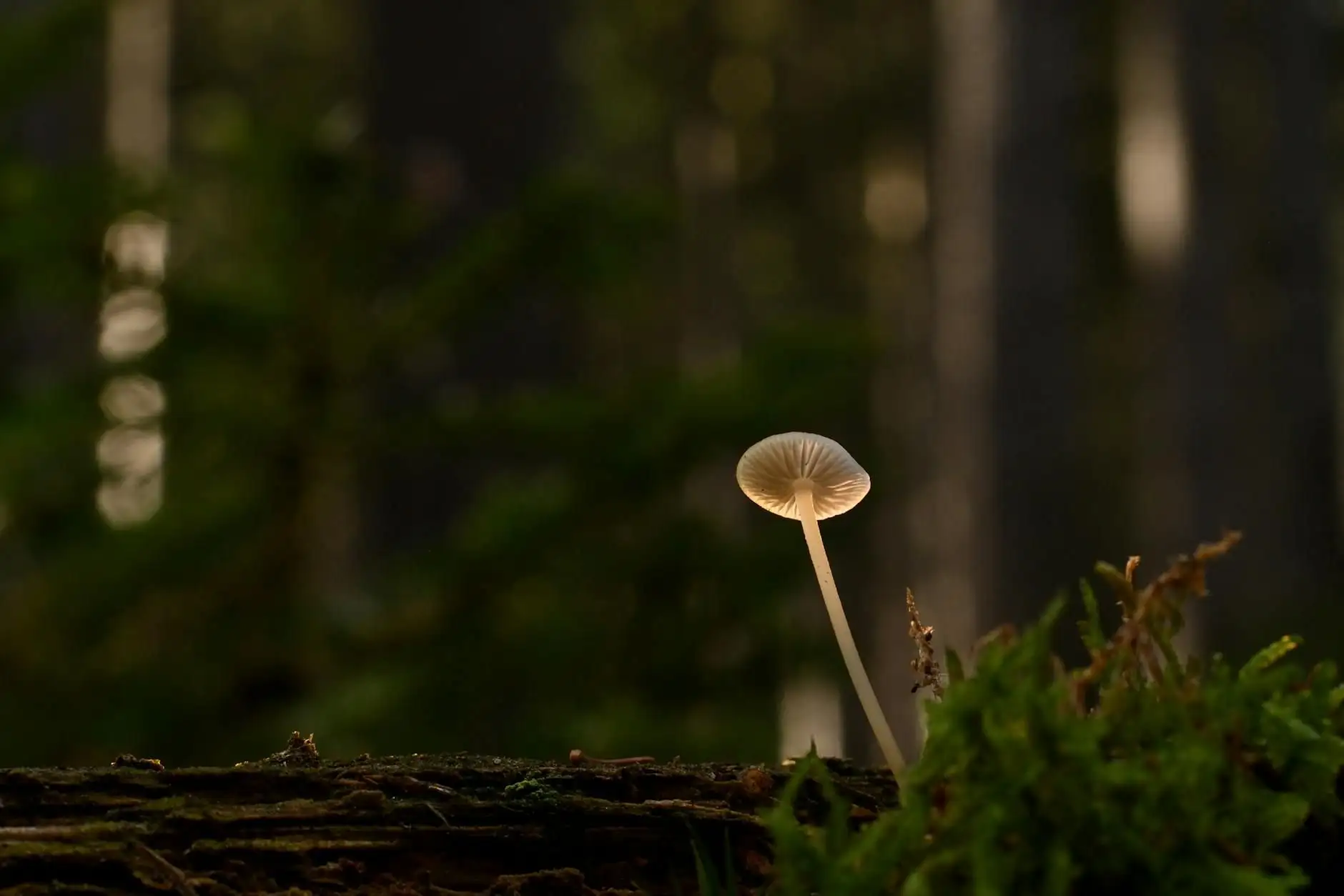
Here are the most common species, their documented uses, and what the French framework actually permits.
What exactly are we talking about
The term "functional mushroom" is an anglicism drawn from North American marketing that designates a subset of species used in traditional Chinese and Japanese medicine: Ganoderma lucidum (reishi), Hericium erinaceus (lion's mane), Cordyceps sinensis and militaris, Lentinula edodes (shiitake), Trametes versicolor, Inonotus obliquus (chaga).
These species contain compounds that have been studied: beta-glucans, triterpenes, ergosterols, polysaccharides. A review published in 2021 in the International Journal of Molecular Sciences surveys the available clinical trials and concludes that there is potential interest, while stressing the need for clinical studies of better methodological quality.
The French framework: neither a medicine nor an unchecked food
In France, functional mushrooms hold no marketing authorisation as a medicine. They are sold as food supplements under the regime of Directive 2002/46/EC. The mushroom used must have a significant history of consumption in the EU before 1997, failing which it falls under the Novel Food regulation and must obtain prior authorisation, as our article on adaptogenic mushrooms without CBD sets out.
No health claim within the meaning of Regulation EC 1924/2006 is entered in the European register for these species: no brand may assert that a reishi-based supplement "reduces stress". The permitted vocabulary remains that of composition ("rich in beta-glucans") and of general wellbeing. The DGCCRF regularly checks labelling and the compliance of claims.
The main species and their traditional uses
- Reishi: used for more than two thousand years in the Chinese pharmacopoeia under the name lingzhi, rich in triterpenes; research is exploring its role in the stress response, with no therapeutic validation.
- Lion's mane: shaped like a head of white hair, it contains hericenones and erinacines; several exploratory studies are examining its interest for cognition, with insufficient evidence to date.
- Cordyceps: discovered on the high plateaus of the Himalayas, traditionally associated with physical endurance; the militaris form, cultivated industrially, is more accessible than wild sinensis.
- Shiitake: the second most cultivated mushroom in the world, rich in lentinan, with a well-established food status in Europe.
Stress and supplements: what cautious science says
Chronic stress is a public health issue documented by Santé publique France. In the ethnopharmacological literature, the term "adaptogen" designates a substance supposed to help the body better withstand stress. The concept, formalised in the 1950s, remains debated in Western science, and the EFSA has validated no health claim founded upon it.
Inserm points out that research into these substances remains exploratory. For managing everyday stress, the recommended measures remain behavioural: sufficient sleep, regular physical activity, a balanced diet.
CBD is not a medicine. In the event of persistent anxiety, consult a healthcare professional.
Frequently asked questions
Are functional mushrooms reimbursed in France?
No. They are food supplements, sold over the counter, with no cover by the state health insurance scheme, whatever the species concerned.
Can these mushrooms be eaten in cooking rather than taken as a supplement?
Yes for shiitake, which is edible and widely available fresh or dried. Reishi remains rare in cooking because of its woody texture; cordyceps and lion's mane are mostly consumed as supplements.
Lion's mane and concentration: what does the research say?
A few exploratory studies suggest interest for certain cognitive functions in older subjects. The data remain insufficient for a medical recommendation, and no health claim is authorised in Europe.
What is the connection with CBD?
There is no recognised pharmacological link. The two categories obey distinct legal frameworks: Novel Food for mushrooms in food, a specific framework for CBD, set out in our article on the differences between hemp and recreational cannabis.
Written by the Phytogrammes team
Every article in this journal draws on primary sources (ANSM, EFSA, EUR-Lex, peer-reviewed publications) and on the lab's own practice: batch-by-batch HPLC analyses, measured cannabinoid profiles. Our approach.
Article published on . CBD is not a medicine.
Phytogrammes products that pair well
Further reading
immunite·18 May 2026
Seasonal change, immunity and CBD: the French framework
Vitamin C, vitamin D, the seasonal transition: which formulations are permitted in France, and where does CBD sit in this ecosystem?
chanvre·18 May 2026
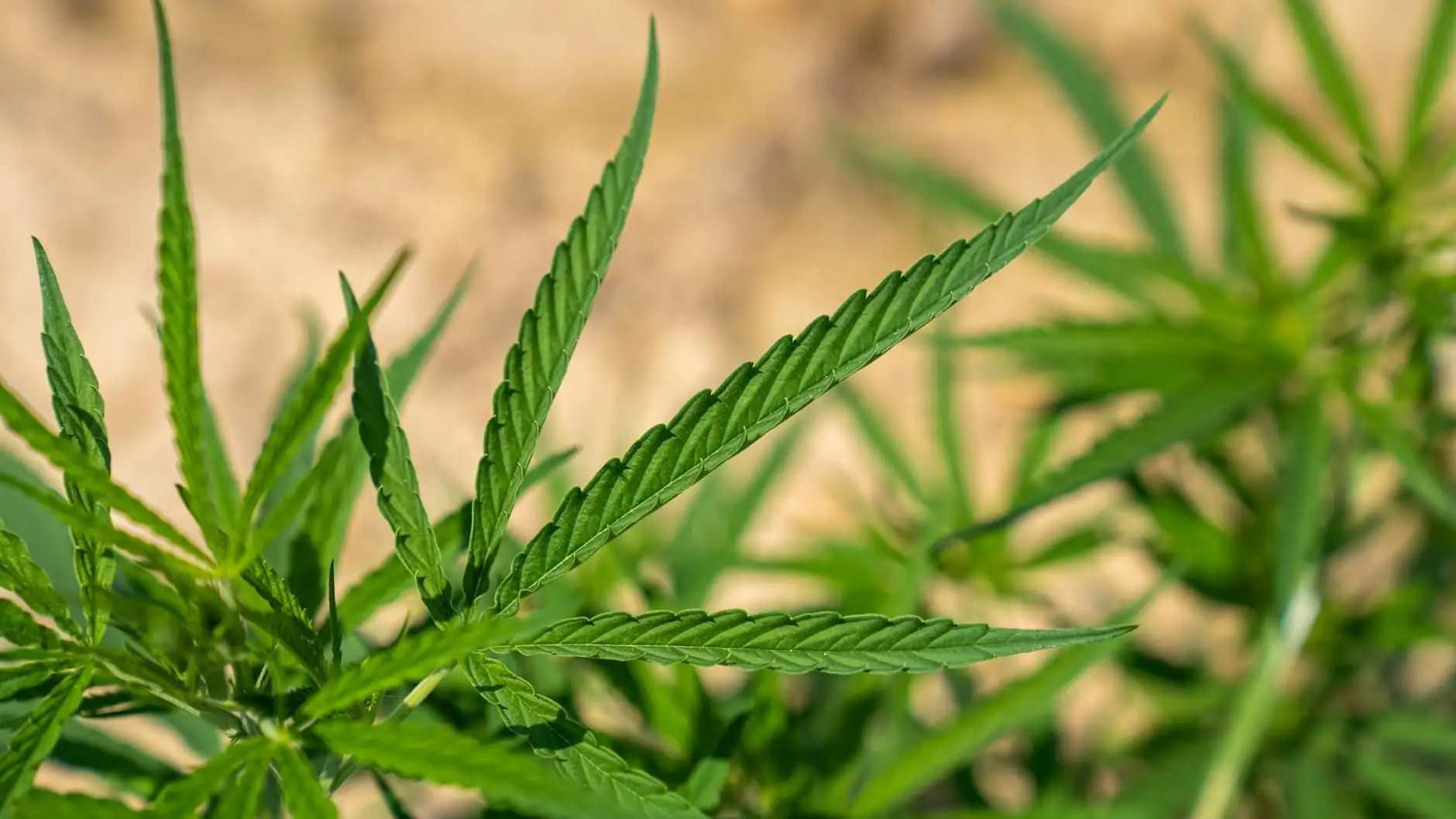
Hemp, cannabis, marijuana: what are the differences?
The same botanical species, opposite legal statuses. Here is what separates legal hemp from cannabis classified as a narcotic in France.

chien·18 May 2026
Helping a dog settle into a new home without stress
A house move or an adoption is a shock for a dog. Here is the 3-3-3 method, endorsed by behaviourists, and the framework for veterinary CBD in France.