← Journal/18 May 2026·7 min de lecture
Helping a dog settle into a new home without stress
Par The Phytogrammes team ·
The 3-3-3 rule sums up how a dog adapts to a new home: 3 days of shock, 3 weeks of finding its bearings, 3 months to feel completely at home. A stable routine, a space of its own, patience and — where necessary — veterinary support make all the difference.
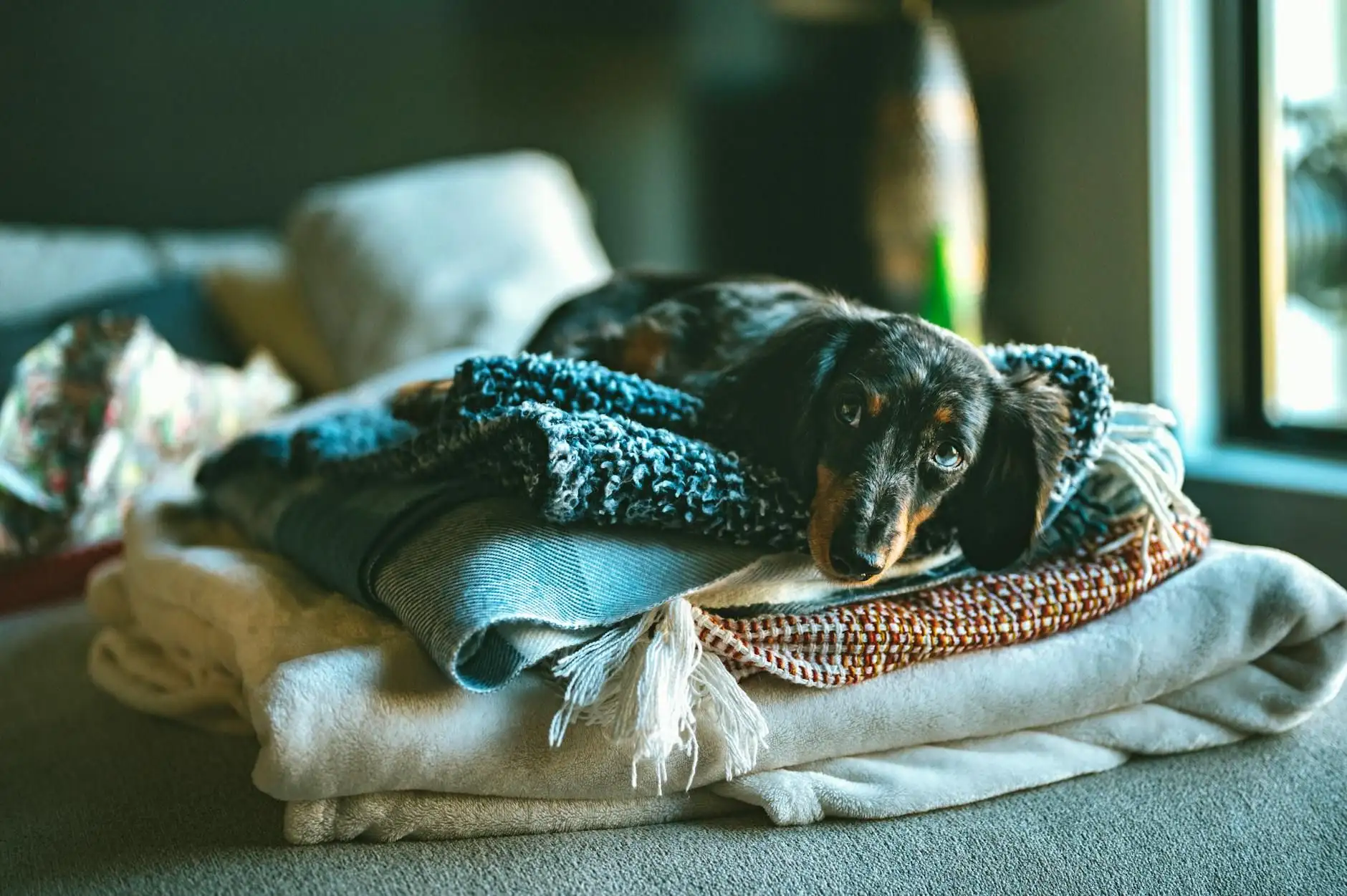
Adoption from a shelter, taking in a relative's dog, a family moving house with its long-standing dog: these situations share a common mechanism. The dog loses its olfactory, auditory and social bearings. Here are the good practices endorsed by French behaviourists.
Why a new home is stressful
A dog organises its world through spatial and olfactory memory. Its territory is marked (urine, interdigital glands), its social hierarchy is established, its time cues (meal times, walk times) are stable.
Any major change — a new place, new humans, new noises, new animals — triggers a phase of adaptive stress whose length varies according to:
- The dog's age (puppies adapt more quickly).
- Its personal history (shelter dogs with a traumatic past).
- The breed (some breeds are more sensitive to change).
- Individual personality.
The 3-3-3 rule
Circulated by canine associations and veterinary behaviourists, this rule sets expectations:
The first 3 days: the shock
- The dog may seem switched off, refuse to eat, sleep a great deal, or on the contrary be very agitated.
- It may have indoor accidents even if it is house-trained.
- It sometimes avoids contact or, conversely, sticks close.
What helps: calm, few visitors, a basic routine (meals, walks), no imposed cuddling.
The first 3 weeks: finding its bearings
- The dog begins to explore the space.
- It tests the rules (sofa, bowl, toys).
- Its real personality gradually emerges.
What helps: setting the rules firmly but without aggression, praising good behaviour, structuring walks and meals.
The first 3 months: integration
- The dog feels at home.
- It develops its attachment to the humans in the household.
- Any deep-seated behavioural problems may surface.
What helps: gradual socialisation, positive training, a first veterinary appointment if not already done.
The 7 practical levers for a successful adjustment
1. Prepare for the arrival before the dog is there
- Buy a bed, bowls, toys and a lead.
- If possible, get hold of an object carrying the smell of its previous home (a blanket, a toy from the shelter).
- Make the garden and the rooms safe (fragile objects, toxic plants, open windows).
2. Create a quiet space of its own
A bed in a less busy room. The dog needs to know it has somewhere no one will come and disturb it. Not a place locked away: a corner it chooses itself, or one arranged for it.
3. Keep a very stable routine
Identical meal and walk times every day. It is predictability that reassures a dog, more than the amount of attention.
4. Limit visitors and demands
No house-warming in the first week. The dog must first anchor you as its reference point, before coping with multiple faces.
5. Go out and explore gradually
The first few days: short walks in the immediate neighbourhood. Widen the range over two to three weeks. Excessive early socialisation can exhaust a fragile dog.
6. See the vet promptly
A check-up within 15 days of the adoption or the move allows:
- Verification of identification (I-CAD microchip up to date).
- Updating of vaccinations.
- Detection of any medical problems contributing to the stress.
7. Call in a behaviourist if needed
Where stress persists beyond 3 to 4 weeks, or if serious problems emerge (aggression, escaping, self-harm), a veterinary behaviourist (a title validated by the Ordre des vétérinaires) will provide support through a structured protocol.
The particular case of moving house with a dog
A few specific precautions:
- On moving day: leave the dog with a relative or at a day-care facility for the day. This avoids the commotion of boxes, open doors and strangers.
- On arrival: go into the new home first with the dog on the lead, let it look round calmly, and settle it in its own space before any other unpacking.
- Update the I-CAD record: if you change address, register the new location on the I-CAD website (compulsory under French regulations).
CBD for adjustment: what you need to know
No CBD-based veterinary medicine holds a marketing authorisation (AMM) in France (ANMV index). A vet may prescribe it off-label under the therapeutic cascade (EU Regulation 2019/6), notably for dogs showing marked anxiety during the adjustment phase.
Conditions:
Key points
- The 3-3-3 rule: 3 days, 3 weeks, 3 months to adapt.
- Stable routine + a space of its own + patience = the basic trio.
- Limit visitors and demands for the first 2 weeks.
- Veterinary visit within 15 days.
- Updating the I-CAD record is compulsory when moving house.
- Veterinary behaviourist if stress lasts more than 3-4 weeks or serious problems appear.
- Veterinary CBD: professional advice compulsory, THC-free isolate.
Frequently asked questions
My dog has refused to eat since the adoption, is that normal?
Yes, for 1 to 3 days. Beyond 48 hours of complete refusal, especially with lethargy, see the vet. Try tempting it with its former food (if you managed to get some) rather than introducing a new brand straight away.
Should you sleep with an adopted dog on the first night?
Not necessarily. Show it its bed, and stay close if it is very anxious. Ideally it sleeps in the same room as you for the first few nights, without being on the bed. Adjust according to the dog.
When can the dog be left alone at home?
Ideally after 2 to 3 weeks of adjustment. Start with short absences (15 minutes) and build up gradually. If you notice signs of separation anxiety (destruction, accidents, continuous barking), a veterinary behavioural consultation is worthwhile.
My adopted dog is afraid of my partner, what should I do?
Patience and positive associations. The partner gives the meals and the treats, and offers the games, without forcing contact. The dog must choose its own pace. If the fear persists beyond 4-6 weeks, consult a behaviourist.
How much does a behavioural consultation cost?
Expect €80 to €150 for a first consultation with a veterinary behaviourist, which usually lasts 1 hour to 1 hour 30. Some pet insurance schemes reimburse part of it. A worthwhile investment for persistent problems.
To discover our selection of hemp products for animal well-being — always on your vet's advice — [see our stress and anxiety catalogue](/categorie-produit). CBD is not a medicine. In the event of persistent behavioural problems, consult a qualified veterinary behaviourist.
Sources
Written by the Phytogrammes team
Every article in this journal draws on primary sources (ANSM, EFSA, EUR-Lex, peer-reviewed publications) and on the lab's own practice: batch-by-batch HPLC analyses, measured cannabinoid profiles. Our approach.
Article published on . CBD is not a medicine.
Phytogrammes products that pair well



Further reading
chien·18 May 2026
Restless dog: 6 validated natural levers and the veterinary CBD framework
A restless dog is sending signals worth decoding. Here are 6 levers validated by French behaviourists, and the strict framework for veterinary CBD.
cbd-chien·18 May 2026
Restless dog at night: advice and the veterinary CBD framework
Lack of activity, stress, pain: a dog that is restless at night often signals an unmet need. A look at the options and veterinary CBD in France.

chien·18 May 2026
Anxious dog in the car: what to do for calmer journeys?
Panting, whining, vomiting: car anxiety affects many dogs. A gradual approach, veterinary advice and the French framework for CBD for animals.