← Journal/18 May 2026·4 min de lecture
Lion's mane, “brain support” and CBD: what is said in France
Par The Phytogrammes team ·
American "brain support" ranges often pair lion's mane with CBD, promising benefits for memory and concentration. In France, no cognitive claim has been approved by EFSA for either ingredient, and ingestible CBD has been restricted since 15 May 2026.
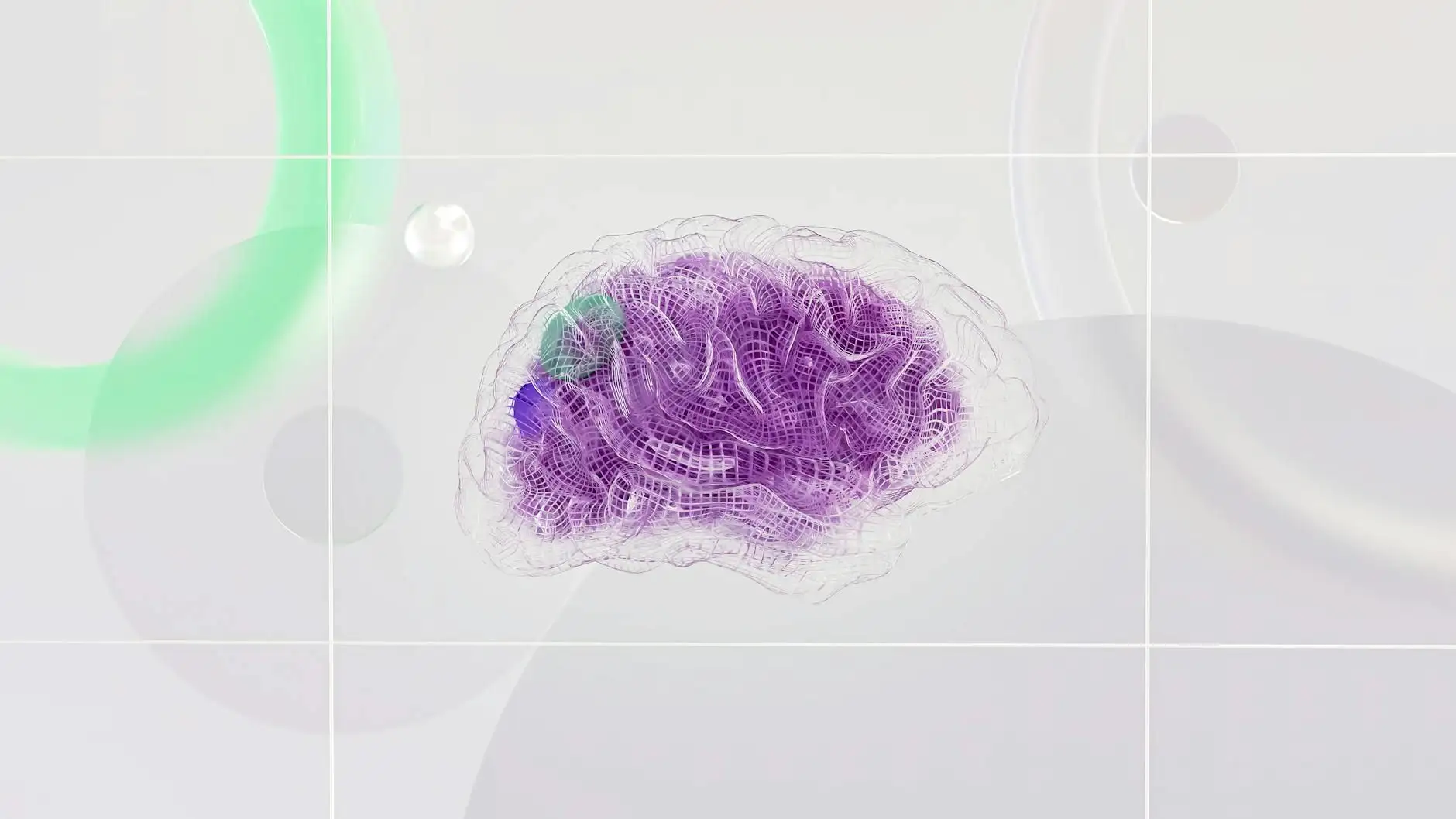
Why lion's mane intrigues neuroscience research
Hericium erinaceus, or lion's mane, is a mushroom rich in polysaccharides, in specific terpenoids (erinacines, hericenones) and in amino acids including ergothioneine, a rare antioxidant. Preclinical studies, conducted in vitro and on animal models, have explored its potential influence on nerve growth factor (NGF). Human clinical studies remain scarcer and methodologically mixed, with small samples and few robust placebo groups: they have not been enough to secure an EFSA claim.
The wall of cognitive claims
The European register of health claims, established under Regulation (EC) No 1924/2006, approves a cognitive function claim only for zinc, iodine, iron and several B-group vitamins (B1, B5, B6, B12, niacin, biotin) as well as magnesium. Lion's mane and CBD do not appear there. The "brain support", "for memory" or "for concentration" formulations seen on foreign markets therefore cannot legally be reproduced in France for these two ingredients.
The French status of lion's mane
Lion's mane appears in the order of 24 June 2014 listing the plants authorised in food supplements in France, which allows it to be marketed as a powder or a dried fruiting body, subject to good manufacturing practice and the absence of any unapproved claim. Concentrated extracts, obtained through more advanced extraction processes, may on the other hand fall under the Novel Food regulation depending on the process used, with the European Commission examining such files case by case.
CBD: a double obstacle in 2026
For a gummy combining lion's mane and CBD, two further constraints have applied since 15 May 2026: the withdrawal from the French market of ingestible CBD products without Novel Food authorisation under Regulation (EU) 2015/2283, and the provisionally safe daily dose set by EFSA at around 2 mg per day for a 70 kg adult, which most gummies sold abroad exceed by a wide margin. An ingestible "brain support" formulation combining these two ingredients can therefore no longer be reproduced on the French consumer market.
What it remains legitimate to say
To stay within the law in France, a supplement containing lion's mane alone may display a factual botanical description, an exact composition per dose, and the approved EFSA claims of the nutrients included alongside it (zinc, B vitamins, magnesium). Multivitamin supplements and sound general lifestyle habits (sleep, physical activity, a varied diet) remain the only legitimate routes to talking about cognitive function in France. Any "brain", "memory" or "concentration" formulation associated with lion's mane or CBD would be reclassified as an unauthorised claim.
Frequently asked questions
Is lion's mane effective for memory?
The preclinical studies are promising, but human clinical studies remain few in number and mixed in quality. No European authority has approved a cognitive claim, which rules out any marketing statement to that effect.
Can lion's mane be combined with neurological treatment?
This should be discussed with a doctor or pharmacist. The interaction has not been the subject of systematic assessment, so caution is called for alongside long-term treatment.
Can a CBD "brain support" gummy be sold in France?
Not as far as the ingestible CBD part goes, since 15 May 2026. Supplements containing lion's mane alone, without CBD, may still be marketed under the plants order, with no cognitive claim.
Which nutrients support cognitive function according to EFSA?
Zinc, iodine and iron at adequate doses, along with vitamins B1, B5, B6 and B12, niacin, biotin and magnesium, carry approved claims relating to normal cognitive or psychological function.
CBD is not a medicine. If cognitive difficulties persist, consult a health professional. To explore our wellness selection, [browse our catalogue](/categorie-produit).
Sources
Written by the Phytogrammes team
Every article in this journal draws on primary sources (ANSM, EFSA, EUR-Lex, peer-reviewed publications) and on the lab's own practice: batch-by-batch HPLC analyses, measured cannabinoid profiles. Our approach.
Article published on . CBD is not a medicine.
Phytogrammes products that pair well
Further reading
criniere-de-lion·18 May 2026
Lion's mane and CBD: what the claims rules really allow
Novel Food status, the claims register, DGCCRF inspections: a full regulatory breakdown of lion's mane and CBD supplements.
delta-8-thc·18 May 2026
Delta-8 THC in France: legal framework and health risks
Delta-8 THC is a psychoactive semi-synthetic cannabinoid. In France it falls under narcotics law in the same way as delta-9. A breakdown of the 2026 framework.

dette-de-sommeil·18 May 2026
Sleep debt in France: figures and hotspots for 2026
How many hours the French really sleep, where people sleep least and why: the figures, with data from INSV and Santé publique France.