← Journal/18 May 2026·5 min de lecture
Lion's mane and CBD: what the claims rules really allow
Par The Phytogrammes team ·
Lion's mane (Hericium erinaceus) is permitted as a food supplement in France, but no cognitive claim may legally be attached to it, nor to CBD. The Novel Food status, the European claims register and the DGCCRF inspections draw a precise framework, one often ignored by the "focus" formulations sold abroad.
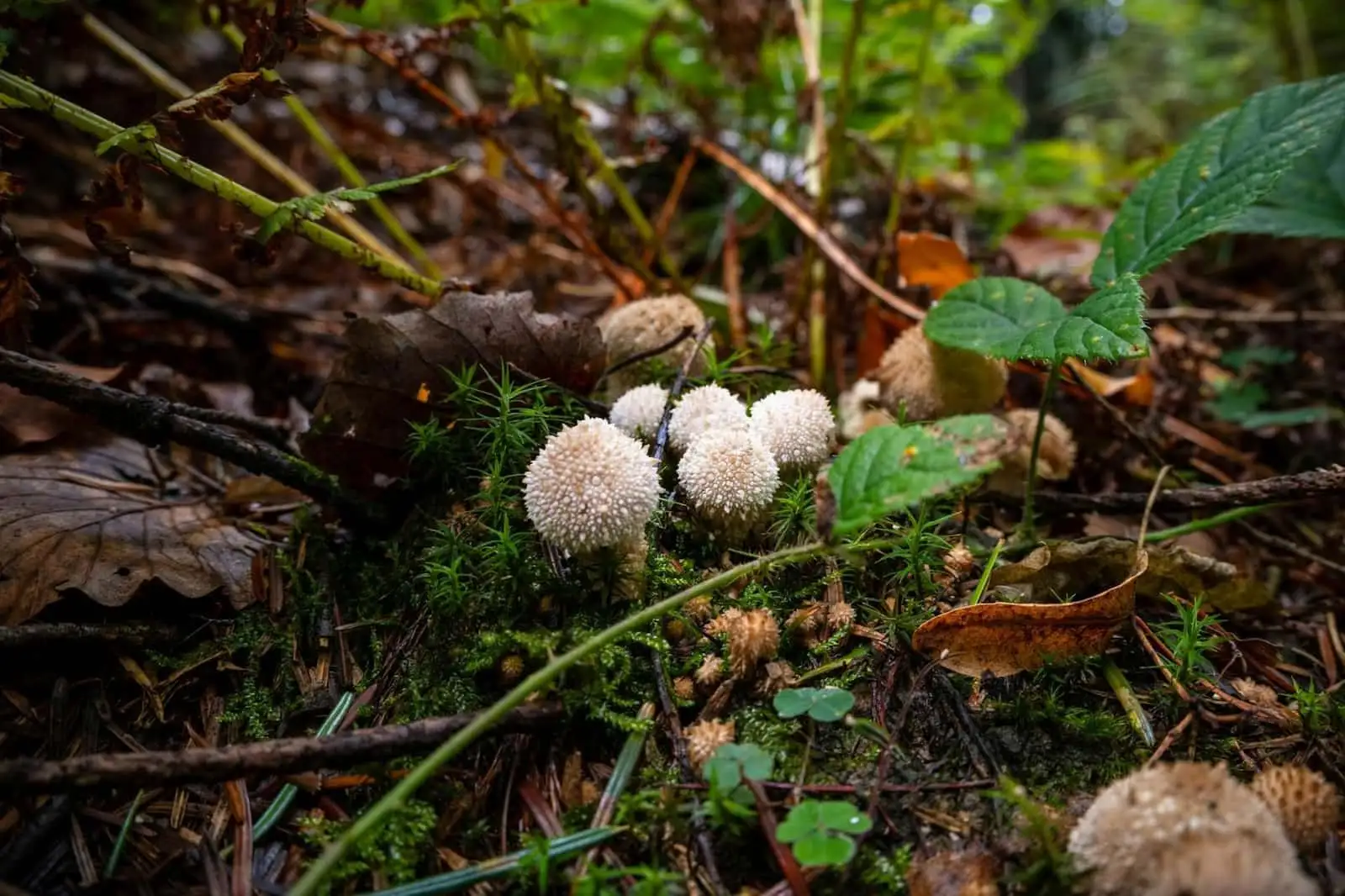
A mushroom straddling the pharmacopoeia and Novel Food
Hericium erinaceus is an edible basidiomycete used for centuries in traditional Chinese medicine, and eaten as a food in Japan, Korea and China. Its classic consumption, as a whole fruiting body or as a powder, falls outside the Novel Food perimeter: it was already widespread in Europe before 15 May 1997, the pivotal date of the regulation. Concentrated extracts obtained by hydro-alcoholic extraction or fractionation, on the other hand, may come under Novel Food depending on the concentration and the process used, with the European Commission handling these files case by case through its status catalogue.
What the claims register actually authorises
The European register of health claims, drawn up under Regulation EC No 1924/2006, recognises a claim on cognitive function only for zinc, iodine, iron, pantothenic acid (vitamin B5) and vitamin B1. Neither lion's mane, nor reishi, nor cordyceps, nor CBD appears there. A brand using the words "focus", "concentration" or "intellectual performance" for these ingredients exposes itself to reclassification by the French authorities as an unauthorised health claim.
The twofold obstacle facing ingested CBD in 2026
For a gummy combining lion's mane and CBD, the regulatory constraint has doubled since 15 May 2026: the DGAL is withdrawing from the French market any ingested CBD product without Novel Food authorisation under Regulation (EU) 2015/2283, and the provisionally safe daily intake set by EFSA remains around 2 mg a day for a 70 kg adult, a threshold that a gummy dosed at 10 mg far exceeds. A formulation combining the two ingredients is therefore, as regards its cannabinoid part, on the margins of the French framework.
The plants order and what may still be said
The order of 24 June 2014, known as the "plants order", lists the plants permitted in food supplements in France, Hericium erinaceus among them. A French brand may therefore market a supplement containing lion's mane alone, provided it excludes any cognitive claim and checks, for concentrated extracts, the Novel Food status case by case. Legitimate formulations stay factual: botanical description, exact composition per dose, mention of the associated nutrients alongside their validated claims.
Regulatory vigilance: DGCCRF and nutrivigilance
The 2024 inspections carried out by the DGCCRF recorded a non-compliance rate of about 15 % across the CBD sector, a figure that illustrates the persistent gap between the marketing seen in shops and the legal framework. In parallel, the ANSES nutrivigilance scheme collects reports of adverse effects linked to food supplements. In the event of a digestive, skin or neurological reaction after taking a lion's mane supplement, alone or combined with CBD, report it through the ANSES portal and stop using it.
Frequently asked questions
What dose of lion's mane is used in the studies?
The available clinical studies generally use 500 to 3,000 mg a day, over periods ranging from a few weeks to several months, with cautious methodological conclusions.
Is lion's mane compatible with a medical treatment?
Interaction with medicines has not been the subject of a systematic evaluation. Any prolonged supplementation must be discussed with a doctor, particularly on anticoagulant or neurological treatment.
What is the difference between lion's mane powder, extract and tincture?
The powder corresponds to the dried, ground fruiting body. The extract concentrates the active compounds using a solvent. The tincture is a liquid hydro-alcoholic extract, the most likely of the three to fall within the Novel Food perimeter.
What should you do after a reaction to a lion's mane supplement?
Stop taking it and report the adverse effect through the ANSES nutrivigilance portal. Consult a doctor if the symptoms persist or worsen.
CBD is not a medicine. In case of persistent cognitive difficulties, consult a healthcare professional. To explore our wellness selection, [browse our catalogue](/categorie-produit).
Sources
Written by the Phytogrammes team
Every article in this journal draws on primary sources (ANSM, EFSA, EUR-Lex, peer-reviewed publications) and on the lab's own practice: batch-by-batch HPLC analyses, measured cannabinoid profiles. Our approach.
Article published on . CBD is not a medicine.
Phytogrammes products that pair well
Further reading
delta-8-thc·18 May 2026
Delta-8 THC in France: legal framework and health risks
Delta-8 THC is a psychoactive semi-synthetic cannabinoid. In France it falls under narcotics law in the same way as delta-9. A breakdown of the 2026 framework.

dette-de-sommeil·18 May 2026
Sleep debt in France: figures and hotspots for 2026
How many hours the French really sleep, where people sleep least and why: the figures, with data from INSV and Santé publique France.

sommeil·18 May 2026
Sleeping with neck pain: pillow, posture, evening routine
Two thirds of adults will experience neck pain at some point in their lives. Here are the pillow, posture and evening routine adjustments that help you sleep better.