← Journal/18 May 2026·4 min de lecture
Sleeping with back pain: useful positions and advice
Par The Phytogrammes team ·
Back pain disrupts sleep, and degraded sleep worsens the perception of pain — a two-way relationship documented by the Société française d'étude et de traitement de la douleur (SFETD). According to Assurance Maladie, 80% of adults will experience at least one episode of lower back pain in their lifetime. The HAS recommends staying active rather than resting at length, and adapting your sleeping posture.
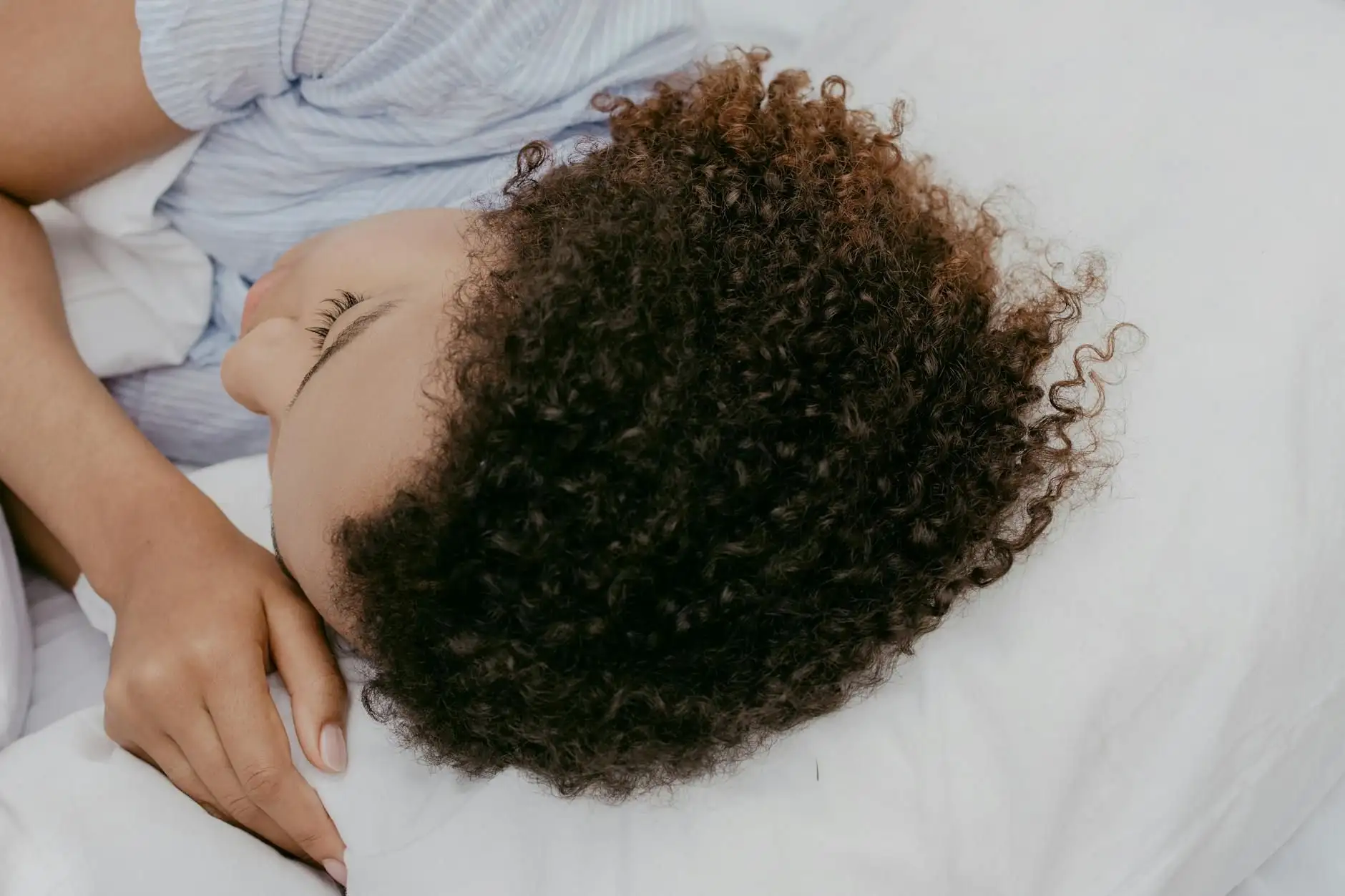
The common causes of back pain
Assurance Maladie lists the most frequent risk factors: prolonged sitting or standing postures, awkward movements and the lifting of heavy loads, a sedentary lifestyle and weak abdominal and lumbar muscles, excess weight, stress, or a history of injury. The great majority of these episodes are ordinary lower back pain, with no identifiable serious cause, which resolves within a few days to a few weeks provided suitable activity is maintained.
Which position should you adopt for sleeping?
Side sleepers
Place a pillow between the knees to align hips, pelvis and spine, with a slight bend in the knees to release the lower back. A cervical pillow matched to shoulder width completes the set-up.
Back sleepers
A thin pillow under the knees preserves the natural lumbar curve. If the lower back is sensitive, a small additional cushion under the arch can help.
Front sleepers
This is the least recommended position for the lower back. If you cannot manage to sleep any other way, a pillow under the hips and abdomen reduces the excessive arch.
Mattresses and pillows: finding the right balance
No official recommendation defines a universally better type of mattress. The criterion that counts is the support-comfort balance: too soft a mattress lets the spine sag, too firm a mattress creates pressure points. The rule of thumb is to try it in store for at least ten minutes, in your usual position. For the pillow, thickness depends on your dominant sleeping position; ergonomics count for more than price.
Preparing for sleep when the back is sensitive
The INSV and the SFETD converge on a few useful evening habits: gentle stretching of the posterior chain for 15 minutes, self-massage of the lower back and glutes with a roller or a ball, applying heat to the lower back 15 to 20 minutes before bed, a lukewarm shower, and controlled breathing to activate the parasympathetic system. Regular daytime physical activity — walking, swimming, cycling — remains the best protective factor in the long run.
CBD cosmetics: a stable framework, with no analgesic claim
Pure CBD has been listed in the European Commission's CosIng database since February 2021, and hemp leaves were added to it in 2024. Topical CBD creams and balms may therefore be marketed subject to European cosmetics regulation 1223/2009: CPNP notification, compliant INCI labelling, traceability.
No analgesic or anti-inflammatory claim is authorised: the lawful vocabulary remains that of "muscular comfort" or of a "massage ritual". For ingested CBD (oils, gummies, capsules), the Novel Food regulation has applied since 15 May 2026, with a progressive withdrawal of products lacking European authorisation, and the EFSA has set a provisionally safe daily dose of 0.0275 mg/kg/day. To go further into the origin of these extracts, see our article on where CBD comes from.
When to see a doctor about back pain
The HAS distinguishes several warning signals that warrant a prompt consultation: intense pain persisting beyond a few days, pain running down a leg (sciatica), numbness or loss of strength, urinary or bowel disturbance, a history of cancer or a recent trauma. For ordinary lower back pain with no warning signal, a consultation becomes useful beyond four to six weeks of persistent pain.
CBD is not a medicine. If back pain is persistent or intense, consult your GP.
Frequently asked questions
Is a firm mattress better for the back?
Not systematically. Optimal firmness depends on weight, body shape and sleeping position. The goal remains spinal alignment, not hardness for its own sake.
Does a CBD balm really relieve pain?
No analgesic claim is authorised for CBD cosmetics in France. Regular users describe a sensation of muscular comfort to be worked into a self-massage routine, with no demonstrated therapeutic effect.
Should you sleep without a pillow when you have back pain?
No. A pillow suited to your sleeping position maintains cervical and dorsal alignment. Going without generally brings no relief and may accentuate neck pain.
When should you see a doctor about lower back pain?
Seek prompt advice in the event of sciatica, sphincter disturbance, fever or trauma. For ordinary lower back pain, a consultation becomes useful beyond four to six weeks of persistence.
Written by the Phytogrammes team
Every article in this journal draws on primary sources (ANSM, EFSA, EUR-Lex, peer-reviewed publications) and on the lab's own practice: batch-by-batch HPLC analyses, measured cannabinoid profiles. Our approach.
Article published on . CBD is not a medicine.
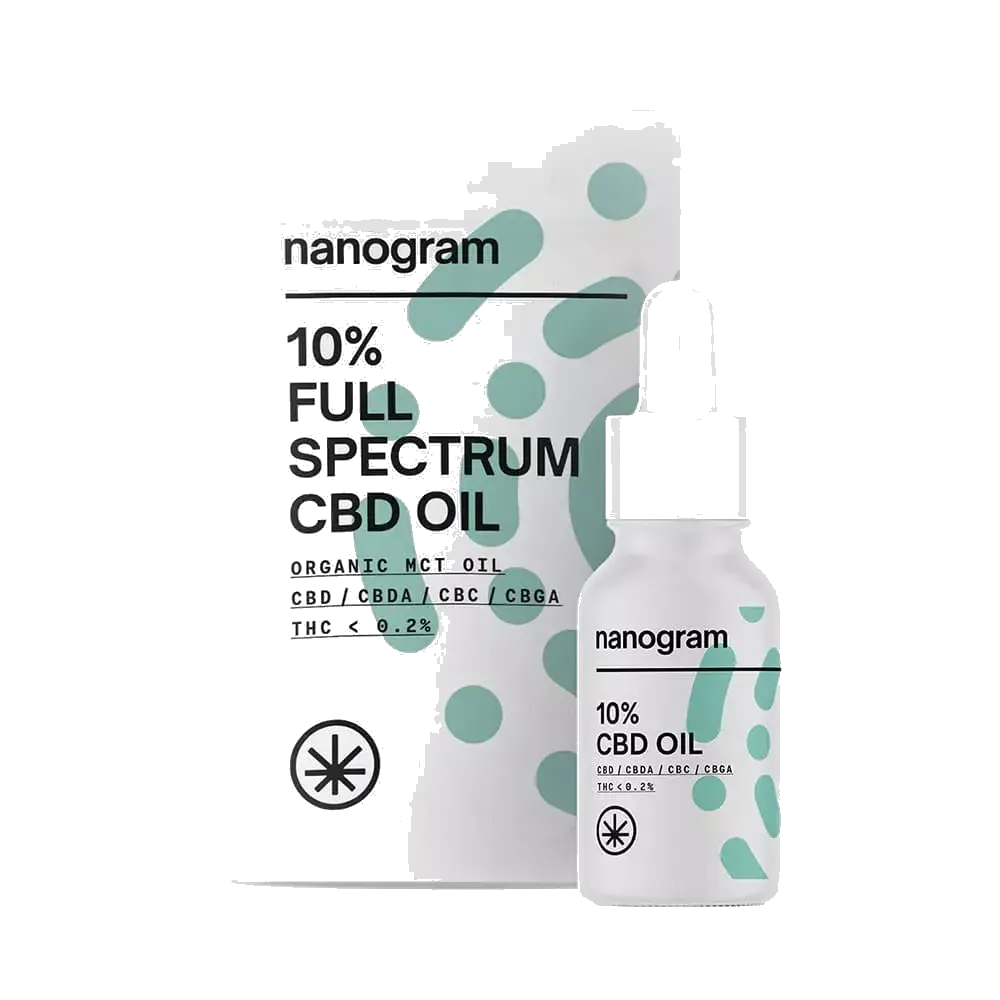
Phytogrammes products that pair well


Further reading
cbd-topique·18 May 2026
Neck pain — common causes and wellbeing rituals
Understanding where neck pain (cervicalgia) comes from, and fitting a CBD cosmetic into a self-care ritual, within the French framework.
cbd-topique·18 May 2026
Hip pain — wellbeing rituals and CBD cosmetics
How to understand the common causes of hip pain and add a CBD cosmetic to a wellbeing ritual, within the French regulatory framework.
cbd-topique·18 May 2026
Hand and wrist pain — CBD wellness rituals
Understanding the common causes of hand and wrist pain, and fitting a CBD cosmetic into a self-care routine within the French framework.