← Journal/18 May 2026·4 min de lecture
Foot pain — common causes and self-care rituals
Par The Phytogrammes team ·
The feet carry the whole weight of the body for hours at a time, and walking several thousand steps a day loads every joint over and over. The most frequent complaints, plantar fasciitis, metatarsalgia, hallux valgus or Achilles tendinitis, have well-identified mechanical origins. A CBD cosmetic can accompany a self-care ritual, without standing in for the opinion of a doctor or a podiatrist.
Common causes of foot pain
Plantar fasciitis causes heel pain, typically on the first step in the morning, which eases with walking then returns at the end of the day: it is one of the most frequent causes of chronic heel pain in runners and people carrying extra weight. Metatarsalgia affects the forefoot, often linked to unsuitable shoes or to prolonged periods spent standing. Hallux valgus, a deviation of the big toe, mainly affects women after 40 and progresses slowly. Achilles tendinitis frequently appears in runners returning after a break, and osteoarthritis of the big toe (hallux rigidus) or of the ankle presents as progressive mechanical pain. According to the SFETD, any chronic pain warrants a multidisciplinary assessment after three months.
The French framework for CBD cosmetics
Since February 2021, cannabidiol has been listed in the European Commission's CosIng database, and balms fall under European cosmetics regulation 1223/2009. The Conseil d'État ruling of 29 December 2022 stabilised the framework around a finished-product THC threshold below 0.30 %. No anti-pain or anti-inflammatory claim is authorised: the legal vocabulary remains that of "foot comfort" and the "massage ritual".
Five self-care rituals for the feet
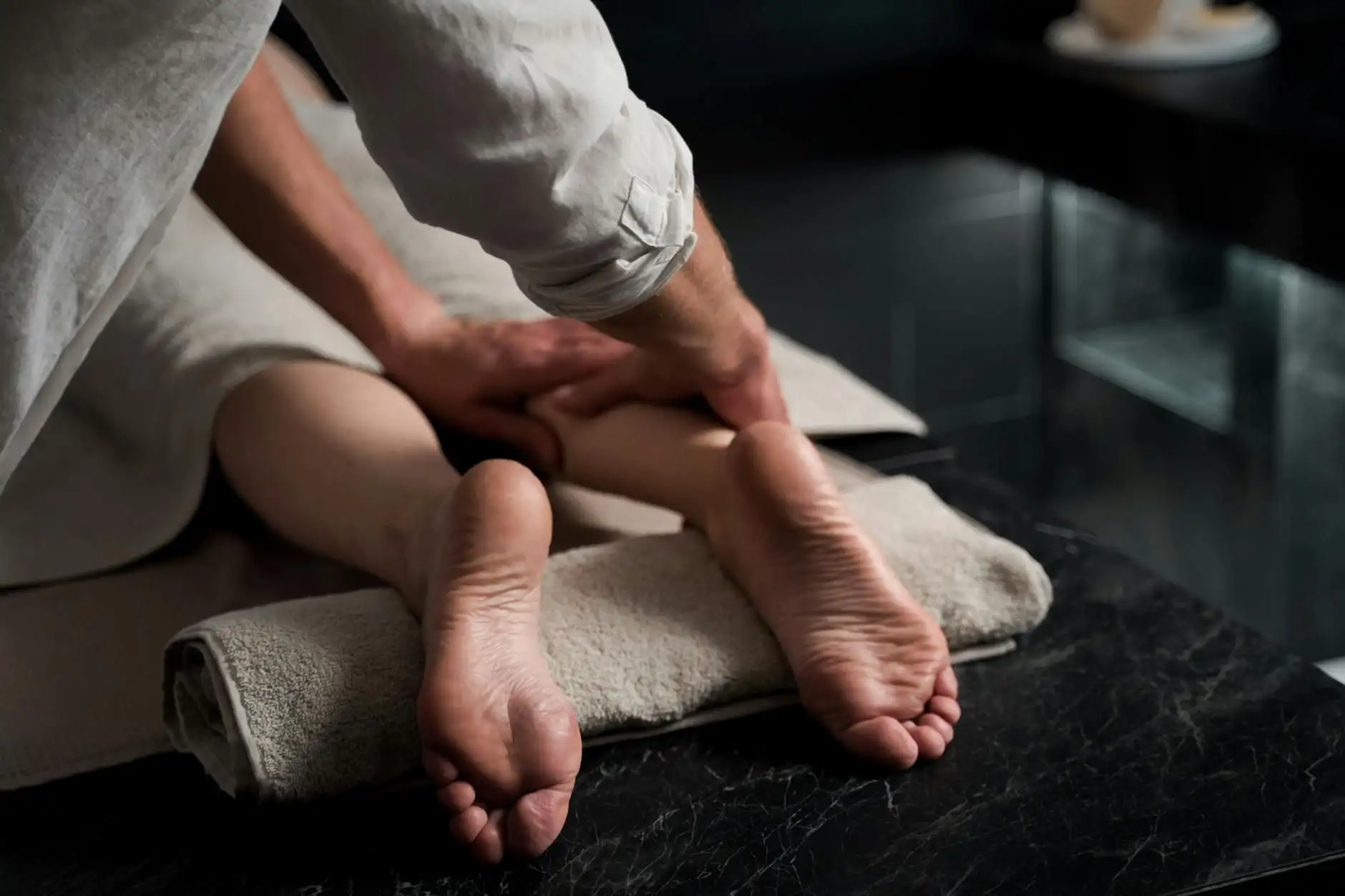
A 15-minute lukewarm foot bath in the evening relaxes the muscles and releases accumulated tension. Once dry, a massage with a CBD cosmetic balm, five to ten minutes, lets you work the arch from heel to toes, then the forefoot and the calf, anatomically linked to the foot; wash your hands after applying. In the morning, rolling the arch over a ball or a frozen bottle for three to five minutes is particularly soothing for plantar fasciitis. Targeted stretches of the calf and the arch, along with raising the legs for ten minutes at the end of the day, round out the routine and support venous return.
Shoes: what really makes a difference
A moderate heel of two to three centimetres, a sole that is flexible yet supportive, good width at the forefoot and a breathable material all limit pain. Renew your walking or sports shoes regularly, as soles collapse over time. For established conditions, a podiatrist can propose custom orthopaedic insoles, covered on prescription by the French health insurance system. To round out your recovery routine, our article on exercising in hot weather covers other useful reflexes after exertion.
When to see a doctor?
Intense pain that comes on suddenly, localised swelling or redness, being unable to put weight on the foot, pain persisting beyond two weeks despite self-care, night pain or a recent visible deformity should all lead you to consult a GP, a podiatrist or a rheumatologist.
CBD is not a medicine. In case of persistent or intense pain, or pain with inflammatory signs, consult a healthcare professional. Use is not advised for pregnant or breastfeeding women and minors.
Frequently asked questions
How do I know whether I have plantar fasciitis?
The typical picture is heel pain, intense on the first step in the morning, which eases with walking then returns at the end of the day. Diagnosis is confirmed by clinical examination.
Does rolling the foot on a frozen ball really work?
The effect of cold on acute pain sensation is documented. Combined with the mechanical massage of the arch, it is a simple measure often recommended alongside stretches and suitable shoes.
Can a CBD balm make a hallux valgus disappear?
No. It is a bone and ligament deformity that cannot be treated with a cosmetic. Management combines orthoses, insoles and, in advanced cases, surgery.
Should you wear orthopaedic insoles?
Not systematically. They are indicated in certain conditions after assessment by a podiatrist, with partial cover possible from the French health insurance system on prescription.
Written by the Phytogrammes team
Every article in this journal draws on primary sources (ANSM, EFSA, EUR-Lex, peer-reviewed publications) and on the lab's own practice: batch-by-batch HPLC analyses, measured cannabinoid profiles. Our approach.
Article published on . CBD is not a medicine.
Phytogrammes products that pair well


Further reading

effet-entourage·18 May 2026
The CBD entourage effect: what the science actually says
Often promoted by brands, the entourage effect remains a hypothesis under investigation, with no validation from controlled clinical trials.
gommes-cbd·18 May 2026
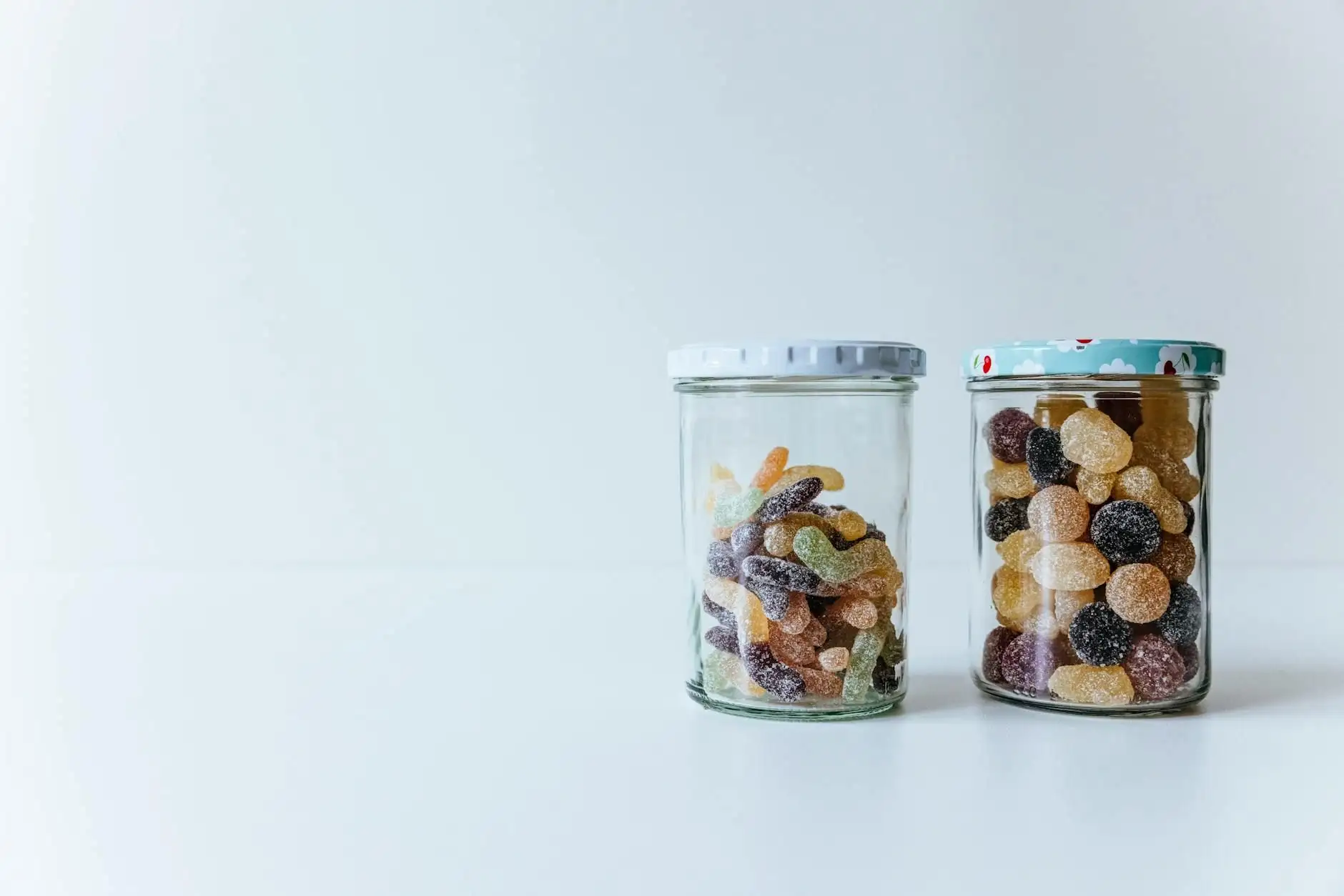
The coating on CBD gummies: why this detail matters
Sanded, glossy or matt gummies: behind the texture lie formulation choices that affect storage life, dosage and compliance.

cbd-topique·18 May 2026
Epicondylitis (tennis elbow) — wellbeing rituals and topical CBD
Understanding epicondylitis, its causes and its management, and fitting a CBD cosmetic into a self-care and recovery routine.