← Journal/18 May 2026·7 min de lecture
Autumn equinox: rebuilding a balanced routine
Par The Phytogrammes team ·
The autumn equinox falls on 22 or 23 September in France. Days and nights even out, then tip towards long evenings. It is the ideal moment to review a routine of sleep, movement and food before the darkest weeks of the year set in.
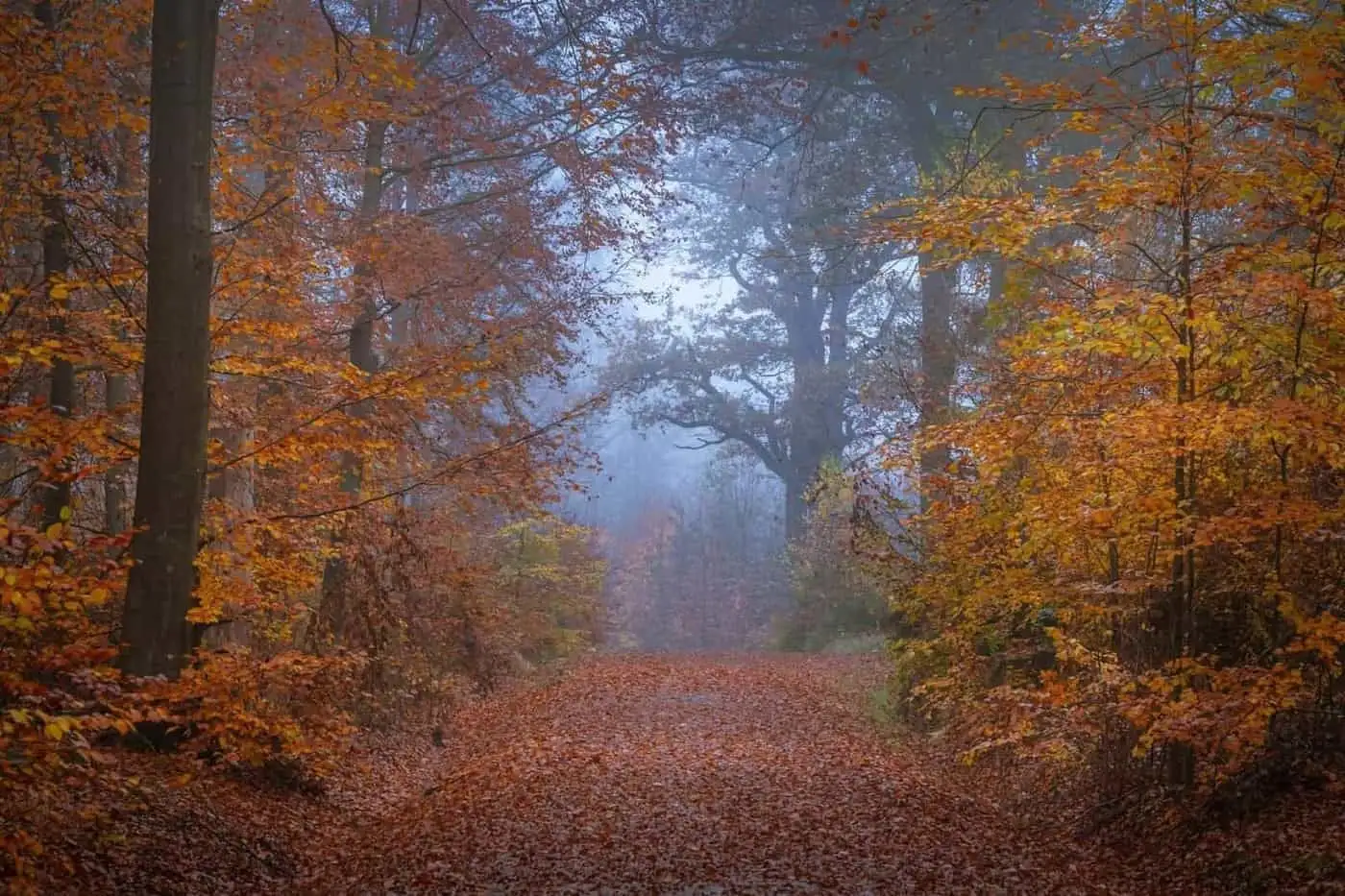
An astronomical marker, not a compulsory ritual
The autumn equinox marks the moment when the length of the day and the length of the night are roughly equal in the northern hemisphere. In mainland France it falls around 22 or 23 September depending on the year. It is an objective astronomical marker, and it also coincides with well documented physiological changes: a gradual drop in daylight, a shift in melatonin production, a slowing of the circadian rhythm.
Without turning it into a ritual or a "wellness celebration", the equinox is a natural moment to adjust a routine before the months that many people find harder to get through (October to February, the period with the highest prevalence of seasonal affective disorders according to Santé publique France figures).
First pillar — Sleep
Sleep is the most effective lever for recovery through a season of shortening days. The recommendations of the INSV (the French national institute for sleep and vigilance) for an adult:
- 7 to 9 hours a night depending on the individual.
- Regular timings (give or take 30 minutes), weekends included.
- Screens off 1 to 2 hours before bed (blue light delays melatonin production).
- A cool bedroom (around 18-19 °C), dark and quiet.
- No caffeine after 2 p.m. for those who are sensitive to it.
Autumn is also the right time to prepare for the clock change at the end of October, which shifts the rhythm abruptly. A gradual transition 7 to 10 days beforehand — bringing bedtime forward by 15 minutes at a time — softens the effect.
Second pillar — Movement
Regular movement supports both the circadian rhythm and mood. Santé publique France recommends at least 30 minutes of moderate physical activity 5 times a week, or 75 minutes of vigorous activity spread across the week.
Autumn offers some specific opportunities:
- Walking in woodland: natural light, even when muted, calibrates the body clock.
- Cycling: as long as the weather allows, it is active, regular transport.
- Indoor yoga or pilates: an alternative once the rain sets in.
- Running: well suited to cooler temperatures, less punishing than in summer.
The simple trick: move early in the day, as soon as the light returns. A 20-minute walk after breakfast or during the lunch break steadies the internal clock.
Third pillar — Food
Autumn is the season for good produce in France:
- Root vegetables: carrot, parsnip, beetroot, Jerusalem artichoke, turnip, celeriac.
- Squashes: red kuri, butternut, musquée de Provence.
- Brassicas: Brussels sprouts, white cabbage, broccoli, cauliflower.
- Mushrooms: ceps, chanterelles, horn of plenty, oyster mushrooms.
- Fruit: apple, pear, grapes, quince, nuts (walnuts, hazelnuts).
- Fish: mackerel, sardine, herring (rich in omega-3).
ANSES recommends at least 5 portions of fruit and vegetables a day, 2 portions of fish a week including one oily fish, and limiting ultra-processed products. Autumn makes this easier to apply: soups, gratins and slow-cooked dishes lend themselves to it naturally.
Fourth pillar — Unproductive time
Balance is also built out of what you do not do. A few ideas for the autumn term:
- Protect 2 hours a week with no phone (a walk, reading, a family meal with no screens).
- Turn down requests that do not match your priorities — it is a muscle that needs training.
- Cut down exposure to rolling news: prefer a daily catch-up at 7 p.m. to a permanent feed.
- Tend to social ties: shared meals, long calls to the people close to you, group activities.
The French calendar to plan around
The French autumn is punctuated by several markers:
- 22-23 September: autumn equinox.
- Mid-October: All Saints' school holidays (zones A, B, C — calendar published by the Ministry of Education).
- Last Sunday in October: the clocks go back by 1 hour.
- 1 November: All Saints' Day.
- 11 November: Armistice Day.
- December: preparing for the festive season, often a busy period.
Building a routine that takes these moments into account makes them easier to live through. The All Saints' holidays in particular are a chance to overhaul your rhythm before winter.
And where does CBD fit into an autumn routine?
CBD is sometimes mentioned in autumn wellness routines ("a moment of relaxation", "an evening ritual"). Without promising any effect, a few essential reminders:
- The provisional safe EFSA level is around 2 mg a day for 70 kg (published on 9 February 2026).
- No health claim for CBD is entered in the European register.
- CBD is not advised for pregnant or nursing women, minors, or people on medication.
- Since 15 May 2026, unauthorised ingestible CBD products have been withdrawn from the French market (DGAL).
CBD is in no way a substitute for sleep, movement and food. At best it is a possible addition within a deliberate wellness approach.
CBD is not a medicine. If you experience seasonal fatigue, sleep problems or persistently low mood, consult a health professional. Seasonal affective disorders have documented medical treatments (light therapy, medical follow-up).
Key points
- The autumn equinox falls around 22-23 September in France.
- Sleep, movement, food: the three documented pillars.
- 7-9 hours of regular sleep, screens off 1-2 hours before bed.
- 30 minutes of moderate physical activity 5 times a week (Santé publique France).
- Plan ahead for the clock change at the end of October.
- CBD is not a substitute for basic healthy habits.
FAQ
What effect does the change of season have on mood?
According to Santé publique France, October to February is the period with the highest prevalence of seasonal affective disorders. The drop in daylight affects the production of serotonin and melatonin. Light therapy is a documented treatment.
How do I adjust my sleep to the clock change?
Bring your bedtime forward gradually by 15 minutes a day, 4 to 7 days before the change, to smooth the transition. Exposure to natural light early in the morning helps too.
Which vegetables are best in autumn?
Squashes, brassicas, root vegetables (carrot, parsnip, beetroot), leeks, mushrooms. French markets are full of seasonal varieties at this time of year.
Should I take food supplements in autumn?
Vitamin D is often recommended in France between October and April, on medical advice. For other supplements, a blood test and medical advice are preferable to self-medication.
Does CBD help you get through autumn?
No health claim is permitted. The documented levers are sleep, movement and food. CBD remains, at best, a possible addition within a personal wellness approach.
To explore our selection of oils that can be used in a daily routine, [browse our catalogue](/categorie-produit).
Sources
Written by the Phytogrammes team
Every article in this journal draws on primary sources (ANSM, EFSA, EUR-Lex, peer-reviewed publications) and on the lab's own practice: batch-by-batch HPLC analyses, measured cannabinoid profiles. Our approach.
Article published on . CBD is not a medicine.
Phytogrammes products that pair well
Further reading

cbd-sport·18 May 2026
Exercise and inflammation — understanding the mechanisms of recovery
Which physical activities generate a useful inflammatory response, and how can muscle recovery be supported as part of a wellness approach?

respiration·18 May 2026
5 simple breathing exercises to relax in 10 minutes
Cardiac coherence, box breathing, diaphragmatic breathing: five techniques validated by neuroscience for building a breathing break into your day.
spectre-complet·18 May 2026
Full-spectrum hemp extract: CBD, CBG and CBN explained
Full spectrum retains all the cannabinoids of hemp. Here is what CBD, CBG, CBN and CBC are, and the French legal framework for these molecules.