← Journal/18 May 2026·4 min de lecture
Exercise and inflammation — understanding the mechanisms of recovery
Par The Phytogrammes team ·
Post-exercise inflammation is a normal and useful physiological response: it triggers muscle repair and adaptation to effort. Rest, sleep and hydration remain the main tools of recovery. Some athletes include CBD in their post-training ritual as part of a wellness approach, alongside these fundamentals.
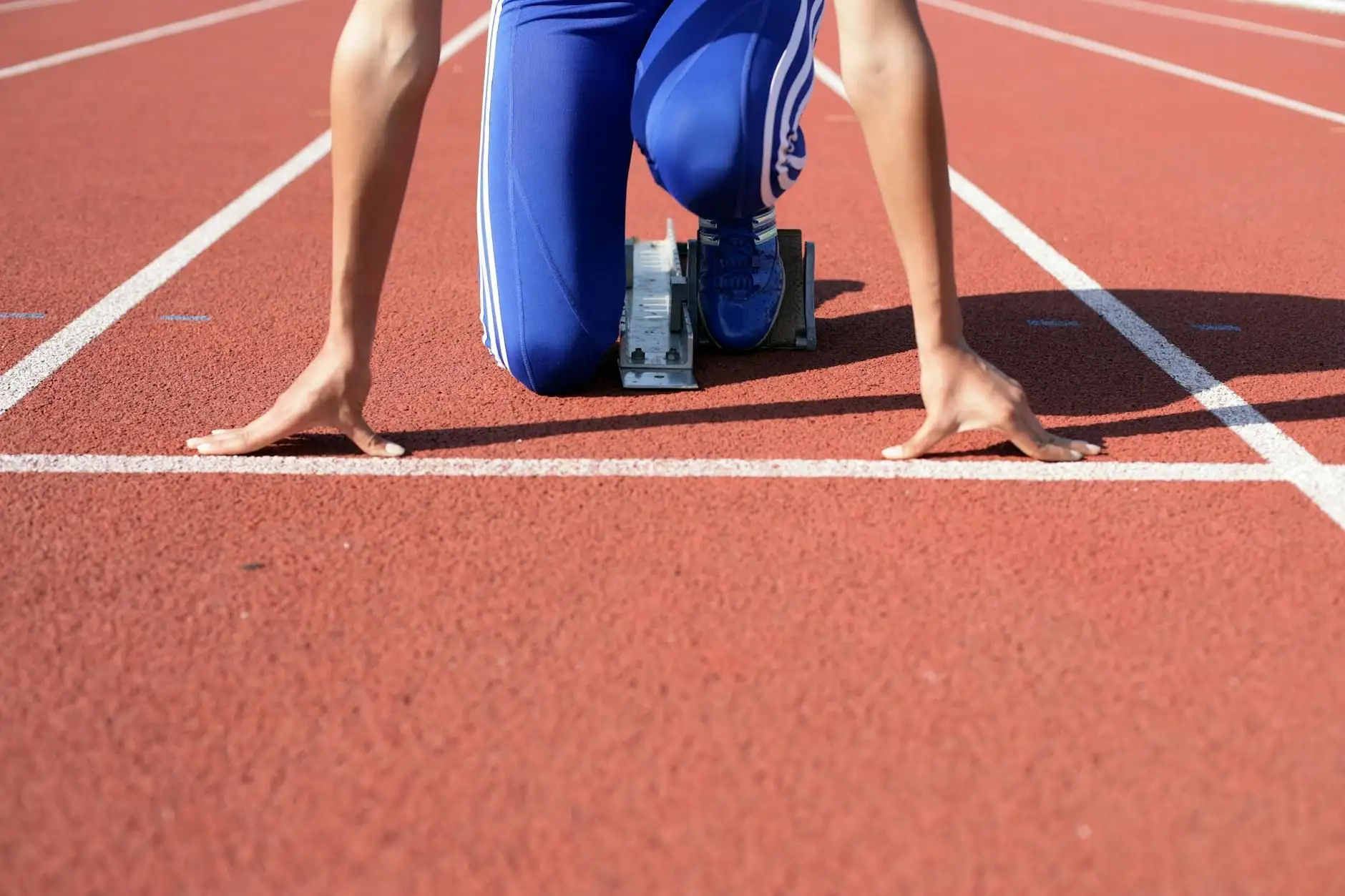
Post-exercise inflammation: a useful mechanism
Inserm points out that regular physical activity has an overall chronic anti-inflammatory effect, by reducing markers of systemic inflammation. In the short term, on the other hand, each intense training session causes acute local inflammation in the tissues involved. This is not a problem: it is what mobilises the repair cells and allows muscle hypertrophy. Suppressing it systematically, for example with non-steroidal anti-inflammatory drugs, may on the contrary hold back adaptations to training.
Which efforts generate the strongest inflammatory response?
Eccentric contractions, those in which the muscle lengthens under load (lowering a weight slowly, running downhill), cause more pronounced micro-tears than classic concentric contractions. Prolonged endurance efforts (marathon, trail running) trigger a diffuse inflammatory response and a temporary disturbance of the immune system. Combat and contact sports add direct impacts to the muscular micro-trauma. HIIT and heavy weight training place strong demands on the fast fibres, particularly after a return to training. Finally, any unfamiliar movement generates a stronger response than a well-mastered one — the "repeated bout" effect.
The validated pillars of recovery
Sleep, seven to nine hours a night for an active adult, concentrates the secretion of growth hormone and the processes of tissue repair; our article on sleep debt in France sets out the current benchmarks. Nutrition, with protein intake spread across the day and carbohydrates after exercise, active mobility rather than complete rest, and massage or self-massage, round out these fundamentals. Onto this base are grafted complementary rituals: cold baths, compression and, for many amateur athletes, the use of CBD products as a topical cosmetic or as an evening ritual.
CBD as part of a recovery approach: what the framework says
The status of CBD is now settled in France and in sport. The ruling of the Conseil d'État of 29 December 2022 authorises the sale of flowers, leaves and derivatives provided the finished THC is below 0.30 %. The AFLD, following the WADA decision, removed CBD from the list of prohibited substances on 1 January 2018. All other cannabinoids, including THC, remain prohibited in competition, and semi-synthetic cannabinoids (HHC, H4CBD, THCP) have been classified as narcotics since 2023-2024. For a product with no risk of a positive test, a CBD isolate certified free of THC remains the recommended choice, as set out in our article on CBD among athletes.
How to include it in a post-training ritual
A cosmetic cream or balm applied locally after the shower, with a circular massage of two to five minutes, remains the most widespread format. A sublingual oil in the evening, or an infusion of flowers, can round out a calm ritual. None of these formats presents itself as a treatment for inflammation or pain: they are supporting rituals, to be added to the fundamentals described above.
CBD is not a medicine. If muscle or joint pain persists, consult a healthcare professional.
Frequently asked questions
Should you take an anti-inflammatory after every intense training session?
No. The literature in sports physiology advises against the systematic use of NSAIDs, which may hold back adaptations to training. The inflammatory mechanism takes part in muscle rebuilding.
How long does muscle soreness last?
Generally 24 to 72 hours after exercise, peaking between 24 and 48 hours. Beyond a week, it is probably a more serious injury that should be assessed.
Does CBD reduce post-exercise inflammation?
No French or European authority has validated an anti-inflammatory claim for wellness CBD. It can accompany a recovery routine, without replacing the fundamentals.
Cold baths or hot baths for recovery?
The two have different uses. Cold limits perceived pain in the short term but may hold back certain adaptations; heat encourages circulation and muscular relaxation.
Written by the Phytogrammes team
Every article in this journal draws on primary sources (ANSM, EFSA, EUR-Lex, peer-reviewed publications) and on the lab's own practice: batch-by-batch HPLC analyses, measured cannabinoid profiles. Our approach.
Article published on . CBD is not a medicine.
Phytogrammes products that pair well
Further reading
respiration·18 May 2026
5 simple breathing exercises to relax in 10 minutes
Cardiac coherence, box breathing, diaphragmatic breathing: five techniques validated by neuroscience for building a breathing break into your day.
spectre-complet·18 May 2026
Full-spectrum hemp extract: CBD, CBG and CBN explained
Full spectrum retains all the cannabinoids of hemp. Here is what CBD, CBG, CBN and CBC are, and the French legal framework for these molecules.
sport·18 May 2026
Exercising in extreme heat: reference points and precautions
Practical advice for training in summer and during a heatwave: hydration, time slots, warning signs and recovery. Santé publique France and Météo-France reference points.