← Journal/18 May 2026·4 min de lecture
5 simple breathing exercises to relax in 10 minutes
Par The Phytogrammes team ·
Slowing your breathing acts directly on the autonomic nervous system. Five accessible techniques, requiring no equipment, make it possible to install a physiological pause in a few minutes, at any point in the day.
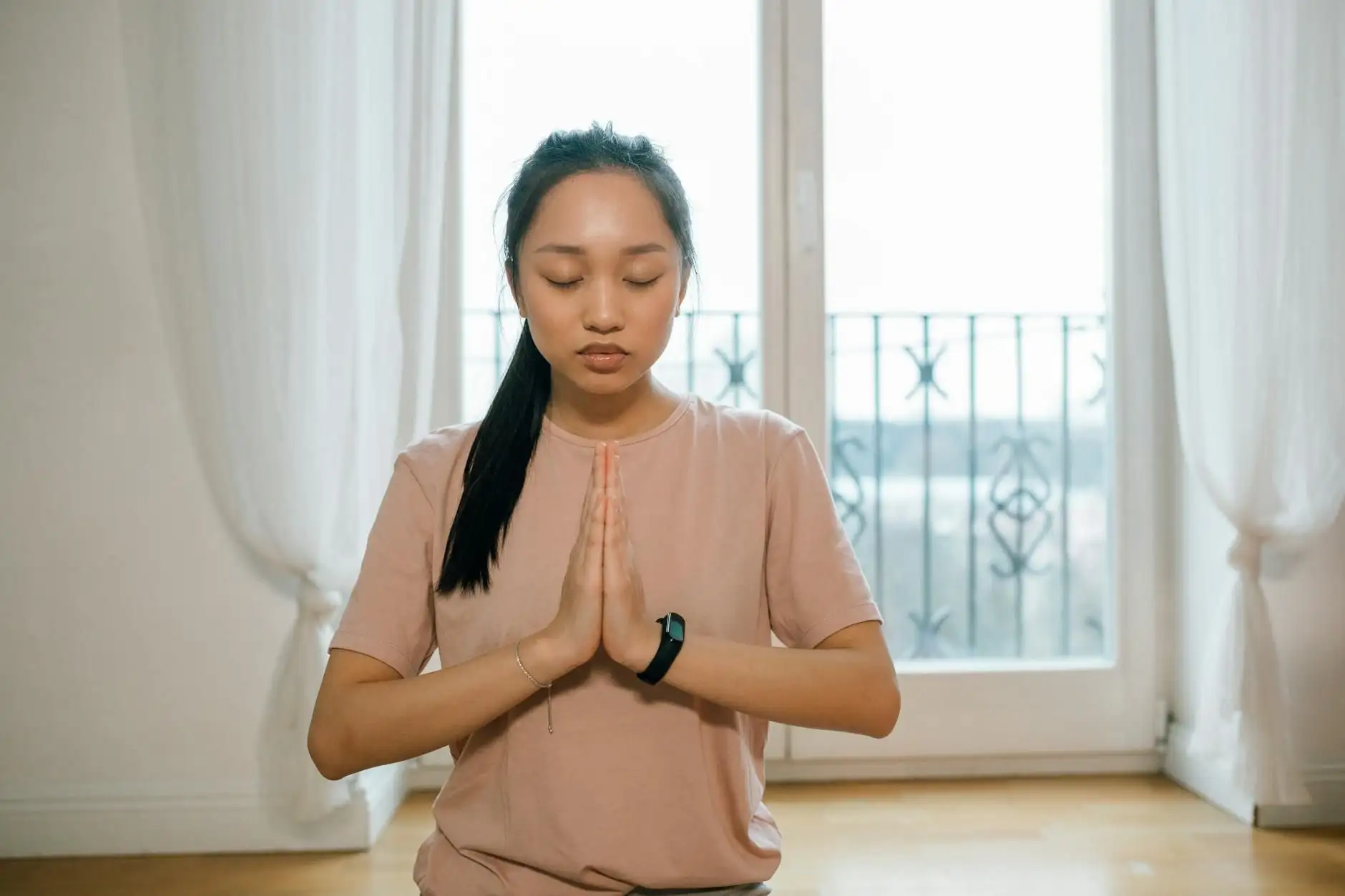
Why breathing influences stress
The autonomic nervous system regulates stress through two branches: the sympathetic branch, which mobilises the body in the face of danger (racing heart, short breathing), and the parasympathetic branch, which returns the system to rest. Breathing is one of the few voluntary levers that act on this balance. A scientific review published in the journal Breathe in 2017 catalogues the physiological effects of slow breathing: improved heart rate variability, lower blood pressure, parasympathetic activation, effects measured from around six breaths per minute.
1. Diaphragmatic breathing
This is the basic breath, the one used by infants and by mammals at rest. Sit or lie down, one hand on the chest, one hand on the belly. Breathe in slowly through the nose for four seconds, letting the belly rise, pause for one second, then breathe out through the mouth for six seconds. Repeat for two to three minutes, ideally in the morning in the shower or before an appointment.
2. The one-minute breath
A micro-break suited to the rhythm of work. Set a timer for 60 seconds, sit down, close your eyes, and count your breaths while keeping a rhythm slightly slower than usual. Handy between two meetings or in the car before going home.
3. Equal breathing (Sama Vritti)
Drawn from yoga, this technique balances the duration of the in-breath and the out-breath: four counts through the nose for each phase, with no pause, for five minutes. Often recommended in the evening before sleep, it can gradually be lengthened to six and then eight counts.
4. Box breathing (4-4-4-4)
Used in particular in the armed forces to stay operational under pressure, it alternates in-breath, full hold, out-breath and empty hold, each over four counts, repeated for three to five minutes. Useful before speaking in public or sitting an exam.
5. Cardiac coherence (6-6 for 5 minutes)
This is the best-documented technique in France: breathe six times a minute for five minutes, three times a day. Breathe in through the nose over five seconds, out through the mouth over five seconds, ideally on waking, in the middle of the day and in the late afternoon.
Building a 10-minute routine
Combine three minutes of diaphragmatic breathing, five minutes of cardiac coherence and two minutes of equal breathing as a transition to the next activity. According to the HAS recommendations for the management of mild anxiety disorders, lifestyle measures — sleep, physical activity, conscious breathing — form the first foundation before any drug treatment. These practices are not intended to treat a characterised anxiety disorder, which calls for professional follow-up.
CBD and a relaxation approach: what French law says
Some adults include hemp-based wellbeing products in their evening ritual. The THC content of the finished product must remain below 0.30% following the Conseil d'État decision of 29 December 2022. No brand may claim that a CBD product "reduces anxiety": the permitted vocabulary remains that of a soothing ritual. See also our article on natural levers for stress and mild anxiety.
CBD is not a medicine. In the event of persistent anxiety or an anxiety disorder, consult a healthcare professional.
Frequently asked questions
How long before you feel an effect?
Most people feel a sense of relaxation from the first few minutes of a cardiac coherence session. The lasting effect on stress regulation is built over two to three weeks of regular practice.
Can you practise box breathing while walking?
Yes, with care. Start with a seated practice to familiarise yourself: prolonged breath holds can cause slight dizziness in some people.
Is cardiac coherence useful in cases of high blood pressure?
Several studies suggest a beneficial effect on blood pressure, but it does not replace antihypertensive treatment. Ask your doctor for advice before making any change to treatment.
What is the connection between breathing and CBD?
There is no recognised therapeutic link: CBD is a wellbeing product, not a medicine. Some people include it in a relaxation ritual made up of breathing, herbal tea and reading.
Written by the Phytogrammes team
Every article in this journal draws on primary sources (ANSM, EFSA, EUR-Lex, peer-reviewed publications) and on the lab's own practice: batch-by-batch HPLC analyses, measured cannabinoid profiles. Our approach.
Article published on . CBD is not a medicine.
Phytogrammes products that pair well
Further reading
spectre-complet·18 May 2026
Full-spectrum hemp extract: CBD, CBG and CBN explained
Full spectrum retains all the cannabinoids of hemp. Here is what CBD, CBG, CBN and CBC are, and the French legal framework for these molecules.

sport·18 May 2026
Exercising in extreme heat: reference points and precautions
Practical advice for training in summer and during a heatwave: hydration, time slots, warning signs and recovery. Santé publique France and Météo-France reference points.

ganache·18 May 2026
Chocolate-mint CBD ganache: home recipe, personal use
Dark chocolate, full-fat cream, peppermint and CBD oil stirred in off the heat: a ganache reserved for strictly personal use.