← Journal/18 May 2026·8 min de lecture
6 natural levers for managing mild stress or passing anxiety
Par The Phytogrammes team ·
According to Santé publique France, 20% of adults showed symptoms of anxiety in 2024. For mild stress or passing anxiety, six levers backed by the French authorities make the difference: sleep, physical activity, diet, breathing, social connection and limiting screen time. Wellness CBD can fit in alongside them, as a complement, never as a substitute.
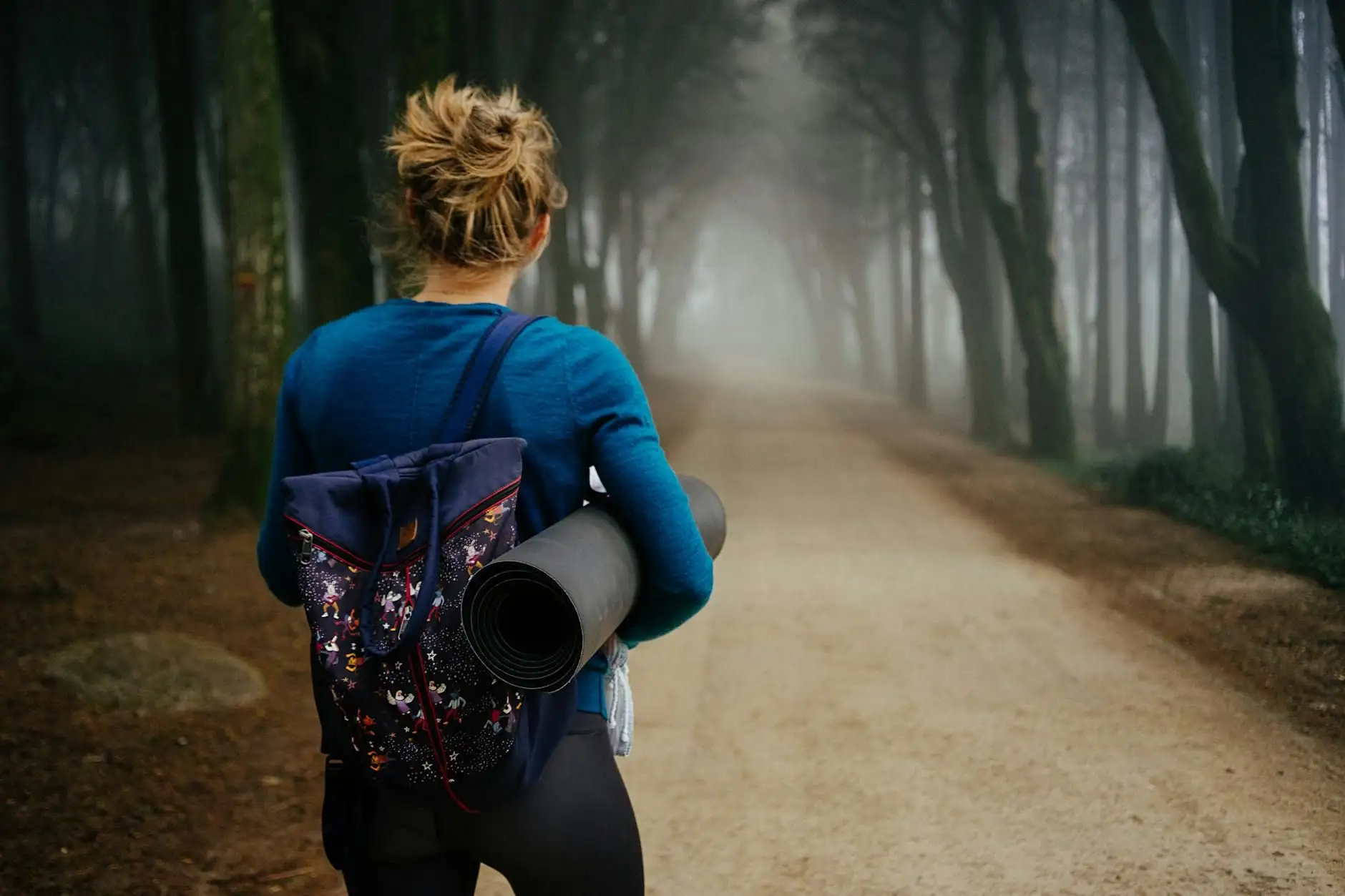
Not all stress is pathological. Occasional anxiety before an exam, a difficult meeting or a change in life circumstances is physiological. This article addresses non-clinical situations: passing stress, diffuse anxiety, moderate chronic tension. For diagnosed disorders, a medical consultation is essential.
Telling stress and anxiety apart
- Stress: a physiological reaction to an external demand (mobilisation, cortisol, raised heart rate).
- Anxiety: emotional anticipation of a threat, real or perceived (rumination, tension, avoidance).
- Diagnosed anxiety disorder (GAD, panic disorder, social phobia): a recognised condition that impairs daily life and requires medical follow-up.
This article deals only with the first two registers. If your symptoms last more than 3 weeks, if they impair your functioning or if you have dark thoughts, consult your GP or use the “Mon soutien psy” scheme (12 psychologist sessions reimbursed per year since 2024).
1. Stabilise your sleep
Sleep is the first lever. The HAS points out that a chronic deficit doubles the risk of anxiety disorders. The INSV recommends 7 to 9 hours for an adult.
Three accessible habits:
- Keep your waking time stable, weekends included (variation < 60 minutes).
- Switch off screens 30 to 60 minutes before bed.
- Bedroom at 17-19 °C, darkness, silence or white noise.
This is the pillar all the other levers rest on.
2. Move for 30 minutes a day
Physical activity is the best-documented natural anxiolytic. A 2022 JAMA meta-analysis shows a 25 to 30% reduction in anxiety symptoms among adults who exercise regularly. The WHO and Santé publique France recommendations converge: 150 minutes of moderate activity per week, i.e. 30 minutes 5 days out of 7.
No gym required: brisk walking, cycling, gardening, dancing, stairs. The criterion is regularity, not intensity.
3. Feed the nervous system
The gut-brain axis directly influences mood regulation via the vagus nerve and intestinal serotonin production. Four markers:
- Omega-3 (oily fish, walnuts, rapeseed oil): essential to neuronal function.
- Magnesium (pulses, nuts and seeds, dark chocolate > 70%, magnesium-rich mineral waters): a cofactor in nervous regulation.
- Fibre and fermented foods (vegetables, kefir, plain yoghurt, sauerkraut): maintaining the microbiota.
- Vitamin D: deficiency is common in France, with a documented link to depressive and anxiety symptoms. Medical advice is recommended for winter supplementation.
To limit: caffeine after 2 p.m., alcohol in the 3 hours before bedtime, fast-acting sugars at breakfast.
4. Breathe to activate the parasympathetic system
Cardiac coherence is recognised by hospital health services in France. The 365 protocol:
- 3 sessions a day.
- 6 breaths per minute (5 seconds in / 5 seconds out).
- 5 minutes per session.
Measured benefit: lower variability in salivary cortisol and improved heart rate variability. It is the most accessible tool, free of charge and with no contraindication. Recommended free app: “RespiRelax+” (created by the Thermes d'Allevard, validated by several regional health agencies).
5. Cultivate social connection
Inserm cites perceived social support as one of the most powerful buffers against stress. Social isolation is an independent risk factor for anxiety and depression, on a par with smoking or physical inactivity.
Three suggestions:
- One meal a week with someone outside work and your immediate family.
- Joining a community, sporting or cultural group activity.
- Regular phone or video calls with two or three people close to you, rather than written messages.
6. Limit screen exposure
Digital over-stimulation is a recognised factor in chronic stress. The 2023 Santé publique France barometer shows that adults who check their phone more than 50 times a day have an anxiety score 18% higher than others.
Three suggestions:
- One day a week without social media.
- One meal a day with no phone at the table.
- A maximum of 30 minutes of screen time in the hour before bed.
CBD as a possible part of a ritual
The IFOP 2022 barometer shows that 43% of French CBD users take it as part of a stress-management approach. However: no French authority (ANSM, HAS, EFSA) has approved any anxiolytic claim. Wellness CBD does not treat anxiety, is no substitute for medical follow-up, and does not exempt you from the levers above.
If it fits into a routine, it does so as one element of a wind-down ritual — in the same way as a herbal tea or reading before bed. French legal position: finished product ≤ 0.30% THC (Conseil d'État, 29 December 2022). Synthetic cannabinoids (HHC, H4CBD, THCP) banned since June 2024.
Essential precautions: not advised for pregnant or breastfeeding women (ANSES 2024 recommendation), risk of a positive saliva test for THC when driving (Cour de cassation ruling of 21 June 2023), possible drug interactions with antidepressants and anticoagulants.
When to consult
Natural levers are enough for many people. But they are no substitute for medical follow-up in the case of a diagnosed anxiety disorder. The HAS recommends consulting if:
- Symptoms last more than 3 weeks without improvement.
- They significantly impair daily, working or social life.
- You experience panic attacks, major avoidance or dark thoughts.
First point of contact: your GP. In case of acute distress: 3114 (the French national suicide prevention line, 24/7, free, confidential).
Key points
- 20% of French adults show symptoms of anxiety (Santé publique France).
- Regular sleep and 30 minutes of physical activity: the two most powerful levers.
- Cardiac coherence 365: 3×5 min a day, free, validated.
- Diet (omega-3, magnesium, fibre) supports the nervous system.
- Limit screens and caffeine after 2 p.m.
- Wellness CBD is a possible complement, never a treatment.
- Consult beyond 3 weeks of persistent symptoms.
Frequently asked questions
How long before effects appear?
Allow 2 to 4 weeks to observe a measurable change in sleep and general feeling. Cardiac coherence has an immediate effect on heart rate, but lasting effects require daily practice.
Is yoga effective against anxiety?
Yes, several meta-analyses confirm an effect on mild to moderate anxiety symptoms. Practice must be regular (ideally 2 to 3 times a week) to produce the documented effect. Gentle hatha yoga is generally the most accessible for beginners.
Do “anti-stress” food supplements work?
There is no official claim for CBD or for most plants. Magnesium can make up a deficiency documented by a doctor. Rhodiola, ashwagandha and valerian are sometimes mentioned, but the evidence for them is limited. Seek medical advice if you are on long-term treatment.
What should you do during a panic attack?
Sit down, slow your breathing (breathe out for longer than you breathe in), drink some water, talk to someone. The episode usually passes within 10 to 30 minutes. If attacks recur, consult a doctor to explore panic disorder.
Does mindfulness meditation really work?
The 8-week MBSR (Mindfulness-Based Stress Reduction) programme is validated by several meta-analyses for reducing perceived stress. It can be practised alone (apps, books) or in a supervised group. A documented effect appears after 6 to 8 weeks of regular practice.
To discover our selection of hemp oils and infusions intended to accompany a wind-down ritual, [see our stress and anxiety range](/categorie-produit). CBD is not a medicine. In case of persistent anxiety or an anxiety disorder, consult a healthcare professional.
Sources
Written by the Phytogrammes team
Every article in this journal draws on primary sources (ANSM, EFSA, EUR-Lex, peer-reviewed publications) and on the lab's own practice: batch-by-batch HPLC analyses, measured cannabinoid profiles. Our approach.
Article published on . CBD is not a medicine.
Phytogrammes products that pair well

Further reading

stress·18 May 2026
Workplace stress: what really works in France
24% of working people in France report psychological distress at work. Here are the individual and collective levers validated by the INRS and the HAS.
stress·18 May 2026
Parental stress: 6 levers to breathe without feeling guilty
Nearly one French parent in two reports high stress. Here are the levers validated by the HAS and Inserm for winding down without disappearing.
rentree-scolaire·18 May 2026
Back-to-school stress: three levers for the whole family
Term starting again, parental mental load, disrupted sleep: how to approach the new school year more calmly, drawing on French health recommendations.