← Journal/16 May 2026·3 min de lecture
CBD flower: understanding the diversity of profiles
Par The Phytogrammes team ·
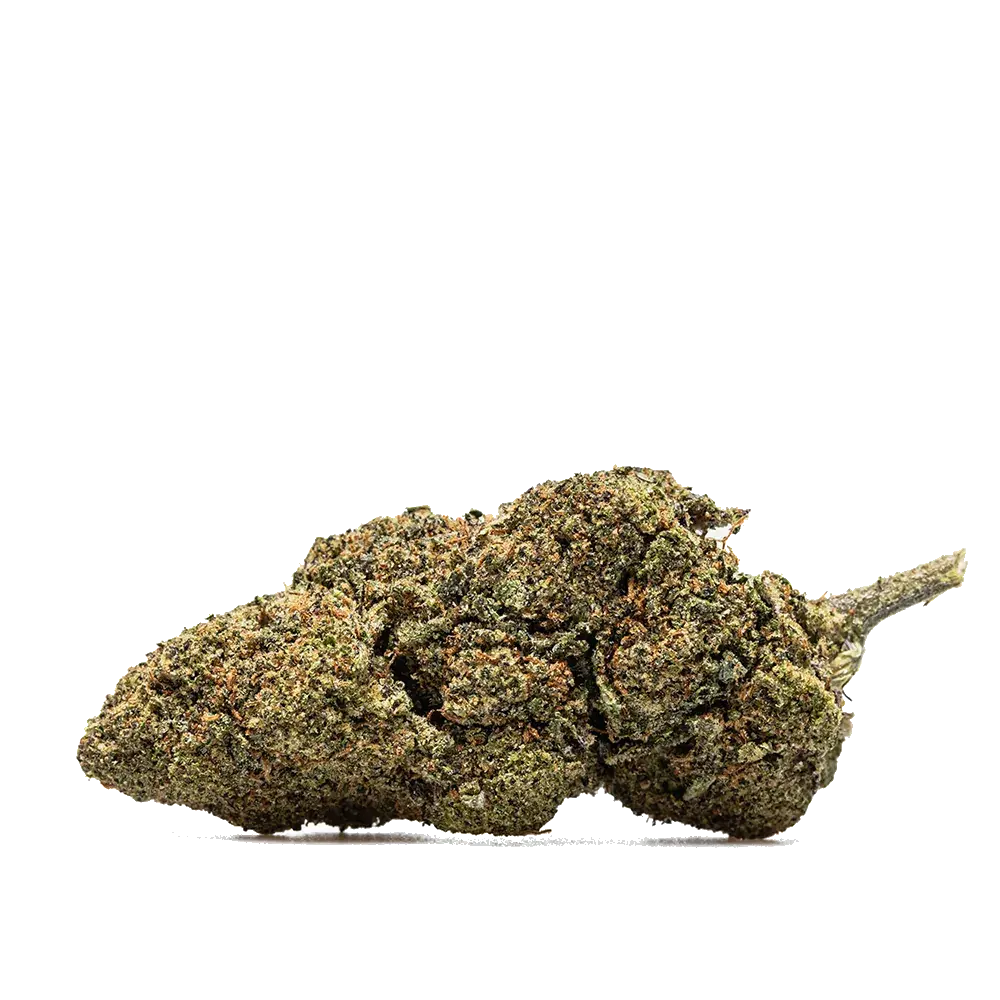
The diversity of CBD flowers comes from their terpene and cannabinoid profiles, specific to each cultivated variety, and not from any hierarchy of quality. In France, all of them must respect the same legal THC threshold, whatever their aroma or origin.
Where the diversity between varieties comes from
Each hemp variety listed in the official European catalogue has its own genetic profile, which determines its CBD content, its residual THC level and, above all, its bouquet of terpenes — those volatile aromatic compounds that give a flower its scent of citrus, pine, spice or fruit. This diversity recalls that of wine or hops: one botanical family can yield very different sensory profiles depending on terroir and varietal selection.
Chemotype, the central criterion for CBD
Chemotype refers to the ratio between CBD, THC and the minor cannabinoids present in the plant. The hemp varieties authorised in Europe overwhelmingly belong to chemotype III, dominant in CBD and low in THC. It is this chemotype, measured in a laboratory, that determines a flower's legal compliance, independently of its commercial name or its indica, sativa or hybrid classification. Our article on indica and sativa looks in detail at the limits of that classification where CBD is concerned.
Terpenes: the real source of sensory diversity
Myrcene, limonene, pinene and caryophyllene are among the most frequent terpenes in CBD hemp. Their combination, unique to each variety, explains the range of aromas available on the market, from fruity profiles to earthier ones. To date these molecules have no effect recognised by the French health authorities beyond their aromatic contribution: no specific wellbeing claim may legally be attributed to them.
Full spectrum, broad spectrum or isolate
A raw flower naturally contains the plant's entire profile: cannabinoids, terpenes, flavonoids. This is what is known as a full-spectrum product. Conversely, an isolate, obtained through extensive purification, retains only the CBD molecule. Neither is universally superior: the choice depends on whether you prefer a rich aromatic profile or the simplest possible composition, the latter being sought in particular by athletes wanting to limit any risk linked to THC.
How to read a product sheet before buying
Three elements matter more than a variety's marketing name: the certificate of analysis (CoA) issued by an independent laboratory, the actual stated CBD content, and the measured THC level, which must remain at or below 0.30% in the finished product, in accordance with the Conseil d'État decision of 29 December 2022. A serious brand makes these documents available for every batch sold.
CBD is not a medicine. These products are for wellbeing use, with no therapeutic claim.
Frequently asked questions
Does a more fragrant CBD flower contain more CBD?
No. Aromatic intensity depends on the terpene profile, which is independent of the CBD content — that must be checked separately on the certificate of analysis.
Are all CBD flowers legal in France?
Only those from varieties listed in the official catalogue and whose finished product respects the 0.30% THC threshold, whatever their aromatic profile.
What is the difference between full spectrum and isolate for a flower?
A raw flower is always full spectrum by nature, since it retains the plant's entire profile. Isolate concerns only purified extracts, not the flower itself.
How can I tell whether a variety suits me without any promise of an effect?
By comparing the terpene profiles given on the product sheet and by trying different varieties, at a cautious dose, to identify a purely sensory preference.
Written by the Phytogrammes team
Every article in this journal draws on primary sources (ANSM, EFSA, EUR-Lex, peer-reviewed publications) and on the lab's own practice: batch-by-batch HPLC analyses, measured cannabinoid profiles. Our approach.
Article published on . CBD is not a medicine.
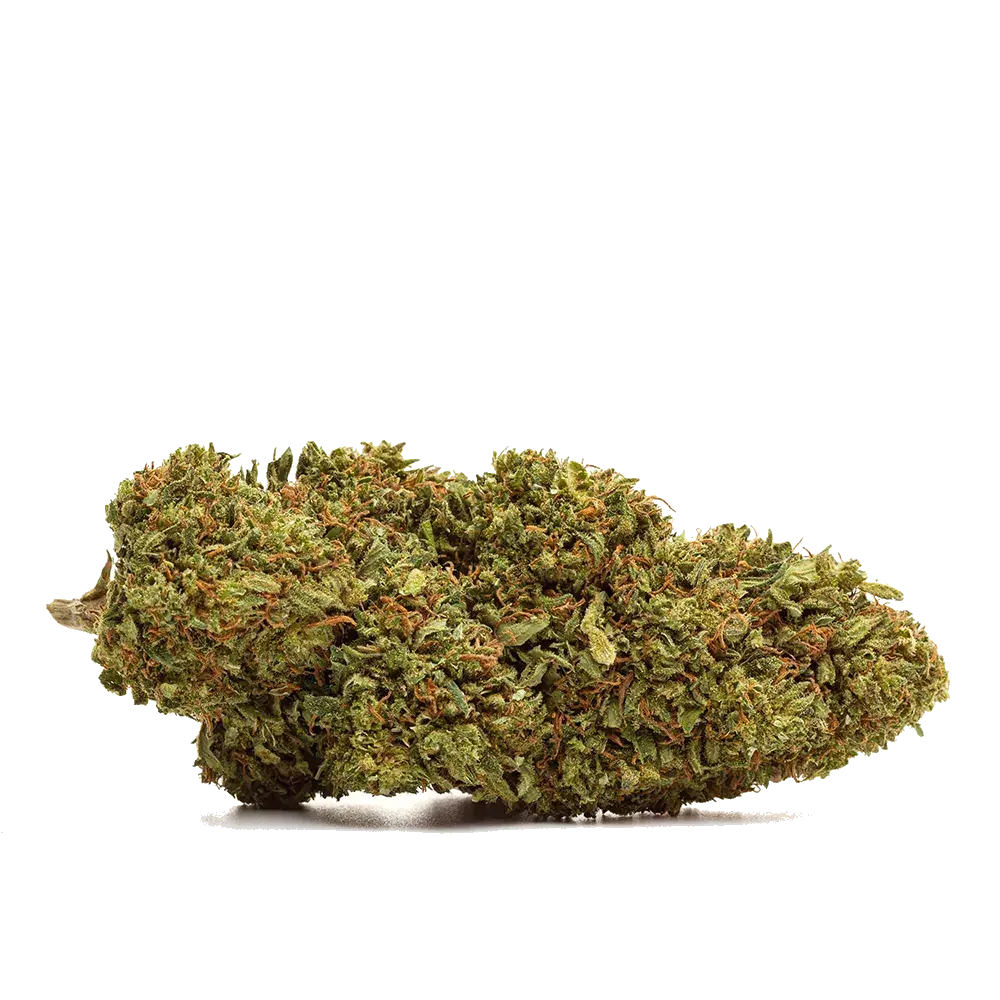
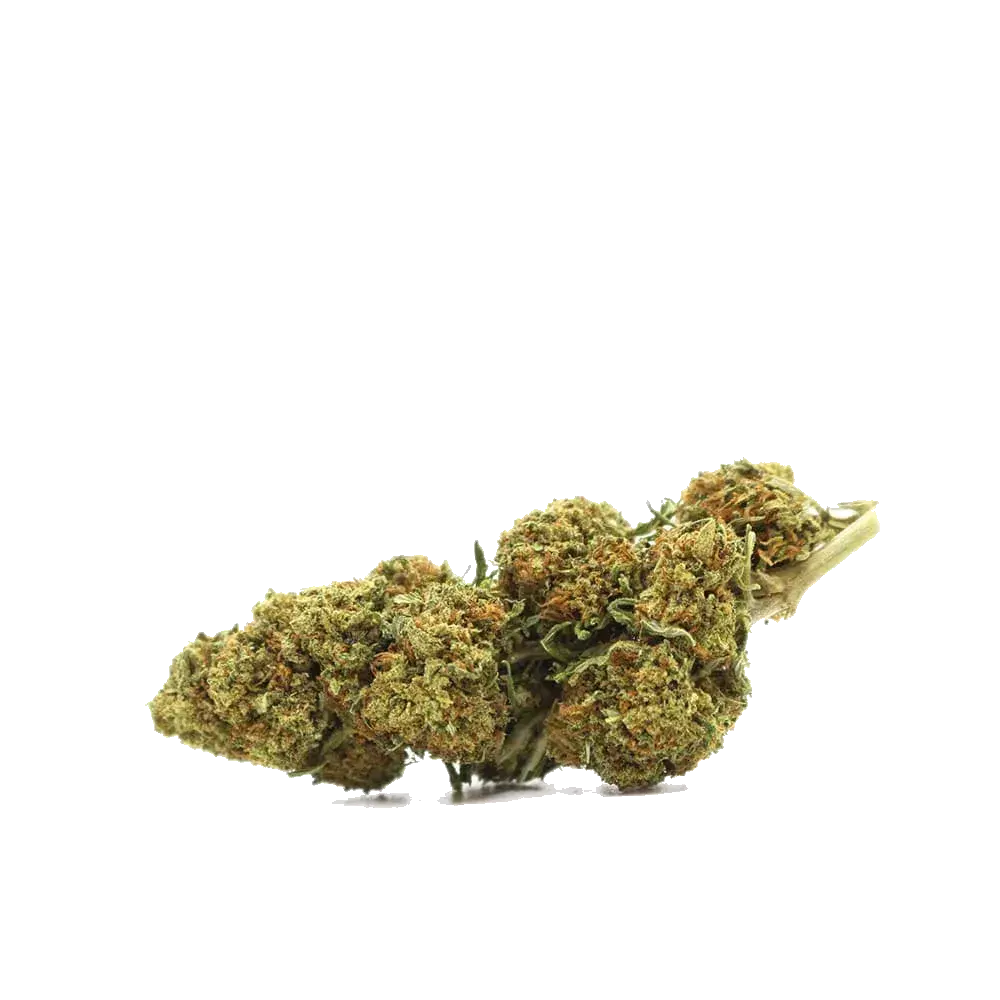
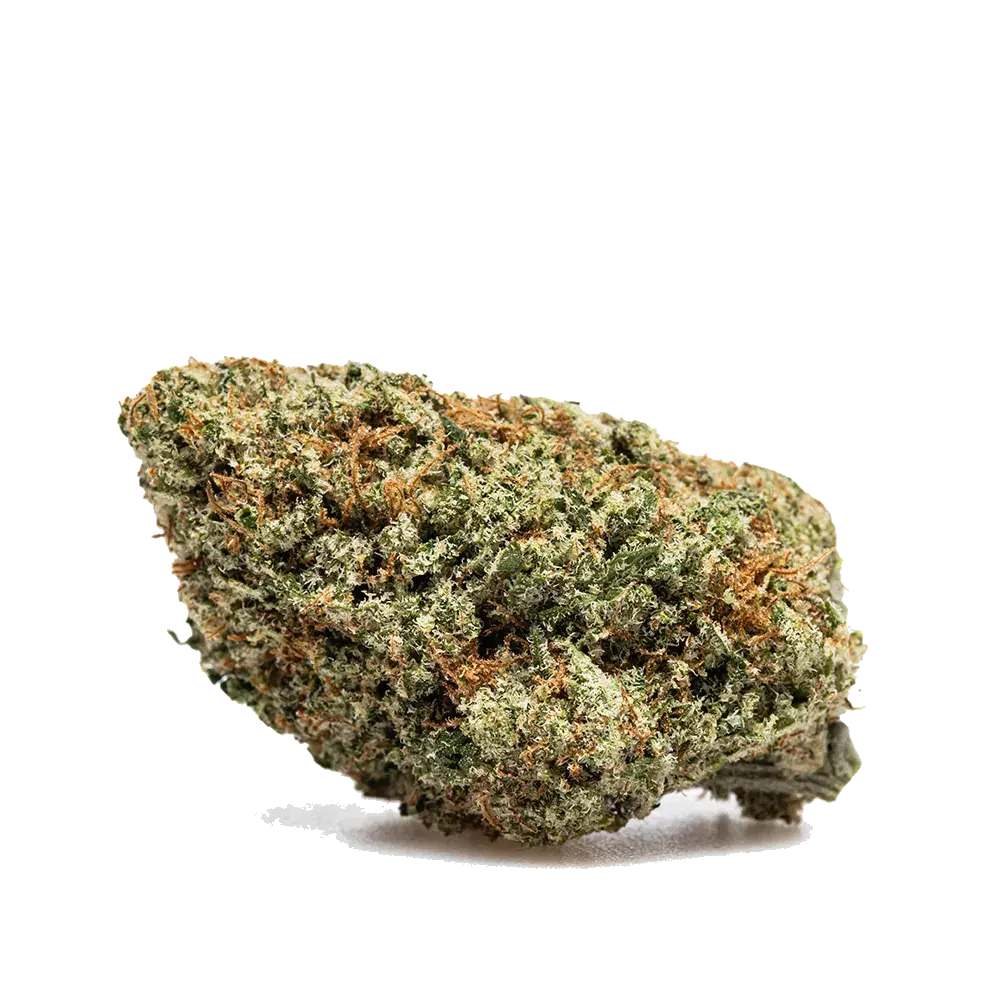
Phytogrammes products that pair well
Further reading

strain-hunter·16 May 2026
Strain hunter: the little-known trade of the variety chaser
A strain hunter travels the world in search of local cannabis varieties, in order to preserve a genetic diversity threatened by hybridisation.
cbd·16 May 2026
CBD and taxation: understanding the role of article 49.3
Amendments proposing a specific tax on CBD come back regularly during budget debates. How article 49.3 shapes their fate.

systeme-endocannabinoide·16 May 2026
The endocannabinoid system: a recent discovery
Discovered in the 1990s through the study of THC, the endocannabinoid system regulates several physiological functions. What science knows about it.