← Journal/18 May 2026·8 min de lecture
Bad breath in dogs: 7 levers for oral hygiene
Par The Phytogrammes team ·
In more than 80% of cases, canine halitosis comes from a deposit of tartar and early periodontal disease. Seven simple habits — from regular brushing to a veterinary consultation — make it possible to act early, within a framework where no supplement replaces a professional's clinical examination.
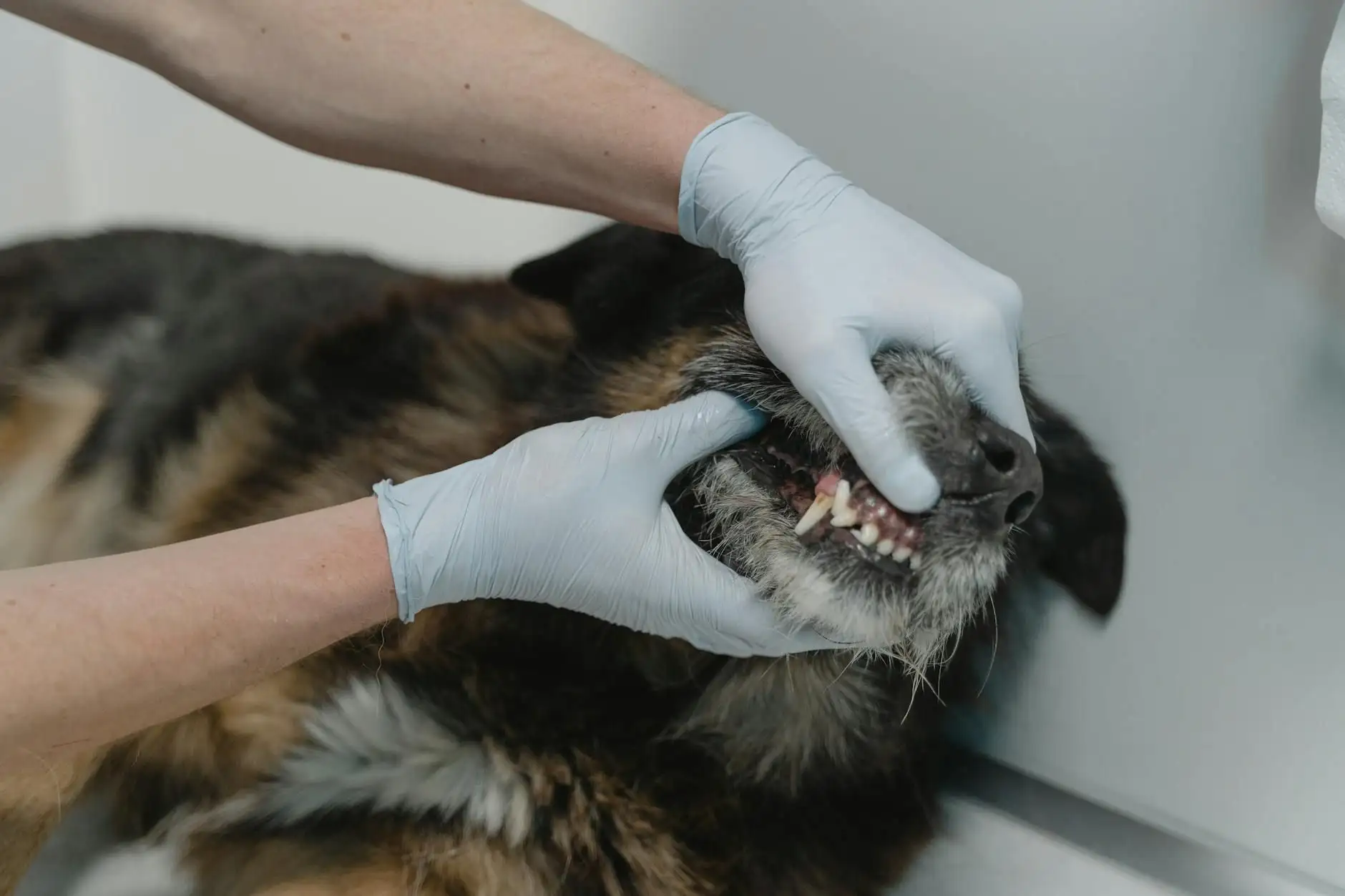
Living with a dog also means accepting its displays of affection — including licks at any hour of the day. When the breath turns sour, the willingness to let the dog come close drops. Beyond the unpleasantness, bad breath is a health signal that should not be brushed aside: it often reveals a build-up of plaque, gingivitis or, more rarely, a digestive, liver or kidney problem. Reaching the right diagnosis is always the vet's job; for day-to-day prevention, seven hygiene levers are within reach of any owner.
Understanding where bad breath comes from
Canine halitosis most often results from bacterial activity in the mouth. Dental plaque — a biofilm of bacteria, saliva and food debris — mineralises into tartar within 48 to 72 hours if it is not removed. This tartar irritates the gum, opens the door to gingivitis, then to periodontitis, which can itself affect heart, liver or kidney health as bacteria spread into the bloodstream. The European Veterinary Dental Society estimates that around two thirds of adult dogs have periodontal disease to varying degrees.
Other causes exist: an unsuitable diet, a foreign body stuck between two teeth, a dental abscess, digestive or metabolic problems (kidney failure, diabetes, liver disease). Breath that suddenly turns fruity, ammonia-like or foul should prompt a rapid veterinary consultation.
Tip no. 1: brushing the teeth regularly
Yes, you do brush a dog's teeth. It is the single most effective hygiene measure, and the most under-used. Weekly brushing already slows the formation of tartar; daily brushing prevents it almost entirely.
Three practical rules:
- Use a veterinary toothpaste, never a human one. Fluoride and xylitol are toxic to dogs.
- Choose a suitable brush: a silicone finger brush for small breeds, a long-handled brush for large dogs, or a double-headed brush.
- Get the animal used to it gradually: start by letting the dog lick the toothpaste, then introduce the brush over a few sessions, without forcing.
Tip no. 2: chew bones and dental treats
Chewing has a mechanical effect: it lifts off part of the surface tartar and stimulates saliva production. Natural bones, antlers or certified dental treats can complement brushing. Favour products suited to your dog's size (a bone that is too hard can fracture a molar) and limit the quantity to avoid weight gain.
The VOHC (Veterinary Oral Health Council) publishes a list of products whose dental effectiveness has been validated by scientific study. In France, the reflex is to ask your vet which treat they recommend for your animal's teeth.
Tip no. 3: drinking-water additives
Some liquid additives, diluted in the water bowl, combine enzymes, chlorophyll or chlorine derivatives to limit bacterial growth and neutralise the sulphur compounds responsible for the odour. Their effectiveness varies from one product to another: ask your vet's opinion before introducing an additive, particularly if your dog has a kidney or liver condition.
Tip no. 4: canine probiotics
The balance of the gut microbiota also influences breath. Unbalanced digestive bacteria can generate odorous compounds. Several probiotic strains (lactobacilli, enterococci) have been studied in dogs. The ANSES recommendations on feeding domestic carnivores are a reminder that no supplement should be given without veterinary advice, particularly in puppies, senior dogs and immunocompromised dogs. Human probiotics are not transferable: the useful strains are not the same from one species to another.
Tip no. 5: watching what the animal swallows between meals
Many dogs help themselves from the bin, lick the toilet or pick up organic matter on walks. These opportunistic ingestions bring their share of bacteria and malodorous compounds. A few common-sense measures: an airtight lid on the bin, the toilet seat kept down, supervision on walks, and training the "leave it" command from an early age.
Tip no. 6: home remedies, to be used in moderation
Sprinkling a spoonful of freshly chopped parsley or sweet mint over the bowl is a classic passed around on dog forums. The immediate deodorising effect is real, but short-lived. These herbs have no deep action on tartar and are no substitute for a structured hygiene routine. Parsley is generally well tolerated; some plants (garlic, onion, chives), by contrast, are toxic to dogs and must be avoided altogether.
Tip no. 7: the veterinary consultation
If bad breath persists despite hygiene measures, a full examination by your vet is essential. Registered with the Ordre national des vétérinaires, they can assess the state of the gums, spot an abscess, propose a scale and polish under anaesthetic (the only effective technique for removing mineralised tartar) or look for a systemic cause (blood tests, ultrasound). Unusually sweet breath suggests diabetes, ammonia-like breath a kidney problem, foul breath a deep dental infection. None of these diagnoses can be made remotely.
And where does CBD for animals fit in?
Some brands sell "soothing" hemp-based treats or oils, sometimes enriched with CBD, to make care such as tooth brushing easier with an anxious dog. Several legal points need making clear.
No veterinary medicine based on CBD holds a marketing authorisation issued by the ANMV (the French agency for veterinary medicines) or by the EMA. CBD products sold for animals fall under hemp-based supplements, in a veterinary legal vacuum that European Regulation 2019/6 does not explicitly settle. A vet may prescribe CBD off-label under the therapeutic cascade, on their own personal responsibility, where no authorised medicine is suitable.
THC is toxic to dogs and cats, even at low doses. A so-called "full spectrum" product contains traces of THC: prefer a certified THC-free CBD isolate (tested by an independent laboratory) if you are considering this type of supplement, and always on veterinary recommendation. No official dose has been validated by the French authorities for animals.
Key points
- More than 80% of cases of canine halitosis come from dental plaque and periodontal disease.
- Regular brushing (at least once a week) with veterinary toothpaste remains measure no. 1.
- Dental treats, water additives and probiotics are complements, never substitutes.
- Fruity, ammonia-like or foul breath calls for a rapid veterinary consultation.
- A scale and polish under anaesthetic is the only effective technique against mineralised tartar.
- CBD for animals has no veterinary marketing authorisation in France; it replaces neither a treatment nor a vet's advice.
Frequently asked questions
How often should you brush a dog's teeth?
Ideally every day, as for a human. Weekly brushing is still useful and already slows the mineralisation of plaque. Regularity matters more than duration: two to three minutes focused on the molars and canines is enough.
When does a scale and polish become necessary?
Once plaque has mineralised into tartar visible on the teeth (a yellow or brownish deposit), no home method will remove it. The vet carries out a scale and polish under general anaesthetic using ultrasound, followed by polishing. The frequency depends on breed, age and diet: every one to three years on average.
My dog's breath has suddenly become very strong — is it urgent?
Yes, if the change is abrupt. Very foul breath can signal a dental abscess, stomatitis or a foreign body. Fruity breath suggests diabetes, ammonia-like breath kidney failure. See your vet within 24 to 48 hours.
Can human toothpaste be used?
No. Fluoride and above all xylitol (present in many toothpastes) are toxic to dogs, including at low doses for xylitol, which can cause severe hypoglycaemia. Use veterinary toothpaste exclusively.
Do CBD oils for dogs work against bad breath?
No. No veterinary study documents an effect of CBD on canine halitosis, and no French authority has validated this use. CBD is marketed for animals as a hemp supplement with no recognised therapeutic purpose.
To explore our selection of hemp-based supplements formulated for animals, [browse our pet catalogue](/categorie-produit). CBD is not a veterinary medicine in France. No supplement should replace a prescribed treatment. Consult your vet before any use.
Sources
Written by the Phytogrammes team
Every article in this journal draws on primary sources (ANSM, EFSA, EUR-Lex, peer-reviewed publications) and on the lab's own practice: batch-by-batch HPLC analyses, measured cannabinoid profiles. Our approach.
Article published on . CBD is not a medicine.
Phytogrammes products that pair well
Further reading

cbd·18 May 2026
How to recognise a good full-spectrum CBD oil in France
Hemp origin, extraction method, certificate of analysis: the real criteria that separate a serious oil from a generic product.

cbd·18 May 2026
Where does CBD come from? From the hemp plant to the bottle
CBD is produced naturally in the trichomes of hemp, then extracted and diluted in a carrier oil. Here is the real journey, within the French framework.
passiflore·18 May 2026
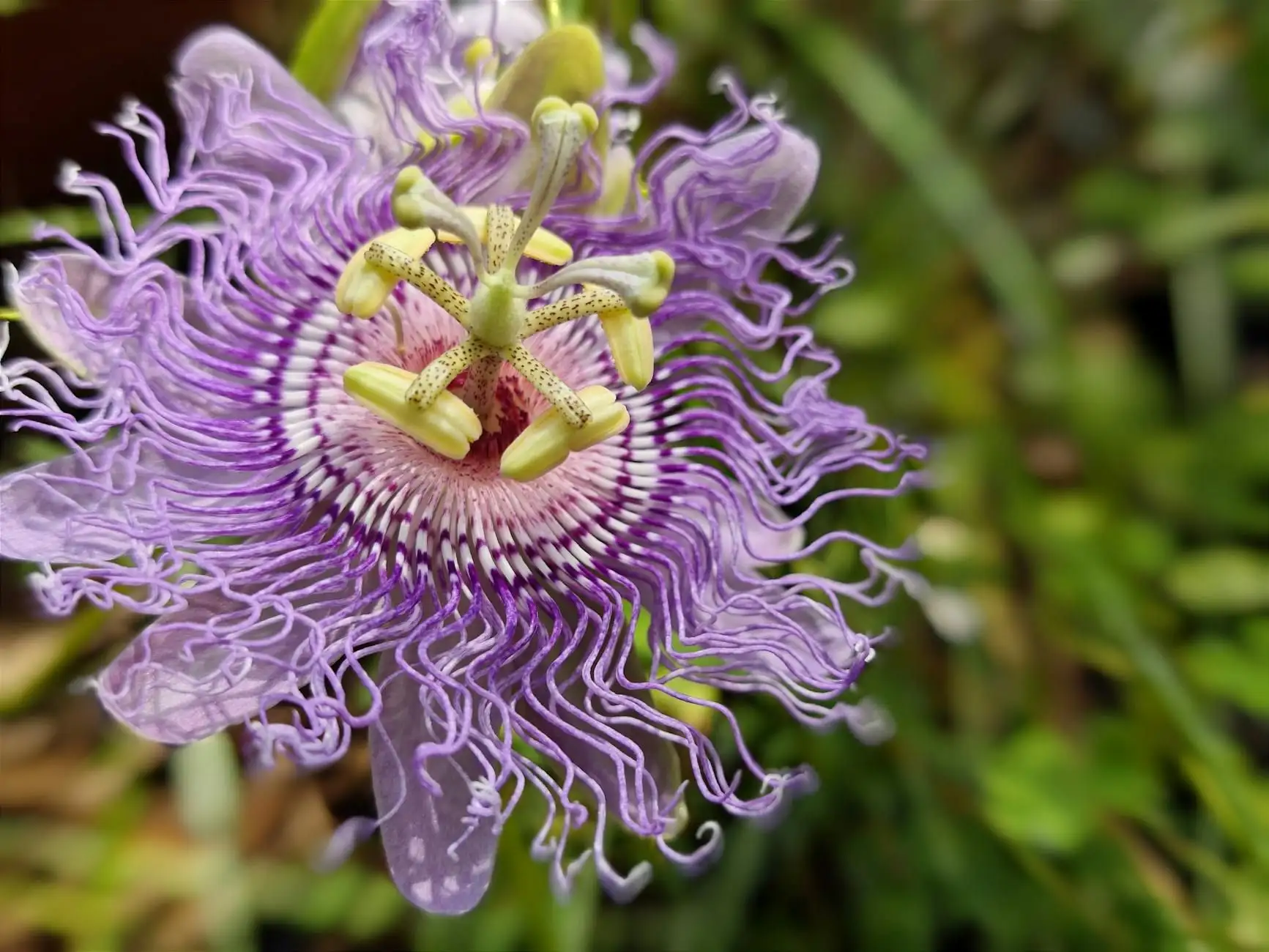
Passionflower, CBD and “rest” formulations: the French framework
Passionflower is permitted in food supplements, with no validated sleep claim. The CBD that sometimes accompanies it has left the ingested market.