← Journal/18 May 2026·8 min de lecture
How to recognise a good full-spectrum CBD oil in France
Par The Phytogrammes team ·
A full-spectrum oil contains the whole range of cannabinoids, terpenes and flavonoids found in hemp, including traces of THC ≤ 0.30 %. Its quality is measured by the origin of the hemp, the extraction method (supercritical CO2 for preference) and the transparency of the certificate of analysis issued by an independent laboratory.
Not all full-spectrum CBD oils are equal. The French market has around 2,000 points of sale and a non-compliance rate of roughly 15 % in DGCCRF inspections in 2024-2025 (labelling, claims, prohibited cannabinoids). Here are the criteria that separate a serious oil from a promotional product.
What « full spectrum » means
CBD, or cannabidiol, is one cannabinoid among more than 100 identified in hemp. An oil described as « full spectrum » retains, in the finished product, the whole set of those compounds: major cannabinoids (CBD), minor cannabinoids (CBG, CBN, CBC), more than 200 terpenes and several dozen flavonoids.
By contrast, an isolate contains only pure CBD at 99 %+, and a broad spectrum retains everything except THC. Full spectrum is therefore the chemical profile closest to the original plant.
The hypothesis that these compounds act in synergy — the « entourage effect » — remains under scientific investigation. No large-scale clinical study has demonstrated it to date. It cannot be presented as a health argument.
Criterion 1: the origin and traceability of the hemp
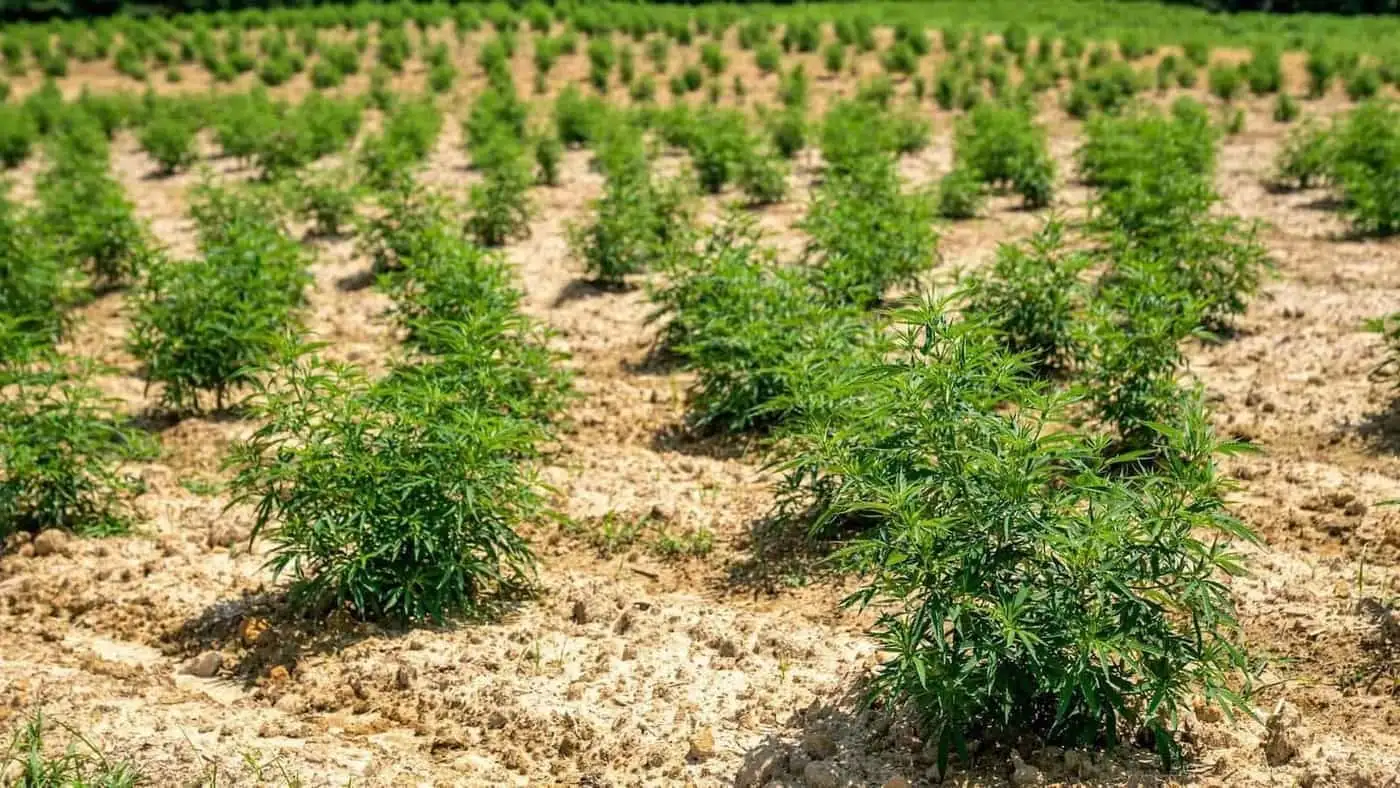
France has around 1,200 farms growing hemp for CBD. Authorised varieties are listed in the official French catalogue or in the common European catalogue, and must naturally contain less than 0.30 % THC in the plant.
Favour an oil whose label specifies:
- the hemp variety (Futura 75, Felina 32, Fedora 17, and so on);
- the growing region (French hemp, Swiss hemp, Italian hemp);
- the growing method (open field, European organic farming certification or an equivalent label).
Hemp grown without pesticides or herbicides limits the risk of contamination, hemp being known to absorb heavy metals present in the soil (phytoremediation).
Criterion 2: the extraction method
Two processes dominate the professional market:
Supercritical CO2 extraction. Carbon dioxide brought to high pressure and low temperature extracts the active compounds without leaving solvent residue. It is the method most respectful of the original cannabinoid-terpene profile, and it introduces no chemical contamination. High cost, specialised equipment.
Pharmaceutical ethanol extraction. Less costly, and effective at extracting cannabinoids. It requires a solvent-residue purging step, which must appear on the certificate of analysis (typically < 5,000 ppm under the European Pharmacopoeia).
To be ruled out: butane, propane or hexane extractions (cheap industrial methods that often leave toxic residues).
Criterion 3: the certificate of analysis (CoA)
The certificate of analysis issued by an accredited independent laboratory (Cofrac, ISO 17025) is the only document that authenticates the composition of a bottle. A serious brand publishes it online, dated to the batch number you are buying.
The CoA must show:
- The actual CBD content (to be compared with the content stated on the label — the gap should be under 10 %).
- The full cannabinoid profile: presence and concentrations of CBG, CBN, CBC, THC.
- The delta-9-THC content: must be below 0.30 % in the finished product, in line with the Conseil d'État ruling of 29 December 2022.
- The absence of prohibited cannabinoids: HHC, H4CBD, H2CBD, HHCO, THCP, THCA and 10-OH-HHC, classified as narcotics by the ANSM in June 2024.
- The contaminants: heavy metals (lead, cadmium, mercury, arsenic), pesticides, mycotoxins, residual solvents — below the European Pharmacopoeia thresholds.
Without a CoA, or with an undated CoA, treat the information as unverifiable.
Criterion 4: the carrier oil and the dosage
Since CBD is fat-soluble, it is diluted in a vegetable carrier oil which influences bioavailability and taste:
- MCT oil (medium-chain triglycerides) from coconut: high bioavailability, neutral taste.
- Food-grade hemp oil (from seeds, which contain no CBD): an interesting omega-3/omega-6 profile, pronounced vegetal taste.
- Virgin olive oil: Mediterranean tradition, strong taste.
The dosage in mg of CBD per bottle must be clearly stated, in addition to the percentage. A 10 % oil in a 10 ml bottle = 1,000 mg of CBD. Be wary of labels that mention only the concentration without specifying the volume or the total quantity.
Health risks and 2024-2025 alerts
In 2024 the ANSES reported some twenty alerts passed to French poison control centres for poisonings caused by CBD products contaminated with synthetic cannabinoids or containing THC levels above 0.30 %. In 2024, 17 « Rappels Conso » notices were published by the DGAL for non-compliant CBD products.
The practical consequence: reading the CoA is not a nicety, it is a health protection. Systematically prefer a brand that publishes its analyses and clearly states the traceability of its hemp.
Key points
- Full spectrum = all the cannabinoids, terpenes and flavonoids of hemp, including THC ≤ 0.30 %.
- The entourage effect remains a hypothesis under investigation, not an established fact.
- Favour an oil made by supercritical CO2 from traceable French or European hemp.
- Insist on a recent certificate of analysis from an accredited independent laboratory.
- Rule out any product mentioning HHC, H4CBD, THCP or derivatives (prohibited since June 2024).
- CBD is not a medicine. If you have any medical doubt, consult a healthcare professional.
Frequently asked questions
How can I check that a brand is serious?
Three indicators: systematic publication of certificates of analysis by batch, transparency about hemp traceability (variety, origin, growing method), and the absence of therapeutic claims on the site and the label. A brand that promises to « relieve », « treat » or « cure » is stepping outside the French legal framework.
Can a full-spectrum oil make a roadside drug test positive?
Yes. Traces of THC ≤ 0.30 % can be enough to trigger a positive saliva test, particularly with regular use. The Cour de cassation ruled on 21 June 2023 that the legality of the product does not exonerate the driver. To drive without risk, choose an isolate certified free of THC.
What is the difference between 5 %, 10 %, 20 % and 30 % CBD?
The percentage indicates the CBD concentration of the bottle. For a 10 ml bottle, 10 % = 1,000 mg, 20 % = 2,000 mg. A higher concentration is not « more effective »: it simply means fewer drops for the same quantity. Start with a moderate concentration and adjust according to how you feel.
Why does the taste vary so much from one brand to another?
Three factors: the carrier oil (neutral MCT, vegetal hemp, strong olive), the terpene profile retained (a full spectrum tastes woodier than an isolate), and the quality of refining (over-purified oils can taste more chemical). Taste does not indicate quality, but it does reflect how raw or refined the product is.
How long does a CBD oil keep?
Generally 12 to 24 months after opening, provided it is kept away from light, heat and air. CBD degrades into CBN under the effect of oxygen, light and heat. Close the bottle after each use and store it upright in a cool place.
To explore our selection of full-spectrum oils with a certificate of analysis, [see our spectres-chimie catalogue](/categorie-produit/extracts-cbd). CBD is not a medicine. If you have any medical doubt, consult a healthcare professional.
Sources
Written by the Phytogrammes team
Every article in this journal draws on primary sources (ANSM, EFSA, EUR-Lex, peer-reviewed publications) and on the lab's own practice: batch-by-batch HPLC analyses, measured cannabinoid profiles. Our approach.
Article published on . CBD is not a medicine.
Phytogrammes products that pair well
Further reading
cbd·18 May 2026
Where does CBD come from? From the hemp plant to the bottle
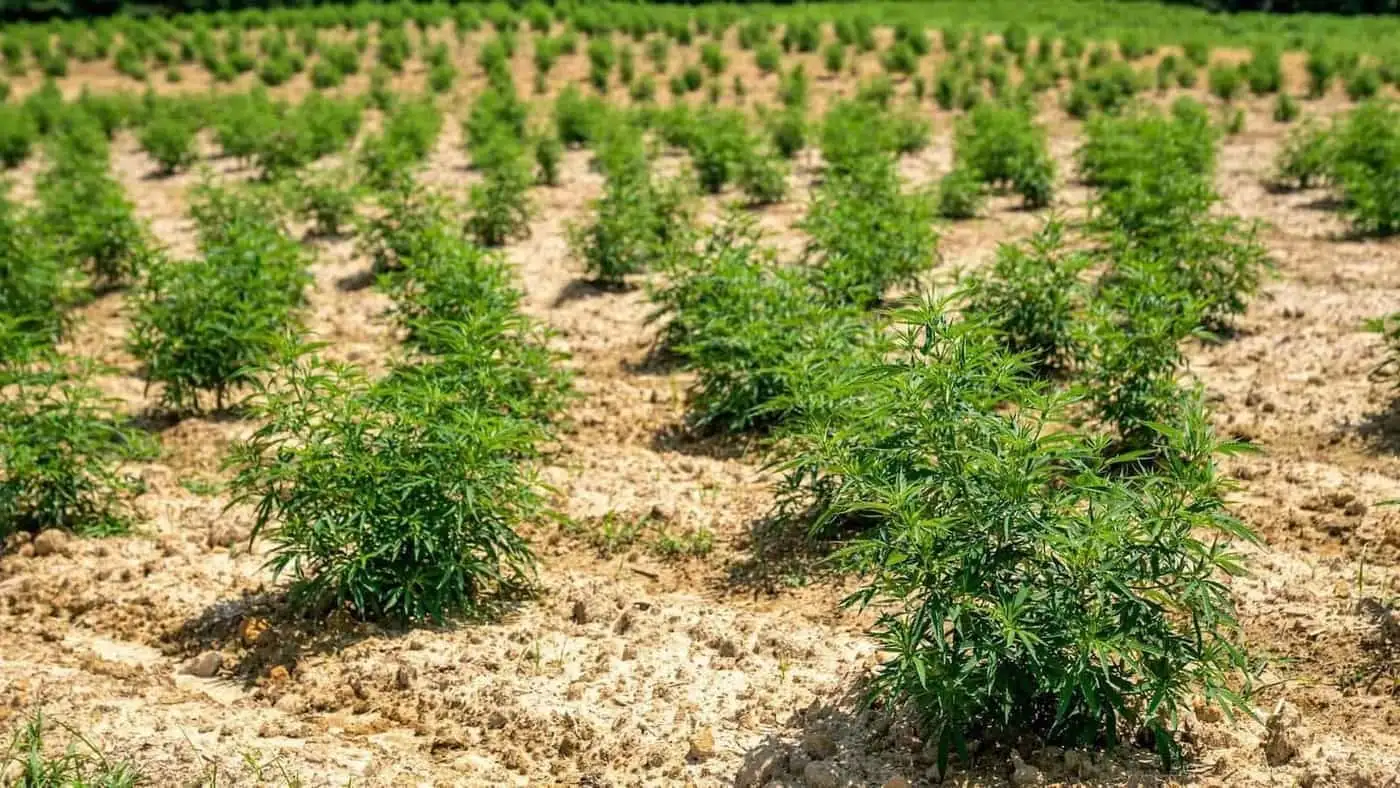
CBD is produced naturally in the trichomes of hemp, then extracted and diluted in a carrier oil. Here is the real journey, within the French framework.
passiflore·18 May 2026
Passionflower, CBD and “rest” formulations: the French framework
Passionflower is permitted in food supplements, with no validated sleep claim. The CBD that sometimes accompanies it has left the ingested market.

peur-avion·18 May 2026
Fear of flying: 9 strategies for getting through your flights
Aerophobia affects a significant share of the French population. Nine concrete levers — breathing, cognitive reframing, sensory grounding — for flying calmly.