← Journal/18 May 2026·4 min de lecture
Taking care of yourself in winter: five dimensions to maintain
Par The Phytogrammes team ·
Winter puts everyday balance under strain: less light, less movement, more fatigue. Five dimensions — mental, emotional, physical, environmental and social — make it possible to structure a robust approach to wellbeing, without any injunction to perform.
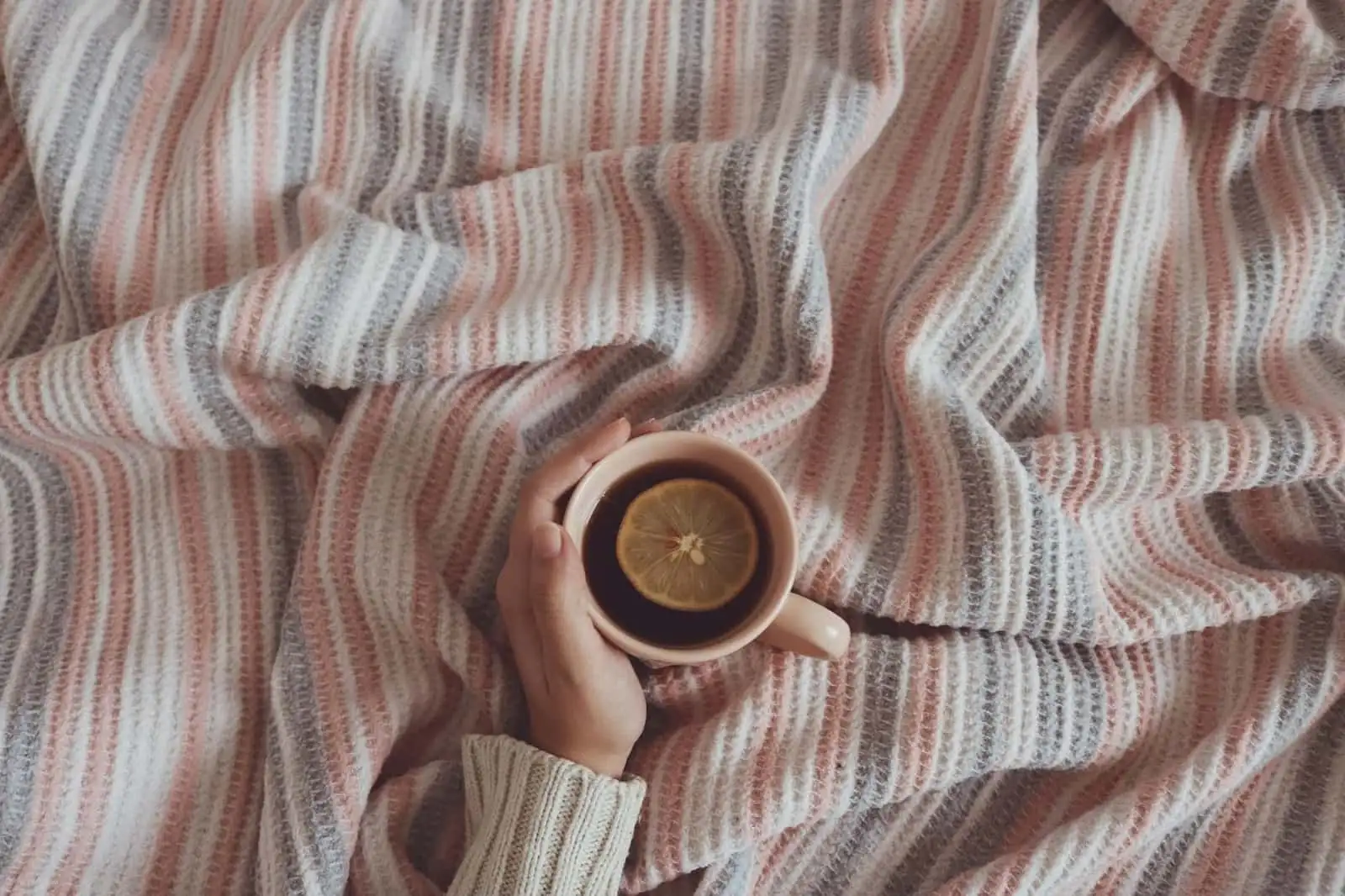
Why winter weighs on morale
The reduction in sunshine alters the balance of circadian rhythms and the secretion of melatonin. According to Inserm, between 1 and 10% of adults in temperate countries show a form of seasonal affective disorder; many more report a simple case of winter blues with no formal diagnosis. Santé publique France likewise records a transient deterioration in mental health indicators in winter: less restorative sleep, lower energy, irritability.
The mental and emotional dimension
The slowing of natural light is an invitation to slow the mind: five minutes of conscious breathing, a short screen-free read before bed, a gratitude journal of three positive things. Mindfulness is used in clinical settings (MBSR programmes) and supported by several HAS recommendations for stress prevention. On the emotional side, keeping a journal, talking to someone close, or consulting a professional if sadness persists for more than two weeks round out this dimension. The Mon Soutien Psy scheme allows sessions with an accredited psychologist to be covered by the French health insurance system.
The physical dimension
ANSES and the HAS recommend 30 minutes of moderate physical activity per day, 7 to 9 hours of sleep at stable times, a varied diet rich in seasonal vegetables and oily fish, and around 1.5 L of water per day. If the cold discourages going out, break the activity into two fifteen-minute sessions; if sleep starts to slip, keep a stable wake-up time even at the weekend.
The environmental and social dimension
Going outside for at least 20 minutes a day between 10am and 2pm exposes you to outdoor light levels that are always higher than those of a lit interior. Airing rooms for fifteen minutes twice a day, setting aside screen-free slots and keeping the bedroom temperature at around 18-19 °C (INSV recommendation) round out environmental hygiene. For more marked forms, light therapy (10,000 lux lamps, 30 minutes in the morning) is used as a complement, on medical advice. On the social side, a weekly dinner with someone close or a regular group activity often has more effect than a big one-off outing.
When the blues become something else
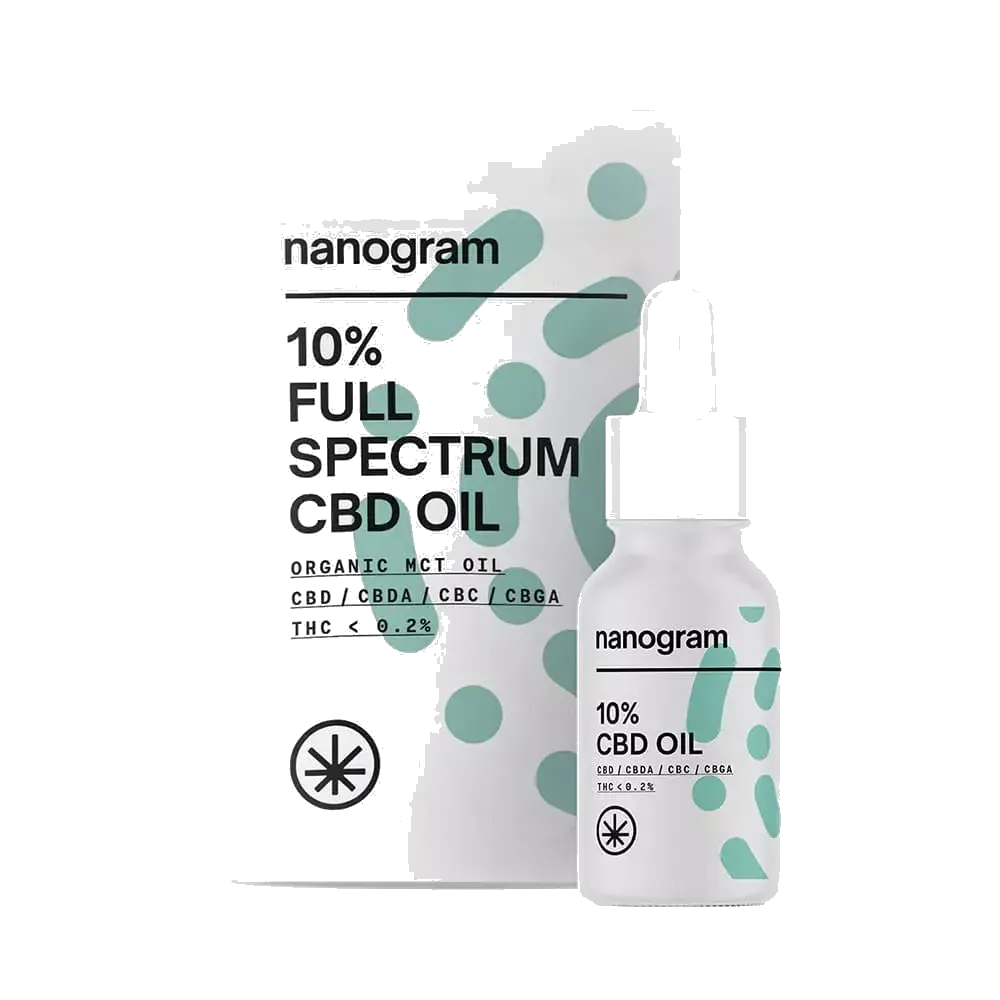
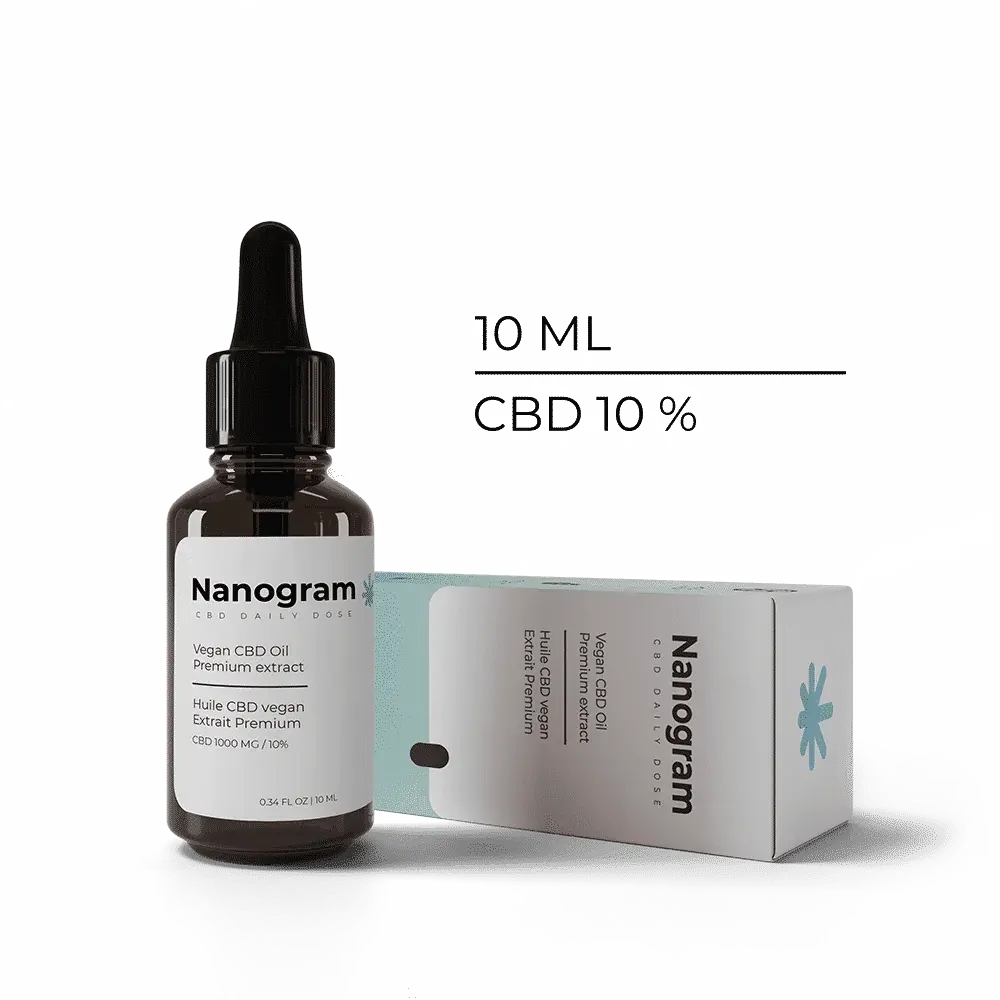
Winter blues are transient. Sadness persisting for more than two weeks, a marked loss of pleasure, sleep or appetite disturbance, or dark thoughts warrant consulting your GP without delay: early management markedly improves the outlook. Some adults also build hemp-based products into their winter routine, in a strictly wellness framework: no brand can state that a CBD product "fights seasonal depression". For a full review of the legal framework, see our article on CBD gummies.
CBD is not a medicine. In case of lasting sadness, consult a healthcare professional.
Frequently asked questions
What is seasonal affective disorder?
A form of depression linked to falling light levels, affecting 1 to 10% of adults in temperate countries according to Inserm. It differs from the blues in its duration and its intensity.
Is light therapy reimbursed?
No, but a medically certified lamp (10,000 lux) remains accessible. Best used in the morning, on medical advice for characterised forms.
How much physical activity is needed in winter?
At least 30 minutes a day of moderate activity, which can be split into two or three sessions. Cold is not a contraindication, provided you are well equipped.
Are food supplements needed in winter?
A varied diet is generally sufficient. Vitamin D supplementation is, however, frequently recommended between October and March, depending on individual status.
Written by the Phytogrammes team
Every article in this journal draws on primary sources (ANSM, EFSA, EUR-Lex, peer-reviewed publications) and on the lab's own practice: batch-by-batch HPLC analyses, measured cannabinoid profiles. Our approach.
Article published on . CBD is not a medicine.
Phytogrammes products that pair well
Further reading
recompenses-cbd·18 May 2026
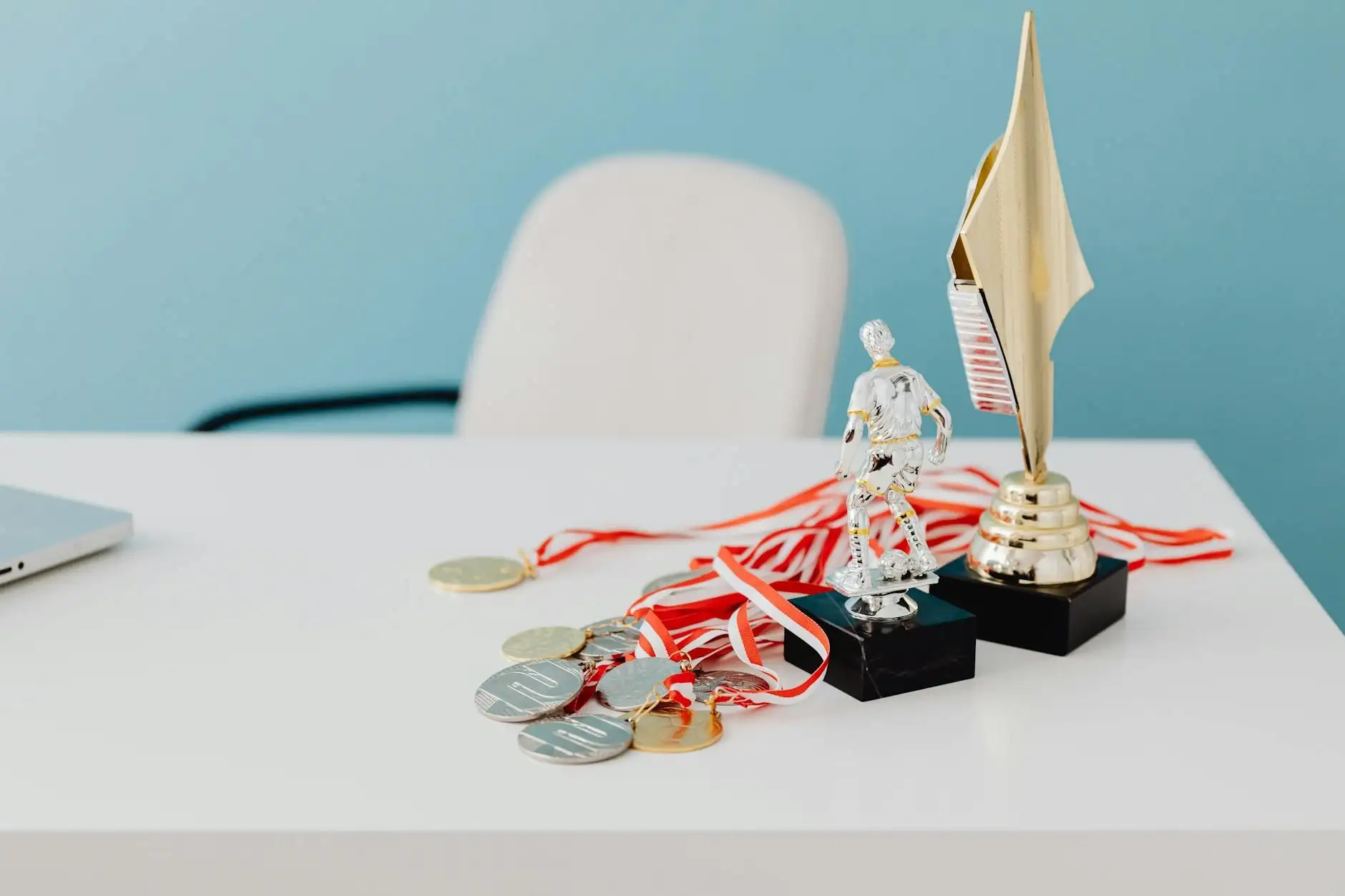
Prizes and awards on CBD gummies: what are they worth?
Consumer awards, independent medals, press rankings: how to decode the distinctions displayed on CBD products.
insomnie·18 May 2026
What to do when you cannot sleep: 8 useful steps
4-7-8 breathing, visualisation, reading, leaving the bed: the INSV and HAS recommendations for getting through a bad night without making things worse.
gommes-cbd·18 May 2026
What are CBD gummies and where do they stand in France?
CBD gummies are sweets dosed with cannabidiol. In France, their status changed radically on 15 May 2026: here is the detail.