← Journal/18 May 2026·4 min de lecture
What are CBD gummies and where do they stand in France?
Par The Phytogrammes team ·
A CBD gummy is a gelled sweet dosed with cannabidiol, generally between 5 and 25 mg per unit. In France it falls under the Novel Food regulation, and its marketing has changed profoundly since 15 May 2026, the date on which the DGAL withdrew ingested products without European authorisation from the market.
A user-friendly format, but a legally sensitive one
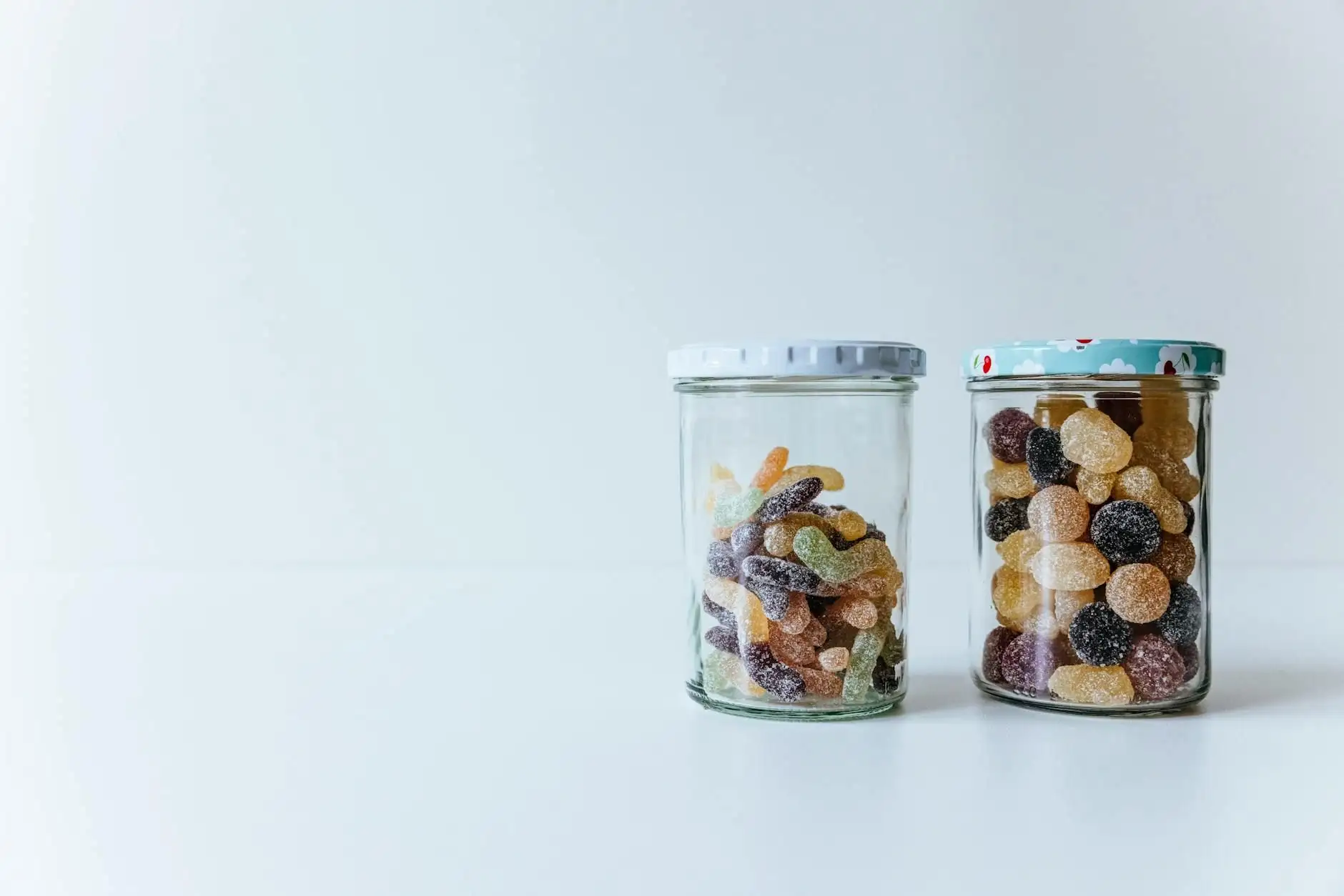
A CBD gummy is a gelled sweet, made with pectin or gelatine, incorporating a standardised hemp extract. The format appeals through its simplicity: no pipette, a fixed dose per unit, in the same family as the "sweet" supplements (multivitamins, melatonin) that have appeared on the European market since 2018. Legally, a CBD gummy is an ingested product: it falls within the scope of EU regulation 2015/2283 on novel foods.
Why 2026 changes everything for ingested gummies
EFSA had suspended its assessment of CBD as a novel food in 2022 because of toxicological gaps. On 9 February 2026 it published a very low provisionally safe daily dose, 0.0275 mg/kg of body weight per day, that is roughly 2 mg per day for a 70 kg adult, calculated with an uncertainty factor of 400. A gummy dosed at 10 or 25 mg exceeds that threshold on its own. The DGAL drew the consequences: since 15 May 2026, CBD gummies, capsules, infusions and drinks without European authorisation have been withdrawn from the French market. Non-ingested products (flowers, resins, e-liquids, cosmetics) remain authorised.
Three extract profiles to know
CBD isolate is cannabidiol at 98-99% purity, with no other hemp compound. Broad spectrum retains several minor cannabinoids (CBG, CBN, CBC) and terpenes, without THC. Full spectrum preserves the whole plant profile, with traces of THC below the legal threshold of 0.30% in the finished product, in line with the Conseil d'État decision of 29 December 2022. Synthetic cannabinoids (HHC, H4CBD, THCP) have been banned since 3 June 2024, after more than 200 reports of serious poisonings recorded by ANSM.
Onset, dosage and driving
A gummy goes through digestion: the effect is perceived between 30 and 90 minutes after taking it, and lasts longer (4 to 8 hours) than sublingual administration. The EFSA threshold of about 2 mg/day remains the only current health benchmark, and use is still inadvisable for pregnant or breastfeeding women, minors and people on medical treatment. A full-spectrum gummy can lead to a positive saliva screening test for THC: the Cour de cassation reiterated in 2023 that the legality of the product consumed does not exempt the driver.
Reading a quality label
On legitimate packaging, check the dose in mg per gummy (and not only per jar), the type of spectrum, the origin of the extract, the batch number with a certificate of analysis accessible online, the full ingredient list and the precautionary statements. Our article on how much CBD to use rounds out these benchmarks.
CBD is not a medicine. If you have any doubt about your wellbeing routine, consult a healthcare professional.
Frequently asked questions
Are CBD gummies still available in France in 2026?
No. Since 15 May 2026, the DGAL has been withdrawing from the market ingested gummies without validated Novel Food authorisation. Non-ingested formats (flowers, e-liquids, cosmetics) remain legal.
What is the difference between a gummy and a sublingual oil?
Sublingual oil acts in 15 to 30 minutes via the mucous membranes. The gummy goes through digestion: a later onset (30-90 minutes) but a longer-lasting one (4 to 8 hours).
How many mg of CBD per day are permitted?
In February 2026 EFSA set a provisionally safe dose of 0.0275 mg/kg, that is roughly 2 mg for a 70 kg adult, excluding pregnant and breastfeeding women and minors.
Can I drive after eating a CBD gummy?
Take care: a full-spectrum gummy contains traces of THC that are detectable in saliva for up to 24 hours. The Highway Code provides for no tolerance threshold.
Written by the Phytogrammes team
Every article in this journal draws on primary sources (ANSM, EFSA, EUR-Lex, peer-reviewed publications) and on the lab's own practice: batch-by-batch HPLC analyses, measured cannabinoid profiles. Our approach.
Article published on . CBD is not a medicine.
Phytogrammes products that pair well

Further reading

dosage-cbd·18 May 2026
How much CBD should you take? Usage benchmarks
The useful amount of CBD varies with the person, the product and the goal. Wellness usage benchmarks, label reading and the French framework in 2026.

cbd-sport·18 May 2026
Recovery after a run — rituals and where CBD fits in
What routine to adopt after a running session, and how to bring a CBD cosmetic into your recovery ritual, within the French legal framework.

bien-etre·18 May 2026
Rebalancing your daily life: 5 simple well-being adjustments
Sleep, movement, hydration, breathing and disconnection: five accessible levers for taking your daily life back in hand, without major upheaval.