← Journal/18 May 2026·4 min de lecture
Circadian rhythm and sleep: understanding your internal clock
Par The Phytogrammes team ·
The circadian rhythm is the internal biological clock that regulates wakefulness, sleep and many physiological functions over 24 hours. Light, mainly in the morning, is its most powerful signal. A desynchronised rhythm is documented as a risk factor for several chronic conditions.
What the circadian rhythm is
The term comes from the Latin circa diem, "about a day". Inserm describes this clock as a set of neuro-hormonal mechanisms driven by the suprachiasmatic nucleus of the hypothalamus. It regulates the sleep-wake cycle, the secretion of melatonin and cortisol, body temperature, digestion and cognitive performance.
The central role of light
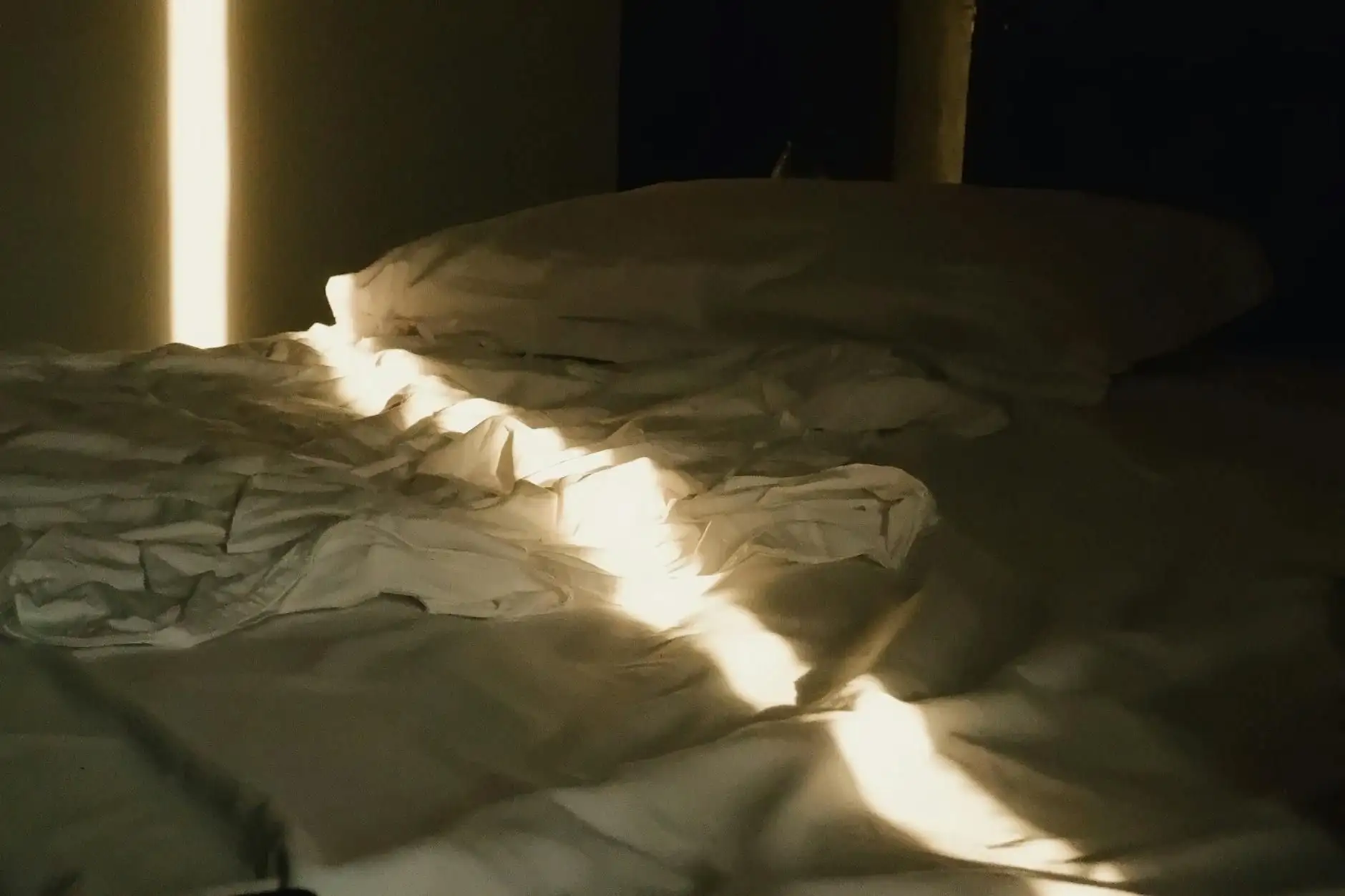
Morning light, rich in blue, suppresses melatonin production and signals to the brain that it is time to be awake. Evening dimness, by contrast, favours its secretion, while the blue light of screens in the evening disrupts this process by simulating a daytime signal. The INSV recommends 15 to 30 minutes of exposure to natural light in the morning and a gradual reduction of lighting in the evening.
How a circadian rhythm becomes disrupted
Jet lag, shift work, bright screens in the evening, lack of exposure to daylight and irregular bedtimes and waking times are the most frequent causes. The consequences show up as difficulty falling asleep, daytime fatigue and reduced focus. In the long term, Inserm documents an association between chronic desynchronisation and cardiovascular and metabolic risks.
How to reset your circadian rhythm
Bright light in the morning within two hours of waking, gradual dimness before bed and no bright screens in the preceding hour are the most effective habits. In case of jet lag, bring your bedtime forward or push it back gradually by 15 to 30 minutes a day. Stable dietary markers (meals at regular times, dinner finished at least two hours before bed, caffeine limited to the morning) reinforce these effects. For large shifts, light therapy (a 10,000 lux lamp, 20-30 minutes in the morning) is validated by the HAS for certain indications, to be discussed with your doctor.
Melatonin as a food supplement
Melatonin is marketed in France within a limit of 1.9 mg per day, in line with ANSES recommendations. Its efficacy is mainly documented for jet lag and circadian rhythm disorders, not as a general sleeping pill. Above 1.9 mg/day, it falls under medicinal product status: the branded product Circadin® is available on prescription for certain indications.
Where CBD may fit in
If you wish to include CBD in your evening ritual, common use involves taking a few drops of sublingual oil in the early evening. MILDECA points out that no French authority has validated any therapeutic claim: CBD does not "reset the clock" or "regulate" melatonin. The EFSA recommends not exceeding around 2 mg per day for a 70 kg adult. If circadian problems persist, consult your doctor or a sleep centre.
Frequently asked questions
How long does it take to reset your rhythm after a trip?
Roughly one day per hour of time difference. Suitable light exposure in the morning speeds up resynchronisation.
Is melatonin in gummy form a sleeping pill?
No. It is a hormone that regulates the circadian rhythm, not a sleeping pill. Its efficacy is moderate and mainly documented for circadian disorders.
Should you sleep in complete darkness?
Yes, as far as possible. Even the smallest light source, such as an LED, can disrupt the night-time secretion of melatonin.
Does CBD act on the circadian rhythm?
No French health authority has validated this claim. The available scientific data remain insufficient to conclude that there is a direct effect on the biological clock.
To build a complete bedtime ritual, see our article [evening ritual](/blog/rituel-du-soir-construire-routine-coucher). To calm the thoughts that spin at bedtime, see [night-time rumination](/blog/ruminations-nocturnes-comment-apaiser-mental-soir).
Written by the Phytogrammes team
Every article in this journal draws on primary sources (ANSM, EFSA, EUR-Lex, peer-reviewed publications) and on the lab's own practice: batch-by-batch HPLC analyses, measured cannabinoid profiles. Our approach.
Article published on . CBD is not a medicine.
Phytogrammes products that pair well
Further reading
sommeil·18 May 2026
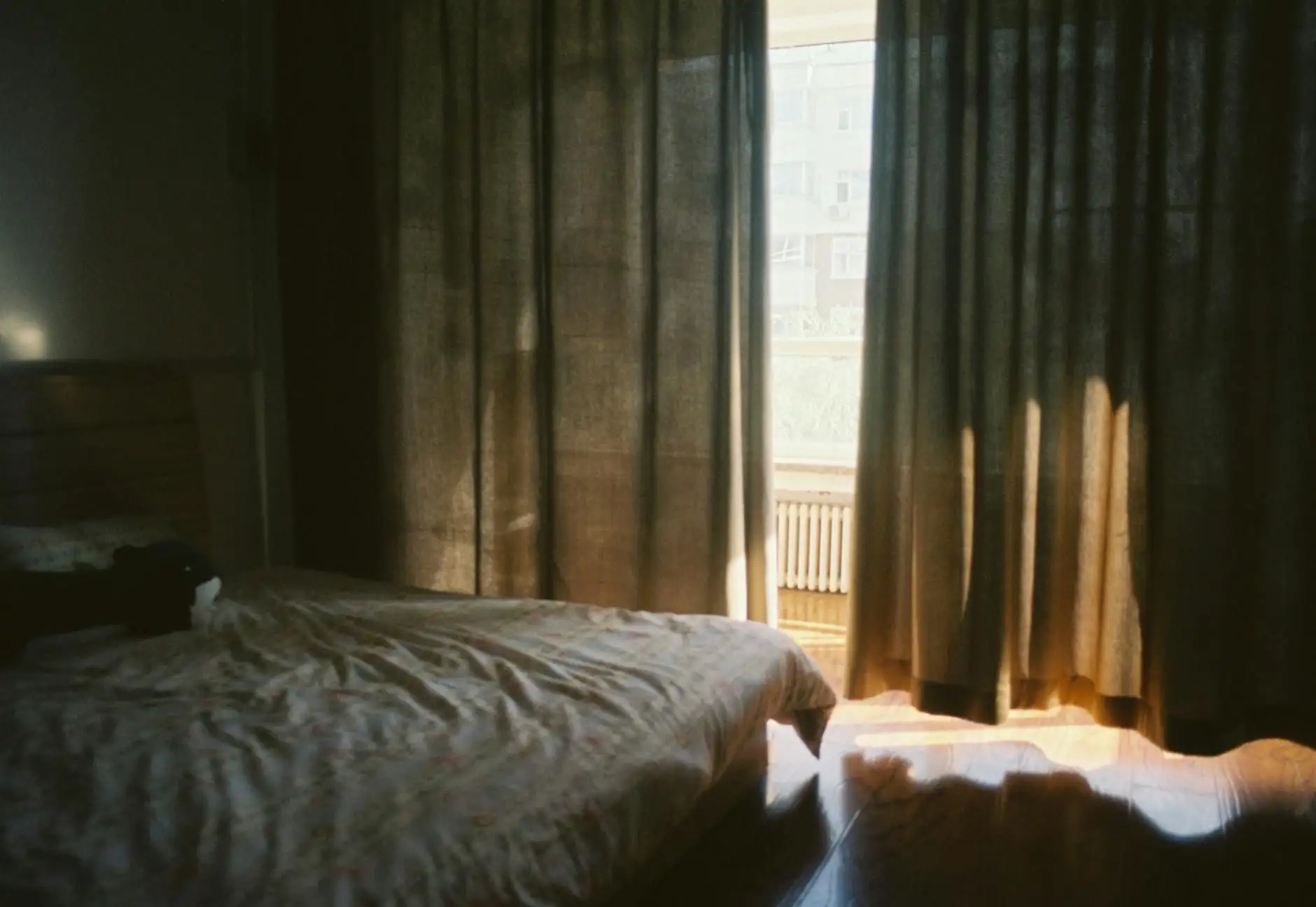
Resetting your sleep-wake rhythm: the step-by-step method
Late nights, shifted weekends, social jet lag: here is how to take back control of your body clock in 10 to 14 days, using the levers validated in France.
microbiote·18 May 2026
Gut health and mental well-being: the gut-brain axis
Microbiota, vagus nerve, neurotransmitters: what French research says about the gut-brain axis and its role in everyday stress.

chien·18 May 2026
12 signs of stress in dogs: recognising them and acting
A dog cannot speak, but bodily and behavioural signals give away its stress. Here is how to recognise them and when to seek advice.