← Journal/18 May 2026·4 min de lecture
Gut health and mental well-being: the gut-brain axis
Par The Phytogrammes team ·
The gut is sometimes called the "second brain" because of its network of more than 200 million neurons and its role in producing neurotransmitters. Looking after gut health through diet and lifestyle is one of the levers of an overall well-being approach, documented by Inserm.
What the gut-brain axis is
Three main components link the digestive tract to the central nervous system: the enteric nervous system, a network of more than 200 million neurons that regulates digestive motility; the vagus nerve, the main two-way connection between brain and viscera; and the gut microbiota, a set of billions of micro-organisms that produce metabolites, some of them precursors of neurotransmitters. Inserm lists more than a decade of research into the links between the microbiota and brain function.
Why the subject matters for stress
Several exploratory studies have highlighted associations between the composition of the microbiota and stress levels. The microbiota is involved in the production of neurotransmitters such as serotonin and GABA, modulates systemic inflammation, and influences the vagus nerve, which regulates the autonomic nervous system. The research remains exploratory: no French authority (Inserm, HAS, ANSES) currently endorses any treatment based on modulating the microbiota for an anxiety or depressive disorder.
Diet, the first lever for maintaining the microbiota
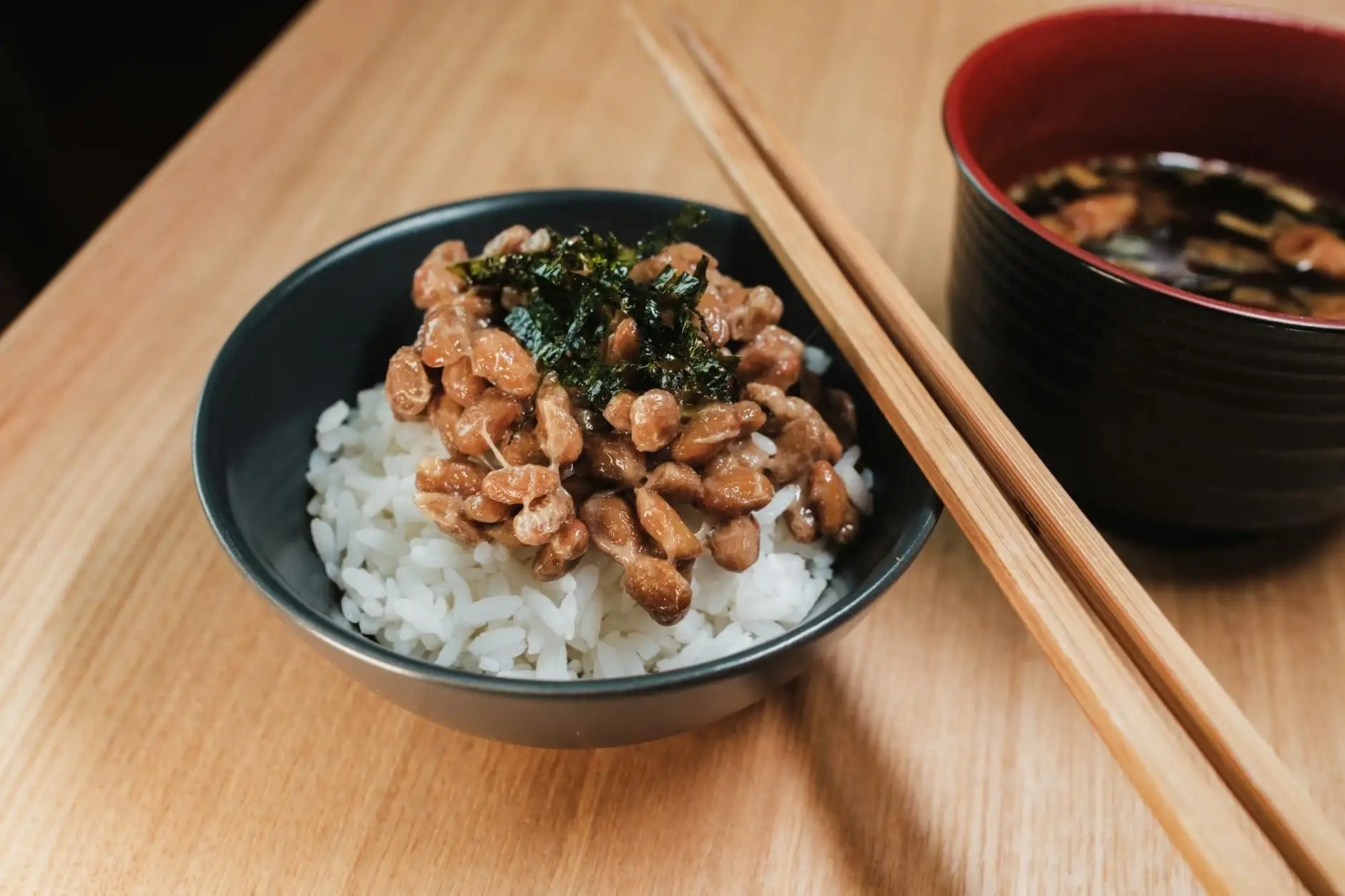
Fibre is the main fuel for beneficial gut bacteria: vegetables, fruit, pulses, wholegrain cereals. The PNNS recommends aiming for 25 to 30 g of fibre a day, against an average of 18 g in the French population. Fermented foods (yoghurt, kefir, raw sauerkraut, miso) provide live micro-organisms whose nutritional value is documented, even though the probiotic effect depends heavily on the strain. The polyphenols in unsweetened cocoa, green tea and olive oil also feed certain bacteria. Conversely, ultra-processed products, added sugars and artificial sweeteners are associated with a decline in the diversity of the microbiota in several observational studies.
Beyond diet
Regular physical activity, around 30 minutes a day according to the recommendations of ANSES, is associated with greater gut bacterial diversity. Sleep also influences the microbiota: insufficient or irregular sleep degrades several associated metabolic markers. Managing chronic stress closes the loop, since stress itself alters gut permeability and bacterial composition.
Probiotic supplements: caution still applies
Most of the strains on the market have no health claim approved by EFSA, and the observed effect is generally strain-specific: one product cannot be extrapolated to another. In cases of chronic inflammatory bowel disease or immunosuppression, medical advice is recommended before taking any. Diet remains the priority lever; supplements are only an adjunct.
CBD and the digestive system: what the French framework says
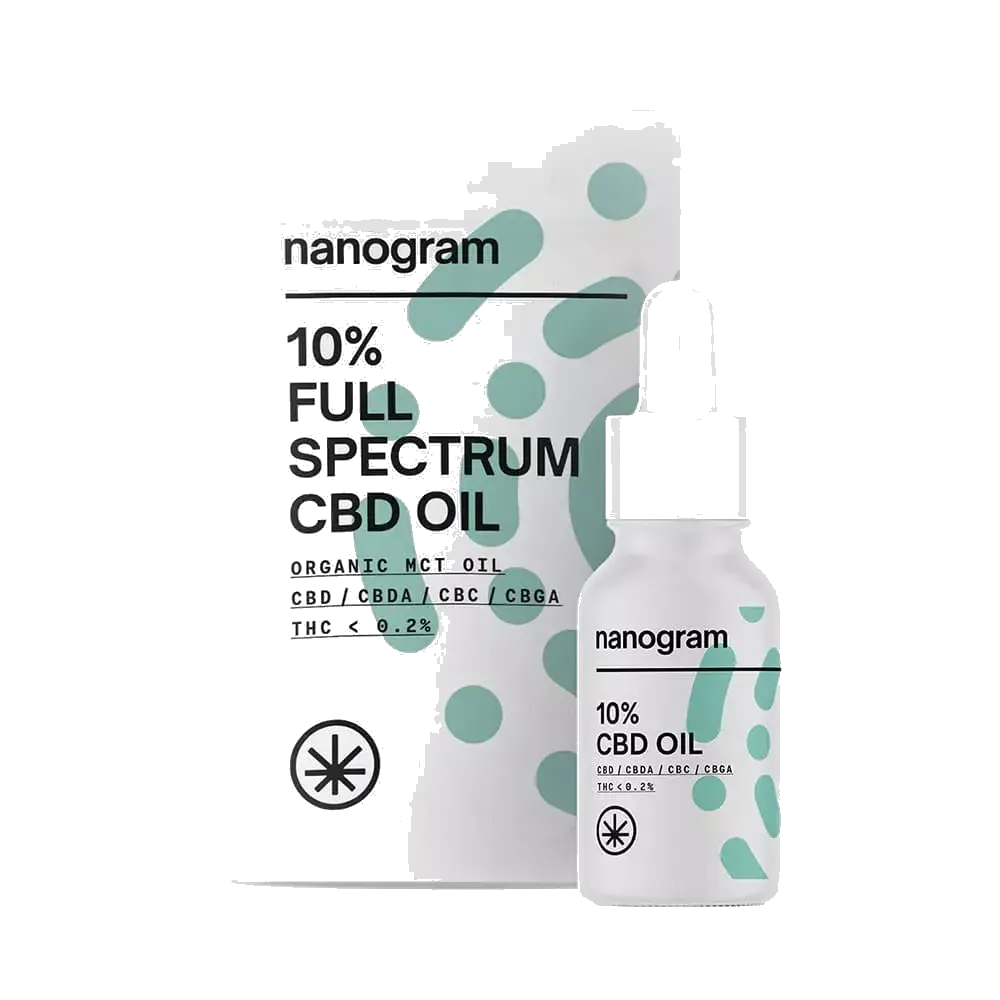
Some brands refer to a role for CBD in "digestive comfort". Such statements are health claims that are not authorised in France: no brand may state that a CBD product "improves digestion" or "balances the microbiota". The legal framework permits sale provided the THC content of the finished product remains at or below 0.30%, in line with the Conseil d'État decision of 29 December 2022. CBD is not a medicine; in the event of a recurrent digestive problem, consult a healthcare professional.
Frequently asked questions
How long does it take to change your microbiota?
The first changes appear within a few days of a dietary change. Stabilisation is seen over several weeks to several months.
Is a probiotic supplement really useful?
That depends on the strain, the dosage and the context. For the majority of healthy adults, a diet rich in fibre and fermented foods is enough.
Does stress really degrade the microbiota?
Several exploratory studies suggest so. Chronic stress alters gut permeability and bacterial composition, which makes managing it an indirect lever for gut health.
Should you see a doctor for recurrent digestive problems?
Yes. Persistent bloating, abdominal pain or altered transit over several weeks warrant advice from your GP.
For managing stress day to day, see our article on [daily anti-stress routines](/blog/routines-quotidiennes-gestion-stress). For CBD dosage guidance, see [how much CBD to take](/blog/quelle-quantite-de-cbd-prendre-reperes-usage).
Written by the Phytogrammes team
Every article in this journal draws on primary sources (ANSM, EFSA, EUR-Lex, peer-reviewed publications) and on the lab's own practice: batch-by-batch HPLC analyses, measured cannabinoid profiles. Our approach.
Article published on . CBD is not a medicine.
Phytogrammes products that pair well


Further reading

chien·18 May 2026
12 signs of stress in dogs: recognising them and acting
A dog cannot speak, but bodily and behavioural signals give away its stress. Here is how to recognise them and when to seek advice.

handisport·18 May 2026
Para-skiing and recovery: what adaptive camps teach us
Adaptive ski camps rebuild a routine of effort after an accident. In France, the FFH structures the offering — here is what you need to know.

sommeil-sport·18 May 2026
Sleep and sports recovery: what you need to know
Why quality sleep governs muscle recovery, and the CBD framework for athletes, whether or not they are subject to anti-doping testing.