← Journal/18 May 2026·4 min de lecture
Para-skiing and recovery: what adaptive camps teach us
Par The Phytogrammes team ·
Adaptive ski camps allow injured athletes to rediscover the pleasure of the slopes through mono-ski, dual-ski or sit-ski. They are not aimed at performance but at restoring a routine of effort, fresh air and collective life after a sudden rupture. On the recovery side, CBD came off the anti-doping list in 2018, but caution remains in order regarding residual THC.
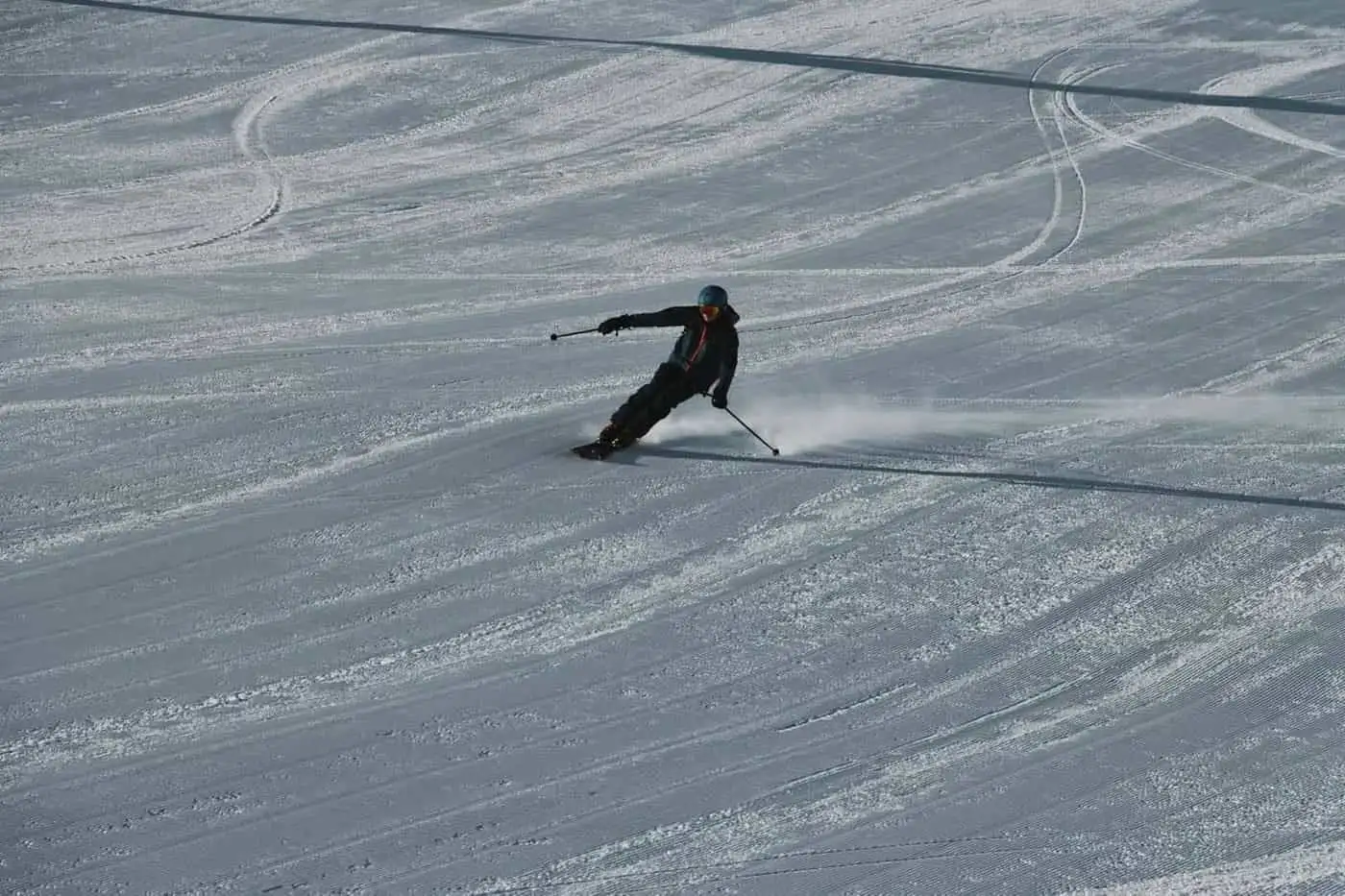
A format that changes convalescence
These camps bring together, over a week, people who have come through a disabling accident, specialist instructors and adapted equipment. In France, the offering is organised around the Fédération Française Handisport (FFH), the Handisport network and private structures such as the École de Ski Français adaptive section. Para alpine skiing covers several disciplines: standing skiing (categories LW1 to LW9), sit-skiing (LW10 to LW12) and visually impaired skiing (B1 to B3).
Why the slopes help after an injury
Adaptive skiing combines effort, speed, the management of imbalance and a natural environment. Several studies in sports physiotherapy and rehabilitation psychology identify four contributions: restoration of the body schema, management of exertion pain by shifting attention, social connection through collective practice, and a return to a structuring outdoor routine. Adaptive skiing is not a therapy: it accompanies, within an approach that includes medical follow-up, rehabilitation and physiotherapy.
The place of recovery in the camp week
A day of adaptive skiing is demanding: transfers, constant core work, sustained cardiovascular effort. Recovery becomes a subject in its own right: hydration of at least 1.5-2 L of water a day, a protein intake of 1.2 to 1.6 g/kg to support muscle rebuilding, sleep targeting 7 to 9 hours, gentle stretching and self-massage on overloaded areas. Muscle-comfort topicals, such as hemp balms, often form part of this routine.
CBD and sport in France: what the framework says
Since 1 January 2018, the World Anti-Doping Agency has removed CBD from the list of prohibited substances, the only cannabinoid in that position. THC remains prohibited in competition. The real risk for a French athlete, including in para-sport, is not CBD itself but contamination by the residual THC of full-spectrum products. The federations that have taken a position recommend a CBD isolate certified free of THC, with a certificate of analysis from an independent laboratory. The French legal framework, set by the Conseil d'État on 29 December 2022, applies in the same way to an able-bodied athlete and a para-athlete.
What these camps suggest for the wider public
The spirit of these camps, structuring a week of getting back into movement after a break, transfers to other situations: returning from a knee operation, coming off sick leave, resuming after childbirth or after burnout. Set a modest, tangible goal, schedule recovery the way you schedule effort, and practise in a group when possible: the presence of other people engaged in the same process supports consistency.
Legal and health precautions
The Cour de cassation on 21 June 2023 held that the commercial legality of a CBD product does not exonerate the driver in the event of a positive saliva test for THC: avoid any full-spectrum product before getting back behind the wheel after a camp. Since June 2024, the ANSM has added HHC, H4CBD and THCP to the narcotics list. CBD is not a medicine; in the event of persistent pain or injury, consult a sports doctor or a specialist physiotherapist.
Frequently asked questions
Is CBD prohibited in competition for French athletes?
No. Since 1 January 2018, CBD no longer appears on the WADA list or on the list applied by the AFLD. All other cannabinoids, including THC, remain prohibited in competition.
What is the risk for an athlete using a full-spectrum product?
A full-spectrum product contains, by construction, traces of THC, which can trigger a positive result during an anti-doping test. A CBD isolate with no detectable THC, backed by a recent certificate of analysis, remains the only reliable option.
Do adaptive ski camps exist in France?
Yes, organised by the Fédération Française Handisport, the École de Ski Français adaptive section and several voluntary-sector structures in the Alps, the Pyrenees and the Massif Central.
Is a medical certificate required to take part?
Yes, in the great majority of cases: a certificate of no contraindication drawn up by a doctor familiar with your condition, together with an assessment by the camp's lead instructor.
To explore the framework governing CBD among athletes, see our article on [sleep and sports recovery](/blog/sommeil-recuperation-sportive-cbd). For other recovery rituals, see [recovery after running](/blog/recuperation-apres-course-pied-rituels-cbd).
Written by the Phytogrammes team
Every article in this journal draws on primary sources (ANSM, EFSA, EUR-Lex, peer-reviewed publications) and on the lab's own practice: batch-by-batch HPLC analyses, measured cannabinoid profiles. Our approach.
Article published on . CBD is not a medicine.
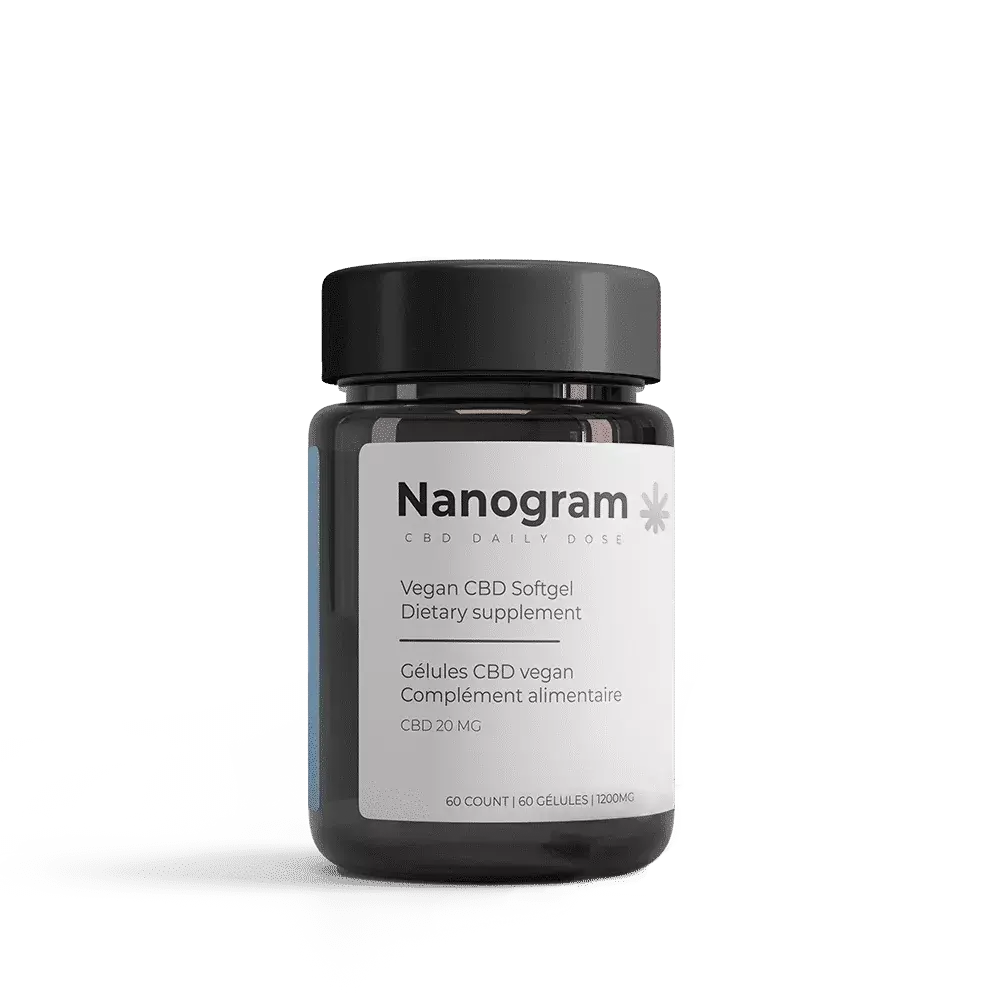
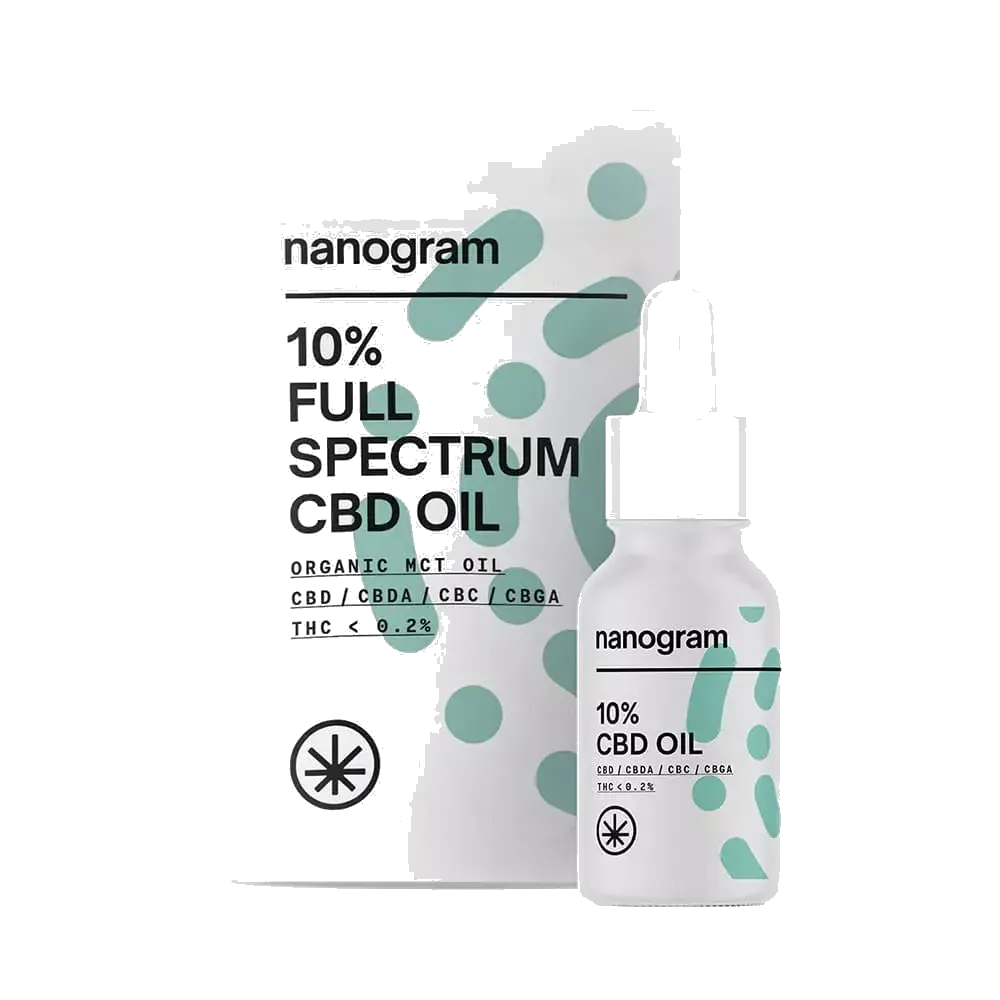
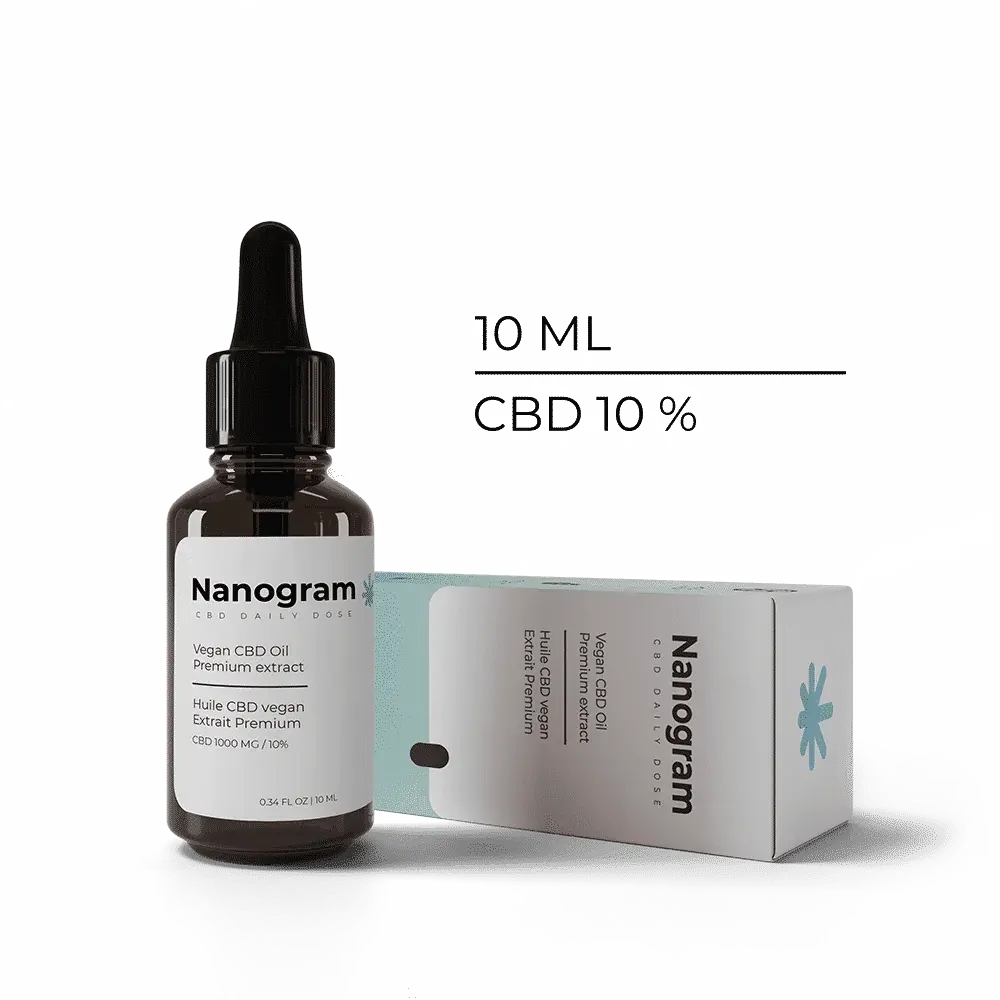
Phytogrammes products that pair well
Further reading
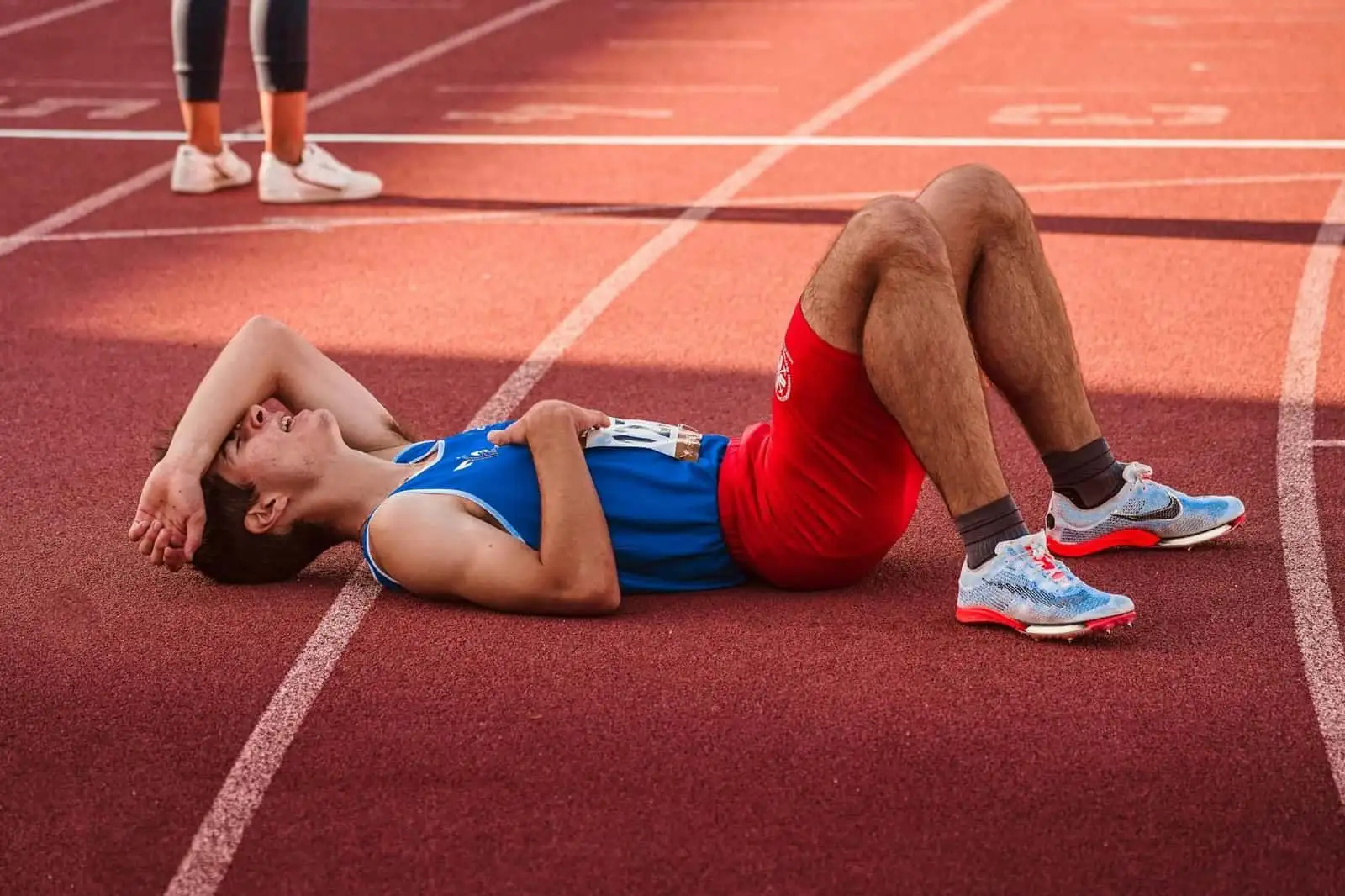
sommeil-sport·18 May 2026
Sleep and sports recovery: what you need to know
Why quality sleep governs muscle recovery, and the CBD framework for athletes, whether or not they are subject to anti-doping testing.
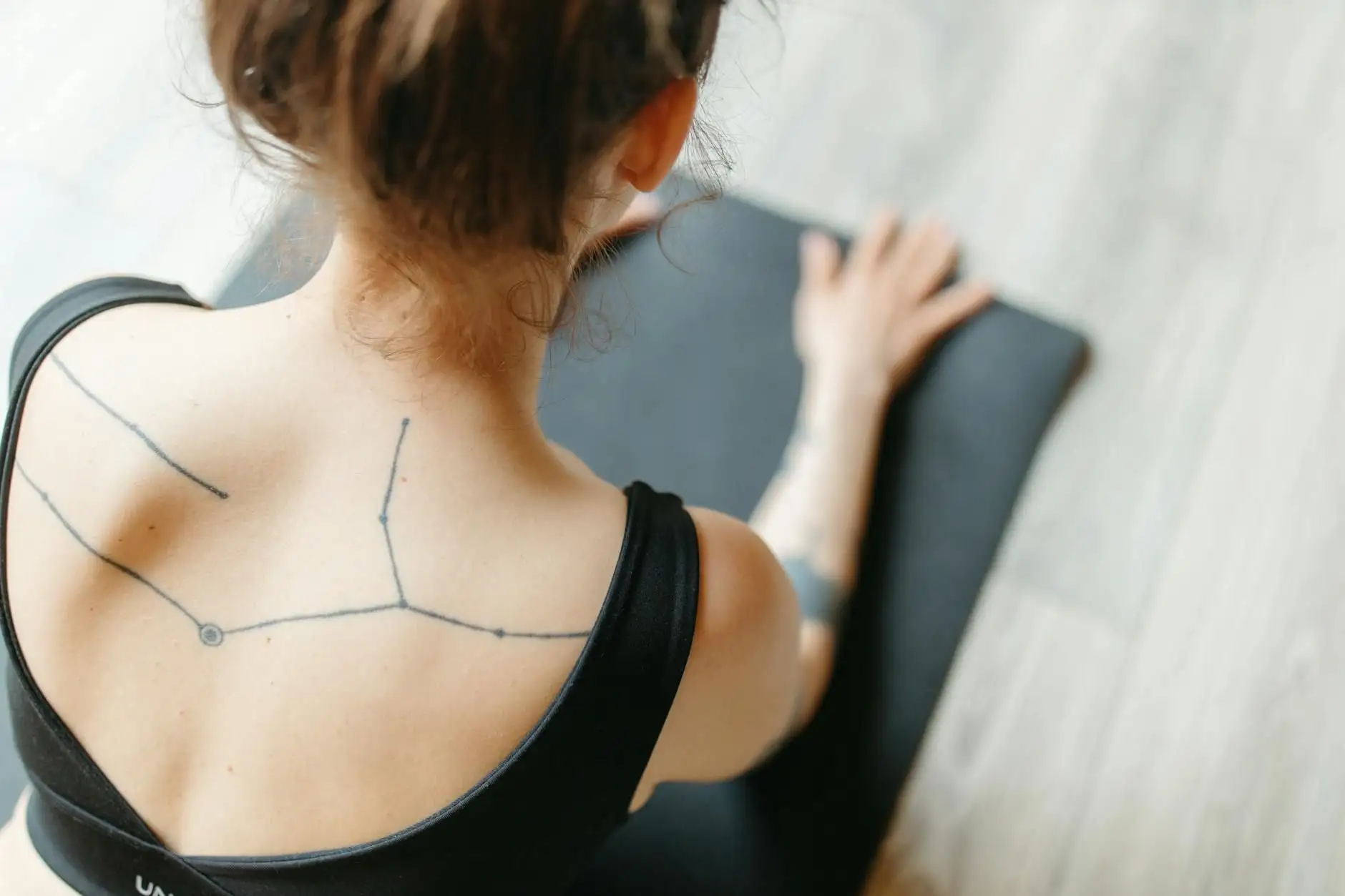
dos·18 May 2026
Back spasms: what to do about a muscle strain?
What to do about a back muscle spasm: relative rest, gentle mobility, when to seek advice and the place of topical care in a comfort routine.
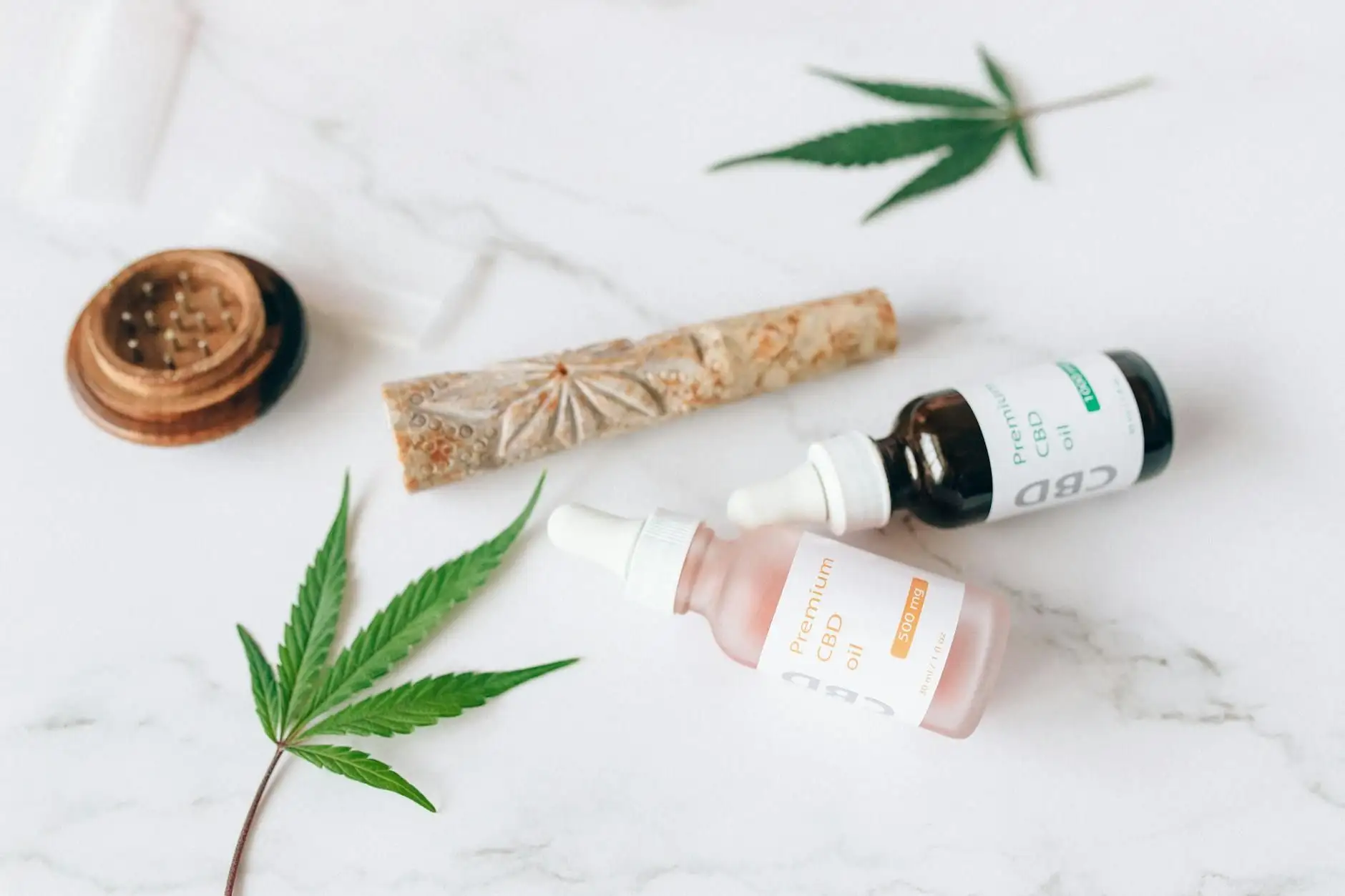
spectre-complet·18 May 2026
What does « full spectrum » mean in a CBD oil?
Beyond CBD, a full-spectrum extract contains more than 100 cannabinoids and many hemp terpenes. Here is what the term actually means.