← Journal/18 May 2026·6 min de lecture
Back spasms: what to do about a muscle strain?
Par The Phytogrammes team ·
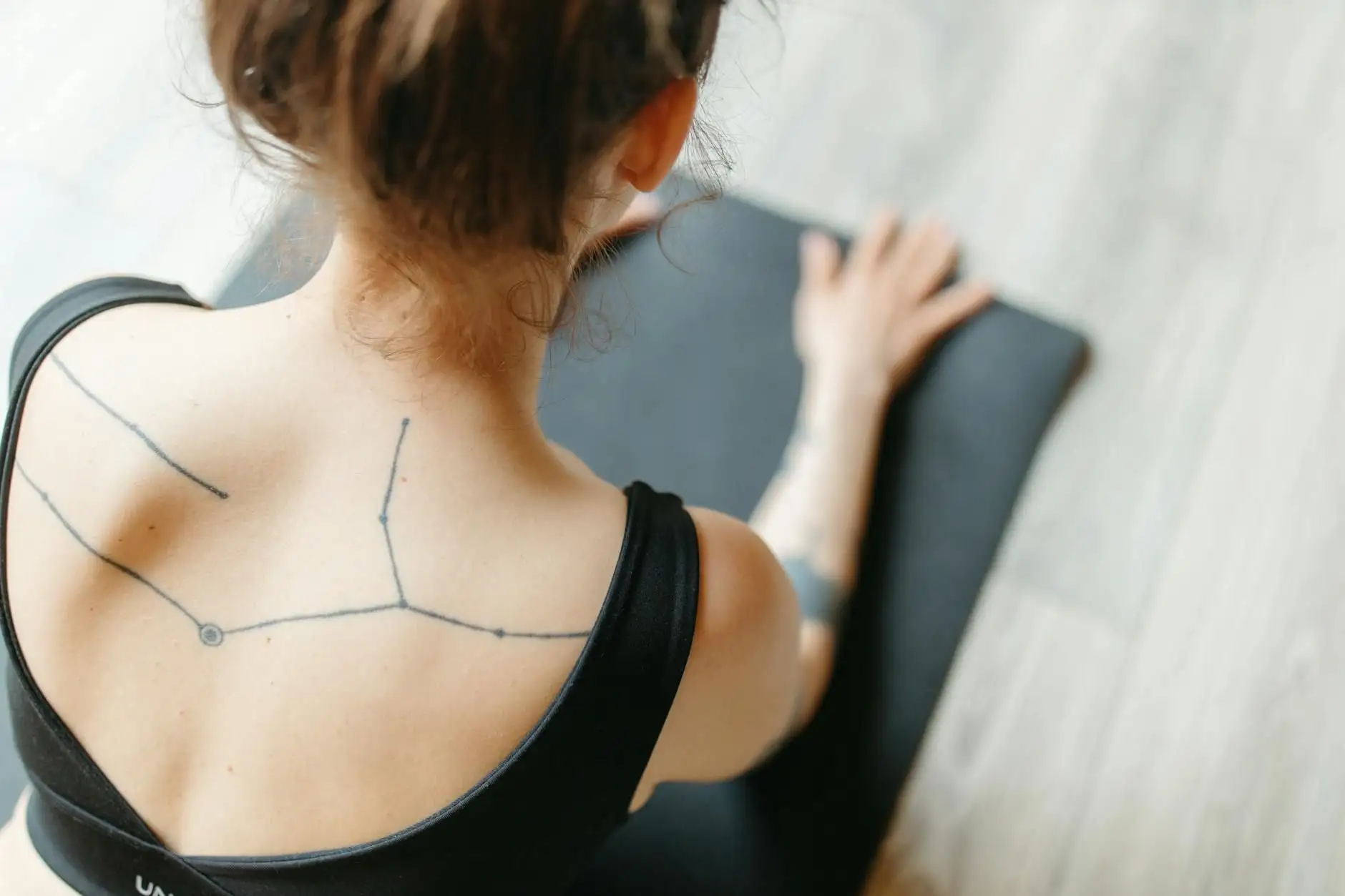
A back spasm is an involuntary muscle contraction, often triggered by an awkward movement, a prolonged posture or overload. The course of action advised by the HAS and the Assurance Maladie rests on relative rest, early gentle mobility, local application of heat or cold, and a medical consultation if the pain persists, radiates or comes with a neurological symptom.
This article reviews the practical benchmarks validated by the French health authorities and the place of topical care within a comfort routine.
Spasm, strain, lumbago: what are we talking about?
Several terms circulate, describing neighbouring realities:
- Muscle spasm: a sudden, involuntary contraction of a muscle.
- Strain (contracture): prolonged tension in a muscle, painful but without any major structural damage.
- Lumbago (acute low back pain): sudden pain in the lower back, often associated with a strain.
INSERM points out that common low back pain affects roughly 80 % of adults at least once in their lives. The vast majority of episodes resolve within a few days to a few weeks.
What to do straight away
According to the recommendations of the HAS and the Assurance Maladie:
- Avoid strict bed rest. Lying down for long periods worsens muscular deconditioning and delays recovery.
- Keep up gentle activity: slow walking, simple everyday movements adapted to the pain.
- Apply local heat or cold according to what relieves you. Heat (a hot-water bottle, a heating pad) is often preferred for strains; cold can help where there is swelling.
- Adjust your posture: avoid prolonged sitting, and do not lift heavy loads with the trunk bent forward.
- If medication is used, follow the advice of your doctor or pharmacist. This article does not replace a prescription.
The first few days: gradually getting moving again
The central idea behind current recommendations is that movement is treatment. A few principles:
- Start walking again as soon as possible, even a few minutes several times a day.
- Avoid prolonged static positions (a deep sofa, the car).
- Favour slow, wide movements: pelvic rotation, opening the chest, gentle stretching of the posterior chains.
- If you work sitting down, plan a break every 45 to 60 minutes.
When to seek advice without delay
Certain signs call for prompt medical advice:
- Intense pain that does not ease within 48-72 hours.
- Pain radiating into the leg (sciatica), with or without pins and needles.
- Urinary or sphincter problems.
- Loss of strength or sensation in a limb.
- Associated fever.
- A significant recent injury.
- Intense night-time pain.
These signals may point to something beyond a simple muscle strain.
A day-to-day muscular comfort routine
Several levers are documented for limiting recurrence:
- Regular physical activity: 150 minutes a week of moderate-intensity activity according to Santé publique France.
- Strengthening the deep core (transversus, multifidus) through progressive mobilisation.
- Gentle daily stretching (10 to 15 minutes).
- Enough sleep: 7 to 9 hours a night.
- Regular hydration.
- Stress management: chronic stress sustains muscular tension.
The place of topical care in a comfort routine
Massage, warming balms and topical oils are part of the muscular comfort routines used by many people. CBD cosmetics, listed since February 2021 in the CosIng database, are authorised in France.
The permitted vocabulary for these products remains that of cosmetics: "relaxing massage", "muscular comfort". No cosmetic may claim an anti-inflammatory, pain-relieving or muscle-relaxing effect, which would amount to medical claims prohibited by the DGCCRF.
As a reminder, MILDECA points out that wellbeing CBD is not a medicine and that no therapeutic claim has been validated.
Work, posture and prevention
A few practical benchmarks for everyday life:
- Adjust your chair so that your knees are level with your hips.
- Keep screens at eye level.
- Alternate between sitting and standing where possible (an adjustable desk).
- Carry loads close to the body, knees bent, back straight.
- Take regular exercise (walking, cycling, swimming, yoga).
Key points
- A back spasm = an involuntary contraction, often transient
- Avoid strict rest, favour gentle mobility
- Local heat or cold, whichever relieves you
- Seek advice if it persists or radiates, or with fever or a neurological symptom
- Wellbeing routine: regular activity, sleep, stress management
- CBD cosmetics are authorised, with no pain-relief claim
Frequently asked questions
How long does a back spasm last?
The vast majority of acute low back pain episodes resolve within a few days to a few weeks, according to INSERM. Persistence beyond three months makes the pain chronic and calls for medical care.
Should you stop moving when you have a strain?
No. The HAS recommends the opposite: keeping up gentle activity. Prolonged immobility delays recovery.
Hot or cold: which should I choose?
Both have their supporters. Heat is often preferred for strains, cold for swollen areas or after an acute injury. Choose whichever relieves you best.
Can a physiotherapist help?
Yes, particularly in cases of recurrence or persistent pain. Your GP can prescribe a physiotherapy assessment.
Can a CBD cosmetic "relax" a muscle?
No cosmetic may claim this legally. Topical CBD balms and oils belong to a massage and comfort routine, not to therapeutic care.
CBD is not a medicine. If back pain is persistent or acute, consult a healthcare professional.
To explore our wellbeing selection, [see our catalogue](/categorie-produit).
Sources
Written by the Phytogrammes team
Every article in this journal draws on primary sources (ANSM, EFSA, EUR-Lex, peer-reviewed publications) and on the lab's own practice: batch-by-batch HPLC analyses, measured cannabinoid profiles. Our approach.
Article published on . CBD is not a medicine.
Phytogrammes products that pair well
Further reading
spectre-complet·18 May 2026
What does « full spectrum » mean in a CBD oil?
Beyond CBD, a full-spectrum extract contains more than 100 cannabinoids and many hemp terpenes. Here is what the term actually means.
spectre-complet·18 May 2026
Full spectrum or CBD isolate: which to choose, and why
Should you prefer a complete hemp extract or a single purified molecule? A comparison of the uses, advantages and limits of each format.

sport·18 May 2026
Growing sports in France — emerging practices and recovery
Which disciplines have grown the most in France in recent years, and how do athletes fit CBD into their recovery ritual?