← Journal/18 May 2026·8 min de lecture
Growing sports in France — emerging practices and recovery
Par The Phytogrammes team ·
In France, several disciplines are enjoying sustained growth: padel, trail running, climbing, women's team sports, outdoor fitness, hyrox. For participants, recovery is becoming a subject in its own right. Some athletes fit CBD into their post-exercise ritual, within the [WADA](https://www.wada-ama.org/en/prohibited-list)/AFLD framework and French regulations.
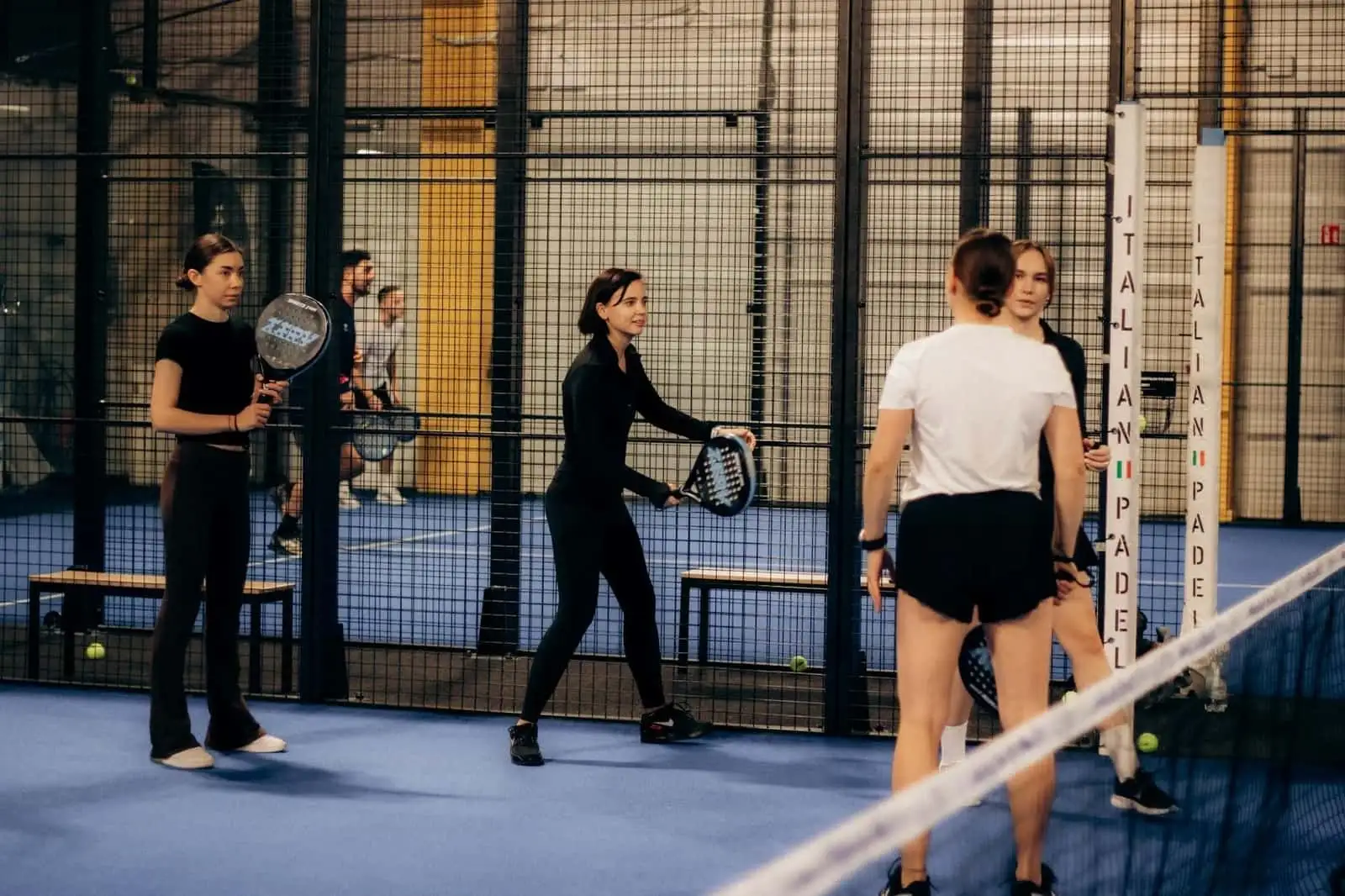
The French sporting landscape has changed profoundly over the past ten years. Alongside the historic disciplines (football, tennis, riding), new practices are attracting hundreds of thousands of amateurs. This article surveys the sports that are growing and puts CBD's place in a recovery approach into context.
A changing French sporting landscape
INJEP (the national institute for youth and popular education) and the Ministry of Sport regularly publish figures on participation. A few striking trends from recent years:
Padel
Spectacular growth since 2018. France now has several thousand courts and more than 600,000 regular players according to federation estimates [to be checked — figure to be cross-referenced with the FFT]. An accessible, sociable discipline that places heavy demands on the shoulders, elbows and legs.
Trail running
From classic jogging to technical trail running, off-road running attracts more people every year. Major events (UTMB, GR20, regional trails) draw tens of thousands of finishers. A discipline that is demanding in terms of recovery (descents, long outings, elevation gain).
Climbing
An Olympic sport since 2020, it has benefited from a strong knock-on effect. Indoor climbing gyms have multiplied and outdoor practice is on the rise. Heavy demands on the fingers, elbows and shoulders.
Women's team sports
Football, rugby, basketball: women's participation is progressing everywhere, driven by the success of the national teams and the development of training structures.
Outdoor fitness
Group sessions in parks, urban calisthenics circuits, bootcamps. A sociable practice combining cardio and strength work.
Hyrox and CrossFit
Disciplines that combine running and functional exercises. Hyrox in particular has taken off in several major French cities since 2023.
Bike-sharing and gravel
Cycling (utility, leisure, sport) is growing in every category. Gravel riding (cycling on tracks) appeals to former road cyclists.
Yoga and pilates
Wellness disciplines growing strongly, particularly among women but also among athletes seeking mobility and recovery.
Why this diversification?
Several factors converge:
- A search for wellbeing more than pure performance.
- Sociability: padel, group trail running and outdoor sessions are also moments of sharing.
- Post-lockdown effect: a desire for the outdoors and for accessible practices.
- Social media: greater visibility for emerging practices.
- Public health recommendations: Santé publique France recommends at least 150 minutes of moderate physical activity per week for adults.
Recovery becomes central
Whatever the sport, the question of recovery imposes itself. The validated pillars:
- Sleep of 7 to 9 hours.
- Nutrition adapted to the effort (spread-out protein, post-session carbohydrates).
- Hydration as a matter of course.
- Active mobility the next day (walking, gentle stretching).
- Massage and self-massage (foam roller, balls, occasional sessions).
- Varying the load: alternating intensity and volume, building in deload weeks.
It is within this framework that the use of CBD as a companion to a post-training routine is developing.
CBD and sport in France
AFLD, following WADA, removed CBD from the list of prohibited substances on 1 January 2018. It is the only cannabinoid concerned. All the others, natural or synthetic, remain prohibited, starting with THC (prohibited in competition, urinary threshold 150 ng/mL).
The French framework for selling CBD has been stable since the Conseil d'État ruling of 29 December 2022: finished-product THC below 0.30% is mandatory.
For competitors, the rule of caution remains clear:
- Use exclusively 99% CBD isolates certified free of THC.
- Require a certificate of analysis (CoA) issued by an independent laboratory.
- Favour products labelled Informed Sport or NSF Certified for Sport, which add batch-by-batch testing.
For amateur participants who are not tested, the choice is freer, but vigilance remains necessary regarding product quality and the legal framework (THC below 0.30%, absence of synthetic cannabinoids banned since June 2024).
Which format for which practice?
A few coherent pairings:
Padel, tennis, climbing
Joint demands (elbows, shoulders, fingers). A CBD cosmetic balm applied as a massage after the session fits in well.
Trail running, marathon, ultra
Whole-body demands, marked soreness in the quadriceps and calves. Cosmetic cream or oil on the legs after the shower, as part of a massage routine.
Hyrox, CrossFit, fitness
Versatile: balm on the areas most heavily worked, which may differ from one session to the next.
Yoga, pilates
A discipline already oriented towards mobility and wellbeing. A CBD balm can fit into the end-of-session or evening ritual.
Cycling
Demands on the legs, lower back and neck. Local massage after the ride.
Precautions
- CBD is not a medicine. In case of persistent pain or suspected injury, consult a sports doctor or a physiotherapist.
- For competitors: THC-free CBD isolate mandatory, certificate of analysis, Informed Sport or NSF Certified for Sport label. Risk of a positive test if there is any trace of THC in the product.
- For driving: the Cour de cassation, in its ruling of 21 June 2023 (no. 22-85.530), confirmed that the legality of the product does not exempt the offence of driving after using narcotics. Avoid ingested oils before getting behind the wheel.
- Use is not advised for pregnant or breastfeeding women (in line with the 2025 ANSES classification proposal).
- Use is not advised for minors.
- Synthetic cannabinoids (HHC, H4CBD, THCP, HHCO) have been banned in France since June 2024.
- Since 15 May 2026, CBD gummies, capsules and food supplements without Novel Food authorisation have been withdrawn from the French market.
Key points
- Padel, trail running, climbing, hyrox and women's sports are growing fast in France.
- Recovery has become a central subject, whatever the sport.
- Sleep, nutrition, hydration and mobility remain the documented pillars.
- CBD removed from the WADA list since 2018; THC still prohibited in competition.
- Competitors: THC-free CBD isolate, Informed Sport or NSF label mandatory.
- No ingested CBD oil before driving (risk of a positive saliva test).
FAQ
Which sports are growing the most in France?
According to federation statistics and INJEP, padel, trail running, climbing, women's team sports, yoga, hyrox and CrossFit are among the fastest-growing disciplines. Cycling (utility and gravel) is also growing.
Can an amateur padel player take CBD?
Yes, within the French framework (finished-product THC below 0.30%, no banned synthetic cannabinoids). If they hold a licence and take part in competitions subject to anti-doping testing, they should favour a CBD isolate certified free of THC.
Does trail running call for particular recovery?
Yes. Long outings and elevation gain (notably descents, rich in eccentric contractions) generate marked soreness. Active recovery over 7 to 14 days after a big race, extra sleep, suitable nutrition.
Can CBD improve my performance?
No French or European authority has validated any performance claim for CBD. WADA removed it from the prohibited list precisely because it confers no documented competitive advantage. At best, it forms part of a recovery ritual.
What framework applies to CBD in women's competition?
The WADA/AFLD framework is the same regardless of gender. For growing practices such as women's football or women's rugby, the same rules of caution apply: certified THC-free CBD isolate, sport label.
To explore our selection of CBD cosmetics for athletes, [see our catalogue](/categorie-produit).
Sources
Written by the Phytogrammes team
Every article in this journal draws on primary sources (ANSM, EFSA, EUR-Lex, peer-reviewed publications) and on the lab's own practice: batch-by-batch HPLC analyses, measured cannabinoid profiles. Our approach.
Article published on . CBD is not a medicine.
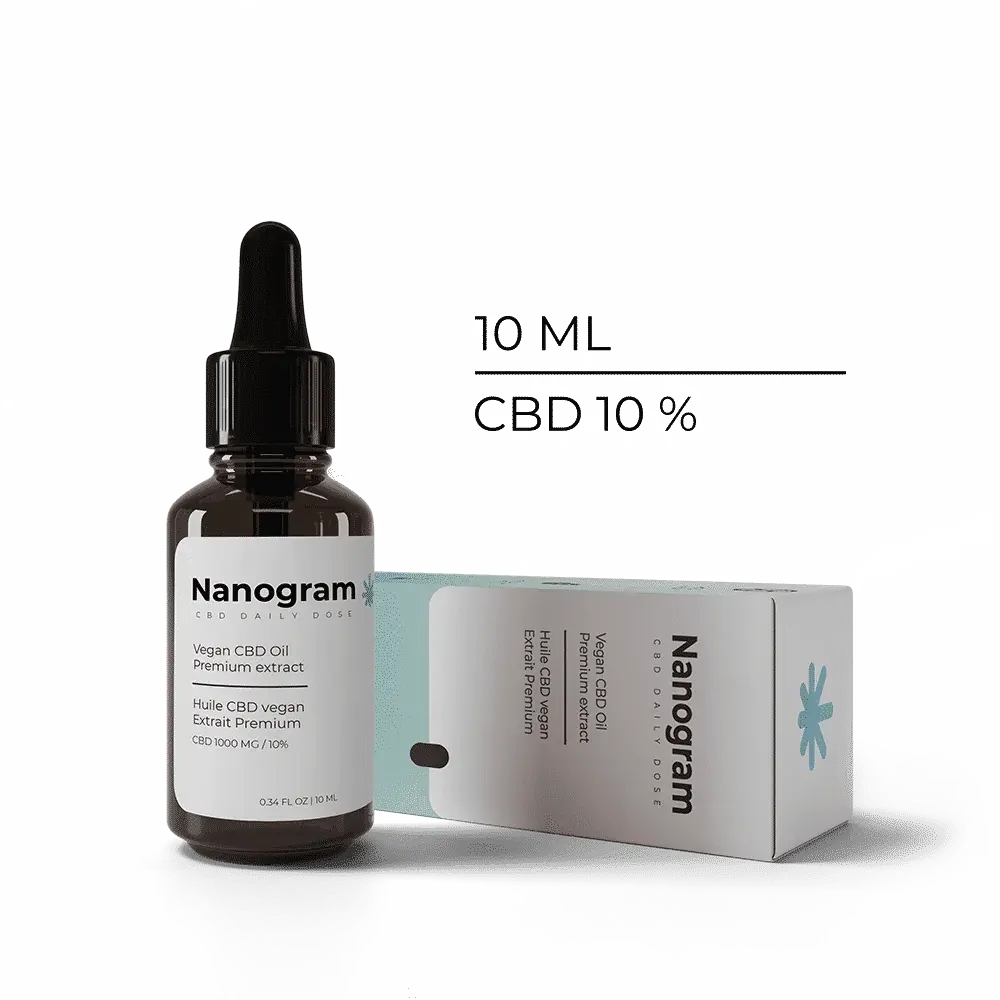
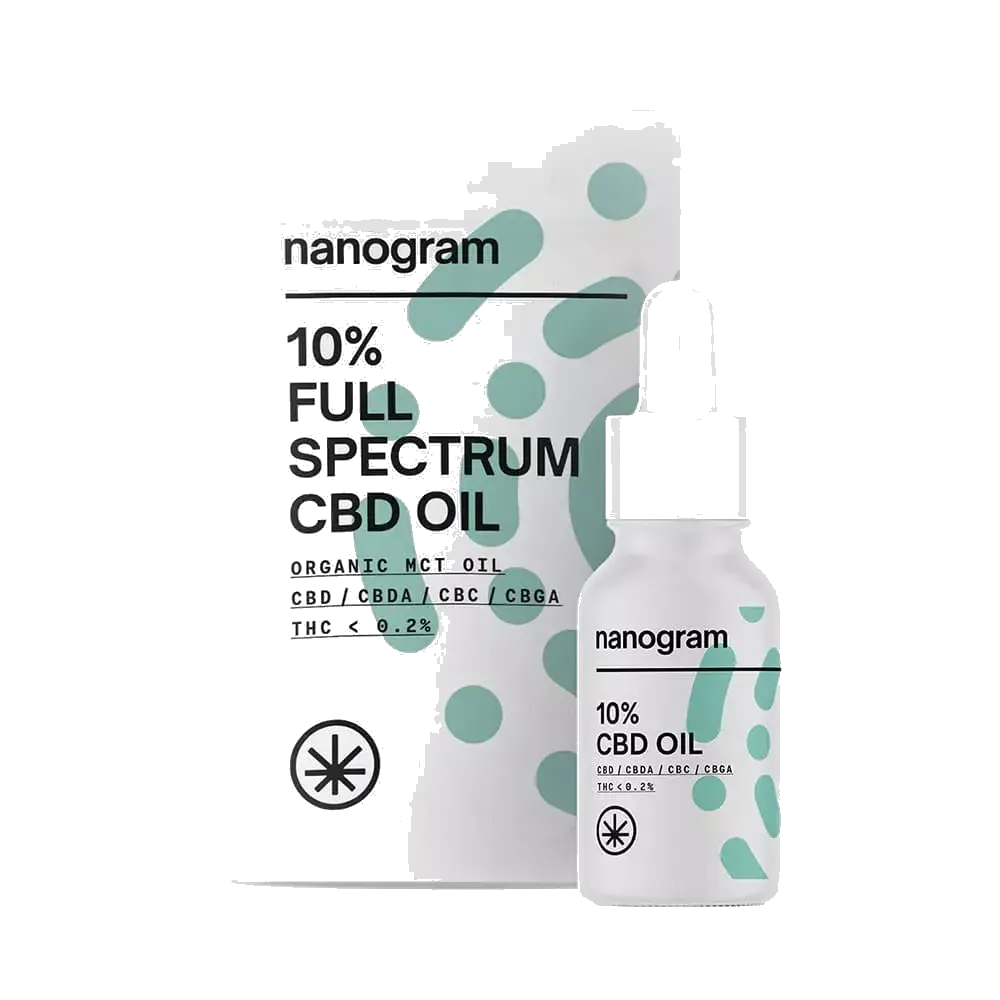
Phytogrammes products that pair well

Further reading
stress·18 May 2026
6 natural levers for managing mild stress or passing anxiety
According to Santé publique France, 20% of adults show symptoms of anxiety. Here are 6 levers backed by the HAS and Inserm, with no medication and no miracle promises.

stress·18 May 2026
Workplace stress: what really works in France
24% of working people in France report psychological distress at work. Here are the individual and collective levers validated by the INRS and the HAS.
stress·18 May 2026
Parental stress: 6 levers to breathe without feeling guilty
Nearly one French parent in two reports high stress. Here are the levers validated by the HAS and Inserm for winding down without disappearing.