← Journal/16 May 2026·3 min de lecture
The CBD market in France: continuous growth since 2021
Par The Phytogrammes team ·
Since the Kanavape ruling of November 2020, the French CBD market has been steadily taking shape: openings of specialist shops, diversification of formats, and gradual professionalisation of the sector. This momentum is still being confirmed today, according to data from the Xerfi research firm on the CBD market in France.
A sector born in legal uncertainty
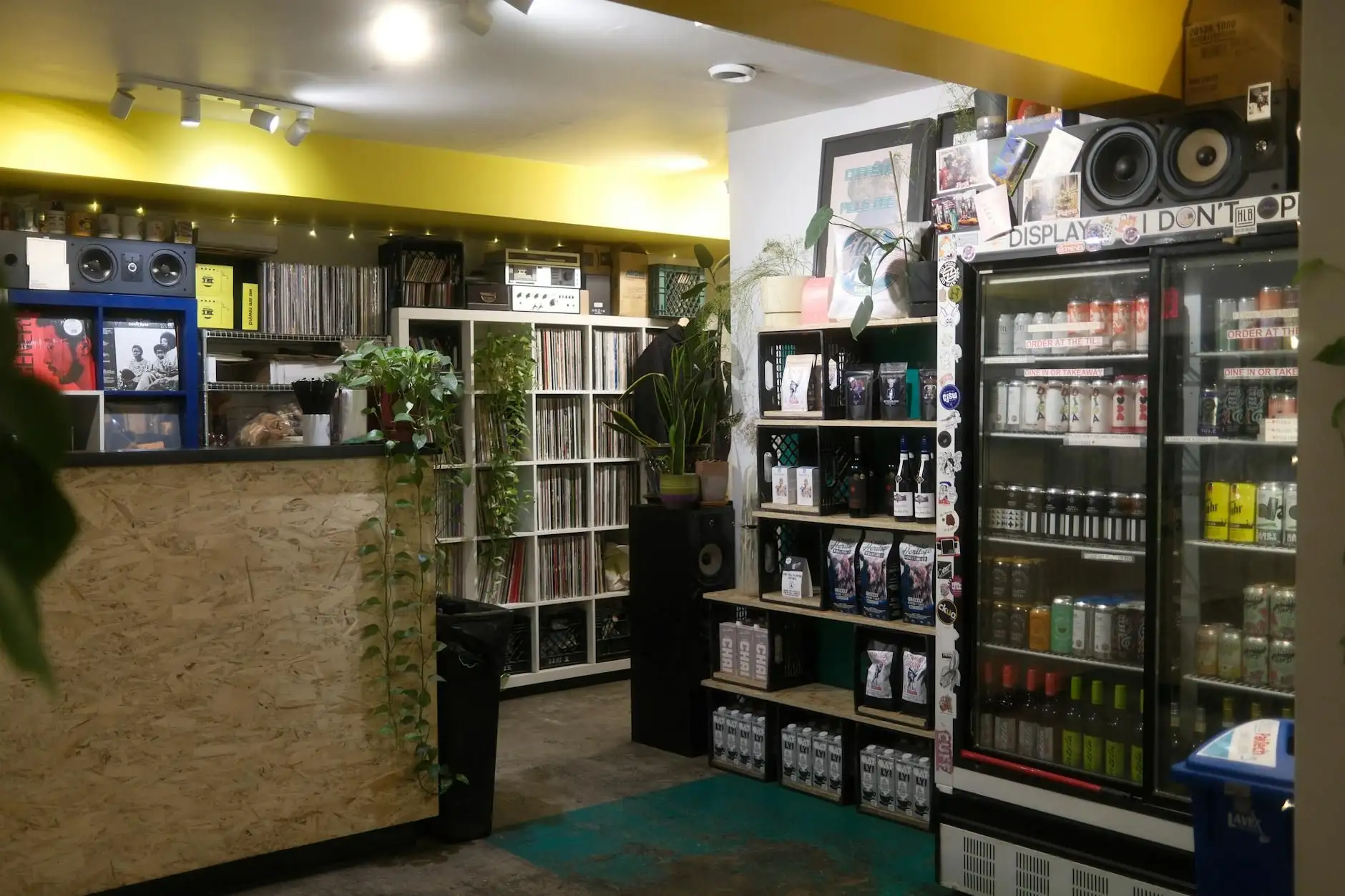
Before the Kanavape ruling, the sale of CBD in France rested on a fragile legal basis, limited to certain parts of the plant. The clarification brought by the Court of Justice of the European Union, and then by the subsequent decisions of the Conseil d'État, allowed a growing number of traders to move into selling CBD, in physical shops as well as online.
The diversification of the products on offer
The market quickly broadened beyond sublingual oil: flowers and resins to infuse, topical cosmetics, herbal teas, and more recently more elaborate formats such as gummies or products combining CBD with other minor cannabinoids. This diversification has gone hand in hand with a better understanding of the product among the general public over the years.
What the market data confirm
The research firm Xerfi, which tracks the CBD market in France, confirms a trajectory of continuous growth for the sector over the 2023-2025 period, driven both by the opening of new points of sale and by ever-broader demand from the general public. This growth is nonetheless accompanied by heightened requirements in terms of regulatory compliance, particularly since the changes to the legal framework in 2026.
The challenges that remain for traders
This growth has not come without obstacles. Traders have had to cope with repeated regulatory changes, legal uncertainty that persisted until the Conseil d'État decisions of 2022, and then with the entry into force of Novel Food status for ingested products. This instability has pushed many operators to invest more in compliance than in growing their turnover alone.
A gradual professionalisation of the industry
With the sector's growth has come a stronger requirement for traceability: systematic certificates of analysis, monitoring of the THC threshold, compliance with Novel Food status for ingested products. The most serious operators now stand out through the transparency of their practices rather than through the price on the label alone. Our guide to buying CBD sets out the criteria to check before choosing a supplier.
Frequently asked questions
How long has the CBD market existed in France?
Its legal basis became clearer from the Kanavape ruling of November 2020 onwards, even though hemp-based products already existed under more restrictive regulations.
Is the French CBD market still growing?
Yes, according to data from the Xerfi research firm, growth is continuing over the 2023-2025 period, driven by rising demand from the general public.
Which types of CBD product are the most widespread today?
Sublingual oils, flowers to infuse, topical cosmetics and herbal teas remain the most common formats, alongside more recent products such as gummies.
Does the market's growth come with more checks?
Yes, requirements for traceability and regulatory compliance, such as certificates of analysis, the THC threshold or Novel Food status, have tightened as the sector has matured.
Written by the Phytogrammes team
Every article in this journal draws on primary sources (ANSM, EFSA, EUR-Lex, peer-reviewed publications) and on the lab's own practice: batch-by-batch HPLC analyses, measured cannabinoid profiles. Our approach.
Article published on . CBD is not a medicine.
Phytogrammes products that pair well
Further reading
alcool·16 May 2026
Alcohol and cannabis: which is more harmful?
Two substances, two clearly distinct risk profiles: what the scientific literature says about alcohol and cannabis.

cosmetique-cbd·16 May 2026
Adding CBD to your everyday beauty routine
How to slot a CBD cosmetic into a morning and evening ritual, with no therapeutic promise and within the European cosmetics regulation.
reglementation·16 May 2026
2021, the year that redrew the CBD framework in France
A chronological look back at the legal decisions of 2021 that shaped CBD sales in France, between prohibition and suspension.