← Journal/Réglementation·16 May 2026·3 min de lecture
Cannabis legalisation in South America: 2026 overview
Par The Phytogrammes team ·
South America has one of the most advanced frameworks in the world when it comes to cannabis: Uruguay legalised recreational use as early as 2013, Colombia and Argentina have regulated medical use since 2016 and 2017, and Brazil decriminalised personal possession in 2024.
Uruguay: the world's pioneer
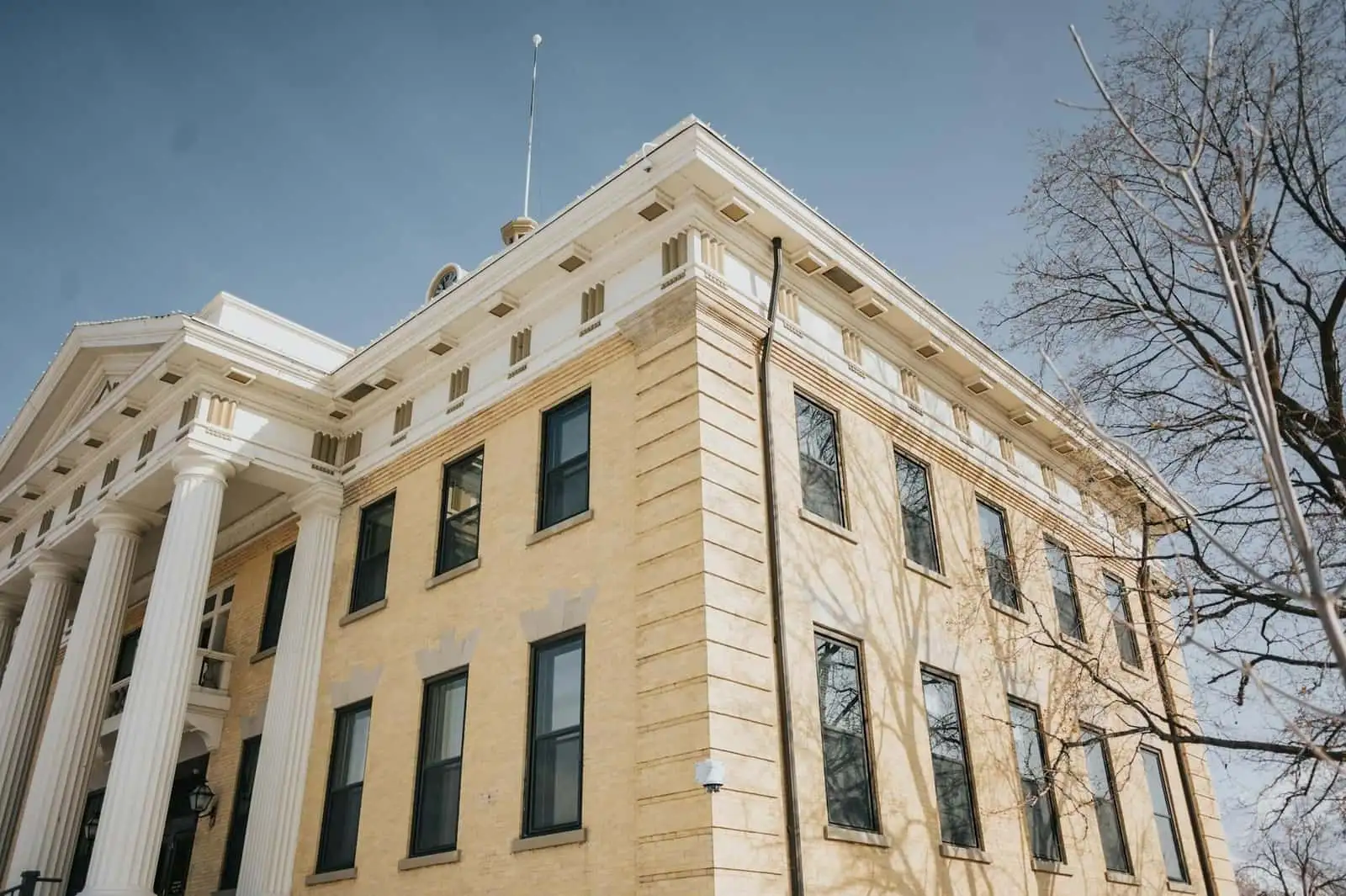
In December 2013, Uruguay became the first country in the world to fully legalise the production, sale and consumption of cannabis, through law 19.172. Pharmacy sales began in 2017, under strict state control, with mandatory registration of buyers on a national register. This model remains unique in South America for the degree of direct state oversight of sales.
Colombia, Argentina, Chile, Peru: the medical route
Colombia decriminalised personal possession as early as 1994 through a decision of its Constitutional Court, then legalised medical cannabis in 2016 with law 1787, before opening up the export of dried flower in 2021. Argentina adopted its medical cannabis law in 2017 (law 27.350), supplemented in 2020 by a decree authorising home growing for registered patients. Chile has tolerated home growing for personal use since several court decisions, and has regulated medical cannabis since 2015. Peru legalised medical cannabis in 2017 with law 30681.
Brazil: a recent and significant development
In June 2024, the Federal Supreme Court (STF) decriminalised personal possession of cannabis below defined thresholds, distinguishing the user from the trafficker. This decision follows the 2019 authorisation of pharmacy sales of cannabis-based products on prescription, regulated by the health agency Anvisa. Brazil nevertheless still has no legal recreational market comparable to Uruguay's.
What this means for a French buyer
These South American developments have no effect on the framework applicable in France, where CBD remains authorised subject to a THC level at or below 0.30% in the finished product. A product bought legally in Uruguay or Colombia cannot be freely imported into France: French customs apply national law, regardless of the product's status in its country of origin.
Frequently asked questions
Which South American country legalised cannabis first?
Uruguay, in December 2013, with law 19.172. Pharmacy sales began in 2017.
Has Brazil legalised recreational cannabis?
No. The Federal Supreme Court decriminalised personal possession in June 2024, which remains different from full legalisation of sales.
Can cannabis bought in Uruguay be imported into France?
No. French law applies at the border, regardless of the product's legality in the country of purchase. Only CBD products compliant with the French framework can circulate legally.
Does Colombia allow recreational use?
Personal possession has been decriminalised since 1994, but the structured legal framework concerns medical cannabis, regulated since 2016, and the export of dried flower since 2021.
Written by the Phytogrammes team
Every article in this journal draws on primary sources (ANSM, EFSA, EUR-Lex, peer-reviewed publications) and on the lab's own practice: batch-by-batch HPLC analyses, measured cannabinoid profiles. Our approach.
Article published on . CBD is not a medicine.
Phytogrammes products that pair well
Further reading

regulation·16 May 2026
Cannabis in the Caribbean: where does legalisation stand in 2026?
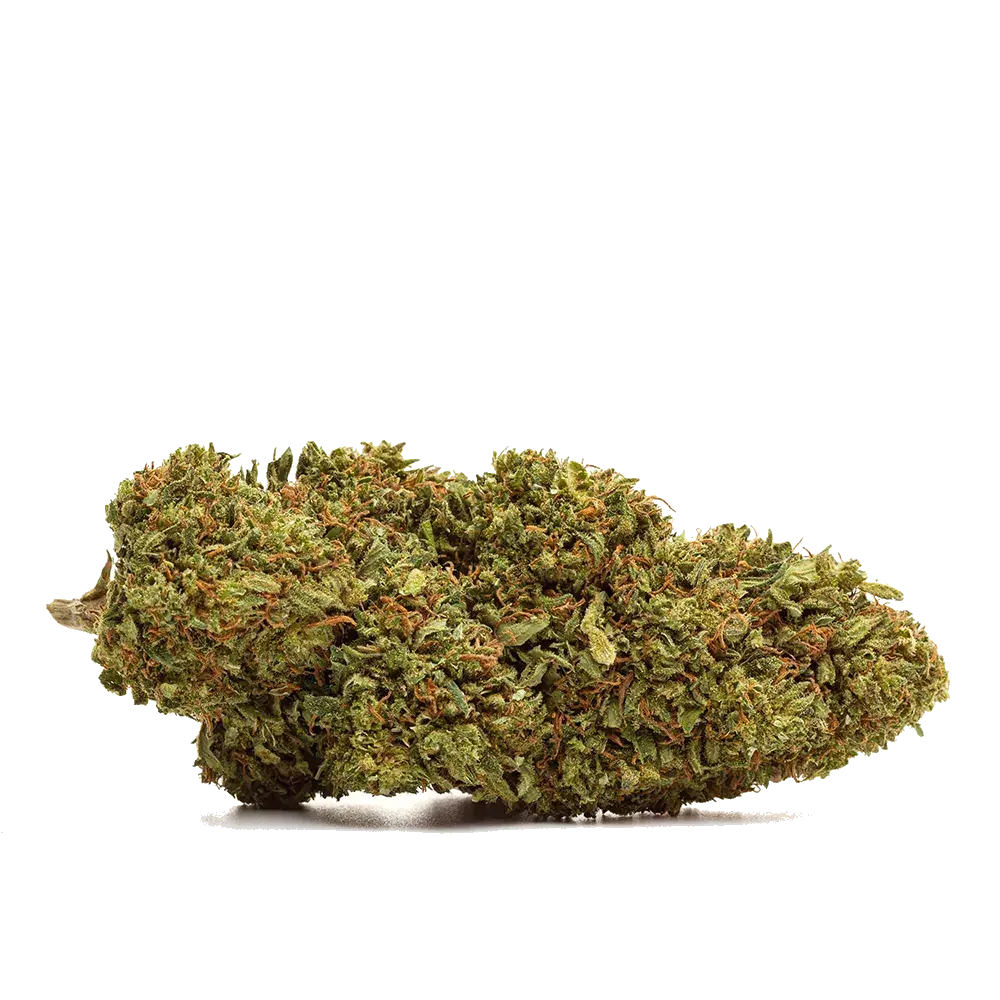
Jamaica, Trinidad and Tobago, Antigua and Barbuda: a tour of cannabis laws in the Caribbean islands, and what they change for France.
cbd-brest·16 May 2026
CBD in Brest: legal framework and pointers for choosing well
No local rule is added to the national framework in Brest: here is what the law says and how to spot a serious CBD product.
cbd-et-appetit·16 May 2026
CBD and appetite: what the research really says
Unlike THC, CBD has no clear, documented stimulating effect on appetite. Here is what really sets these two cannabinoids apart.