← Journal/13 July 2026·3 min de lecture
Dry January: replacing the apéro ritual with CBD
Par The Phytogrammes team ·
Dry January, born in the United Kingdom in 2013 on the initiative of Alcohol Change UK, has since 2020 inspired the French campaign "Le Défi de Janvier". This alcohol-free challenge puts a well-established ritual in question: the evening apéro. CBD can accompany that moment without reproducing the effect of alcohol, and without any health claim being attachable to the product.
Where does the idea of an alcohol-free month come from?
Dry January was born in the United Kingdom in 2013 on the initiative of Alcohol Change UK, a charity that promotes more considered drinking. The starting idea was simple: propose a January without alcohol, on a voluntary basis, with no instruction and no judgement.
The campaign has been relayed in France under the name "Le Défi de Janvier" since 2020, carried by a collective of charities and healthcare professionals. That French relay popularised the approach among an audience that did not necessarily know the original British initiative.
Why does the apéro ritual raise questions during this challenge?
The apéro is not just the drinking of alcohol; it is above all a social ritual: a pause, a recurring appointment, a transition between the day and the evening. Removing the alcohol without replacing the ritual often leaves a gap that is harder to sustain than the mere absence of alcohol itself.
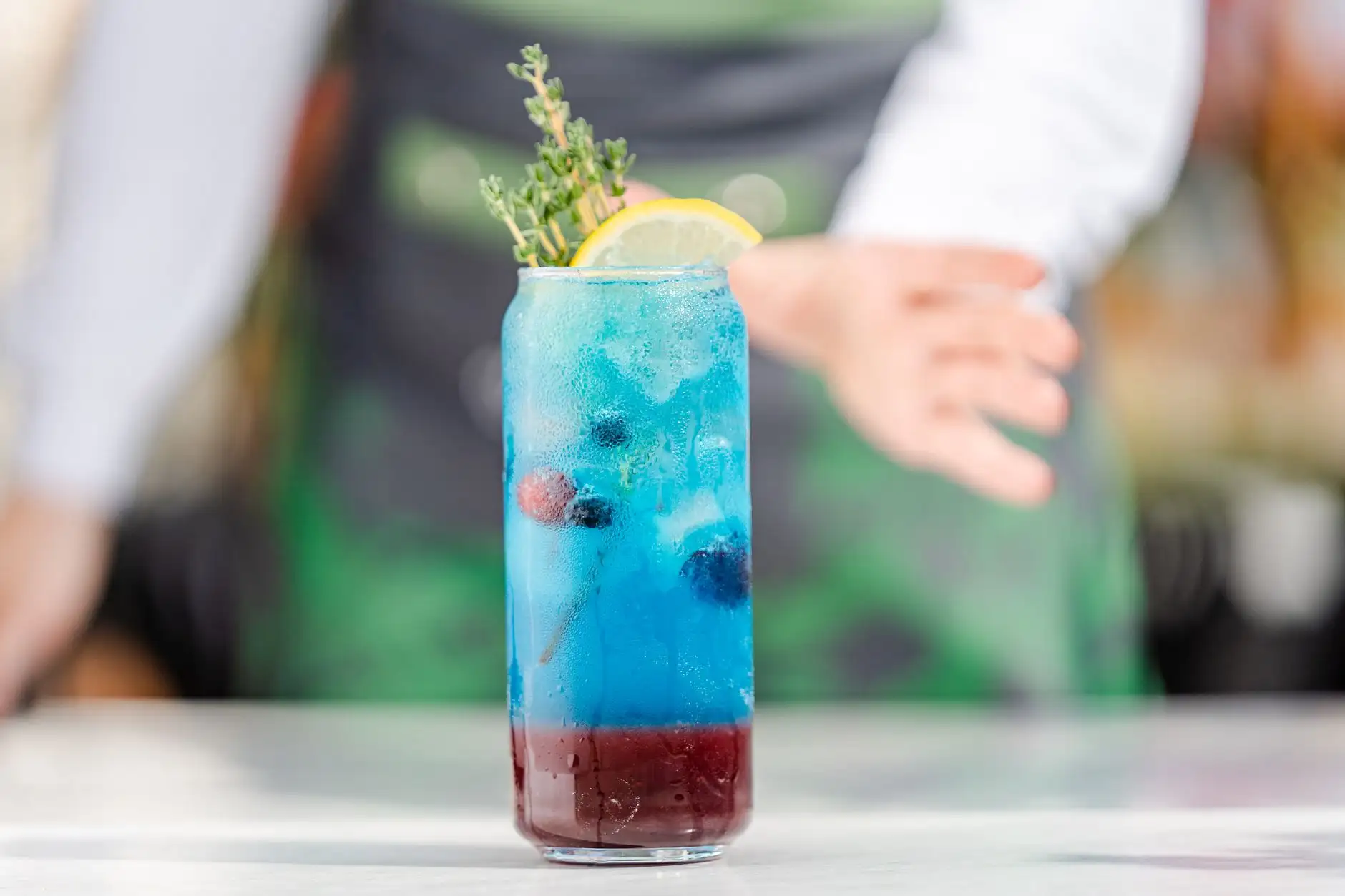
It is precisely this observation that leads many participants in the Défi de Janvier to look for a substitute gesture, rather than simply "not drinking anything". A ritual that keeps the form — a glass, a shared moment, an atmosphere — but changes the content.
How can CBD fit into this evening ritual?
A CBD drink, an infusion or a soda, can reproduce some of the codes of the apéro: a glass to share, a dedicated moment, a pause in the evening. It does not recreate the effect of alcohol, and no health claim is authorised for a CBD product in France, according to the DGCCRF and the MILDECA.
That strict regulatory framework means that no CBD product may be presented as "relaxing", "anti-stress" or "good for sleep" on its label. The interest of the ritual lies above all in the gesture and the moment recreated, not in a promise of effect.
Our article on CBD coffee made at home offers another variation on this same principle: a pause ritual, rebuilt without alcohol.
What to bear in mind before adopting this ritual for a month
The Défi de Janvier remains above all a personal undertaking, with no obligation as to outcome or fixed duration. Replacing the apéro with a CBD drink can help sustain the social ritual, without thereby reproducing the effects of alcohol on the body.
For anyone who has questions about their drinking beyond a single January, a conversation with a healthcare professional remains the most appropriate step, CBD having no vocation to stand in for medical support.
Frequently asked questions
Does CBD have the same effects as alcohol on the body?
No, CBD does not reproduce the effects of alcohol and no health claim is authorised for a CBD product in France. What it mainly allows is the recreation of the gesture and the moment of the ritual, not the effect sought with alcohol.
What is "Le Défi de Janvier"?
It is the name under which the British Dry January campaign has been relayed in France since 2020. It invites people to a January without alcohol, on a voluntary basis.
Can it be said that a CBD drink helps reduce stress?
No, no health claim of that kind is authorised for a CBD product in France, according to the DGCCRF and the MILDECA. All communication must remain descriptive, with no promise of effect.
Does Dry January exist only in January?
The campaign historically concerns the month of January, but nothing prevents anyone from repeating the same approach, with or without CBD, at another time of year.
Written by the Phytogrammes team
Every article in this journal draws on primary sources (ANSM, EFSA, EUR-Lex, peer-reviewed publications) and on the lab's own practice: batch-by-batch HPLC analyses, measured cannabinoid profiles. Our approach.
Article published on . CBD is not a medicine.
Phytogrammes products that pair well
Further reading
dosage·13 July 2026
The biphasic effect of CBD: why the dose changes everything
More is not always better: a Brazilian study shows that an intermediate dose of CBD can be more effective than a high one.

cbd·13 July 2026
CBD, pregnancy and breastfeeding: what the authorities say
The French health authorities are unanimous: CBD is not advised during pregnancy or breastfeeding. Here is why, with the sources.
cbd·13 July 2026
CBD and medicines: understanding the grapefruit effect
CBD shares with grapefruit the ability to slow down the metabolism of many medicines. Here is the mechanism, in plain terms, and why you should discuss it with a healthcare professional.