← Journal/18 May 2026·4 min de lecture
CBD, how does it feel? What consumers in France report
Par The Phytogrammes team ·
Well-being CBD has no psychoactive effect comparable to THC: no state of intoxication, no euphoria, no major alteration of perception. The sensations most frequently reported by French consumers are of the order of mild muscular relaxation, a feeling of calm, or a perceived quality of rest. No French authority has validated these sensations as clinical effects.

Why we speak of "sensations" rather than "effects"
In France, European Regulation (EC) No 1924/2006 prohibits CBD brands from claiming a health effect. MILDECA points out that no well-being CBD product may be presented as a medical treatment. The word "sensation" here refers to what consumers report in surveys (IFOP, Visual CBD, UPCBD): individual preferences, not clinically validated effects.
CBD does not get you high
First essential point: well-being CBD does not produce the altered state of consciousness of THC. No euphoria, no alteration of visual or auditory perception, no disinhibition. It is precisely this absence of psychoactive effect that has justified, since the Conseil d'État ruling of 29 December 2022, commercial authorisation of CBD at ≤ 0.30% THC in the finished product. If you are expecting a strong or euphoric sensation, you are likely to be disappointed: CBD is not a substitute for recreational cannabis.
The most frequently reported sensations
Several consumer barometers converge on a typology of sensations. According to the IFOP 2022 survey, the list includes a feeling of calm or relaxation within a well-being routine (around 43% of the consumers surveyed), muscular comfort after exercise via topical cosmetics, a subjective perception of better rest as part of an evening ritual (around 39%), a sensation of local warmth on the skin when applying a balm, and a slightly dry mouth after a sublingual dose. These sensations vary considerably between individuals; none is guaranteed, and none constitutes a therapeutic effect.
Why sensations differ from one person to another
Several factors documented by pharmacokinetics (Millar et al., 2018) explain this: weight and body composition (CBD is lipophilic), hepatic metabolism via the cytochromes CYP3A4 and CYP2C19, route of administration, dose (on 9 February 2026 EFSA set a provisional safe daily dose of 0.0275 mg/kg/day, roughly 2 mg/day for 70 kg), regularity of use, and general context (alcohol, medication being taken, tiredness, product quality).
What the sensations do not tell us
The sensations reported do not prove that a pharmacological effect is at work. Several factors may contribute: a ritual effect (adding a new gesture to your routine in itself alters the perception of well-being), a placebo effect, widely documented and particularly marked on subjective indicators, and a context effect (taking an oil in the evening, in the quiet, may be enough to create a pocket of relaxation). This methodological honesty takes nothing away from the practice; it simply invites you not to over-interpret your sensations as proof of a medical effect. To look further into the reasons for feeling nothing at all, see our article why I feel nothing with CBD.
Possible adverse effects
Adverse effects have been reported, mainly at high doses: tiredness or drowsiness, dry mouth, mild digestive upset, a feeling of heaviness in the head. ANSES also reports cases of poisoning linked to non-compliant products. CBD interacts with the cytochromes CYP3A4 and CYP2C19, which are common to many medicines: if you are on any treatment, seek advice from your doctor or pharmacist before starting. To choose a traceable product, see our guide to buying CBD in France.
Frequently asked questions
Can CBD make you euphoric?
No. The euphoric effect is associated with THC, not CBD. Euphoria experienced may indicate a non-compliant product or one containing a prohibited cannabinoid.
How long does the sensation last?
Depending on the route: 2 to 4 hours sublingually, 4 to 6 hours orally, 1 to 2 hours by vaporisation. These durations are indicative and vary between individuals.
What should I do if I feel nothing after several doses?
Check the quality of the product (certificate of analysis, dosage) and keep to a stable routine for 4 to 6 weeks. If nothing changes, that product may simply not suit you.
Are the sensations the same across products?
No. Cannabinoid profiles (full spectrum, broad spectrum, isolate), the route, the dosage, the quality of the extract and the dominant terpene all alter the subjective sensation.
Written by the Phytogrammes team
Every article in this journal draws on primary sources (ANSM, EFSA, EUR-Lex, peer-reviewed publications) and on the lab's own practice: batch-by-batch HPLC analyses, measured cannabinoid profiles. Our approach.
Article published on . CBD is not a medicine.
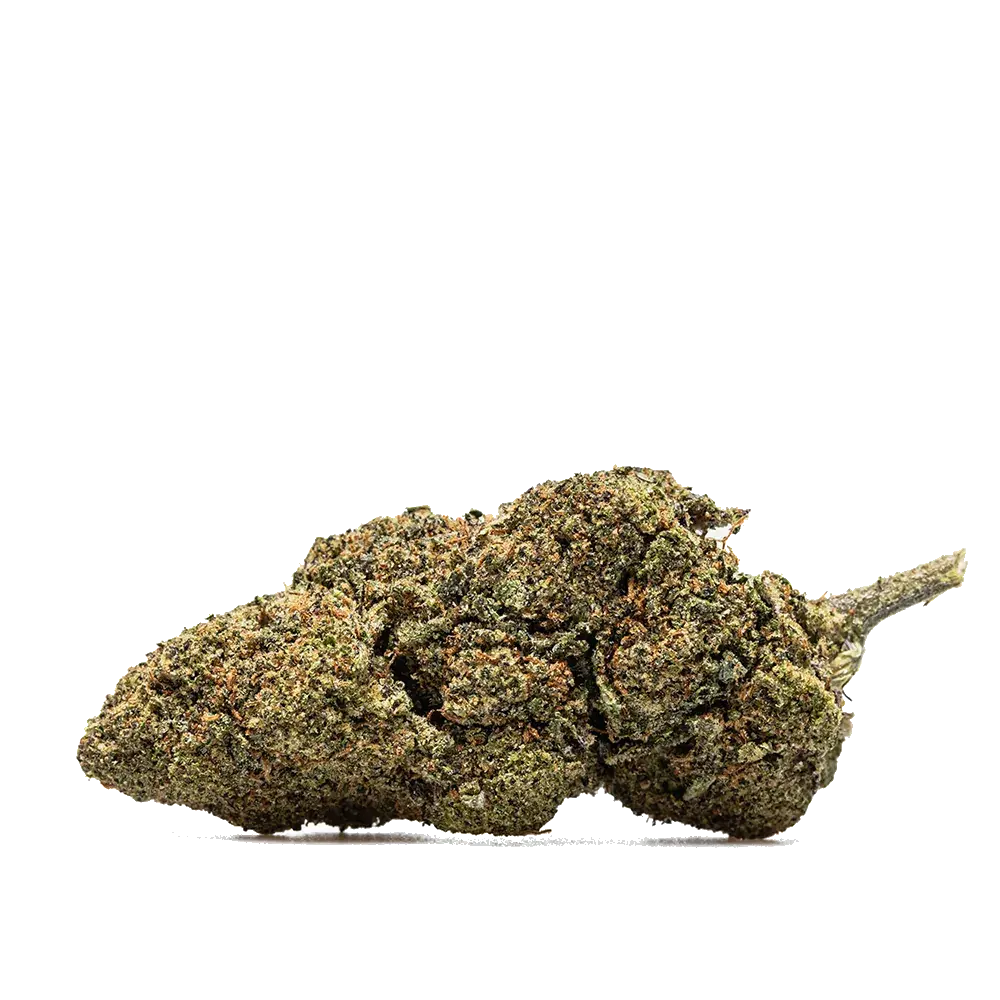
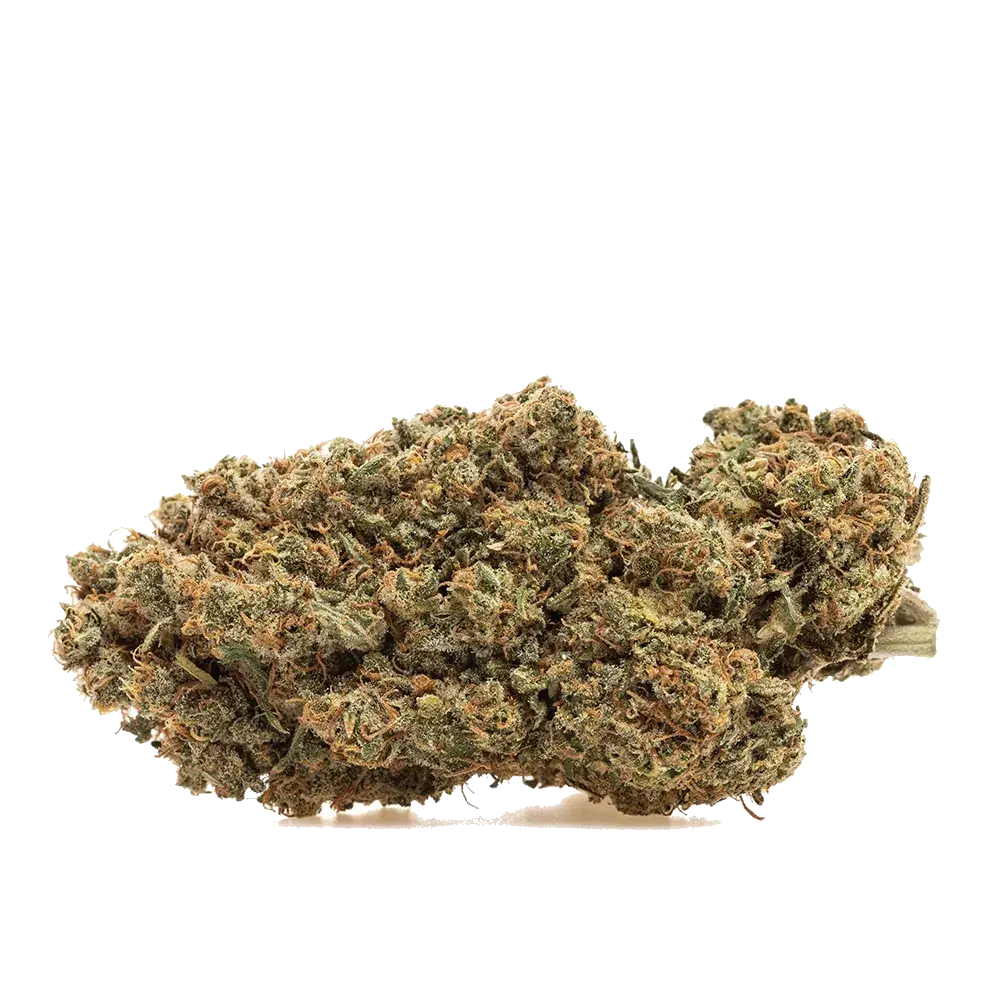
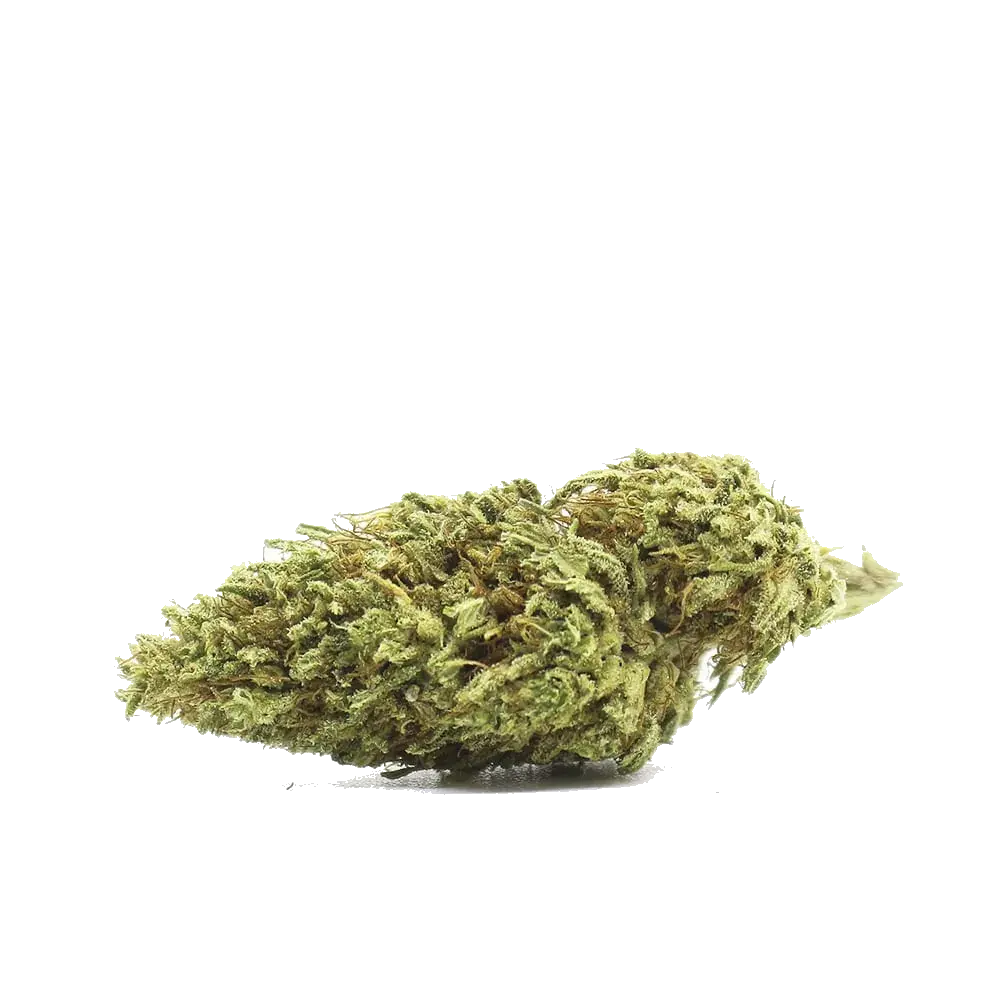
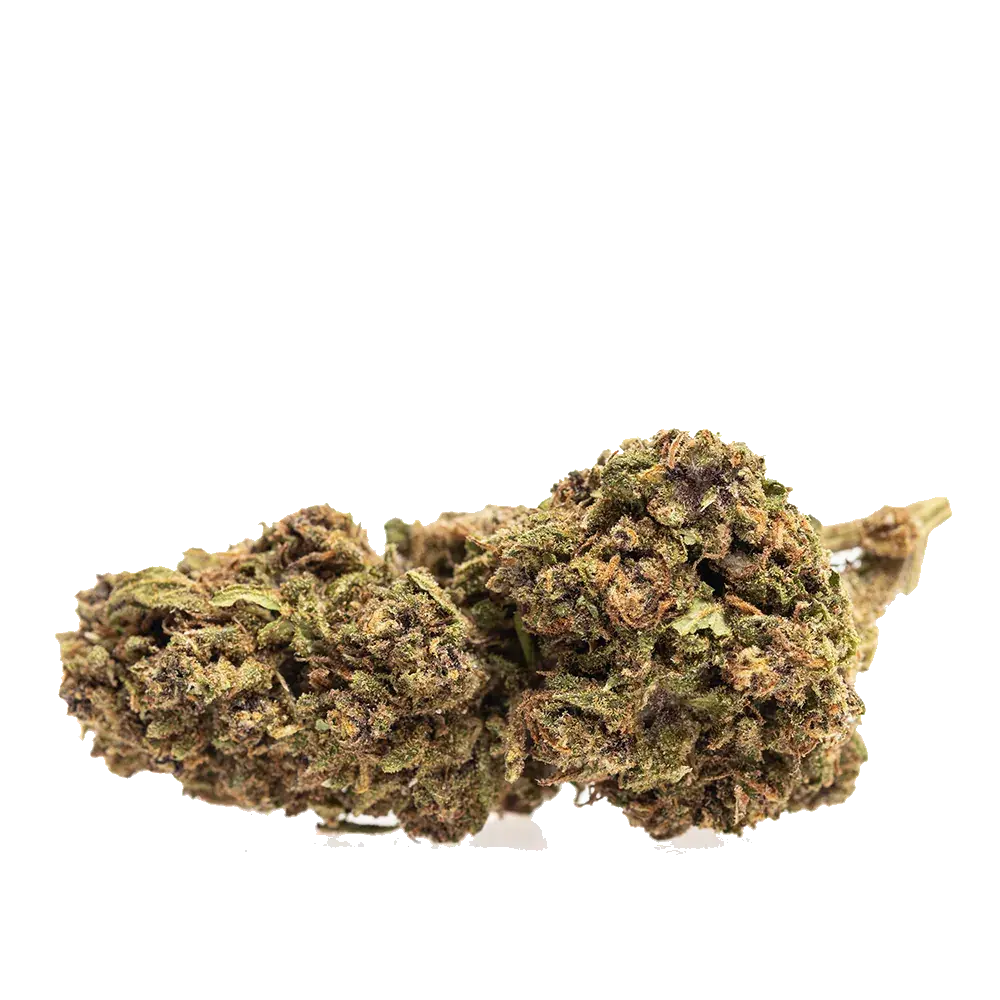
Phytogrammes products that pair well
Further reading

cbd·18 May 2026
Why do I feel nothing with CBD? Six avenues to explore
Six common reasons that can explain a weak or non-existent effect with CBD: dosage, product, route of administration, trial period and expectations.

cbd·18 May 2026
CBD and older people: precautions, framework and a wellness approach
Guidance for older people interested in wellness CBD in France: precautions, drug interactions, choosing a product and why medical advice is recommended.

cbd-sport·18 May 2026
CBD for athletes — muscle recovery and the anti-doping framework
How athletes build CBD into their post-training ritual, and what the AFLD's and WADA's position actually allows in France.