← Journal/18 May 2026·5 min de lecture
Cordyceps and CBD: understanding \"energy\" formulations in France
Par The Phytogrammes team ·
Cordyceps appears in certain "energy" gummies that combine functional mushrooms with CBD. No EFSA claim is validated for these mushrooms, and ingested CBD formulations have been restricted in France since 15 May 2026 for want of Novel Food authorisation.
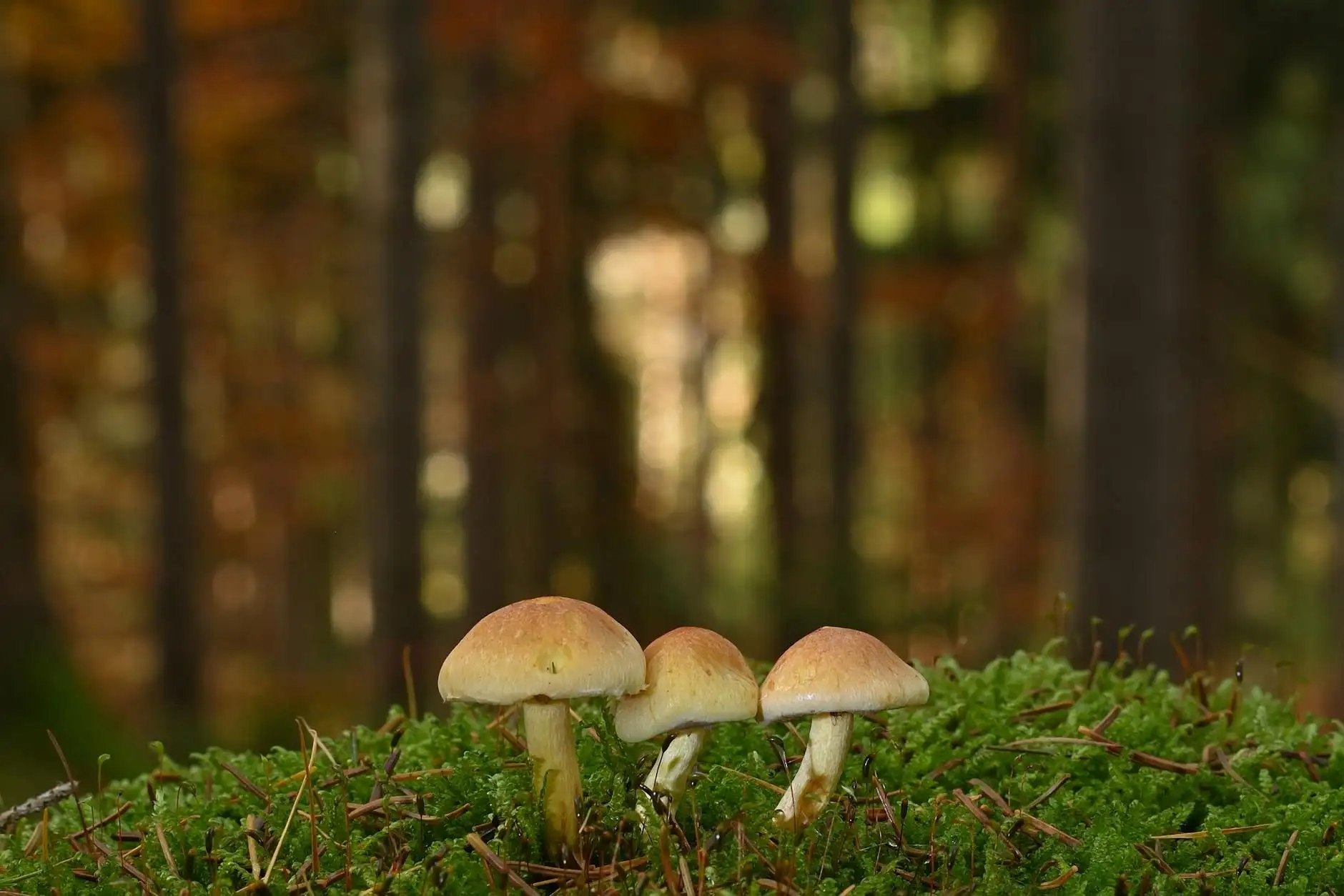
A mushroom between tradition and modern studies
Cordyceps covers several species including Cordyceps sinensis (renamed Ophiocordyceps sinensis) and Cordyceps militaris. Traditional Chinese and Tibetan medicine has used it for centuries; in the West, it became known in the 1990s. Its composition includes nucleosides (cordycepin, adenosine), polysaccharides, amino acids and sterols. The literature has explored its role in cellular ATP production, but the clinical studies remain limited in size and methodology, and none has led to EFSA validation.
The filter of "energy" claims
The European register of health claims, drawn up under Regulation (EC) No 1924/2006, lists the ingredients authorised to carry an "energy" claim: vitamins B1, B2, B3, B5, B6, B8, B9, B12 ("normal energy metabolism"), vitamin C ("reduces fatigue"), iron, magnesium and, under strict conditions, caffeine. Cordyceps, reishi, lion's mane and CBD are not among them. The "performance" or "vitality" formulations common in the United States therefore cannot lawfully be reproduced in France for these ingredients.
Novel Food status of cordyceps and ingested CBD
Wild Cordyceps sinensis has no significant history of European consumption before 15 May 1997 and may, depending on the species and the extraction process, fall within the Novel Food perimeter of Regulation (EU) 2015/2283. Cultivated Cordyceps militaris benefits from a clearer framework, being listed in the plants order of 24 June 2014. For a gummy combining cordyceps and CBD, a second constraint applies: since 15 May 2026, the DGAL has been withdrawing ingested CBD products from the French market where they lack Novel Food validation, and the provisional safe daily dose set by EFSA remains around 2 mg a day for a 70 kg adult — a threshold that virtually every gummy on the market exceeds by a wide margin.
Sport and anti-doping testing
For French athletes, CBD on its own has been off the WADA list of prohibited substances since 2018, a rule applied by the AFLD. Residual THC present in full-spectrum extracts, by contrast, remains prohibited in competition: better to favour certified "THC-free" isolates, ideally carrying an NSF Certified for Sport or Informed Sport label. Cordyceps does not appear on the WADA list, but cross-contamination during manufacture remains possible, particularly for supplements produced outside the European Union.
What it remains legitimate to say
For a compliant cordyceps supplement, the permitted wording stays factual: botanical description, exact composition per dose, mention of the nutrients associated with their validated EFSA claims, and precautions for use in pregnancy, breastfeeding or alongside concurrent treatment. Any "energy", "endurance" or "performance" wording would be reclassified as an unauthorised claim, for cordyceps as for CBD.
Frequently asked questions
Is cordyceps banned in France?
No. Cordyceps militaris appears in the 2014 plants order for use in food supplements. Cordyceps sinensis may, depending on the form, fall under the Novel Food regulation. In every case, no "energy" claim is authorised.
What dose of cordyceps is studied in the literature?
The available studies generally use 500 to 3,000 mg a day of powder, or 50 to 500 mg for concentrated extracts, with cautious methodological conclusions.
Can a CBD "energy" gummy still be sold in France?
Not as regards the ingested CBD component, following the DGAL withdrawal of 15 May 2026. Supplements containing cordyceps alone, without CBD, remain marketable subject to Novel Food status, and without any energy claim.
Can cordyceps cause a failed anti-doping test?
It does not appear on the WADA list, but the risk comes from possible cross-contamination during manufacture. Informed Sport or NSF Certified for Sport labels reduce that risk for an athlete subject to testing.
CBD is not a medicine. In the event of persistent fatigue, consult a healthcare professional.
Sources
- French public health code, art. L.5111-1 (definition of a medicine) — primary
- Regulation (EC) No 1924/2006 (nutrition and health claims) — primary
- Provisional safe level for cannabidiol as a novel food — EFSA, February 2026 — primary
- Foodstuffs containing CBD: withdrawal from the market — Ministry of Agriculture / DGAL, May 2026 — primary
Written by the Phytogrammes team
Every article in this journal draws on primary sources (ANSM, EFSA, EUR-Lex, peer-reviewed publications) and on the lab's own practice: batch-by-batch HPLC analyses, measured cannabinoid profiles. Our approach.
Article published on . CBD is not a medicine.
Phytogrammes products that pair well
Further reading

cosmetique-cbd·18 May 2026
CBD cosmetics and sensitive skin: what France allows
CBD cosmetics are permitted in France, but claims about eczema are prohibited. A look at the skincare uses that are actually possible.
cosmetique-cbd·18 May 2026
CBD cosmetics: a buying guide to creams, balms and gels
Creams, balms, cooling gels or roll-ons: buying criteria and formulation differences for choosing a CBD cosmetic well in 2026.
cosmetique-cbd·18 May 2026
CBD topical cosmetics: how to assess a cream or a balm
CBD creams, balms, gels and sticks: a reading grid for telling a compliant cosmetic apart from a product with dubious promises.