← Journal/18 May 2026·4 min de lecture
CBD cosmetics: a buying guide to creams, balms and gels
Par The Phytogrammes team ·
CBD cosmetics (creams, balms, cooling gels, roll-ons) make up the legally most stable segment of the French market: pure cannabidiol has been listed in the European Commission's CosIng database since February 2021. A good cosmetic combines a clean formulation, a clearly stated CBD concentration and documented traceability.
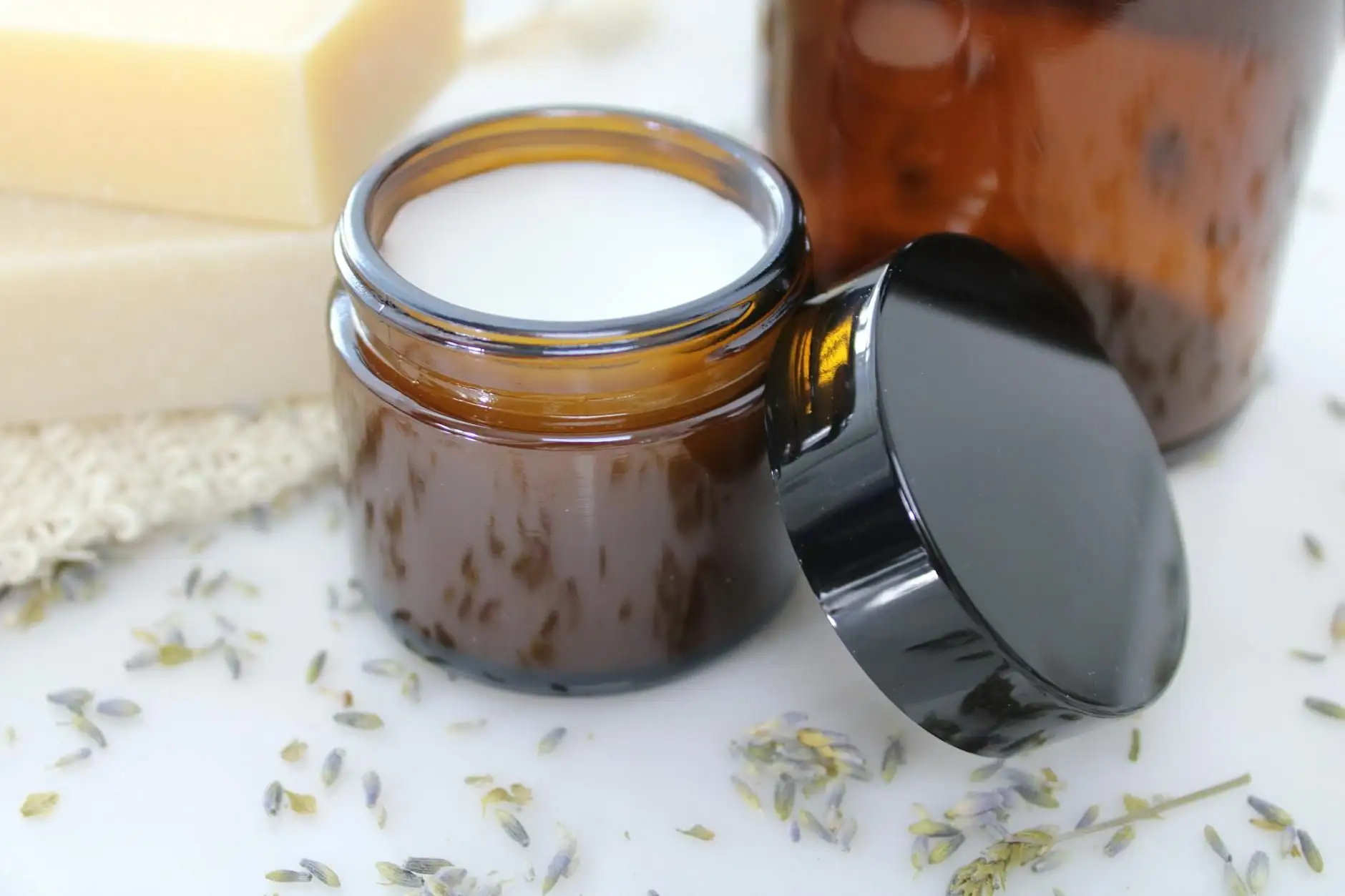
Why is the cosmetics segment so stable legally?
Unlike CBD food supplements, which fall under the Novel Food regime and have been withdrawn since 15 May 2026, cosmetics come under regulation (EC) no. 1223/2009 on cosmetic products. Pure CBD was added to the CosIng database in February 2021, and hemp leaves joined the list of authorised ingredients in 2024. A French brand may therefore sell a CBD cosmetic without a Novel Food procedure, provided it complies with general cosmetics regulation: a product information file, CPNP notification, and a safety assessment by a toxicologist.
Cream, balm, gel: what are the differences?
The cream is an emulsion rich in water phase, with a light texture, ideal for large areas (legs, arms, back). The balm, made up mostly of fatty substances, has a dense texture suited to targeted areas (joints, hands). The cooling gel, based on a gelled water phase often combined with menthol, gives an immediate sensation of freshness after exercise. The roll-on, with its ball applicator, allows precise application and is practical when travelling.
Buying criteria and how to use them
Always check the CBD concentration stated in mg for the whole container, the complete INCI list, the documented origin of the hemp and the certificate of analysis confirming the absence of THC above the legal threshold and of contaminants. The Cosmébio, Cosmos or Ecocert labels tell you about the overall formulation, not specifically about the CBD. In use: apply the cream to clean skin as part of a daily routine, warm the balm between your fingers before targeted application, and keep the cooling gel for muscles that have been worked after exercise. Always do a patch test first if you have sensitive skin.
Limits to be aware of, and where to buy
A CBD cosmetic acts locally, without significant systemic passage at usual cosmetic doses. No therapeutic claim is authorised: the vocabulary stays with skin comfort, never with "painkilling" or "anti-inflammatory". In 2025 ANSES proposed classifying CBD as presumed toxic for reproduction, which as a precaution invites pregnant and breastfeeding women, and women of childbearing age, to avoid it. Specialist shops offer personalised advice, pharmacies a guarantee of traceability, and e-commerce (35 to 40 % of the sector's turnover) calls for more vigilance over unidentified brands.
CBD is not a medicine. If a skin problem persists, consult a dermatologist.
Frequently asked questions
Does a CBD cosmetic pass into the bloodstream?
At usual cosmetic doses, systemic passage through the skin remains very low. The effect sought is local, which makes regular use compatible without reaching the EFSA thresholds set for food supplements.
Can a CBD cosmetic be taken abroad?
Within France and the European Union, yes, if the product complies with the legal threshold of 0.30 % THC. Outside the EU, check the regulations of the destination country, as some prohibit any hemp-derived product.
What is the difference between a balm and a salve?
The balm is firmer, with a high proportion of waxes and butters. The salve has a more supple texture, between a cream and a balm, a term more common in English-language ranges.
Can a CBD cosmetic trigger an allergic reaction?
Like any cosmetic, yes, particularly through fragrances or essential oils. A 48-hour patch test in the crook of the elbow beforehand remains recommended for sensitive skin.
To explore our selection of creams, balms and cooling gels compliant with the French framework, [see our catalogue](/categorie-produit).
Sources
Written by the Phytogrammes team
Every article in this journal draws on primary sources (ANSM, EFSA, EUR-Lex, peer-reviewed publications) and on the lab's own practice: batch-by-batch HPLC analyses, measured cannabinoid profiles. Our approach.
Article published on . CBD is not a medicine.
Phytogrammes products that pair well
Further reading
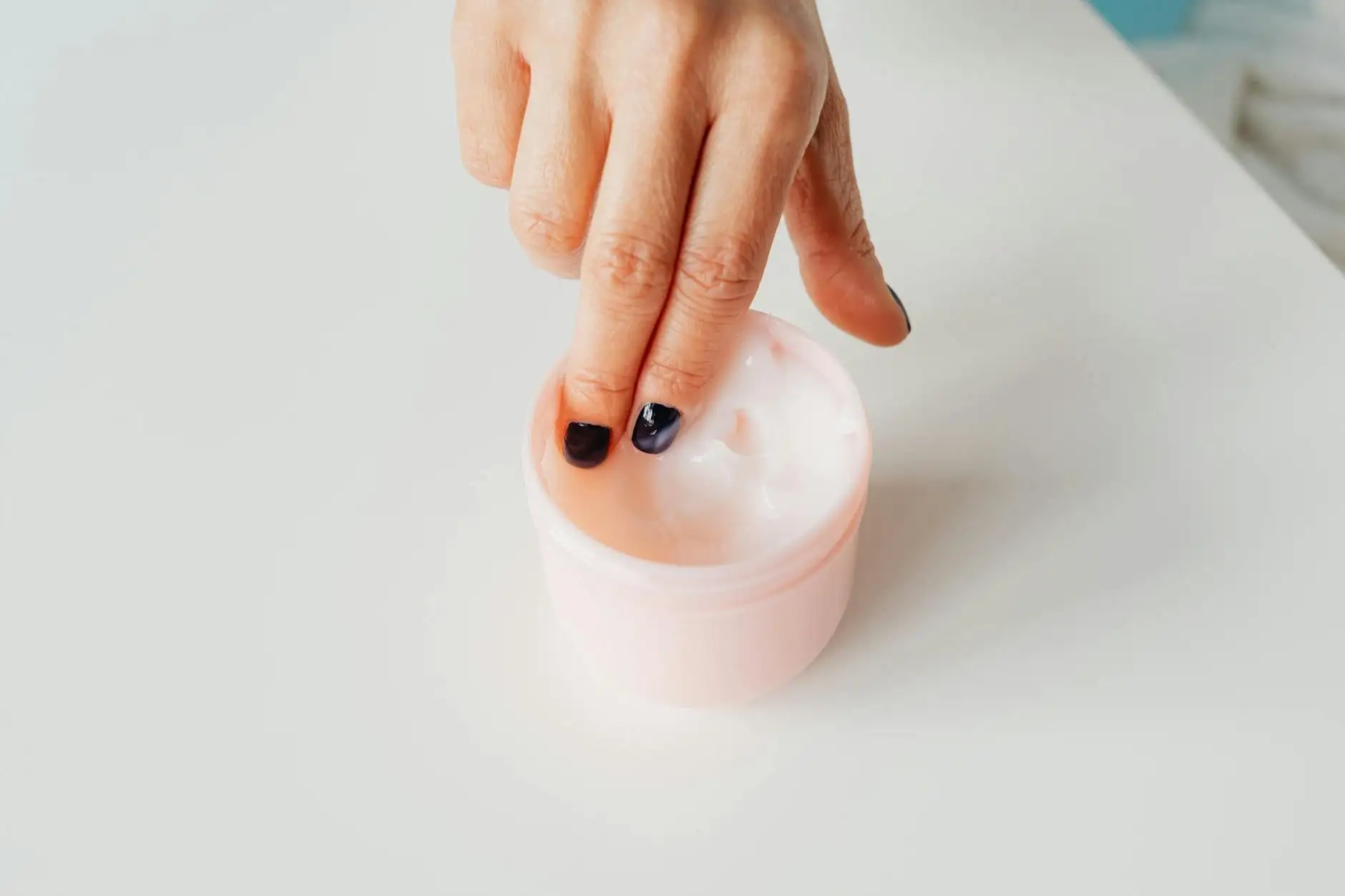
cosmetique-cbd·18 May 2026
CBD topical cosmetics: how to assess a cream or a balm
CBD creams, balms, gels and sticks: a reading grid for telling a compliant cosmetic apart from a product with dubious promises.
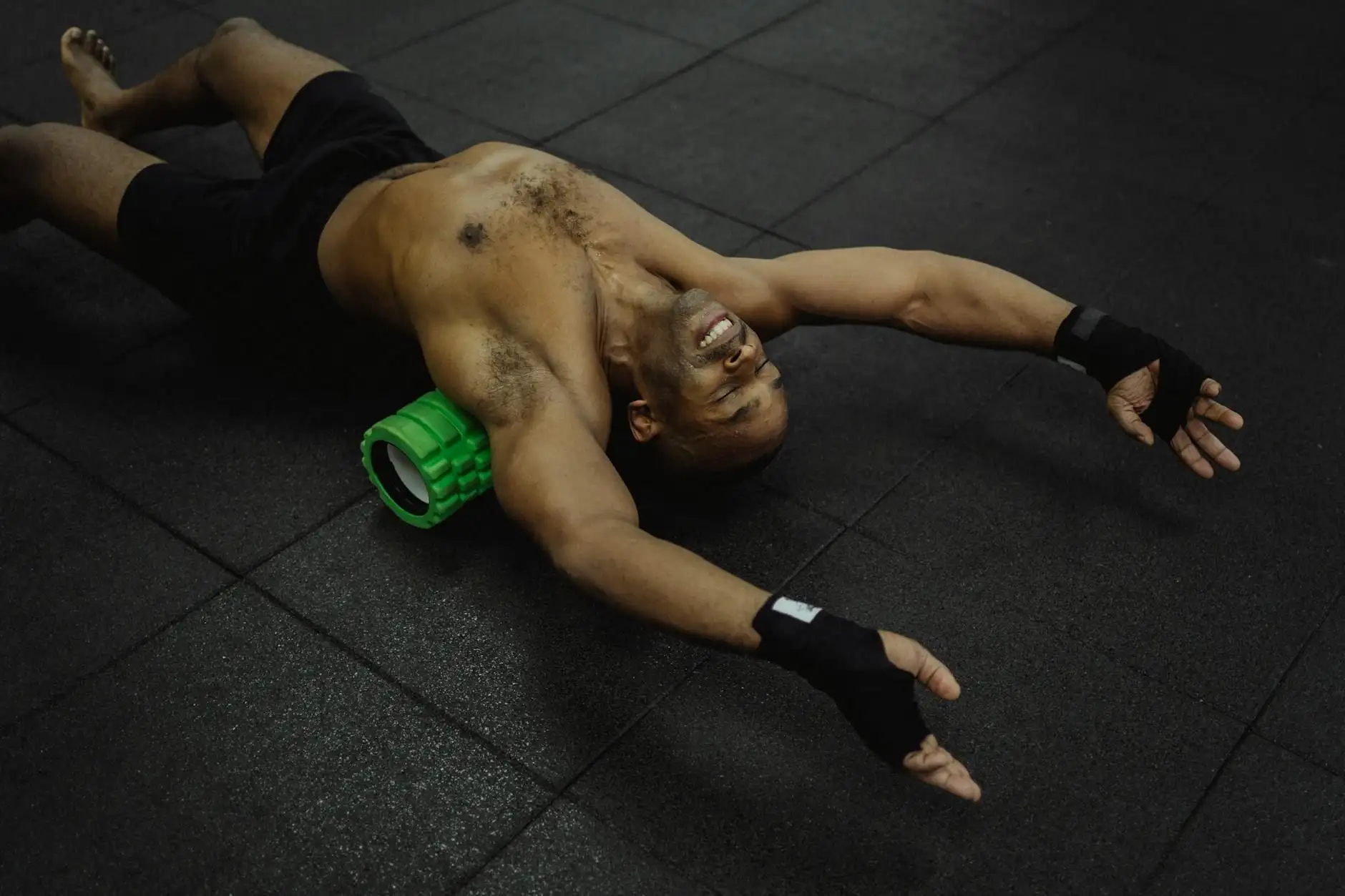
courbatures·18 May 2026
Muscle soreness and recovery — post-workout rituals
How to ease muscle soreness through the proven levers (sleep, hydration, mobility) and how to fit a CBD cosmetic into a wellbeing routine.
criniere-de-lion·18 May 2026
Lion's mane, “brain support” and CBD: what is said in France
In the United States the talk is of \"brain support\". In France, those claims are prohibited. A look at what the law actually permits.