← Journal/18 May 2026·7 min de lecture
Muscle soreness and recovery — post-workout rituals
Par The Phytogrammes team ·
Muscle soreness (DOMS) appears 24 to 72 hours after an intense effort. The proven levers for easing it are sleep, hydration, protein intake and gentle mobility work. Some athletes fit a CBD cosmetic into their massage ritual, alongside these fundamentals and without any pain-relief claim.
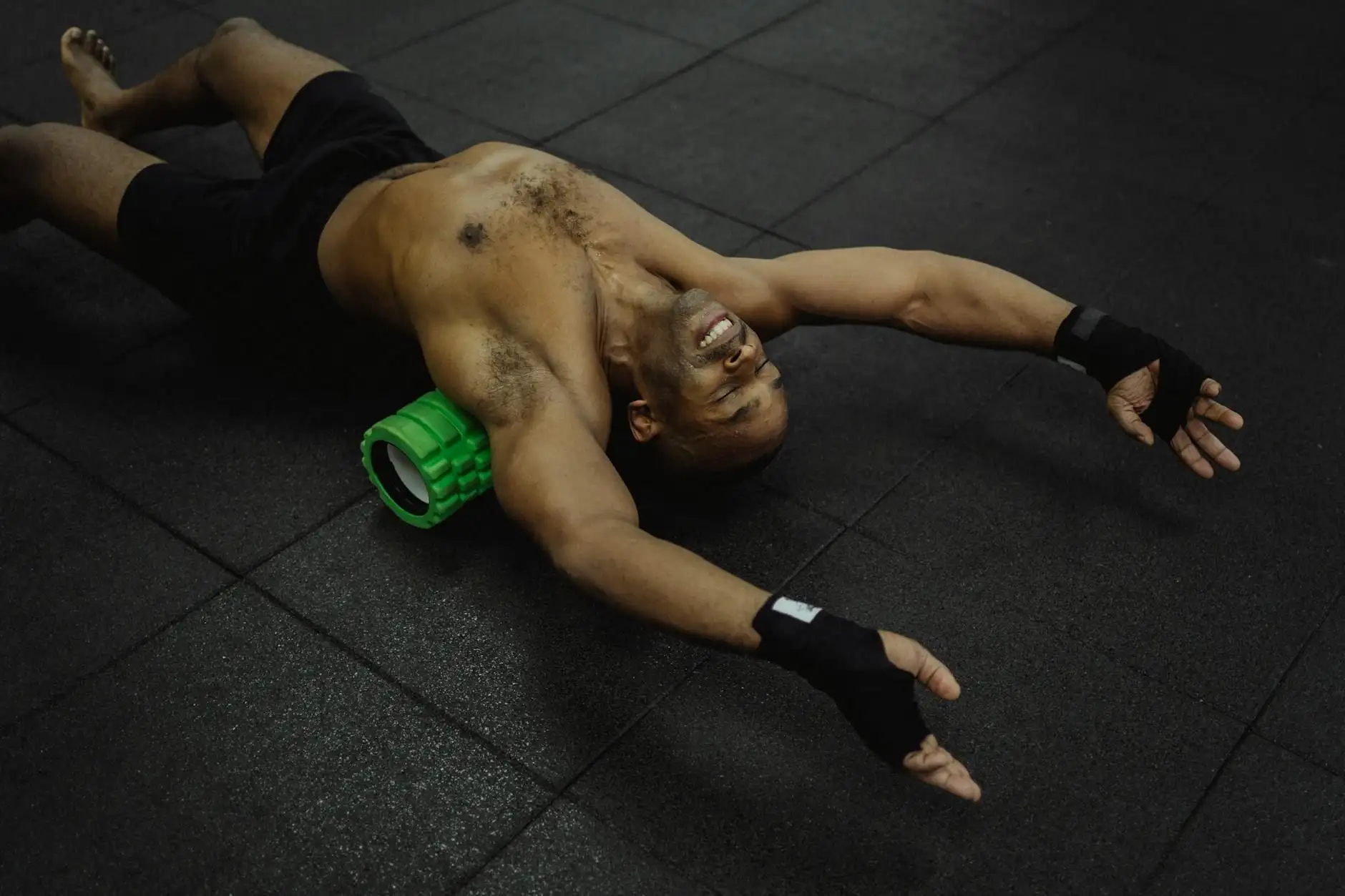
Muscle soreness is a normal response to an unfamiliar or unusually intense effort. It fades within a few days. Rather than trying to suppress it abruptly (which can hold back training adaptations), it is better to work with it. This article takes stock of the rituals that actually make sense.
Understanding muscle soreness (DOMS)
The acronym DOMS — delayed onset muscle soreness — describes the stiffness and tenderness that typically appear 24 to 48 hours after an intense or unfamiliar effort, peaking around 48 hours and settling within 3 to 5 days. The mechanism combines:
- Micro-tears in the muscle fibres, particularly after eccentric contractions.
- A local inflammatory response that mobilises repair cells.
- Heightened sensitivity of the nerve endings in the area worked.
Inserm points out that these phenomena are part of muscular adaptation: without micro-tears and acute inflammation, there is no hypertrophy and no strength gain. This is why the sports science community advises against the routine use of non-steroidal anti-inflammatory drugs: they may dull the pain, but they can also hold back adaptations.
The efforts most likely to cause soreness
- Downhill running or repeated braking (pronounced eccentric contractions).
- A first session after a long break (the novelty effect).
- An unfamiliar sport: CrossFit for a runner, a long hike for someone sedentary.
- HIIT and heavy resistance training (efforts close to maximum).
- Combat or contact sports (impacts on top of the contractions).
The proven pillars of recovery
According to INSEP and the international references in sports physiology:
1. Sleep — 7 to 9 hours a night for an active adult. Deep sleep is when tissue repair processes and growth hormone secretion are concentrated.
2. Nutrition — protein intake spread across the day (1.4 to 2 g/kg/day depending on the athletic profile), carbohydrates after the session to rebuild glycogen, micronutrients (omega-3, magnesium, vitamin D) taken regularly.
3. Hydration — make up the fluid lost during the session in the hours that follow. Clear urine in the middle of the day is a good indicator.
4. Active mobility the next day — light walking, gentle stretching, joint mobility, rather than complete rest. Movement helps clear metabolites.
5. Massage and self-massage — foam roller, tennis balls, occasional sessions with a physiotherapist. The effect on perceived pain is better documented than the effect on biological markers.
6. Varying the load — alternate intensity and volume, and build in a deload week every 3 to 5 weeks.
The role of a CBD massage cream
Cannabidiol has been listed in the European Commission's CosIng database since February 2021. CBD creams and balms are cosmetics within the meaning of European regulation 1223/2009. No pain-relieving or anti-inflammatory action may legally be attributed to them.
The format is close to that of traditional massage balms (menthol, camphor, methyl salicylate, plant oils), with CBD added as an active positioned around "muscle comfort". The main appeal is sensory: the massage itself, the cooling sensation, the pause that goes with it.
A typical post-training ritual
For an intense effort at the end of the day:
- Drink 500 ml of water within the hour after the session.
- Eat a balanced meal (protein + complex carbohydrates + vegetables) within 2 hours.
- Stretch the muscle groups worked, gently (10 min).
- Take a lukewarm shower rather than an ice-cold one (unless following a specific cryotherapy protocol).
- Apply a CBD balm to the tightest areas, massaging in circles for 3 to 5 minutes.
- Limit screens for the last 30 minutes before bed.
- Go to bed early, ideally before 11 pm.
The day after the session:
- A walk of 30 to 45 minutes, or gentle activity.
- Active mobility for the groups worked.
- A repeat massage if needed.
What to do when soreness is severe
A few simple principles:
- Do not stop moving altogether: gentle mobility speeds up recovery.
- Drink more water than usual.
- Favour quality protein at the next meal.
- Sleep well the following night.
- Do not repeat the same session the next day: alternate muscle groups or reduce the intensity.
And above all: tell the difference between soreness (diffuse, symmetrical, tender to the touch, gradually settling within 3-5 days) and injury (localised pain, swelling, loss of strength, lasting beyond a week). If in doubt, seek advice.
Precautions
- CBD is not a medicine. If muscle pain persists or an injury is suspected, consult a healthcare professional (sports physician, physiotherapist).
- Not recommended for pregnant or breastfeeding women (in line with ANSES 2025).
- Not recommended for minors.
- Patch test 24 hours before the first application over a large area if your skin is sensitive.
- For competitors: THC-free CBD isolate, certificate of analysis, sport accreditation.
- Synthetic cannabinoids (HHC, H4CBD, THCP, HHCO) have been banned in France since June 2024; rule them out as a matter of course.
Key points
- Muscle soreness (DOMS) is a normal and useful response to intense effort.
- Sleep, nutrition, hydration and mobility are the proven pillars of recovery.
- Routine use of NSAIDs can hold back training adaptations.
- A CBD cosmetic cream fits into a massage ritual, with no therapeutic claim.
- For competitors: a THC-free isolate is essential.
- Any pain lasting beyond a week warrants medical advice.
FAQ
How long does muscle soreness last?
Generally 24 to 72 hours, peaking between 24 and 48 hours and clearing completely within 3 to 5 days. Beyond that, it is probably no longer simple soreness.
Does CBD reduce muscle soreness?
No French or European authority has approved any claim that wellbeing CBD reduces muscle soreness. CBD can accompany a recovery ritual alongside the fundamentals, not in place of them.
Should you stretch while you are sore?
Yes, provided the stretches stay gentle and comfortable, without forcing or bouncing. Abrupt stretching can make the micro-tears worse.
Should you take an anti-inflammatory?
Not routinely. NSAIDs may dull the pain but hold back certain adaptations. They can be useful on occasion on medical advice, for example for a competitive athlete with a competition close at hand.
Cold bath or hot bath after a hard session?
The two have different effects. A cold bath (10-15 °C, 10-15 min) eases the sensation of soreness in the short term but can hold back adaptations in the long term. A hot bath encourages muscle relaxation and circulation. The choice depends on how your next sessions are scheduled.
To explore our selection of CBD cosmetics for muscle recovery, [browse our catalogue](/categorie-produit).
Sources
Written by the Phytogrammes team
Every article in this journal draws on primary sources (ANSM, EFSA, EUR-Lex, peer-reviewed publications) and on the lab's own practice: batch-by-batch HPLC analyses, measured cannabinoid profiles. Our approach.
Article published on . CBD is not a medicine.
Phytogrammes products that pair well
Further reading
criniere-de-lion·18 May 2026
Lion's mane, “brain support” and CBD: what is said in France
In the United States the talk is of \"brain support\". In France, those claims are prohibited. A look at what the law actually permits.
criniere-de-lion·18 May 2026
Lion's mane and CBD: what the claims rules really allow
Novel Food status, the claims register, DGCCRF inspections: a full regulatory breakdown of lion's mane and CBD supplements.
delta-8-thc·18 May 2026
Delta-8 THC in France: legal framework and health risks
Delta-8 THC is a psychoactive semi-synthetic cannabinoid. In France it falls under narcotics law in the same way as delta-9. A breakdown of the 2026 framework.