← Journal/18 May 2026·4 min de lecture
The five-minute journal: a simple wellness routine
Par The Phytogrammes team ·
The five-minute journal consists of writing a few lines in the morning and in the evening, centred on gratitude and the day's intentions. Studies in positive psychology show a modest but real effect on perceived mood, provided it is practised regularly for several weeks.

The principle in a few lines
In the morning, in two minutes: three things you feel grateful for, three things that would make the day a good one, and one simple affirmation. In the evening, in three minutes: three things that went well during the day, and what you could have done differently. This format, popularised by Intelligent Change's "Five Minute Journal", draws on earlier work in positive psychology, notably that of Martin Seligman and Robert Emmons.
What the available studies show
Research on gratitude journalling, often conducted on modest samples, suggests a slight improvement in mood after a few weeks of regular practice, an increased sense of life satisfaction, and sometimes better self-reported sleep quality. These effects remain modest rather than spectacular, and most of the studies are English-language ones, without systematic large-scale replication. Gratitude journalling is in no way a replacement for medical care in cases of clinical depression or severe anxiety disorder.
Fitting the routine into everyday life
Choosing a fixed time — morning at breakfast or evening before bed — helps anchor the habit. The medium matters little, paper notebook or app, as long as you stick with it. A short three-line format is enough: better not to try to write an essay every day, and simply to note "nothing today" rather than force an artificial gratitude.
Where the journal fits in an evening routine
The evening journal fits well into a wind-down routine: cutting screens one to two hours before bed, lowering the lights, drinking a non-stimulating herbal tea, then writing three lines of review before going to bed at a regular time. Writing a few lines helps "empty the head" of thoughts that would otherwise loop at the moment of falling asleep — one of the simplest explanations for its perceived effect on sleep.
When it is not enough
The five-minute journal remains a light wellness routine, not a therapeutic tool. Sadness persisting for more than two weeks, a loss of interest in things you used to enjoy, or severe sleep problems warrant a medical or psychological consultation. Several public resources exist: your GP, the Mon Soutien Psy scheme with psychologist sessions reimbursed on prescription, medico-psychological centres, and 3114 for suicide prevention.
Does CBD have a place in this routine?
CBD is sometimes mentioned in evening routines, with no promise of a guaranteed effect. The provisional safe daily dose published by EFSA is around 2 mg a day for a 70 kg person, and no health claim is entered in the European register for cannabidiol. Since 15 May 2026, moreover, ingested CBD products without Novel Food authorisation have been withdrawn from the market by the DGAL. A journalling routine and any use of CBD are neither competing nor demonstrated to be complementary: the priority levers remain sleep, movement and social connection.
CBD is not a medicine. In the event of persistent stress, anxiety or sadness, consult a healthcare professional.
Frequently asked questions
How long before you see an effect?
Three to four weeks of regular practice at a minimum, according to the available studies. Regularity counts for more than the time spent each day.
Do you need a specific notebook to start?
No, any notebook or app will do. What matters is choosing a format you will easily keep within reach.
What if gratitude feels artificial on some days?
Note small tangible things rather than grand formulations. If the exercise stays impossible for several days running, that is a signal worth listening to — sometimes simple tiredness, sometimes more.
What resources exist for more serious distress?
3114 for suicide prevention, your GP, the Mon Soutien Psy scheme with reimbursed sessions, and medico-psychological centres all remain accessible entry points.
Written by the Phytogrammes team
Every article in this journal draws on primary sources (ANSM, EFSA, EUR-Lex, peer-reviewed publications) and on the lab's own practice: batch-by-batch HPLC analyses, measured cannabinoid profiles. Our approach.
Article published on . CBD is not a medicine.
Phytogrammes products that pair well
Further reading
lemon-curd·18 May 2026
CBD lemon curd: homemade recipe, dosage and precautions
A silky lemon cream infused with CBD oil, for strictly personal use: precise measures, bain-marie cooking and the legal framework.

mantra·18 May 2026
Mantras and wellbeing: what the science says
A mantra is a short phrase repeated to focus attention. What the research shows, and how to build a simple daily routine.
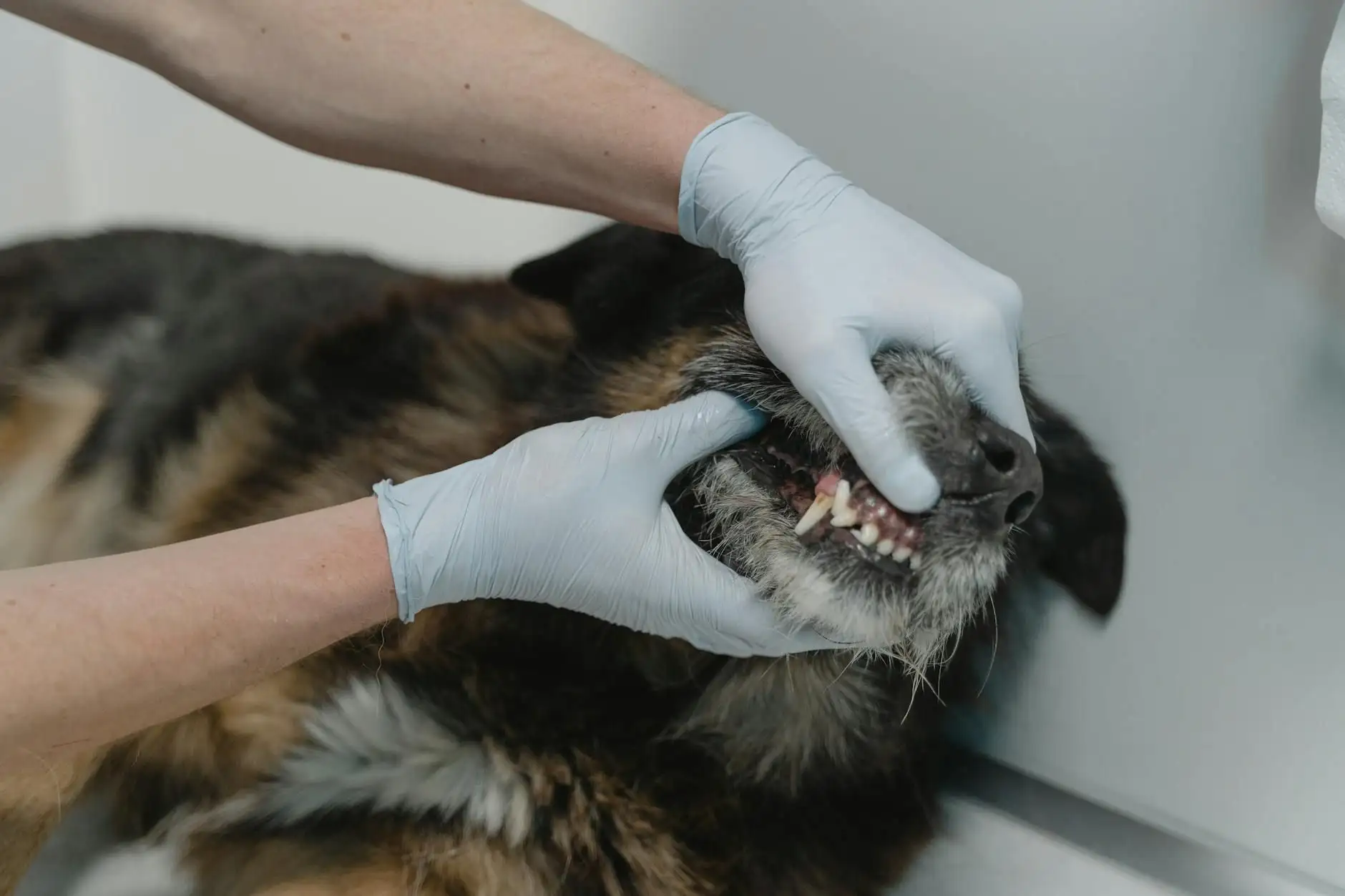
animaux·18 May 2026
Bad breath in dogs: 7 levers for oral hygiene
Tartar, gingivitis, diet: what really causes canine halitosis and the seven habits French vets recommend to deal with it.